
 By admin
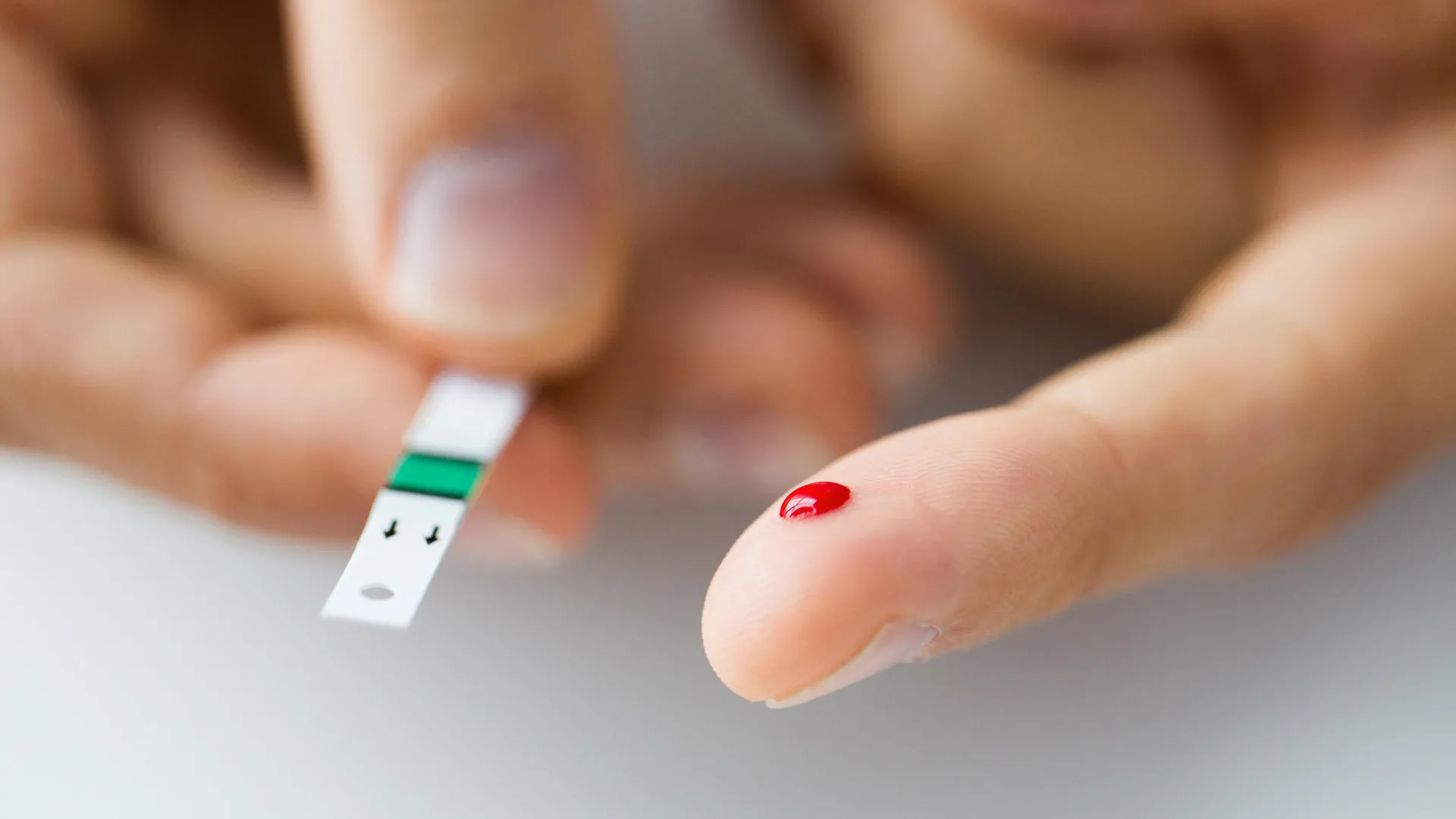
The study’s core insight stems from a comprehensive analysis pairing real-time data from continuous glucose monitoring (CGM) devices with daily self-reported well-being assessments. Contrary to the intuitive assumption that absolute glucose stability would universally correlate with better well-being, researchers observed that participants sometimes reported a superior quality of life on days following periods of greater glucose fluctuation, provided these fluctuations remained safely within acceptable clinical ranges. This counter-intuitive outcome suggests that the relentless effort, vigilance, and lifestyle restrictions often imposed in the quest to minimize every minor glucose fluctuation might, for some individuals, detract from their ability to engage in and enjoy everyday activities, thus impacting their overall satisfaction with life.
The research was spearheaded by Professor Dominic Ehrmann of FIDAM (Research Institute Diabetes Academy Mergentheim) in Bad Mergentheim, Germany, and his dedicated team of colleagues. Their work underscores a growing movement within the diabetes community to look beyond mere numerical targets and embrace a more holistic, patient-centered approach to care.
Beyond the Numbers: The Holistic View of Diabetes Management
For decades, the cornerstone of diabetes treatment has revolved around achieving and maintaining optimal blood sugar control, primarily measured through metrics like glycated hemoglobin (HbA1c) and, more recently, time in range (TIR) from CGM data. While these physiological markers are undeniably crucial for preventing long-term complications such as cardiovascular disease, kidney disease, neuropathy, and retinopathy, there’s a burgeoning recognition that successful diabetes management encompasses far more than just laboratory values. Helping people with diabetes maintain a robust quality of life—encompassing mental health, emotional resilience, social engagement, and physical comfort—is now understood as an equally vital component of comprehensive treatment.
Researchers are increasingly striving to understand how the day-to-day realities of diabetes management—the constant monitoring, the dietary restrictions, the medication adjustments, the fear of hypoglycemia (low blood sugar) or hyperglycemia (high blood sugar)—collectively affect a person’s mood, energy levels, sleep patterns, stress perception, and crucially, their ability to participate fully and joyfully in normal activities. This new analysis represents a significant step in that direction, systematically examining the association between glucose patterns, as meticulously recorded by CGM devices, and the daily quality of life among a substantial cohort of individuals with both type 1 and type 2 diabetes.
The data underpinning these findings were meticulously collected as part of the broader PRO-MENTAL study, a significant research initiative funded by the German Center for Diabetes Research (DZD). The DZD is a national network of leading research institutions dedicated to combating diabetes through collaborative, innovative research, making the PRO-MENTAL study a well-supported and rigorous endeavor.
Participants in the PRO-MENTAL study engaged in a highly detailed, real-time assessment of their well-being. For 14 consecutive days, they rated their quality of life using a sophisticated methodology known as ecological momentary assessment (EMA). EMA involves repeated sampling of subjects’ current behaviors and experiences in real-time, in their natural environments, thereby minimizing recall bias inherent in retrospective questionnaires. For quality of life, participants used a daily adaptation of the WHO-5 questionnaire, a widely validated and brief questionnaire assessing subjective well-being. While the original text doesn’t list the specific questions, the WHO-5 typically probes statements related to:
- Feeling cheerful and in good spirits.
- Feeling calm and relaxed.
- Feeling active and vigorous.
- Waking up feeling fresh and rested.
- My daily life has been filled with things that interest me.
Participants rate these statements, usually on a scale from 0 (at no time) to 5 (all of the time), providing a snapshot of their daily mental and emotional state.
In addition to quality of life, the researchers also leveraged the EMA approach to collect daily information on other crucial dimensions of well-being: sleep quality (reflecting how rested participants felt), perceived stress levels (the subjective experience of daily stressors), mood (general emotional state), and energy levels (how energetic they felt throughout the day). These co-variables are known to interact significantly with both diabetes management and overall health, making their inclusion vital for a comprehensive analysis.
Tracking Glucose Around the Clock: The Power of CGM Data
The advent of continuous glucose monitoring (CGM) technology has revolutionized diabetes care, moving beyond intermittent finger-prick tests to provide a dynamic, 24/7 picture of glucose levels. For this study, CGM data from the same 14-day period as the EMA assessments allowed Professor Ehrmann’s team to examine several critical measures of glucose control, offering a granular view of each participant’s metabolic state. These measures included:
- Time Below Safe Range (TBR): The percentage of time glucose levels fell below 70 mg/dl, indicating hypoglycemia, which can be dangerous and cause immediate symptoms like dizziness, confusion, and tremors.
- Time Above Safe Range (TAR): The percentage of time glucose levels exceeded 180 mg/dl, indicating hyperglycemia, which, while less immediately symptomatic than hypoglycemia, contributes to long-term complications.
- Time In Normal Range (TING) or Time In Glucose Range (TIR): The percentage of time glucose levels remained between 70-140 mg/dl (or sometimes 70-180 mg/dl depending on clinical guidelines), representing optimal glucose control. This metric is increasingly seen as a more comprehensive indicator of glucose management than HbA1c alone.
- Glucose Variability (GV): This crucial metric reflects how much a person’s blood sugar rises and falls over time. High glucose variability can indicate unstable glucose control, with frequent swings between highs and lows. While specific metrics for GV can vary (e.g., standard deviation, coefficient of variation, mean amplitude of glycemic excursions – MAGE), the general concept refers to the magnitude and frequency of glucose fluctuations.
To uncover potential associations, the researchers employed sophisticated statistical modeling. They sought to determine whether glucose patterns, alongside sleep, stress, mood, and energy levels recorded on one day, could reliably predict a participant’s quality of life on the following day. This temporal analysis is critical for understanding cause-and-effect relationships or, at least, predictive associations. Additionally, a separate analysis was conducted to assess whether same-day measurements were associated with that day’s quality of life, providing a comparative perspective. To ensure the robustness of their findings, the models meticulously accounted for potential confounding variables such as age, sex, and diabetes type. Crucially, they also included previous-day quality of life as a covariate, ensuring that the observed associations were not simply driven by pre-existing or persistent levels of well-being.
Insights from 400 Lives: The PRO-MENTAL Cohort
The analysis drew upon a substantial dataset from 400 individuals living with diabetes. The cohort comprised a significant majority with type 1 diabetes (72%), alongside individuals with type 2 diabetes (28%). The group was 55% female, with an average age of 47 years (ranging from 32-63 years). The mean glycated hemoglobin (HbA1c) for the cohort was 7.6%, indicating a level of glucose control that, while not perfectly ideal for all, is broadly representative of a population actively managing their condition. This diverse representation of diabetes types and a range of glycemic control strengthens the generalizability of the study’s findings.
Two specific glucose patterns emerged as particularly salient in their association with subsequent quality of life:
Firstly, and perhaps unsurprisingly, spending a greater proportion of time in the normal glucose range (TING) on one day was significantly associated with a better quality of life on the following day. This finding reinforces the established clinical goal of achieving good glycemic control, suggesting that the physiological stability and reduced risk perception associated with optimal glucose levels translate into a tangible improvement in daily well-being. Patients often report feeling more "in control," experiencing fewer symptoms of high or low blood sugar, and having greater confidence when their glucose levels are consistently within target.
However, the second key finding presented a compelling and somewhat unexpected twist: greater glucose variability on the previous day was also linked to higher next-day quality of life. This result is particularly intriguing because, in clinical practice, high glucose variability is often viewed negatively, associated with increased risk of complications and generally indicative of unstable control. Yet, within the context of this study, when levels remained within safe parameters, a certain degree of fluctuation appeared beneficial for subsequent well-being.
In contrast, the amount of time participants spent either above (TAR) or below (TBR) the safe glucose range on the previous day did not show a statistically significant association with their quality of life the following day. While this doesn’t diminish the long-term health risks associated with sustained hyperglycemia or the acute dangers of hypoglycemia, it suggests that within the timeframe of this study’s analysis (day-to-day QoL), the fluctuation itself rather than just being high or low (as long as it’s safe) had a distinct impact.
Beyond glucose metrics, other well-established health behaviors and states also played a predictive role. Better sleep during the preceding night was strongly linked to improved next-day well-being, underscoring the critical role of restorative sleep in overall health and resilience. Similarly, higher energy levels on the previous day (assessed on a scale from 0 to 10) were associated with enhanced next-day quality of life, highlighting the interplay between physical vitality and subjective well-being.
Interestingly, the analysis also revealed that glucose measurements taken on the same day were not significantly associated with quality of life on that day. This temporal lag suggests that the psychological and behavioral impact of glucose management might manifest with a delay, or that the cumulative effort over a period (reflected in previous day’s patterns) rather than immediate physiological fluctuations, is more impactful on subjective well-being.
The Hidden Cost of Striving for "Too Steady" Glucose
It is crucial to emphasize that these results do not advocate for poor glucose control or suggest that allowing blood sugar to run uncontrolled is beneficial. On the contrary, the finding that spending more time within the normal glucose range was associated with better quality of life firmly reiterates the importance of good glycemic management for overall well-being and long-term health.
Instead, the researchers propose that the surprising finding regarding glucose variability points to a more nuanced issue: the potential psychological and behavioral burden associated with an overly zealous pursuit of absolute glucose stability. Individuals who strive exceptionally hard to eliminate even normal, physiological fluctuations in their blood sugar might, in doing so, impose stringent restrictions on themselves that inadvertently diminish their everyday enjoyment or make certain activities feel harder or riskier to pursue.
As the authors articulate, "Days with higher time in the normal safe range for blood sugar were followed by days on which individuals with type 1 and type 2 diabetes reported better quality of life, underscoring the importance of optimal blood sugar control for well-being. Interestingly, higher-than-usual glucose variability was also associated with improved next-day quality of life. These findings may suggest that individuals experience lower quality of life when attempting to minimize glucose fluctuations too strictly, potentially due to the associated burden or restrictions in daily life, which may contribute to some people living with diabetes feeling unable to safely engage in certain activities."
This perspective aligns with growing concerns about "diabetes burnout" or "diabetes distress," conditions where the relentless demands of managing diabetes lead to emotional exhaustion, frustration, and a feeling of being overwhelmed. Patients might feel pressured to achieve perfect numbers, leading to excessive worry about food choices, exercise, or medication timing, even when these activities are within reasonable limits. This constant vigilance, while aimed at physiological benefit, can exact a heavy psychological toll. For example, a person might forgo a spontaneous meal with friends, avoid certain types of exercise, or constantly check their CGM during social events, all in an attempt to maintain perfectly flat glucose lines. Such behaviors, while driven by a desire for control, can lead to feelings of deprivation, social isolation, and a diminished sense of freedom, ultimately eroding quality of life.
Implications for Clinical Practice and Patient Empowerment
This research holds profound implications for how healthcare professionals counsel individuals with diabetes and how patients approach their self-management. It encourages a shift from a purely biomedical, numbers-driven paradigm to one that incorporates the patient’s subjective experience and well-being as equally valid outcomes.
- Personalized Goal Setting: Clinicians might need to re-evaluate what "optimal control" means for each individual. While strict glycemic targets are essential for some, particularly those newly diagnosed or at high risk of complications, for others, especially those experiencing diabetes distress, a slightly less rigid approach that prioritizes flexibility and enjoyment of life within safe glucose parameters might lead to better overall health and adherence in the long run.
- Emphasis on "Good Enough" vs. "Perfect": The findings suggest that striving for "good enough" control—meaning consistently within safe ranges with some natural variability—might be more sustainable and beneficial for quality of life than chasing "perfect" flat lines. This could reduce the mental burden on patients.
- Addressing Diabetes Distress: Healthcare teams, including endocrinologists, diabetes educators, and psychologists, should actively screen for diabetes distress and engage patients in open conversations about the psychological impact of their management regimen. This research provides a concrete example of how strict regimens might contribute to this distress.
- Empowering Flexibility: Patients could be empowered to find a balance that allows for a degree of flexibility in their diet, exercise, and daily routines, knowing that some natural glucose fluctuations are not only normal but might even be associated with better well-being, provided they remain within safe limits. This isn’t an invitation to abandon self-management but to practice it with greater self-compassion and less rigidity.
- The Role of Technology: As CGM technology continues to evolve, future algorithms could potentially offer insights not just into glucose levels but also provide feedback on glucose variability in relation to well-being, helping patients and providers identify optimal personal balance points.
Limitations and Future Directions
While highly insightful, this study, like all research, has limitations. It is an observational study, meaning it can identify associations but cannot definitively prove causation. The "why" behind the association between greater glucose variability (within safe limits) and better quality of life requires further exploration. Future research could involve:
- Intervention Studies: Randomized controlled trials that compare different management strategies (e.g., extremely tight control vs. more flexible control within safe limits) and their impact on both physiological markers and quality of life.
- Longitudinal Studies: Following individuals over longer periods to see how these associations evolve.
- Qualitative Research: In-depth interviews with patients to understand their subjective experiences and perceptions of glucose variability and its impact on their daily lives.
- Diverse Populations: Replicating these findings in more diverse demographic groups and different healthcare systems to ensure generalizability.
- Mechanistic Research: Investigating the underlying psychological, behavioral, and perhaps even physiological mechanisms that link glucose variability to quality of life.
In conclusion, the research presented by Professor Dominic Ehrmann and his colleagues at the EASD meeting marks a pivotal moment in diabetes care. It underscores the critical need to view individuals with diabetes not merely as a collection of physiological metrics but as whole persons whose emotional and psychological well-being is intricately linked to their disease management. While maintaining blood sugar within safe ranges remains paramount for long-term health, the quest for absolute steadiness might, for some, come at an unexpected cost to their quality of life. This powerful insight calls for a more nuanced, empathetic, and truly patient-centered approach, empowering individuals to navigate their diabetes journey not just effectively, but also enjoyably. The future of diabetes care lies in finding that delicate equilibrium where optimal physiological control harmonizes with a rich and fulfilling life.
