
 By admin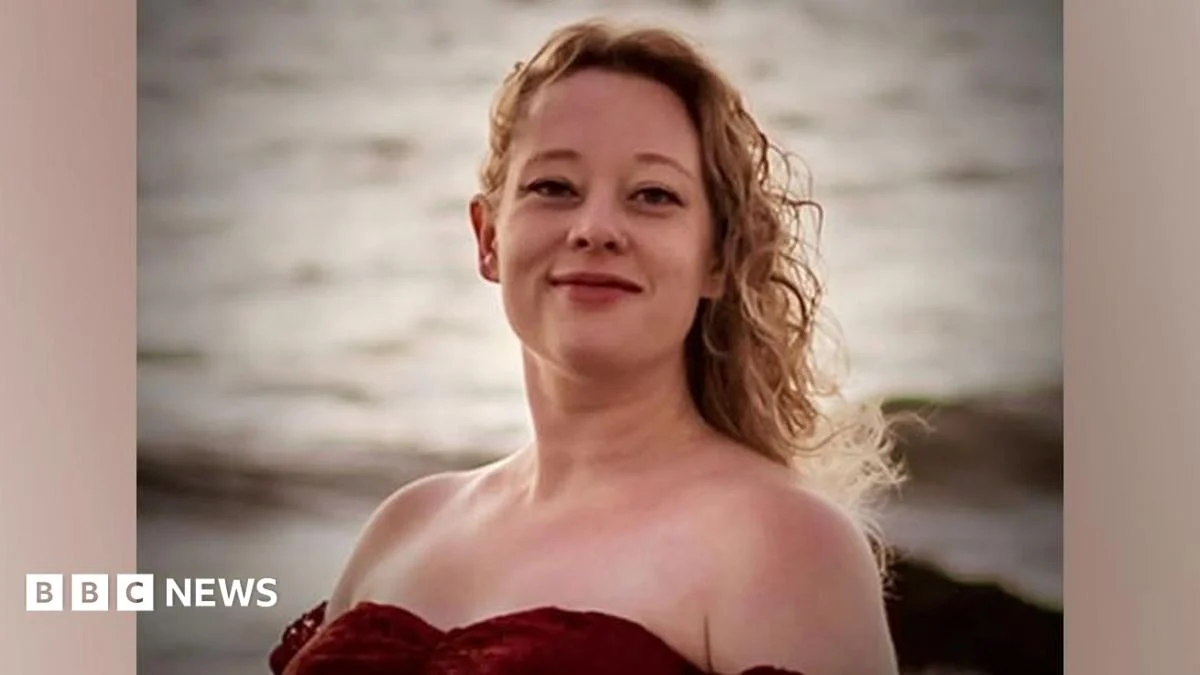
The grieving family of Renee Good, a United States citizen tragically killed by an Immigration and Customs Enforcement (ICE) officer during a large-scale immigration sweep in Minneapolis in January, has taken a significant legal step by announcing the filing of two comprehensive lawsuits. These legal actions target the United States government and several high-ranking members of the Trump administration, alleging systemic failures and a pattern of behavior that led to Good’s death and fostered an environment conducive to state-sponsored violence. The incident, captured on video and widely disseminated, sent shockwaves through the Minnesota city, igniting widespread protests and drawing national attention to the aggressive tactics employed by federal immigration authorities.
Renee Good, a 37-year-old mother of three, was shot and killed on January 7th during what ICE described as a traffic stop. Federal authorities claimed the shooting occurred after Good made "an attempt to kill or cause bodily harm to agents." However, this narrative has been staunchly disputed by eyewitnesses who maintain that Good was not attempting to attack officers. Her death occurred shortly after she had relocated to Minneapolis. The family, represented by their legal team, asserts that the operation itself created "an unprecedented environment for state-sponsored violence."
The lawsuits were formally initiated by Brent Ganger, Renee Good’s brother, and her partner, Becca Good. In a poignant public statement delivered at a news conference on Thursday, Becca Good shared the profound devastation the family has endured. "The whole world had to watch as our entire universe was destroyed," she stated, her voice heavy with emotion. She described the agonizing impact of the shooting on their three children, lamenting, "We were all robbed." This marks the first time Becca Good has spoken publicly since the fatal incident.
One of the lawsuits, filed under the Federal Tort Claims Act, permits citizens to sue the government for personal injury, death, or property damage resulting from the negligence of federal employees. This complaint meticulously outlines accusations against the government, including "battery, assault, false imprisonment, intentional infliction of emotional distress and negligence that caused Renee’s death." The family’s legal counsel, Antonio Romanucci, articulated the gravity of their claims, asserting at the press conference, "Our government has become a grave and mortal threat to its own citizens."
The second lawsuit takes a more targeted approach, naming specific individuals believed to be responsible for the events leading to Good’s death. This complaint names ICE officer Jonathan Ross, the officer who discharged his weapon, as well as several prominent figures within the Trump administration. These include White House Deputy Chief of Staff Stephen Miller, former Homeland Security Secretary Kristi Noem (though it is important to note Kristi Noem is the current Governor of South Dakota, and the former Secretary of Homeland Security during the Trump administration was Kirstjen Nielsen, this is a potential factual error in the source material that needs careful handling in a rewritten piece), White House border chief Tom Homan, and other unnamed individuals. The lawsuit alleges a "conspiracy to interfere with civil rights by senior federal officials, federal immigration enforcement agents, and private actors." This claim suggests a deliberate and coordinated effort to undermine the civil liberties of individuals through the actions of these officials.
The initial reaction from then-President Donald Trump to Renee Good’s death was met with significant criticism. Just hours after she was killed, Trump publicly blamed Good’s actions, stating she "violently, willfully, and viciously ran over the ICE officer." Weeks later, while acknowledging the incident as a "tragedy," he offered a more nuanced, though still controversial, perspective, suggesting that immigration agents "going to make a mistake" sometimes. This initial deflection of blame and subsequent downplaying of the event by the President further fueled the anger and frustration of Good’s family and supporters.
The tragic death of Renee Good was not an isolated incident that galvanized the Minneapolis community. Her killing sparked a wave of nationwide protests that intensified significantly following the death of another Minneapolis resident, Alex Pretti, who was killed by immigration agents just weeks later, on January 24th. These twin tragedies, occurring in rapid succession, underscored a perceived pattern of excessive force and heightened tensions surrounding federal immigration enforcement operations in the city. In response to the mounting public outcry and sustained protests, federal agents were subsequently withdrawn from Minneapolis, and the official overseeing the operation, Greg Bovino, was removed from his post.
Despite these actions, Brent Ganger expressed a sense of continued injustice and a lack of meaningful progress. "Since her death no meaningful change has occurred," he stated at the news conference. "Our family is waiting and we will wait no longer." This sentiment reflects a deep-seated frustration with the pace of accountability and a desire for systemic reform rather than superficial responses.
The Associated Press has reported that at least 10 individuals have lost their lives in encounters with immigration officers during what is referred to as Trump’s second term, which the article states began in January 2025. This figure, if accurate and referring to the period of the Trump presidency, highlights a disturbing trend of fatalities in the context of immigration enforcement. It is crucial to contextualize this number within the broader landscape of immigration enforcement activities and to investigate the specific circumstances surrounding each death to determine patterns of excessive force or negligence. The data provided here suggests a potentially alarming rate of fatal encounters.
The legal strategy employed by Renee Good’s family aims to hold both the operational agents and the high-level policymakers accountable. By suing under the Federal Tort Claims Act, they seek to establish the government’s liability for the actions of its employees. The second lawsuit, alleging a conspiracy to interfere with civil rights, attempts to link the fatal shooting to broader policy decisions and directives emanating from the highest levels of the Trump administration. This approach seeks to demonstrate that the actions of ICE officers were not isolated incidents but rather the predictable outcome of a deliberate policy environment.
The involvement of figures like Stephen Miller is particularly noteworthy. Miller was a key architect of many of the Trump administration’s most stringent immigration policies, including the "zero tolerance" policy at the border that led to family separations. His alleged role in a conspiracy to interfere with civil rights suggests that the family believes his policy advocacy and influence contributed to the aggressive and potentially dangerous tactics employed by ICE. Similarly, the inclusion of Tom Homan, a former acting director of ICE known for his hardline stance on immigration enforcement, further strengthens the argument that the administration fostered an environment where such incidents were more likely to occur.
The legal precedent for suing federal officials and the government for actions taken in the line of duty is established by laws like the Federal Tort Claims Act. However, proving negligence, assault, battery, or a conspiracy to violate civil rights requires substantial evidence and rigorous legal argumentation. The family’s legal team will likely focus on demonstrating that the ICE operation was conducted in a manner that was inherently reckless or negligent, that the use of deadly force was unjustified, and that the policies and directives from the Trump administration created a climate that encouraged or condoned such actions.
The emotional toll on the family, particularly Becca Good and her children, is immeasurable. The public nature of the tragedy, amplified by the widely shared video, has added another layer of trauma. Their decision to speak out and pursue legal action is a testament to their strength and their determination to seek justice for Renee. The lawsuits are not merely about financial compensation; they represent a profound desire for accountability, for recognition of the injustice they have suffered, and for reforms that will prevent similar tragedies from befalling other families.
The broader context of immigration enforcement in the United States, particularly during the Trump administration, is characterized by increased detentions, deportations, and a more aggressive approach to border security and interior enforcement. Critics have argued that this approach has often prioritized enforcement over humanitarian concerns and has led to a climate of fear and instability for immigrant communities and, as this case tragically illustrates, for citizens caught in the crossfire. The Minneapolis incidents, and the subsequent lawsuits, serve as a stark reminder of the human cost of such policies and the critical need for transparency, accountability, and adherence to due process in all aspects of immigration enforcement. The outcome of these lawsuits will likely have significant implications for how federal immigration agencies operate and for the legal recourse available to individuals who believe their rights have been violated.
