
 By admin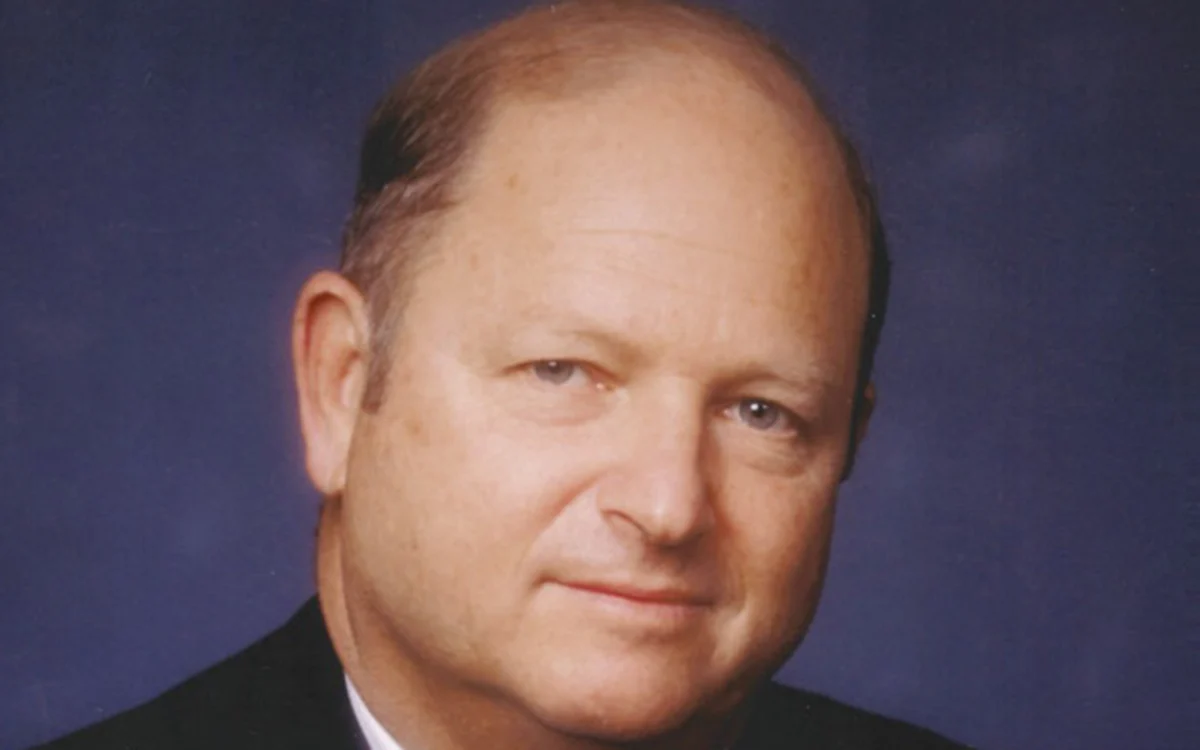
Jerry Katzman, a towering figure whose innovative approach to television packaging and development played an instrumental role in shaping the modern television landscape, passed away on August 9th at the age of 89. His prolific career, spanning decades and encompassing some of the most beloved and critically acclaimed series in broadcast history, leaves an indelible mark on the entertainment industry. Katzman was more than just an executive; he was a visionary who possessed an uncanny ability to identify compelling stories and nurture them into cultural phenomena.
Born on April 21, 1937, in the heart of Los Angeles, Katzman’s journey into the world of entertainment was a testament to his sharp business acumen and his deep understanding of storytelling. He began his professional life at the prestigious William Morris Agency, initially in business affairs, a foundational role that provided him with a comprehensive understanding of the financial and legal intricacies of the industry. It was here that he honed his skills, developing the strategic foresight that would define his career. His ascent within the agency was rapid and well-deserved, as he quickly proved his mettle, eventually rising to lead the worldwide television division, a position that allowed him to leverage his expertise on a global scale. His tenure culminated in him holding the esteemed roles of president and vice chairman, positions he held with distinction and a commitment to excellence.
Katzman’s true genius, however, lay in his mastery of "television packaging." This complex and crucial aspect of the industry involves bringing together all the essential elements of a television series – from the script and the talent to the production team and the network – into a cohesive and marketable package. His ability to orchestrate these disparate components with precision and vision was unparalleled. He didn’t just sell shows; he cultivated them, ensuring that every piece fit perfectly to create a successful whole. This strategic approach was a cornerstone of his success and fundamentally changed how television series were developed and greenlit.
Among the many groundbreaking series Katzman was instrumental in bringing to the screen, his involvement with "Roseanne" and "The Fresh Prince of Bel-Air" stands out as particularly significant. "Roseanne," a groundbreaking sitcom that dared to explore the realities of working-class American life with unflinching honesty and humor, resonated deeply with audiences and became a cultural touchstone. Katzman’s role in packaging this series was crucial in its journey from a bold concept to a ratings juggernaut. Similarly, "The Fresh Prince of Bel-Air," which launched the career of Will Smith and offered a unique blend of comedy and social commentary, was another testament to Katzman’s ability to identify projects with both broad appeal and meaningful substance.
His influence extended to other landmark shows that have become staples of television history. Katzman played a pivotal role in the packaging and success of "The Cosby Show," a series that redefined the family sitcom and broke racial barriers in primetime television. The show’s immense popularity and critical acclaim were, in part, a reflection of Katzman’s keen eye for talent and his understanding of what would connect with a diverse audience. He was also instrumental in bringing "Murphy Brown" to life, a show that tackled contemporary issues with wit and intelligence, starring Candice Bergen in an Emmy-winning role. These series, under his packaging guidance, not only achieved commercial success but also contributed significantly to the cultural conversation of their time, pushing boundaries and offering new perspectives.
Beyond his work at William Morris, Katzman’s commitment to the industry remained unwavering. He served as the president of the Hollywood Radio and Television Society (HRTS), a distinguished organization that fosters dialogue and networking among top professionals in the broadcast and cable television industries. In this capacity, he contributed to the ongoing evolution of television by facilitating important discussions and supporting the professional development of its members.
Demonstrating a passion for nurturing the next generation of talent, Katzman later transitioned into academia, sharing his wealth of knowledge and experience as a professor at UCLA’s esteemed School of Theater, Film and Television. His students benefited immensely from his practical insights, learning firsthand from a seasoned professional who had navigated the complexities of the industry at its highest levels. His ability to translate years of hands-on experience into teachable moments undoubtedly inspired countless aspiring filmmakers and television executives.
Katzman’s early career also included a fascinating foray into film production alongside his father. In the early 1970s, they collaborated on several projects, including musical films that featured iconic performers. Among these were Elvis Presley’s "Kissin’ Cousins" and "Harum Scarum," and Roy Orbison’s "Fastest Guitar Alive." He also worked on Peter Noone’s "Hold On!" This early experience in film provided him with a broader understanding of the entertainment business, from production to distribution, further enriching his perspective as he moved into television.
Jerry Katzman’s personal life was as rich and fulfilling as his professional one. He was married for an extraordinary 66 years to his beloved wife, Carol Sinn. Their enduring partnership was a source of strength and joy throughout his life. According to his obituary, "Jerry loved spending time with his kids and grandkids, and together with Carol never missed an opportunity to celebrate every birthday, anniversary, wedding, graduation and holiday." This deep commitment to family and tradition underscored the warmth and love that defined his personal relationships.
In his later years, Katzman bravely faced a struggle with Parkinson’s disease, a condition that he endured for several years. His resilience and spirit in the face of this challenge were a testament to his character. He is survived by his devoted wife, Carol; his children, Jeff, Jon, and Kari; seven cherished grandchildren; and one great-granddaughter, all of whom will carry forward his legacy of love and family.
The family requests that in lieu of flowers, donations be made to causes close to Jerry’s heart. These include the Jewish Federation in Los Angeles, an organization dedicated to supporting the Jewish community; Cedars Sinai Board of Governors, a vital component of a leading medical institution; and the UCLA Parkinson’s Center, specifically to support the work of Dr. Jeff Bronstein and Jessica Vrazilek, who were instrumental in his care. These contributions will ensure that his commitment to community and medical advancement continues.
A memorial service to celebrate the life and legacy of Jerry Katzman was held on August 13th at Hillside Memorial Park, located at 6001 W. Centinela Ave, Los Angeles. The service commenced at noon, drawing together friends, family, and colleagues to honor a man who left an immeasurable impact on the world of entertainment and on the lives of those who knew him. His passing marks the end of an era, but his contributions to television will continue to entertain and inspire for generations to come. Jerry Katzman’s story is one of vision, dedication, and a profound ability to bring compelling narratives to life, solidifying his place as a true architect of modern television.
