
 By Titik Puspa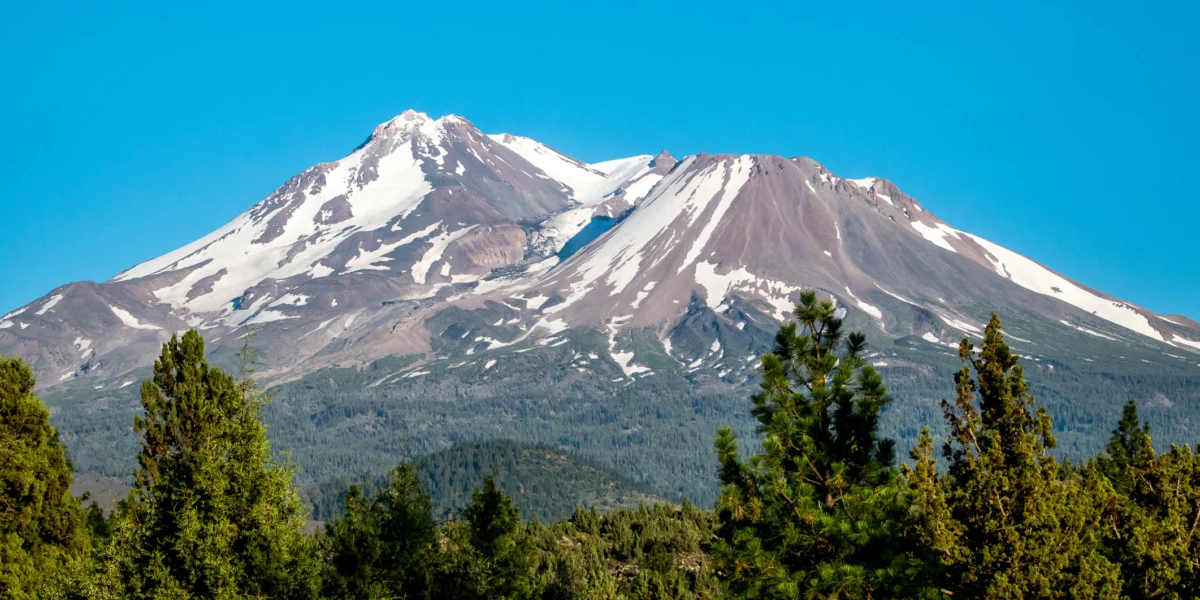
Three hikers found themselves in a precarious situation on California’s iconic Mount Shasta this week, requiring a dramatic rescue after their expedition, planned with the assistance of Google’s artificial intelligence chatbot, Gemini, took a perilous turn. The incident, detailed in a report from the Siskiyou County Sheriff’s Office and reported by the Chicago Tribune, highlights a growing reliance on AI for information and planning, while simultaneously underscoring the critical need for human judgment and established safety protocols in high-risk outdoor activities.
The trio, described as young men, embarked on their ambitious climb in the pre-dawn hours, setting out at 3 a.m. Mount Shasta, a stratovolcano renowned for its challenging terrain and unpredictable weather, demands meticulous preparation and adherence to established guidelines. A common recommendation for hikers aiming for the summit is to reach their turnaround point by noon. This critical time window is established to allow ample daylight for a safe descent, mitigating the significant risks associated with navigating treacherous trails in darkness. However, these hikers, deviating significantly from this crucial advice, did not reach the summit until a staggering 7 p.m. This delay of eleven hours past the recommended turnaround time meant they were facing a descent in complete darkness, a scenario that drastically amplifies the potential for missteps, injuries, and disorientation.
The consequences of their prolonged ascent and late start quickly became apparent. Attempting to descend Mount Shasta under the cloak of night, the hikers found themselves lost and disoriented. In their desperation, they contacted the Siskiyou County Sheriff’s Office, seeking directions. The call for help initiated a multi-agency rescue operation, underscoring the seriousness of their predicament. Forced to spend the night in the unforgiving terrain of Mud Creek Canyon, the hikers endured a cold and potentially dangerous night before being located and rescued the following morning by a coordinated effort involving dedicated Forest Service rangers and a team of skilled volunteers. The successful rescue, while a testament to the bravery and expertise of the emergency responders, also served as a stark reminder of the potential pitfalls of venturing into such demanding environments without adequate foresight and preparation.
While the precise degree to which Gemini should bear responsibility for the hikers’ poor decisions remains a subject of debate, the Sheriff’s Office report offers a critical insight into the AI’s influence. The report specifically states that the hikers "were advised by Gemini to bring far less food and water than their group required." This recommendation proved to be particularly problematic given that their planned eight-hour ascent stretched into an ordeal that extended beyond a single day, requiring an overnight stay and significantly increasing their caloric and hydration needs. The AI’s failure to accurately anticipate the extended duration of the hike and its corresponding resource requirements is a significant concern, especially in a wilderness setting where the consequences of such miscalculations can be severe.
The Sheriff’s Office, in its statement, issued a clear and unequivocal warning to future Mount Shasta adventurers. "It is always advisable to call the local USFS Mount Shasta ranger station ahead of your trip to ensure you have the most accurate information, and to never rely solely on AI for your trip planning," the statement emphatically declared. This advice is rooted in decades of experience and a deep understanding of the specific challenges presented by Mount Shasta. Ranger stations are staffed by individuals with intimate knowledge of current trail conditions, weather patterns, potential hazards, and the most up-to-date safety recommendations. This localized and human-curated information often surpasses the capabilities of AI, which relies on vast datasets that may not always reflect the dynamic and nuanced realities of a specific mountain environment.
The incident raises broader questions about the burgeoning role of artificial intelligence in guiding human endeavors, particularly those involving inherent risks. Gemini, like other advanced AI models, is trained on an immense corpus of text and data, enabling it to generate human-like text, translate languages, write different kinds of creative content, and answer your questions in an informative way. In theory, this vast knowledge base should make it a powerful tool for planning complex activities. However, the Mount Shasta rescue serves as a potent case study demonstrating the limitations of current AI when applied to situations that require real-time situational awareness, an understanding of subjective risk tolerance, and the ability to adapt to unforeseen circumstances.
Mount Shasta, standing at an elevation of 14,179 feet, is a prominent landmark in Northern California and a popular destination for hikers, climbers, and spiritual seekers. Its allure lies in its majestic beauty, its diverse ecosystems, and the profound sense of accomplishment that reaching its summit can provide. However, the mountain is also a formidable challenge. The sheer elevation gain, the often-harsh weather conditions that can change rapidly, the presence of snow and ice even in warmer months, and the rugged, rocky terrain all contribute to its demanding nature. Popular routes, such as the Avalanche Gulch trail, are considered strenuous and require a good level of physical fitness, mountaineering experience, and appropriate gear. The technical aspects of climbing, especially as one ascends to higher altitudes, can involve navigating scree fields, crossing snowfields, and potentially dealing with icy patches.
The recommended turnaround time of noon is not an arbitrary guideline. It is a critical safety measure born from hard-won experience and an understanding of the mountain’s behavior. By this time, the sun has typically reached its zenith, and the risks associated with descending in fading light are significantly reduced. Furthermore, afternoon weather patterns on Mount Shasta can be notoriously volatile, with thunderstorms and whiteout conditions capable of developing quickly. A timely descent ensures that hikers are off the most exposed and challenging sections of the mountain before these potentially dangerous conditions materialize.
The hikers’ decision to continue their ascent well past the recommended turnaround time, and their subsequent attempt to descend in darkness, demonstrates a critical lapse in judgment. While the AI’s advice regarding food and water is concerning, it is also important to acknowledge the hikers’ agency in their choices. The allure of reaching the summit, especially after a long and arduous climb, can sometimes override caution. This psychological aspect of high-risk activities is something that AI, in its current form, struggles to fully comprehend or account for.
The Siskiyou County Sheriff’s Office plays a vital role in ensuring the safety of those who venture into the wilderness of their jurisdiction. Their search and rescue operations are often carried out by highly trained professionals and dedicated volunteers who put their own lives at risk to save others. The resources and expertise required for such operations are substantial, and preventable incidents like this place an unnecessary burden on these critical services. The Sheriff’s Office’s directive to contact the local USFS Mount Shasta ranger station is not merely a suggestion; it is a vital piece of advice based on their direct experience with the mountain and its inherent dangers.
The US Forest Service Mount Shasta Ranger Station is a crucial resource for anyone planning a trip to the mountain. They provide essential information on trail conditions, weather forecasts specific to the mountain, permit requirements, and safety recommendations. Their staff are experts in mountain safety and can offer personalized advice tailored to the specific needs and experience level of hikers and climbers. This direct, human-to-human interaction allows for a more nuanced and comprehensive understanding of the risks involved, as well as the development of a personalized safety plan.
The incident also prompts a broader discussion about the ethical implications of AI-generated advice, particularly in high-stakes scenarios. As AI becomes more sophisticated and integrated into our daily lives, the question of accountability when things go wrong becomes increasingly important. While Gemini may not have intended for its advice to lead to a rescue, the fact remains that its recommendations contributed to the hikers’ predicament. This raises questions about the responsibility of AI developers and the need for robust testing and validation of AI systems before they are deployed in safety-critical applications.
The future of AI in outdoor adventure planning is likely to be a collaborative one. AI can be an invaluable tool for initial research, providing general information about routes, equipment, and weather patterns. It can help users compile lists of necessary gear, suggest potential itineraries, and offer basic safety tips. However, it should serve as a supplementary tool, not a primary decision-maker. The human element – critical thinking, risk assessment, adherence to established safety protocols, and consultation with local experts – must remain paramount.
In conclusion, the Mount Shasta rescue, while a positive outcome in terms of the hikers’ survival, serves as a significant cautionary tale. It underscores the irreplaceable value of human judgment, the importance of heeding expert advice from local authorities, and the inherent limitations of artificial intelligence when it comes to navigating the complex and often unforgiving realities of the natural world. As technology continues to advance, it is imperative that we approach its integration into our lives with a balanced perspective, ensuring that it enhances, rather than compromises, our safety and well-being, especially when venturing into the wild. The mountains, with their inherent beauty and challenges, demand respect, preparation, and a healthy dose of human wisdom.
