
 By Titik Puspa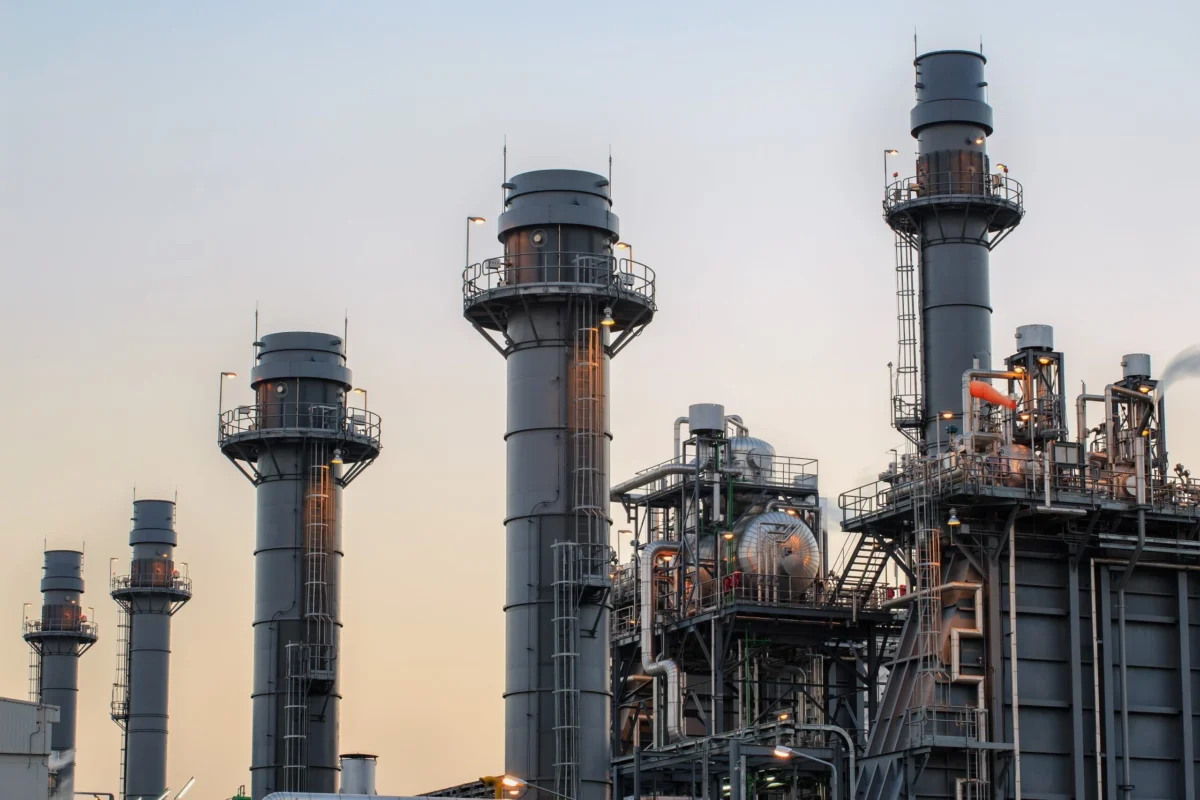
In a development that casts a significant shadow over corporate climate commitments, Amazon is constructing a massive on-site power plant in Pecos County, Texas, to fuel a new data center. This facility, intended to be a cornerstone of Amazon’s expanding digital infrastructure, is projected to become the single largest source of climate pollution in the United States, according to a report by The New York Times. The scale of the proposed operation raises urgent questions about the efficacy of corporate environmental pledges and the true cost of the accelerating demand for artificial intelligence and digital services.
The New York Times report details that the Pecos County power plant is designed to burn natural gas and has been permitted to release an astonishing 33 million tons of carbon dioxide annually. This figure dwarfs the emissions of any other existing power plant in the U.S., highlighting the monumental environmental impact of this single project. This level of pollution is particularly concerning given the global urgency to decarbonize energy systems and mitigate the escalating climate crisis. The choice to rely on natural gas, a fossil fuel, for such a colossal operation directly contradicts the stated goals of many technology companies, including Amazon, to achieve net-zero emissions.
Amazon, in response to these revelations, issued a statement confirming the on-site generation for its data center. A spokesperson stated, "The data center will be powered by new on-site generation that won’t raise electricity costs for Texas families." While this addresses a potential concern for local residents regarding energy prices, it sidesteps the broader environmental implications. The spokesperson’s assurance about electricity costs is particularly interesting as data centers, by their very nature, are incredibly energy-intensive. The rapid growth in demand for data processing, driven by AI and other digital services, has led to a surge in data center construction. This surge has also drawn increasing scrutiny and political opposition in various regions, with concerns often centering on their substantial energy consumption and its impact on local power grids and, consequently, electricity costs. For example, New York State has recently seen significant opposition to new data center developments, leading to construction halts in some areas due to these very concerns.
The timing of this announcement is particularly poignant given Amazon’s public commitments to environmental sustainability. The company is a co-founder of The Climate Pledge, an initiative that commits signatories to achieve net-zero carbon emissions by 2040. However, recent data suggests that Amazon’s carbon emissions have been moving in the wrong direction. The company itself reported a 16% increase in carbon emissions last year, a statistic that stands in stark contrast to its ambitious climate goals. This upward trend is largely attributed to the burgeoning demand for artificial intelligence, which requires vast computational power and, consequently, significant energy to operate the data centers that house the necessary hardware.
The Pecos County power plant is not an isolated incident but rather part of a larger trend within the tech industry. Many major technology companies, including Amazon and Google, are investing heavily in the development of enormous natural gas plants to power their ever-expanding data centers. This strategy raises critical questions about the industry’s true commitment to decarbonization and the sustainability of its growth model. The spokesperson’s comment that "The world looks different now than when we co-founded the climate pledge" while simultaneously asserting, "Our commitment hasn’t changed" reveals a potential disconnect or a reinterpretation of what those commitments entail in the face of evolving technological demands and environmental realities.
To fully grasp the magnitude of this situation, it is crucial to understand the energy requirements of modern data centers, especially those supporting AI. Data centers are essentially massive warehouses filled with servers, storage devices, and networking equipment that continuously process and store vast amounts of data. This hardware generates immense heat, necessitating powerful cooling systems, which also consume significant energy. AI, in particular, is characterized by computationally intensive training and inference processes that demand even more processing power and, therefore, more electricity. A single large language model, for instance, can consume as much energy in a single training run as hundreds of households do in a year.
The decision to build a dedicated natural gas power plant rather than relying on renewable energy sources or purchasing renewable energy credits (RECs) is a significant point of contention. While natural gas is often touted as a "bridge fuel" to a cleaner energy future, its extraction and combustion still release substantial amounts of greenhouse gases, including methane, a potent greenhouse gas with a much higher warming potential than carbon dioxide over shorter timescales. The projected 33 million tons of CO2 emissions per year from the Pecos County plant represent a substantial portion of the total emissions from the U.S. power sector, which is already a major contributor to national greenhouse gas output.
Furthermore, the location of the plant in Pecos County, Texas, is noteworthy. Texas is a leading state in both oil and gas production and renewable energy development, particularly wind and solar. However, the state’s energy grid, the Electric Reliability Council of Texas (ERCOT), has faced significant challenges in recent years, most notably during the 2021 winter storm that led to widespread power outages. The addition of a massive, energy-intensive data center and its dedicated power plant places additional demands on this already stressed grid, even if it is designed for on-site generation. The long-term implications for grid stability and the potential for reliance on fossil fuels during peak demand periods remain areas of concern.
Environmental advocacy groups have expressed alarm at Amazon’s plans. Sarah Jenkins, a senior policy analyst at the Environmental Defense Fund, commented, "This project is a wake-up call. While companies like Amazon are making pledges, their actions on the ground must align with those promises. Building the largest single source of climate pollution in the U.S. is antithetical to climate action. We need to see a rapid and decisive shift towards truly renewable energy sources for these power-hungry operations." She further elaborated, "The argument that this won’t raise electricity costs for Texas families is a short-term perspective. The long-term costs of unchecked climate change, exacerbated by such massive emissions, will far outweigh any immediate savings on electricity bills."
The International Energy Agency (IEA) has consistently highlighted the growing energy consumption of data centers and the critical need for energy efficiency and renewable energy integration. Their reports indicate that the energy demand from data centers has been steadily increasing, and without significant interventions, this trend is projected to continue. The IEA has also emphasized the importance of grid modernization and the deployment of smart technologies to manage this growing demand more effectively and sustainably. The Amazon project, therefore, stands at a crossroads of technological advancement and environmental responsibility, and its outcome will likely serve as a bellwether for the broader industry.
The concept of "new on-site generation" also warrants closer examination. While it might imply a new source of power, the reliance on natural gas suggests it is not a decarbonized source. The company’s assertion that this power won’t raise electricity costs for Texas families might be true in a direct billing sense, but the broader societal costs associated with climate change – increased extreme weather events, health impacts from air pollution, and the economic disruption of a warming planet – are externalities that are not factored into such statements.
The spokesperson’s acknowledgement that "The world looks different now than when we co-founded the climate pledge" could be interpreted in several ways. It might reflect a recognition of the sheer scale of the AI boom and its associated energy demands, which perhaps were not fully anticipated when the pledge was initially made. Alternatively, it could signal a subtle recalibration of priorities, where the rapid expansion of AI-driven services is being prioritized, with climate commitments being re-evaluated in light of these new economic imperatives. However, the simultaneous claim that "Our commitment hasn’t changed" creates an inherent tension that requires further clarification and demonstrable action to reconcile.
The development in Pecos County is more than just a local energy project; it is a microcosm of the global challenge of balancing technological progress with environmental stewardship. As AI continues to reshape industries and daily life, the energy infrastructure required to support it must be fundamentally sustainable. The current trajectory, as exemplified by Amazon’s Pecos County plant, suggests a heavy reliance on fossil fuels, which is a recipe for exacerbating the climate crisis. The industry and companies like Amazon face immense pressure to innovate not only in their AI capabilities but also in their energy strategies, moving decisively towards truly renewable and low-carbon solutions to power the digital future. The coming years will reveal whether corporate climate pledges are robust enough to withstand the gravitational pull of immense technological growth, or if they will become mere footnotes in the accelerating story of global warming.
