
 By Titik Puspa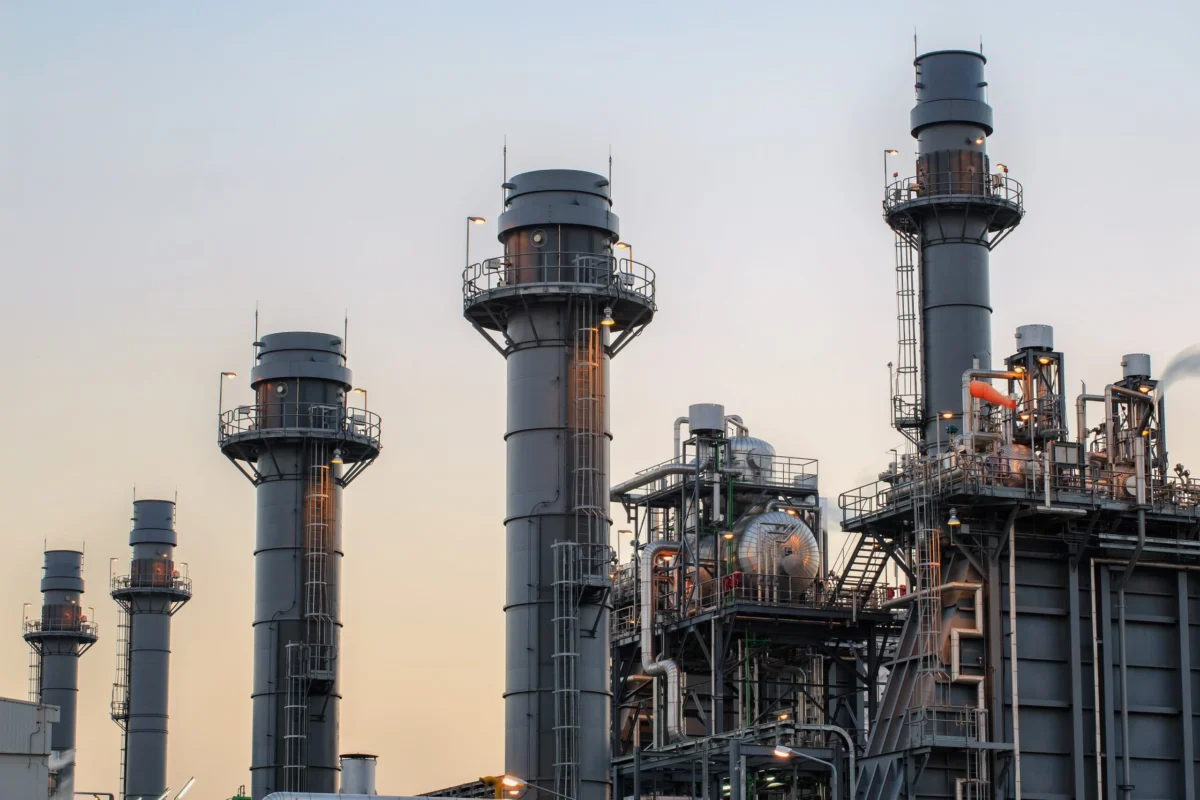
A significant investment by e-commerce and cloud computing giant Amazon in a new data center in Pecos County, Texas, has drawn sharp criticism and raised alarms about its potential environmental impact. At the heart of the controversy is a planned on-site power plant designed to fuel the massive facility, which, according to a report by The New York Times, could become the single largest source of climate pollution in the United States. The scale of this proposed operation and its implications for Amazon’s sustainability commitments are prompting a critical re-examination of the environmental costs associated with the rapidly expanding digital infrastructure that underpins modern technology.
The New York Times report details that the power plant is slated to burn natural gas, a fossil fuel, and has been granted permits to release an astonishing 33 million tons of carbon dioxide (CO2) annually. To put this figure into stark perspective, this emission level would surpass that of any other power plant currently operating in the U.S. This revelation comes at a time when global efforts to combat climate change are intensifying, and corporations are facing increasing scrutiny over their environmental footprints. The prospect of a new facility contributing such a substantial amount of greenhouse gas emissions directly challenges the broader narrative of technological advancement as a purely positive force, highlighting the hidden environmental toll of our increasingly digital lives.
In response to these concerns, an Amazon spokesperson issued a statement confirming the company’s intention to power the data center with "new on-site generation that won’t raise electricity costs for Texas families." This statement attempts to assuage immediate economic anxieties of local residents, but it sidesteps the core environmental issue. The rationale behind on-site power generation for data centers is often rooted in the need for reliable, high-capacity energy to meet the voracious demands of computing operations. However, the choice of a natural gas-fired plant raises questions about Amazon’s prioritization of emission reduction strategies. Data centers, by their very nature, are energy-intensive facilities, requiring constant and substantial power to operate servers, cooling systems, and other critical infrastructure. The escalating demand for data processing, fueled by the proliferation of cloud computing, artificial intelligence (AI), and the internet of things (IoT), has led to a surge in the construction of these facilities worldwide.
The broader context of data center development reveals a growing trend of political and social opposition. These facilities are increasingly facing pushback for a multitude of reasons, including their significant electricity consumption, which can strain local power grids and potentially lead to higher energy prices for consumers. Furthermore, the environmental impact of their construction and operation, including water usage for cooling and the carbon emissions from power generation, are becoming major points of contention. In New York State, for instance, the construction of new data centers has faced a moratorium due to concerns about their impact on the state’s energy infrastructure and environmental goals. This suggests a growing awareness and sensitivity among policymakers and the public regarding the true cost of the digital economy.
Amazon’s own sustainability journey adds another layer of complexity to this issue. The company is a co-founder of The Climate Pledge, a commitment to achieve net-zero carbon emissions by 2040. However, recent reports indicate that Amazon’s carbon emissions have been on the rise, increasing by 16% last year. This trend is particularly concerning given the company’s ambitious climate goals. The escalating demand for AI services is a significant driver of this increase. AI technologies, while offering transformative potential, are notoriously power-hungry, requiring vast computational resources that translate into substantial energy consumption.
The current situation with the Texas data center and its associated power plant appears to be a direct manifestation of this burgeoning challenge. Amazon and other major tech companies are increasingly backing the development of large-scale natural gas plants to meet the escalating energy needs of their power-hungry data centers. This strategy, while offering a seemingly immediate solution to energy supply, runs counter to the imperative of decarbonization. Natural gas, while often touted as a "cleaner" fossil fuel compared to coal, still produces significant greenhouse gas emissions, including methane, a potent warming agent. The long-term implications of relying on fossil fuel infrastructure to power the future of technology are a serious concern for climate scientists and environmental advocates.
In response to the growing criticism, the Amazon spokesperson offered a nuanced perspective, stating, "The world looks different now than when we co-founded the climate pledge," while simultaneously asserting, "Our commitment hasn’t changed." This statement acknowledges the evolving landscape of technology and its environmental implications but struggles to reconcile the company’s actions with its stated commitments. The "different world" likely refers to the rapid advancements and widespread adoption of AI, which have amplified energy demands. However, the assertion that their "commitment hasn’t changed" rings hollow when juxtaposed with the decision to build what could be the largest source of U.S. climate pollution. It raises questions about how Amazon defines and intends to achieve its net-zero goals in the face of these new realities.
The decision to build a natural gas power plant of this magnitude in Pecos County is not an isolated incident but rather a symptom of a larger, systemic challenge facing the tech industry. The insatiable appetite of data centers for electricity is a critical bottleneck in the transition to a sustainable digital future. While renewable energy sources like solar and wind are becoming increasingly cost-competitive and widely available, their intermittent nature requires robust grid infrastructure and energy storage solutions. For large-scale operations like Amazon’s data centers, which demand a constant and reliable power supply, on-site generation, even if powered by fossil fuels, can be seen as a more immediate and dependable solution. However, this approach risks locking in carbon-intensive infrastructure for decades to come, potentially undermining climate targets.
Experts in energy policy and environmental science have voiced significant concerns. Dr. Anya Sharma, a climate policy analyst at the Global Environmental Institute, commented, "This development in Texas is a deeply troubling indicator of where we are heading if we don’t prioritize true decarbonization in our digital infrastructure. While the convenience and innovation offered by data centers are undeniable, we cannot afford to ignore the profound environmental cost. The reliance on natural gas, even for a limited time, is a step in the wrong direction when the urgency of the climate crisis demands immediate and drastic emission reductions."
The economic arguments presented by Amazon, suggesting that the on-site generation will not burden Texas families with higher electricity costs, warrant further scrutiny. While direct increases in household electricity bills might be avoided, the broader societal costs of increased carbon emissions, including climate change impacts such as extreme weather events and public health issues, are ultimately borne by everyone. Moreover, the long-term economic viability of fossil fuel-dependent infrastructure is increasingly being questioned as the world transitions towards cleaner energy alternatives. Investing heavily in natural gas now could represent a significant financial risk in the future, as regulatory pressures and market forces shift towards renewable energy.
The location in Pecos County, Texas, is also noteworthy. West Texas is a hub for oil and gas production, and the region’s energy infrastructure is heavily oriented towards fossil fuels. This geographic context may have influenced Amazon’s decision-making, potentially offering easier access to natural gas and existing energy infrastructure. However, it also places the environmental burden of this large-scale pollution source in a region that may already be grappling with the impacts of resource extraction.
The implications for Amazon’s reputation and its leadership in corporate sustainability are significant. The company has invested considerable effort in promoting its environmental initiatives and its commitment to The Climate Pledge. This new development risks undermining that carefully cultivated image and could be seen as a betrayal of its stated values. Critics argue that Amazon, with its immense resources and influence, has a responsibility to lead by example and to invest in cutting-edge, sustainable energy solutions, rather than opting for conventional, carbon-intensive technologies.
The debate over the Texas data center highlights a critical tension between technological progress and environmental responsibility. As our reliance on digital services continues to grow, so too does the demand for the infrastructure that powers them. Finding sustainable solutions for powering data centers is no longer a secondary concern; it is a fundamental imperative for achieving climate goals. The choices made by companies like Amazon today will have long-lasting consequences for the planet’s future. The company’s statement about the world looking "different now" might be an acknowledgment of this complexity, but it needs to be accompanied by concrete actions that demonstrate a genuine commitment to a low-carbon future, not just a continuation of business as usual with a different justification. The development in Pecos County presents a stark warning: without a fundamental shift in how we power our digital world, the very technologies that promise to improve our lives could inadvertently exacerbate the climate crisis.
