
 By admin
The landscape of international premium travel underwent a seismic shift in 2025 when American Airlines officially introduced its long-awaited Flagship Suite. Originally launched on newly delivered Boeing 787-9 Dreamliners, this product represented a total departure from the carrier’s previous cabin philosophies. Featuring sliding privacy doors, fully lie-flat beds with ergonomic enhancements, and a suite of next-generation technological integrations, the Flagship Suite was immediately hailed as the most sophisticated and luxurious business-class offering in the airline’s storied history. However, for the first year of its existence, the product remained an elusive luxury, restricted to a handful of factory-fresh airframes. That era of scarcity is now coming to an end.
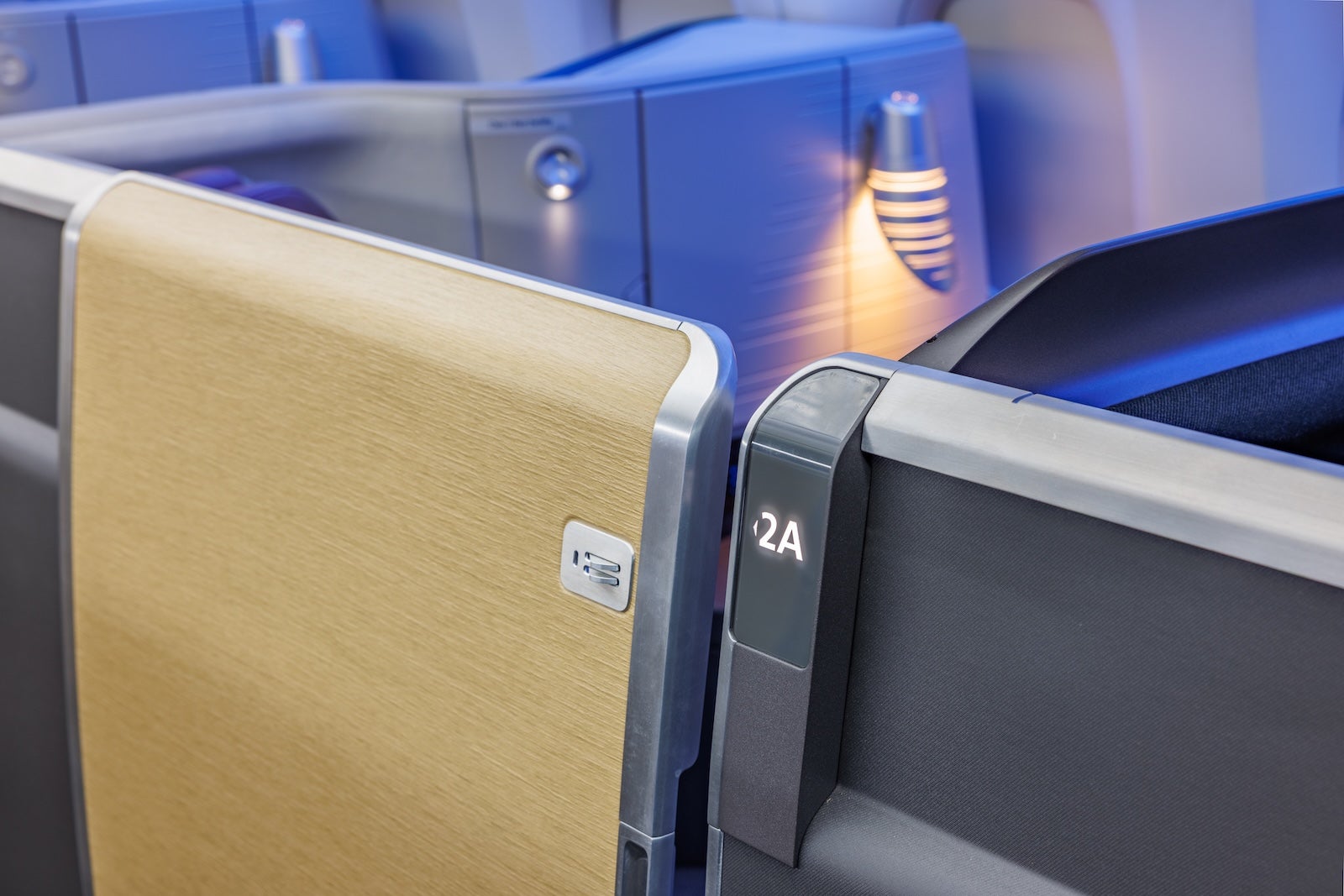
This week, American Airlines reached a pivotal milestone in its fleet modernization strategy by debuting the new Flagship Suite on its first retrofitted Boeing 777-300ER. As the largest aircraft in the American fleet, the 777-300ER—often referred to by its aviation shorthand "77W"—serves as the flagship of the carrier’s long-haul operations, connecting major hubs like Dallas/Fort Worth and New York to global financial and cultural capitals. The introduction of this suite on an existing airframe signals the beginning of an aggressive, multi-year overhaul that will eventually see the carrier’s entire widebody fleet aligned under a unified, premium-heavy cabin standard.
The decision to retrofit the 777-300ER is more than just a cosmetic upgrade; it represents a fundamental change in how American Airlines categorizes international luxury. For over a decade, the 77W was the only aircraft in the American fleet—and the only one operated by a major U.S. carrier—to offer a dedicated three-class international configuration, including a true Flagship First cabin. With this retrofit, American has officially retired the Flagship First brand on this aircraft type, opting instead to expand its business-class footprint and introduce a more segmented, high-end experience within the business cabin itself.
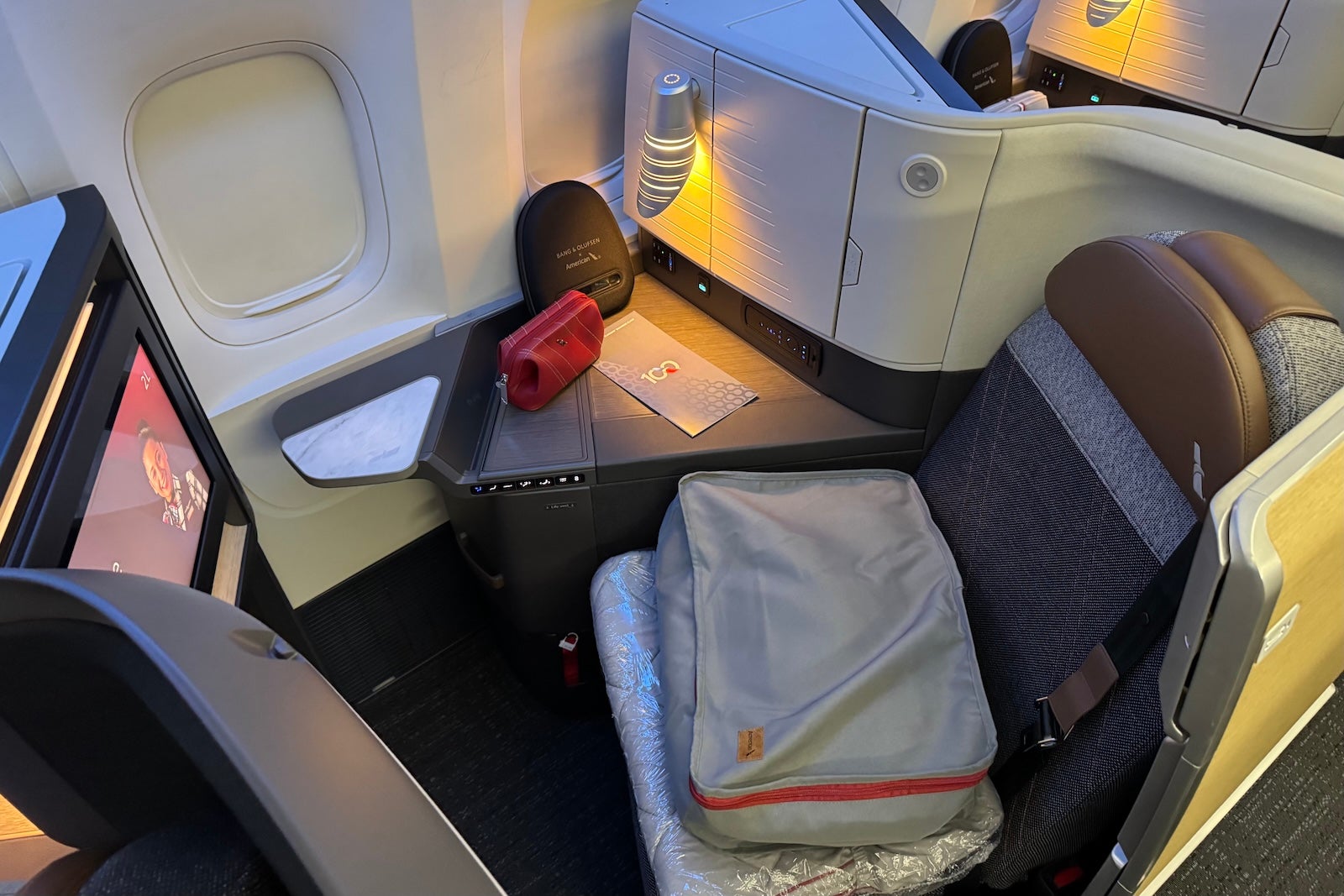
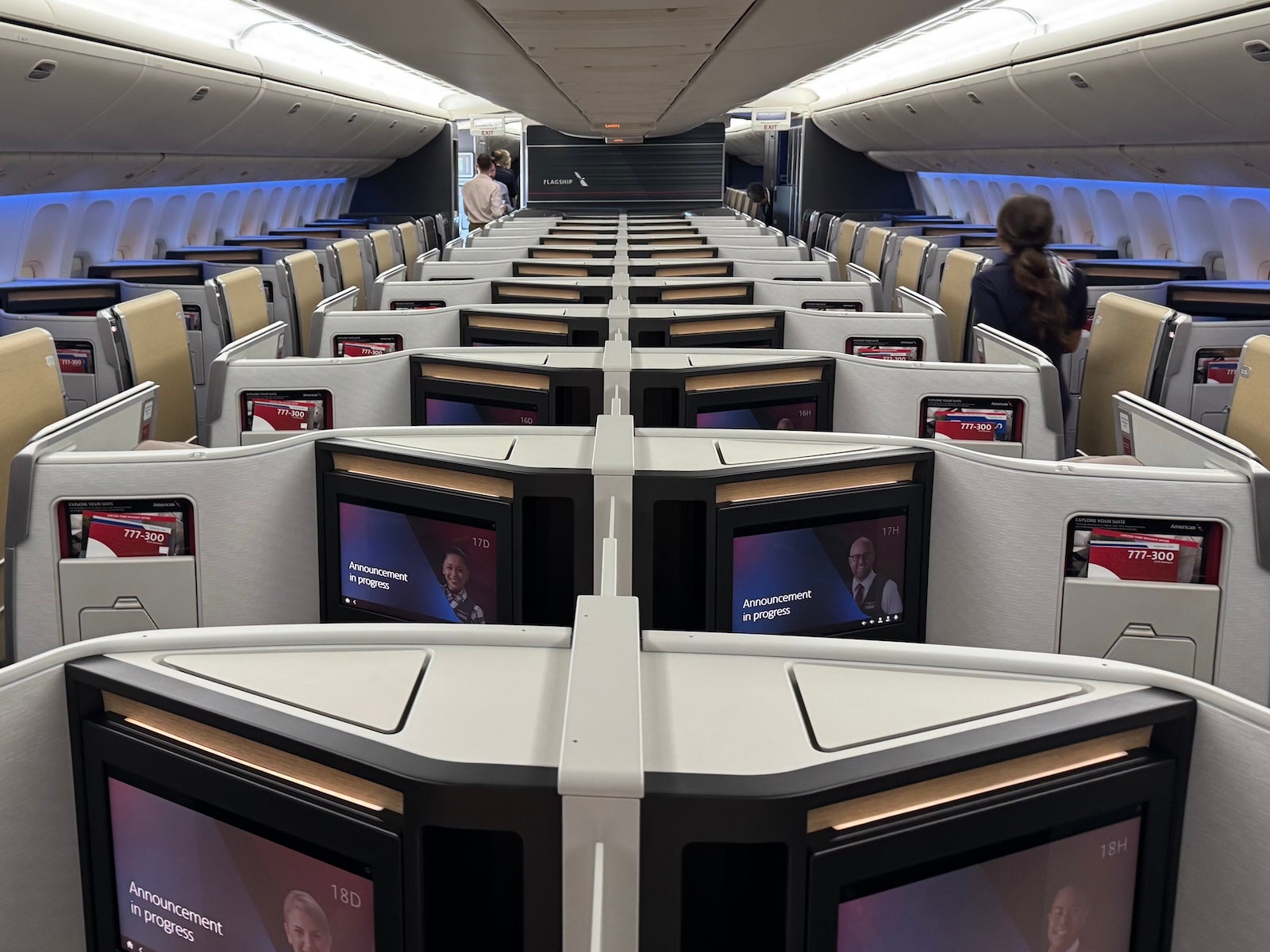
The removal of the eight-seat First Class cabin has allowed American to significantly increase its premium seat density. The previous configuration featured 60 lie-flat seats (8 in First and 52 in Business). The new, retrofitted layout boasts a staggering 70 Flagship Suites, all of which feature direct aisle access and sliding doors. This 16% increase in lie-flat capacity is a direct response to the surging demand for "premium leisure" travel, a market segment that has remained robust even as traditional corporate travel patterns evolved following the global pandemic. By ditching the niche First Class product in favor of a vastly superior and more numerous business-class suite, American is positioning itself to capture higher revenue per flight on its most competitive routes.
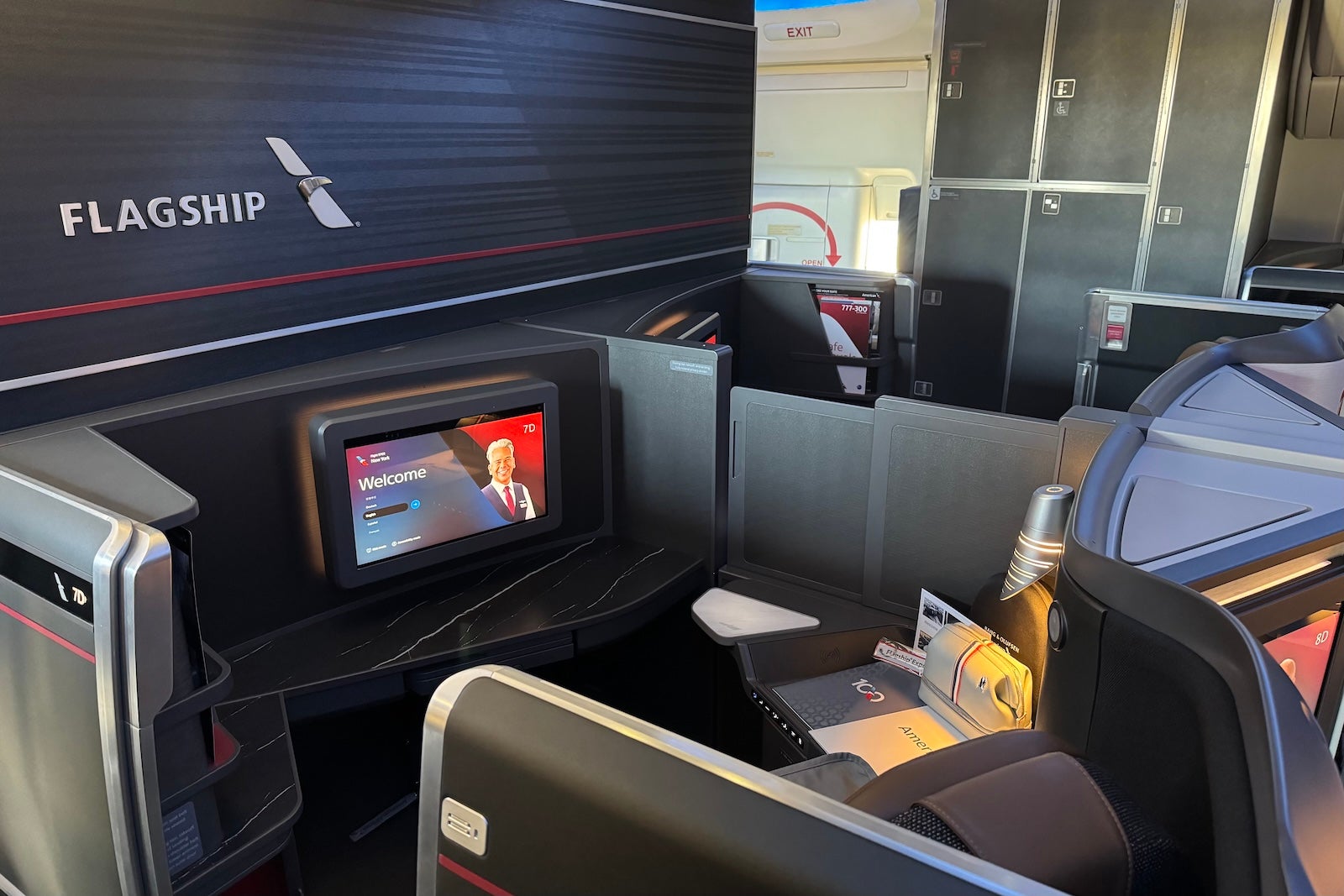
At the heart of this transformation is the Flagship Suite itself, a product developed in partnership with Adient Aerospace. The suites are arranged in a 1-2-1 configuration, ensuring that every passenger enjoys the autonomy of direct aisle access. The most striking feature is the floor-to-ceiling (or near-ceiling) sliding door, which addresses the modern traveler’s primary demand: privacy. Inside the suite, the design language is one of understated elegance, utilizing a palette of deep slates, warm wood tones, and soft-touch fabrics.
Functionality has been prioritized alongside aesthetics. Each suite is equipped with a versatile cocktail tray, a dedicated storage locker for personal items, and multiple power sources, including AC outlets, USB-A, and USB-C ports. Perhaps most notably, the suite includes an integrated wireless charging pad, a feature that is rapidly becoming a benchmark for top-tier international carriers. The lighting is equally customizable, featuring a stylish bedside lamp, adjustable reading lights, and ambient "mood" lighting that can be tailored to the phase of flight.
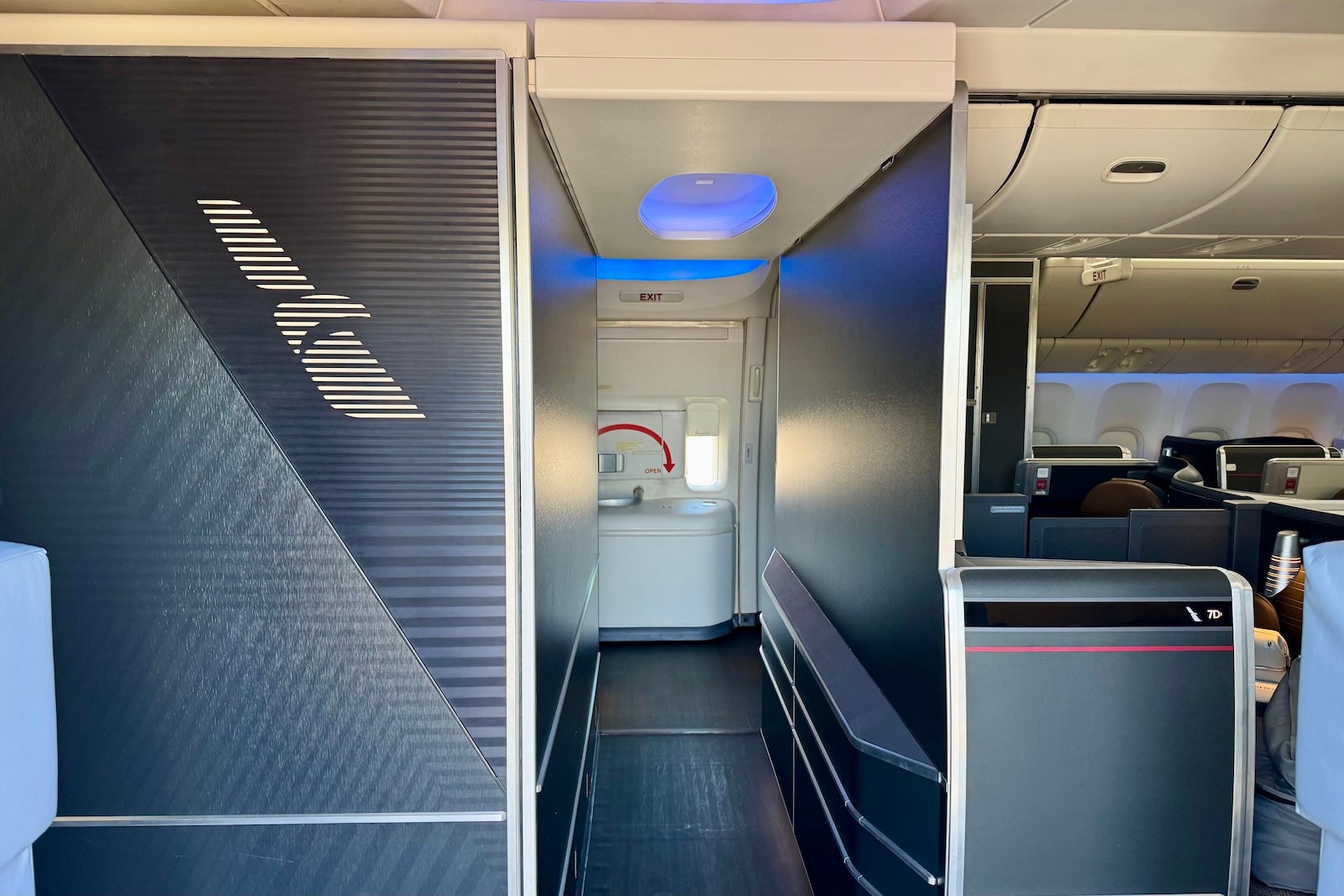
For travelers seeking the absolute pinnacle of the American Airlines experience, the airline has introduced the "Flagship Suite Preferred." Occupying the first row of each business cabin (the bulkhead seats), these eight specific suites offer significantly more real estate than the standard versions. American claims these "Preferred" pods offer 19% more bed space and a 42% increase in "living area." The extra space is achieved by utilizing the footprint usually reserved for the aircraft’s monuments and galleys, creating a suite that feels more like a private office or a small boutique hotel room than an airplane seat.
During a recent media flight from Dallas/Fort Worth International Airport (DFW) to New York’s John F. Kennedy International Airport (JFK), the utility of the Preferred suite was on full display. The expansive side consoles and increased footwell space allowed for a dual-laptop workstation setup that remains impossible in standard business-class configurations. While these seats come at a price premium—either through a direct cash upsell or as a perk for top-tier AAdvantage status members—they represent a clever way for American to monetize the "extra" space inherent in bulkhead rows, effectively creating a "Business Plus" tier that bridges the gap left by the departing First Class.
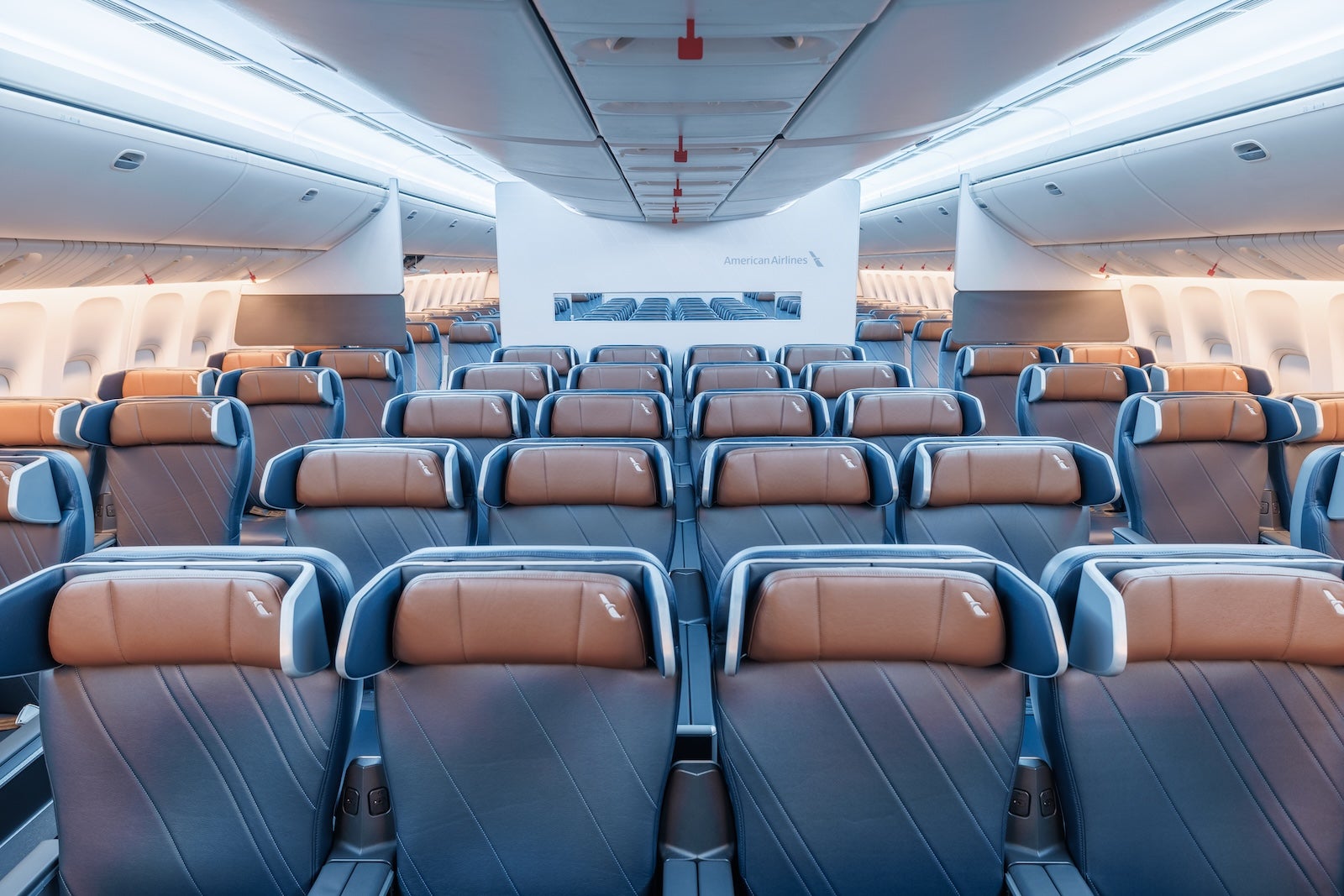
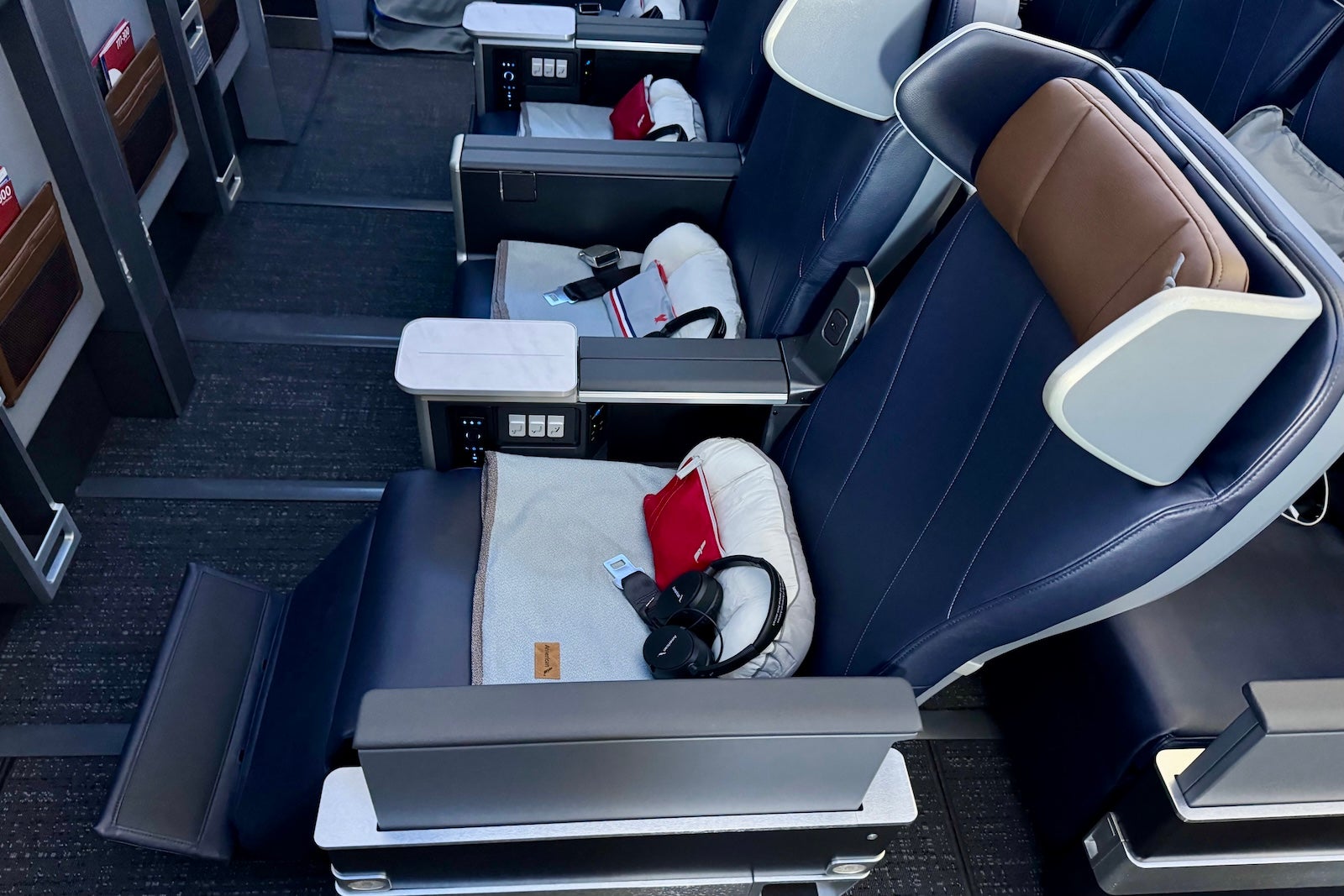
The upgrades extend well beyond the business-class curtain. The retrofitted 777-300ER now features the largest Premium Economy cabin offered by any U.S. airline. With 44 seats arranged in a 2-4-2 configuration across five and a half rows, this cabin is designed to capture travelers who want to upgrade from coach without the four-figure price jump to a suite. These seats are akin to domestic first-class recliners but with significant long-haul enhancements. Each seat includes "privacy wings" on the headrest, an adjustable calf rest, a footrest, and—crucially—a wireless charging pad integrated into the armrest.
Even in the Main Cabin, the "glow-up" is palpable. Economy passengers now benefit from the same high-end tech stack found in the front of the plane. Every seat is equipped with a 4K high-definition seatback screen, which supports Bluetooth audio pairing, allowing passengers to use their own noise-canceling headphones rather than the standard-issue airline earbuds. Furthermore, the 777-300ER has been outfitted with high-speed satellite Wi-Fi that is free for all AAdvantage members. This move is a strategic play to drive loyalty program enrollment and mirrors similar successful initiatives by rivals like Delta Air Lines.
The aesthetic overhaul of the aircraft is completed by a new "brand portal" at the boarding door. Passengers are now greeted by a sleek, backlit American Airlines logo and a refreshed cabin entryway that sets a premium tone from the moment they step on board. The color palette in the back of the bus has also been modernized, moving away from the stark, utilitarian blues of the past decade toward a more sophisticated, layered look with premium leather accents on the headrests of Main Cabin Extra seats.
From a strategic standpoint, this retrofit program is essential for American Airlines to remain competitive against its "Big Three" rivals. Delta’s "Delta One Suite" and United’s "Polaris" have long set the standard for U.S. international travel. For years, American’s widebody product was criticized for being inconsistent, with several different seat types across its 777 and 787 fleets. By standardizing the Flagship Suite, American is finally offering a predictable, world-class product that can compete with the likes of Qatar Airways or Singapore Airlines.
Rhonda Crawford, Senior Vice President of Customer Experience Design and Strategy at American Airlines, emphasized that this rollout is a "game-changer" for the company. "This is a real commitment to doubling down on premium for our customers," Crawford noted during the 777’s re-entry into service. This "doubling down" is reflected in the numbers: by the time the fleet-wide retrofit is complete in late 2027, American will have increased the number of premium seats on its long-haul aircraft by more than 45%.
The rollout schedule for these retrofitted 777s is focused on the airline’s most prestigious routes. The first aircraft began service between New York (JFK) and Buenos Aires (EZE). Following its inaugural run, the aircraft will be deployed on the high-frequency Dallas/Fort Worth (DFW) to London Heathrow (LHR) route. Industry analysts expect that as more retrofitted planes come online, they will be prioritized for "Blue Ribbon" routes to Sao Paulo, Sydney, and Tokyo Haneda—markets where the demand for premium seats is highest and the competition is most fierce.
Looking toward the future, the 777-300ER is just the tip of the spear. American has confirmed that its fleet of Boeing 777-200s and its older Boeing 787-8 Dreamliners are also slated for the Flagship Suite treatment. While the timeline for these smaller aircraft extends through 2027 and beyond, the goal is clear: a seamless, high-tech, and private travel experience across every long-haul flight in the network.
As American Airlines navigates the complexities of global aviation in the late 2020s, the new Flagship Suite on the 777-300ER serves as a bold statement of intent. By retiring the antiquated notions of three-class travel and embracing a tech-forward, privacy-centric business-class model, the airline is not just updating its seats—it is redefining its identity for a new generation of global travelers. For those planning their 2026 and 2027 travels, the "AA" logo on a 777-300ER is no longer just a sign of a reliable flight; it is now a promise of one of the finest experiences in the sky.
