
 By Titik Puspa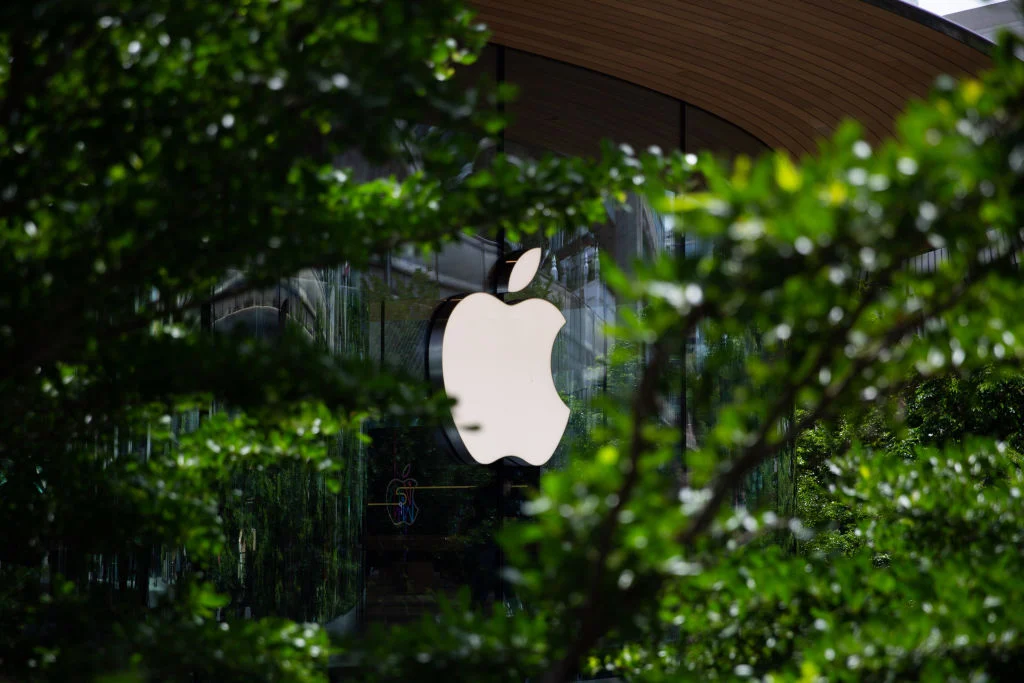
In an era where Silicon Valley giants are pouring billions into developing AI agents designed to automate and streamline our shopping experiences, Ron Johnson, the visionary architect behind Apple’s groundbreaking retail stores, offers a contrarian perspective. Johnson, 66, contends that the industry is overestimating the extent to which consumers will cede their purchasing decisions to artificial intelligence, firmly believing that the allure and necessity of physical retail spaces will persist and even thrive. This viewpoint emerges as tech behemoths like Google and OpenAI aggressively push "agentic commerce," a paradigm where AI agents autonomously handle everything from product discovery to final purchase.
Johnson’s skepticism is rooted in his extensive experience navigating the evolving retail landscape. He joined Apple in 2000, a period marked by the nascent rise of online shopping, with the ambitious mandate to establish and cultivate Apple’s physical retail presence. Under his leadership, Apple’s stores transformed from mere points of sale into integral components of the company’s brand identity, serving as crucial touchpoints for customer engagement and product experience. He recalls the industry’s perennial predictions of brick-and-mortar’s demise, noting that each technological shift has been met with similar anxieties, yet physical retail has consistently adapted and endured.
"AI is a new technology that will improve the online shopping experience," Johnson stated in a recent interview, "But I don’t know that it’s going to change which way we shop." This assertion directly challenges the prevailing narrative that AI-powered agents will fundamentally alter consumer behavior, automating the entire shopping journey. Johnson’s perspective suggests that while AI can enhance efficiency and convenience, it may not replace the intrinsic human desires and decision-making processes that drive many purchases.
The current push for agentic commerce is exemplified by Google’s ambitious Universal Commerce Protocol, a standard intended to facilitate seamless transactions between AI agents and consumers, guiding them from initial product exploration to the final checkout. Simultaneously, OpenAI is transforming ChatGPT into a sophisticated shopping destination, allowing users to research, compare, and even purchase products without ever leaving the conversational interface. These initiatives signal a significant investment and strategic focus on leveraging AI to redefine how we interact with commerce.
However, when presented with the hypothetical scenario of a consumer entrusting an AI agent to select and purchase a high-value item like a $1,000 or $2,000 laptop without any direct interaction with a website or physical store, Johnson was resolute. "Honestly, nobody’s going to do that," he declared. He argues that purchases involving significant investment and personal preference, such as electronics, are inherently too personal to be delegated entirely to an algorithm. The tactile experience – feeling the weight of a laptop, scrutinizing the clarity of its display, assessing its ergonomic suitability – remains paramount for many consumers. While AI might excel at narrowing down options and providing detailed specifications, Johnson believes that the desire to physically interact with and validate a product before committing a substantial sum of money will persist.
"AI will never be able to have you physically experience a product," Johnson emphasized. Instead, he envisions AI agents playing a more supportive role, acting as sophisticated research tools that empower consumers to become better informed before they even set foot in a store. "They’ll just become more informed shoppers when they come to the store," he explained, suggesting a symbiotic relationship between AI-driven online research and the tangible experience of in-person shopping.
Johnson’s conviction is deeply intertwined with the foundational principles that guided the creation of Apple’s retail strategy over two decades ago. He elaborates on this in his new book, "Shop Different: How Retail Revealed Apple’s Genius," co-authored with Zander Nethercutt. The book delves into the meticulous planning and philosophical underpinnings of Apple’s retail operations, which were conceived not merely as venues for transactions but as immersive environments for product discovery, learning, and customer support. The Genius Bar, a hallmark of Apple’s retail experience, exemplifies this commitment to providing accessible, expert assistance, fostering a sense of trust and community.
Johnson notes that while competitors emulated Apple’s sleek, glass-heavy designs and open layouts, they often failed to replicate the crucial human element. "The secret sauce for Apple has always been its people, the people in the store, and how they treat the customer," he asserted. This emphasis on human interaction and exceptional customer service was a deliberate departure from the prevailing retail models. Apple Stores, unlike many competitors, eschewed commission-based sales, a move Johnson attributes to a desire to remove sales pressure and encourage employees to genuinely understand and address customer needs. This approach fostered an environment where employees were empowered to act as trusted advisors rather than pushy salespeople, building long-term customer loyalty.
Johnson’s career trajectory has seen him navigate both immense successes and significant challenges. After his transformative tenure at Apple, he took the helm at J.C. Penney in 2011, embarking on an ambitious, albeit ultimately unsuccessful, attempt to revitalize the struggling department store chain. His tenure, which lasted less than two years, ended with his ouster after sales figures plummeted. Reflecting on this period, Johnson acknowledges that he may have underestimated the complexity of transforming an established legacy retailer. "I applied a startup mentality to what needed to be a turnaround transformation," he recalled, recognizing that a radical overhaul, implemented too rapidly without adequate buy-in from employees and customers, proved detrimental.
Following the J.C. Penney experience, Johnson returned to the startup world, founding Enjoy Technology. This e-commerce venture aimed to bridge the gap between online purchasing and in-home product setup and support, delivering technology products and expert assistance directly to consumers’ residences. Despite its innovative approach, Enjoy Technology filed for bankruptcy in 2022, with its assets ultimately being acquired by Asurion. These varied experiences, from the triumphs of building Apple’s retail empire to the setbacks at J.C. Penney and Enjoy Technology, have undoubtedly shaped his nuanced understanding of retail dynamics and consumer behavior.
Despite his reservations about AI’s potential to completely supplant human interaction in shopping, Johnson remains an ardent advocate for the technology itself. "I’m a real believer in AI. I’m an AI optimist," he stated. His optimism extends to the belief that Steve Jobs, a figure deeply committed to innovation and forward-thinking, would have embraced AI, albeit with a focus on augmenting, rather than replacing, human judgment. "There’s no substitute for human intuition," Johnson mused, echoing Jobs’s profound belief in the power of bringing intelligent minds together to engage in robust debate and uncover novel solutions. This perspective suggests that Johnson envisions AI as a powerful tool that can enhance human capabilities and decision-making, rather than a force that will render human involvement obsolete, particularly in the realm of personal commerce and experiential purchases. The enduring power of physical retail, in Johnson’s view, lies precisely in its ability to provide those irreplaceable human connections and tangible experiences that even the most sophisticated AI agents may struggle to replicate.
