
 By admin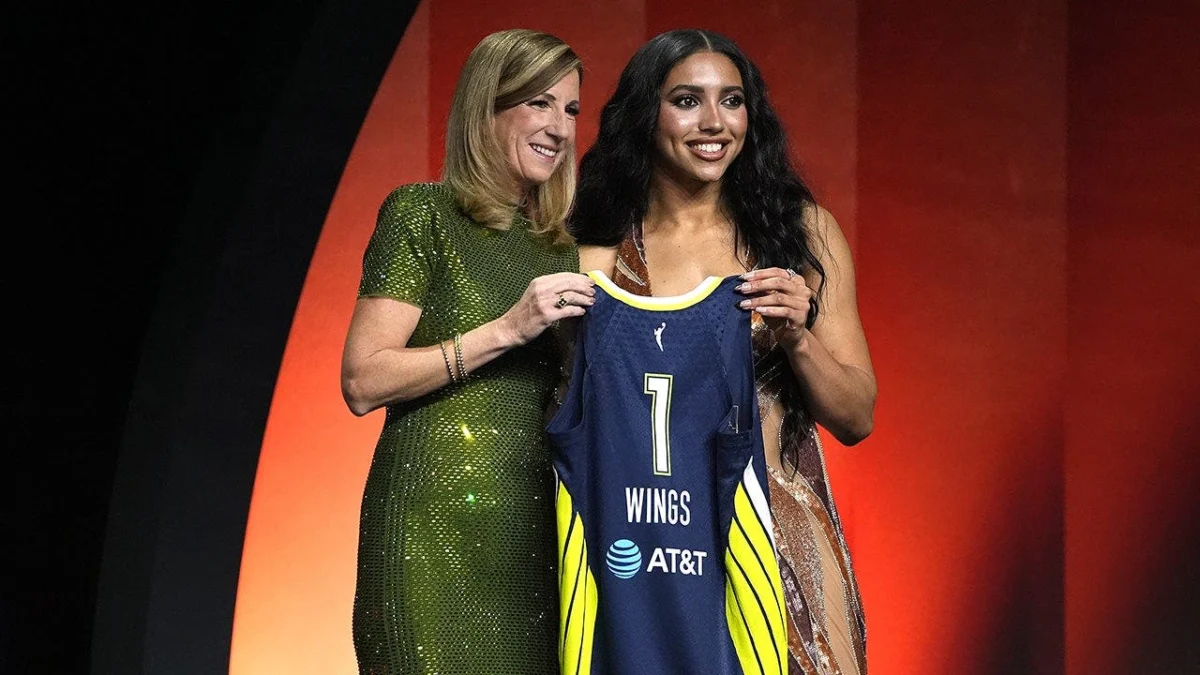
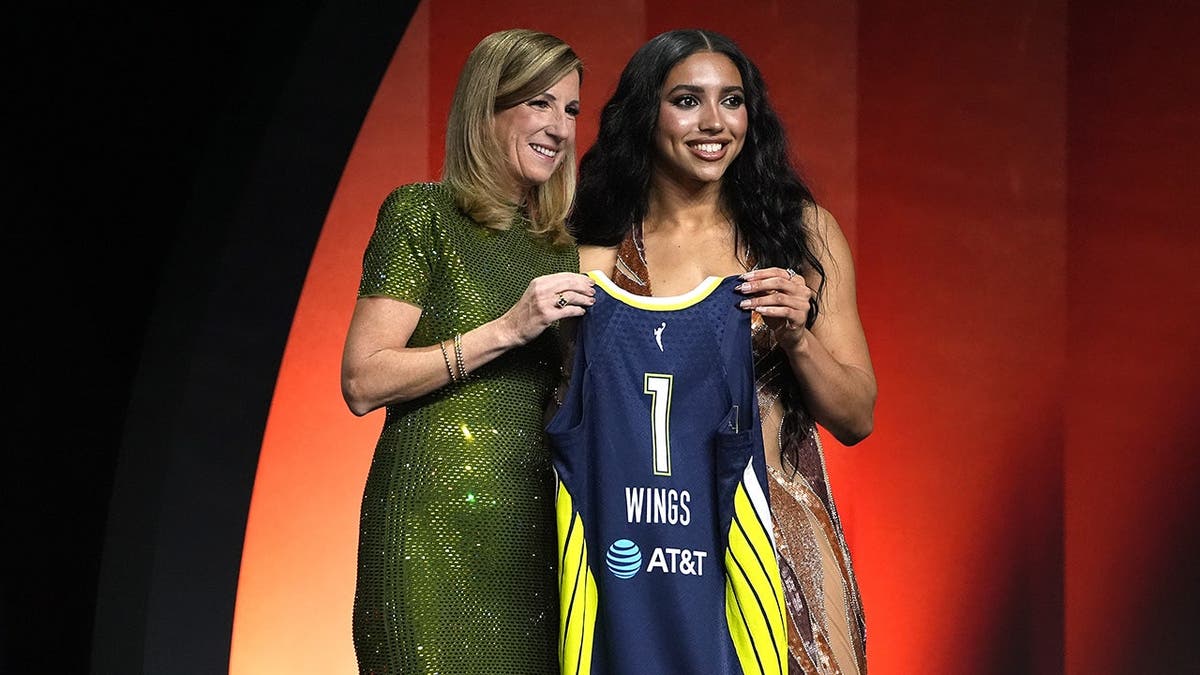
The 2026 WNBA Draft marked a seismic shift in the league’s landscape, not only for the talent on display but for the unprecedented financial opportunities now available to its athletes. Azzi Fudd, the highly touted former UConn Huskies star, found herself at the epicenter of this transformation as she was selected first overall by the Dallas Wings on Monday night, reuniting her with her familiar collegiate teammate, Paige Bueckers. This monumental selection came with an equally monumental payday, as Fudd is set to earn a staggering $500,000 in her rookie year, a testament to the league’s recently ratified collective bargaining agreement (CBA) and its commitment to elevating player compensation. This figure stands in stark contrast to the $78,831 earned by Bueckers, the top pick in the previous year’s draft, highlighting the dramatic financial leap facilitated by the new CBA.
The new CBA, inked between the WNBA and the players’ association just last month, has fundamentally reshaped the financial architecture of the league. Beyond Fudd’s individual contract, the salary cap for WNBA teams has seen a dramatic surge, jumping from $1.5 million in 2025 to an impressive $7 million. This substantial increase has paved the way for the league’s first-ever million-dollar contracts, signaling a new era where both seasoned veterans and promising rookies can command salaries commensurate with their talent and market value. This influx of financial investment is poised to attract and retain top-tier talent, further enhancing the competitiveness and global appeal of the WNBA.
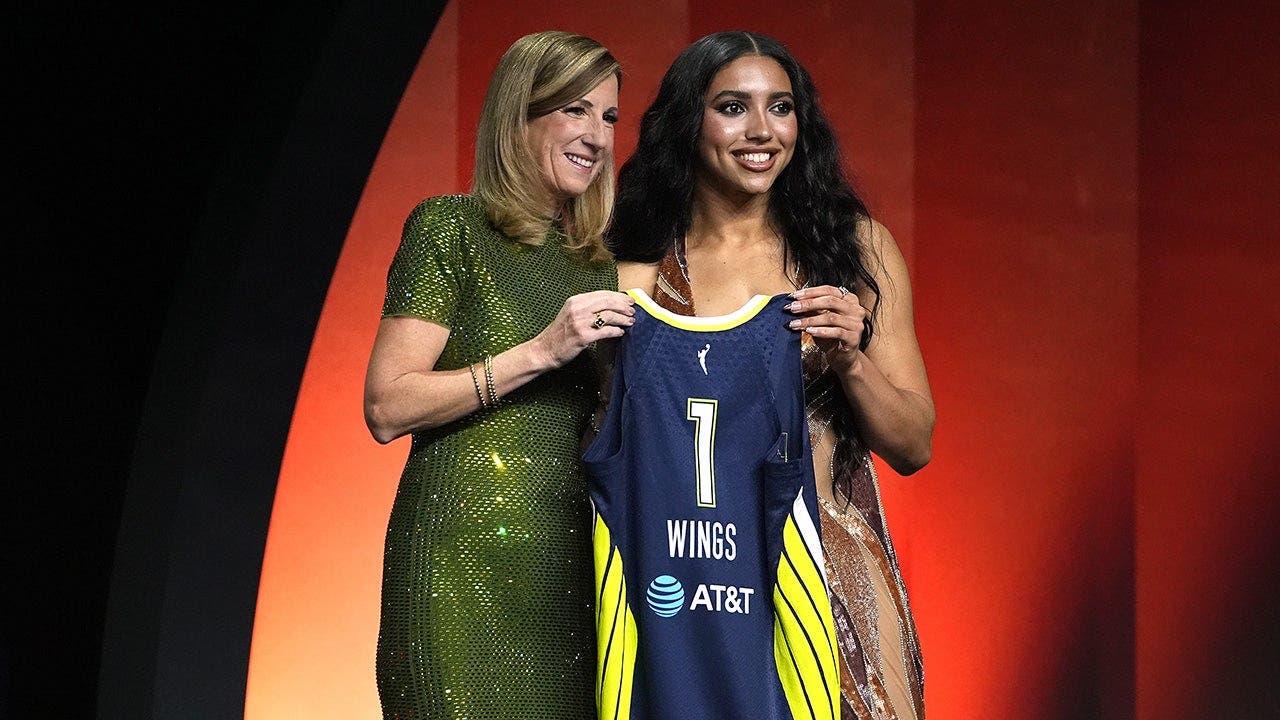
Fudd, while undoubtedly thrilled by the historic financial security, expressed her eagerness to make an immediate impact on the court for the Dallas Wings and within the broader WNBA. Her sentiments, captured in an interview with ESPN following the draft, painted a picture of overwhelming emotion and disbelief. "I’m not really sure I have words to describe that feeling, what that meant," Fudd shared, her voice tinged with awe. "I don’t think it’s fully sunk in. It’s nothing I could have imagined. The feeling of sitting with my family, with Morgan (Valley), hearing your name called, go up there. Such a surreal feeling." The emotional weight of the moment, amplified by the presence of her loved ones, underscored the significance of her achievement.
The reunion with Bueckers was another focal point of Fudd’s post-draft reflections. Having shared significant collegiate success and developed a strong on-court chemistry at UConn, their partnership in the professional ranks promises to be a compelling storyline. "Paige is an incredible player, everyone knows that," Fudd elaborated, a smile evident in her tone. "She’s someone that makes playing basketball with easy." This existing rapport and mutual respect between two of the league’s most electrifying talents could provide the Dallas Wings with a potent offensive force, capable of challenging established hierarchies.
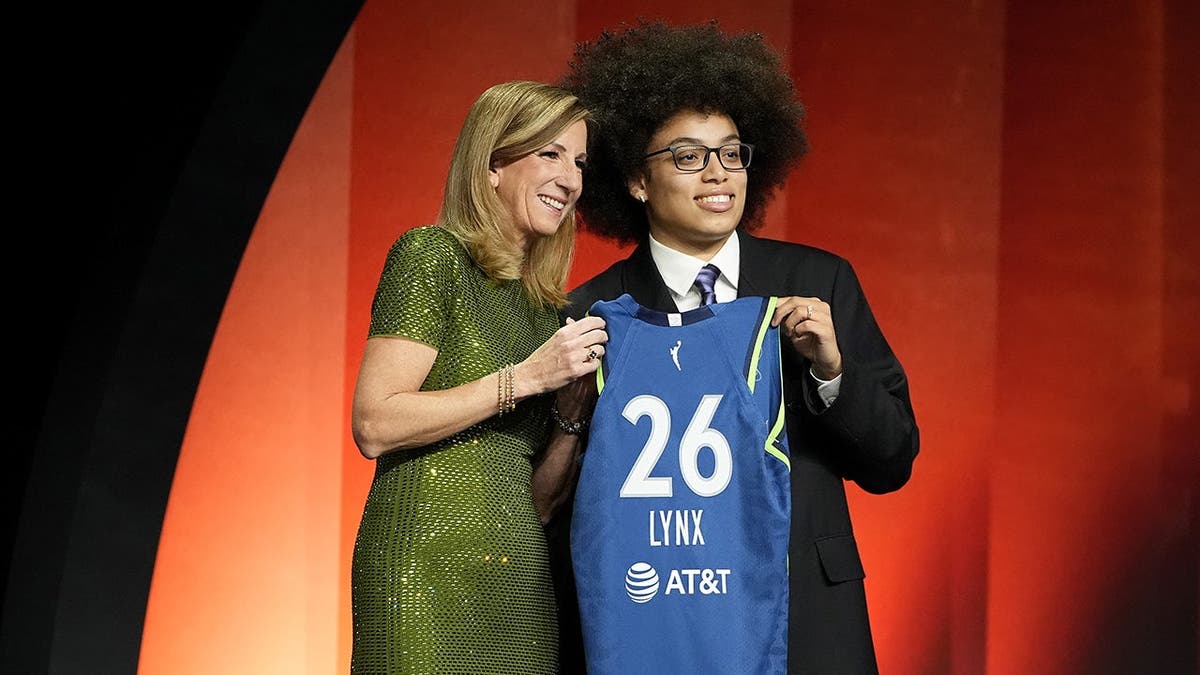
Following Fudd, the Minnesota Lynx secured the second overall pick, selecting Olivia Miles from TCU. Miles, who was considered Fudd’s primary competition for the top spot, also stands to benefit handsomely from the new CBA, with her rookie contract set at $466,913. This substantial figure for the second pick further emphasizes the league’s commitment to rewarding its emerging stars. The significant increase in rookie salaries not only provides financial stability for these young athletes but also serves as a powerful incentive for them to dedicate their careers to the WNBA.
The draft continued with a strong international presence, as center Awa Fam Thiam from Spain was selected by the Seattle Storm. Thiam is slated to earn $436,016 for her inaugural WNBA season, adding another layer of global talent to the league’s increasing diversity. The top six picks were rounded out by a formidable quartet of national champions: Lauren Betts, selected by the Washington Mystics; Gabriel Jacquez, chosen by the Chicago Sky; and Kiki Rice, who will play for the Toronto Tempo. The inclusion of these decorated collegiate athletes further solidifies the WNBA’s position as the premier destination for elite women’s basketball talent.
Notably, the 2026 draft saw UCLA break UConn’s long-standing record of having four players selected in the first round, a feat originally achieved by the Huskies in 2002. UCLA’s success in producing top-tier talent was further underscored by Angela Dugalić’s selection at ninth overall, reuniting her with teammate Lauren Betts on the Washington Mystics. This generational talent infusion from multiple collegiate programs signals a healthy and competitive development pipeline for the WNBA.
A significant trade also occurred during the draft, involving LSU guard Flau’Jae Johnson, who was taken eighth overall by the Golden State Valkyries. Johnson was subsequently traded to the Seattle Storm in exchange for the rights to Marta Suarez from TCU, whom the Storm had acquired with the first pick of the second round. The Valkyries also received a 2028 second-round pick in this deal, showcasing the strategic maneuvering and asset management that are becoming increasingly crucial in the WNBA’s evolving landscape. Such trades highlight the dynamic nature of team building and the value placed on both established talent and future draft capital.
The financial uplift extends across the entire draft class. Every player selected who makes a roster entering the regular season is guaranteed to earn more than any WNBA player did during the 2025 season. The minimum salary for drafted players is now set at $270,000, a figure that surpasses last year’s maximum salary of $249,244. This comprehensive increase in compensation, from top picks to those on the lower end of the draft, represents a monumental step forward in ensuring that WNBA players are fairly compensated for their extraordinary athletic abilities and dedication. The implications of this financial revolution are far-reaching, promising to enhance player satisfaction, attract greater investment in the league, and ultimately elevate the overall quality and visibility of women’s professional basketball. The new CBA and the subsequent draft outcomes serve as a powerful statement about the WNBA’s future, one that is brighter, more equitable, and financially more robust than ever before.
