
 By admin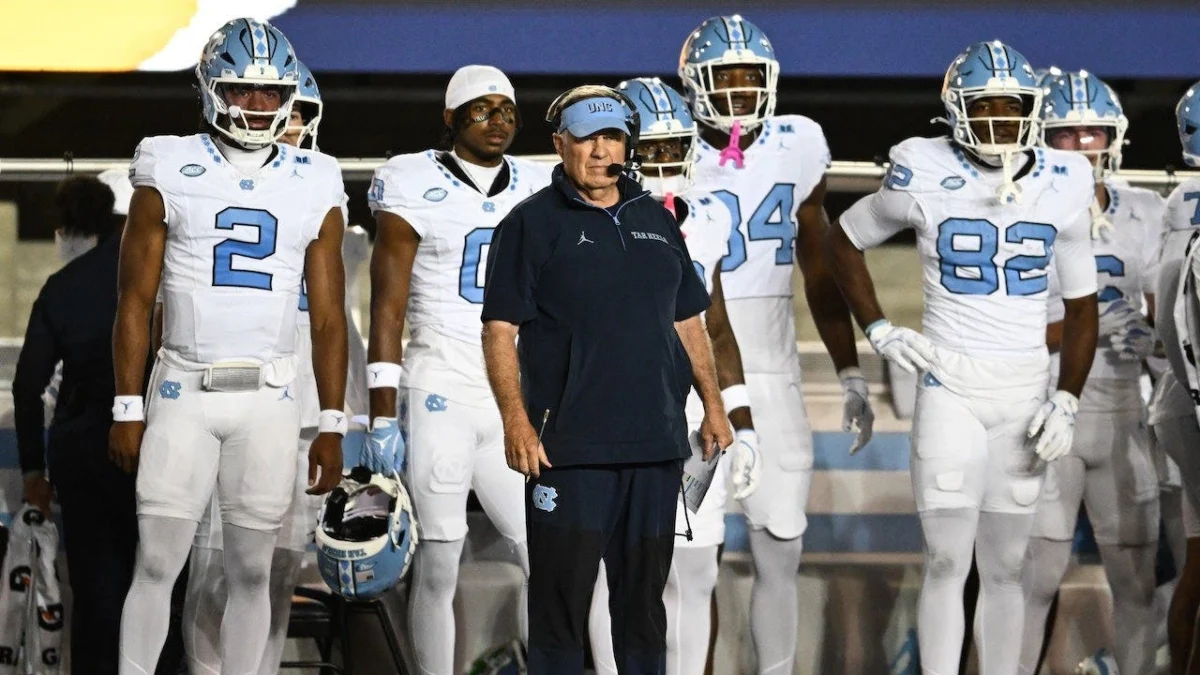
The familiar adage of "eating your vegetables" often meets with resistance, especially from the competitive and demanding world of college football. However, under the innovative leadership of Head Coach Bill Belichick and his dedicated staff at the University of North Carolina (UNC), a culinary revolution is underway, transforming mealtime into a strategic advantage. This isn’t just about feeding the players; it’s a meticulously crafted food science program designed to optimize performance, recovery, and ultimately, success on the gridiron.
The UNC football team’s nutrition, hydration, and training strategy has been elevated to an unprecedented level of precision. Each player benefits from a personalized plan, tailored to their unique biology and performance needs, a stark contrast to the one-size-fits-all approach of seasons past. This granular level of care extends to every facet of their dietary intake, even venturing into the realm of fast food, a seemingly contradictory element that Head Nutritionist Amber Rinestine-Ressa defends with scientific rigor. Public records reveal a significant expenditure of $129,644.38 at fast food and fast-casual establishments during the 2025 season, a figure that initially raises eyebrows but is explained by a sophisticated strategy.
This NFL-caliber approach to player welfare is deeply rooted in Belichick’s extensive experience, particularly his time with the New England Patriots. UNC’s football head chef, Josh Grimes, previously served as the executive chef for the Patriots under Belichick from 2018 to 2024. Their reunion at UNC marked a significant recalibration of the nutrition strategy, drawing parallels to the legendary emphasis on holistic player development exemplified by Tom Brady.
"In New England, we had a lot of components and certainly some of Tom’s things were important," Belichick shared with Fox News Digital, acknowledging the foundational principles that guided their approach. "In the NFL, we trained a lot of players who were significantly older than our players are here, and so some of the things that Tom did have more application than players who are older. But still, fundamentally, good nutrition, good hydration, pliability in the muscle tissues and so forth are fundamentally good things that Tom worked with and that we embrace as well." This philosophy underscores the belief that while the specific application might vary between professional and collegiate athletes, the core tenets of optimal fueling remain constant.
The implications of such a robust nutrition program extend beyond immediate game-day performance and into the future aspirations of the student-athletes. Belichick, a keen observer of talent, recognizes the direct correlation between a player’s dietary habits and their potential for success at the professional level. "When you look at an NFL performance, everything’s important, and everything that leads to your performance is important. So preparation, training, nutrition, hydration, technique, fundamentals – it all adds up," he explained when asked about his past scouting considerations. This indicates that a player’s commitment to their nutrition and recovery regimen at UNC could very well influence their draft stock and NFL readiness.
The art of "cooking up trick plays" in the UNC cafeteria is a testament to the ingenuity of Director of Nutrition Amber Rhinestine-Ressa and Chef Josh Grimes. Their primary objective is to ensure players consistently choose the team cafeteria over external dining options, thereby maintaining control over their nutritional intake. This requires a delicate balance between appealing to the players’ palates and embedding essential nutrients. "If they’re not going to change for me, I have to change my approach for each one of them," Rhinestine-Ressa stated, highlighting her adaptive and player-centric methodology.
She further elaborated on the philosophy of flexibility: "We don’t live in a perfect world, and to create buy-in, I have to have a little leniency. 80% of our diet, we are eating great food for us." This pragmatic approach acknowledges the realities of young adult diets and the importance of fostering a positive relationship with food. The remaining 20% is where the strategic choices come into play. "Would we rather eat brown rice or a piece of bread? Well, brown rice might have more fiber, but how does our whole day look? Okay, then maybe we could eat this piece of bread." This illustrates a nuanced decision-making process, where the overall dietary context dictates the best choice, even if it’s not the most inherently "healthy" option in isolation.
Rhinestine-Ressa candidly admitted that some players present a greater challenge when it comes to incorporating vegetables into their diets. "Some of these kids come in and they see a whole green bean, and not a canned green bean, and they’re not receptive to it," she observed. "A lot of guys come in here and they have a very small box." This underscores the need for creative solutions to overcome ingrained preferences and expand their culinary horizons.
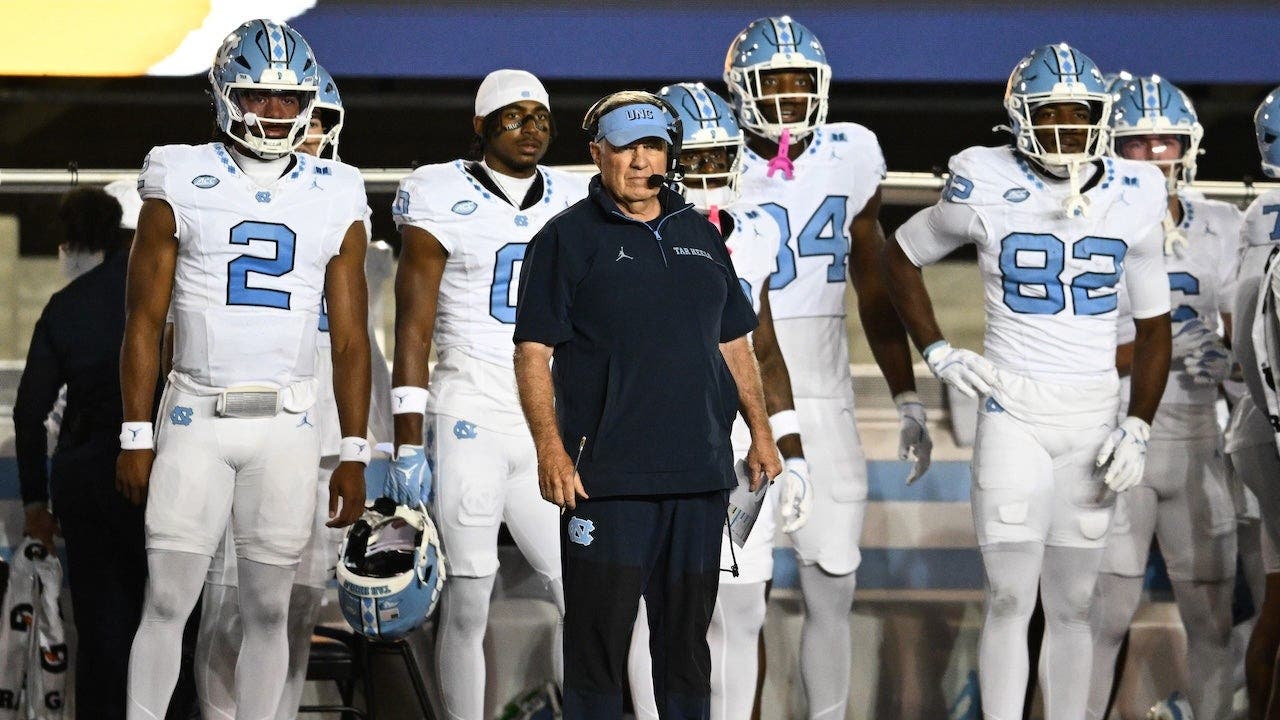
Once player preferences are understood, the "sneak" plays commence, transforming seemingly ordinary dishes into nutritional powerhouses. "Anywhere we can manipulate an ingredient to where it tastes good, but they don’t know, we do," Grimes confirmed, revealing the clandestine nature of their efforts. The kitchen staff employs a precise technique of micro-dicing vegetables, rendering them virtually undetectable in various dishes. These finely chopped ingredients, along with additions like quinoa, are strategically incorporated to significantly bolster the vitamin and mineral content of meals without compromising taste.
The team’s culinary wizardry extends to the art of deep-frying. Grimes described how they manipulate batter for items like chicken, using a combination of whole wheat flour and avocado oil. "We kind of use the fried stuff as more strategic, kind of morale. Like, we try to keep them happy," the chef explained, acknowledging the psychological boost that familiar comfort foods can provide, especially when prepared with a healthier twist.
A particularly successful strategy has been the implementation of a suggestion box for menu items. The overwhelming favorite that emerged was Oxtail, a dish that has since become a staple in the team cafe, a testament to the staff’s ability to cater to player desires while maintaining nutritional integrity. This approach to menu development exemplifies a collaborative effort, ensuring player buy-in and satisfaction.
The UNC staff’s innovative methods echo the strategies employed by Leslie Bonci, the former head dietitian for the Kansas City Chiefs, who was instrumental in fueling their success during the early Patrick Mahomes era. Bonci’s philosophy of "hiding the health" and starting with familiar ingredients before amplifying their nutritional value resonates deeply with the UNC program. "Hide the health. Start with familiar and then amplify the nutrition for the intuition in the kitchen," Bonci advised Fox News Digital in commentary on UNC’s approach. This shared vision highlights a growing trend in elite sports nutrition: making healthy eating appealing and accessible, even in environments where less nutritious options are readily available.
The extensive use of fast-food vendors, while initially surprising, is meticulously managed. The university credit card statements for Rinestine-Ressa, covering the 2025 season and training camp (July 1 to December 4), obtained by Fox News Digital through a public records request, paint a detailed picture of these expenditures. The largest single vendor was Al’s Burger Shack, with a total of $15,803 spent. "Al’s Burgers, they use 90-10 meat with me," Rinestine-Ressa explained, noting that they frequently purchased meals for up to 260 people for post-game events. "So I can influence what they use because we’re buying it in such quantity." This demonstrates a level of partnership and influence that allows them to dictate ingredient quality even at external establishments.
Chick-fil-A ranked second in spending at $13,092.03. Rinestine-Ressa clarified the strategic timing of these purchases: "Chick-fil-A is only ever done when we’re about to get on a plane, because it’s heavy, they’re about to go on a plane, they’re about to sleep, and we have no activity for the rest of that day. So I don’t really care that much." This pragmatic decision-making underscores the understanding that the timing and context of a meal are as crucial as its nutritional content.
Jersey Mike’s followed at $12,613.51, with Mission BBQ close behind at $12,598.52. Other significant expenditures were made at national chains including Zaxby’s, Moe’s Southwest Grill, Dave’s Hot Chicken, CAVA, and Panera Bread. Notably absent from the list of transactions were American fast-food giants McDonald’s, Wendy’s, Burger King, KFC, and Taco Bell. Rinestine-Ressa drew a firm line in the sand regarding these establishments. "Hell no, those are hard no’s, because I can’t manipulate those; I can manipulate every other place," she stated emphatically. This boundary signifies a commitment to venues where they can exert some degree of control over ingredients and preparation methods, ensuring that even "less healthy" choices are optimized to the greatest extent possible.
As UNC aims to rebound from its disappointing 4-8 record in 2025, the creative prowess and unwavering discipline of its culinary and nutrition staff will be paramount. Their ability to transform every meal, even those sourced from fast-food vendors, into a performance-enhancing opportunity is a critical component of the team’s strategy for future success. This dedication to holistic player development, from the weight room to the dining hall, reflects a modern understanding of what it takes to compete at the highest levels of college football. The innovative "sneak plays" and strategic "cheat plays" orchestrated by Belichick’s team are not just about feeding athletes; they are about forging a winning culture, one carefully crafted bite at a time.
