
 By admin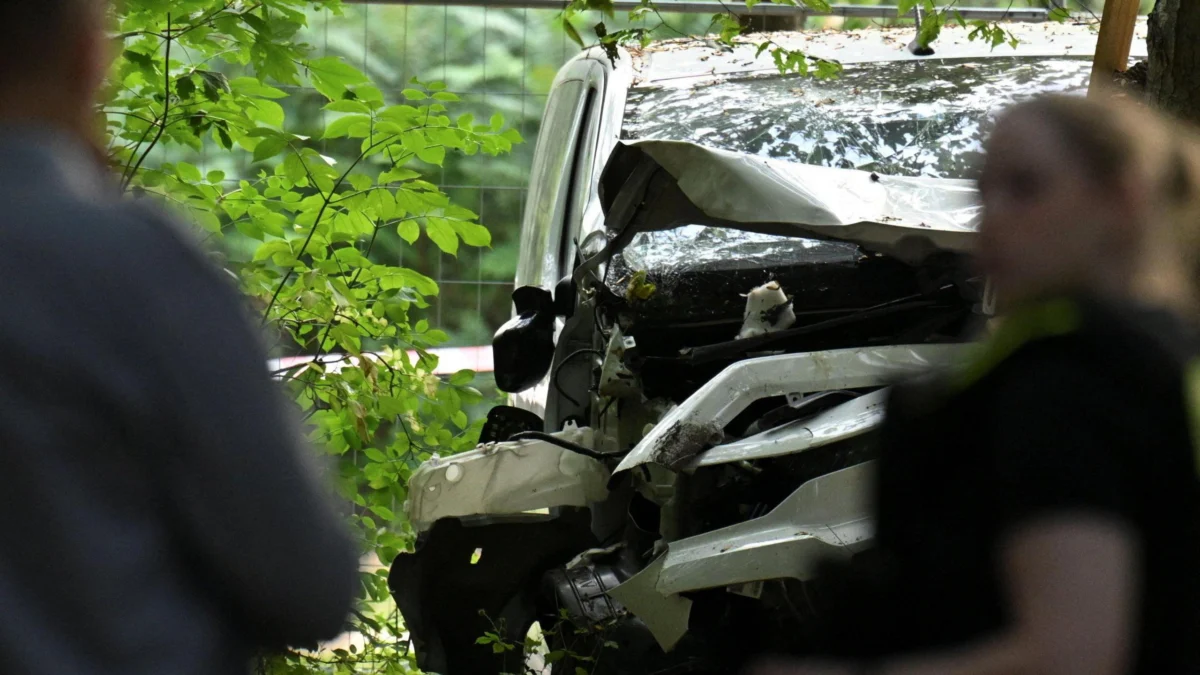
One woman has been killed and at least 29 others sustained injuries after a van was deliberately driven into a crowd at a vibrant Berlin Pride event on Saturday night. Authorities are treating the incident as a likely "Islamist terror attack." The alleged perpetrator, identified as 21-year-old Abdul Ballout, was shot and killed by police during a tense operation in west Berlin. German Chancellor Friedrich Merz has vehemently condemned the atrocity, describing it as a "heinous" act of violence. This extensive report details the unfolding events, the profile of the suspect, and the broader implications of this devastating assault on a celebration of diversity and inclusion.
The Attack Unfolds Amidst Celebration
The horrific events began to unfold at approximately 22:00 local time (20:00 GMT) on Saturday evening. Berlin police received urgent reports that a white vehicle had intentionally been driven into a densely packed crowd participating in a Pride event in the German capital. The annual Christopher Street Day (CSD) celebration, a cornerstone of Berlin’s LGBTQ+ calendar, had drawn hundreds of thousands of attendees to the expansive Tiergarten park, a picturesque urban oasis adjacent to the iconic Brandenburg Gate.
Witness accounts and official statements suggest the attack was not solely confined to the vehicle ramming. Following the initial impact, there were reports of individuals being stabbed with what authorities believe may have been a machete. The sudden eruption of violence shattered the festive atmosphere, transforming a joyous gathering into a scene of chaos and terror.
In the immediate aftermath, the Pride event was abruptly cancelled. A scheduled performance was cut short as organizers took to the stage, their faces etched with concern, to advise the stunned crowd to begin evacuating the area. The gravity of the situation was underscored when the word "evacuation" was projected in large, stark letters onto a massive screen above the stage.
Unverified footage circulating on social media depicted scenes of mass exodus, with large numbers of people being directed towards exits as emergency vehicles, sirens wailing, raced towards the epicenter of the unfolding disaster. By approximately 01:00 local time on Sunday, police confirmed the tragic toll: one woman had lost her life, and numerous others had sustained injuries requiring immediate medical attention.
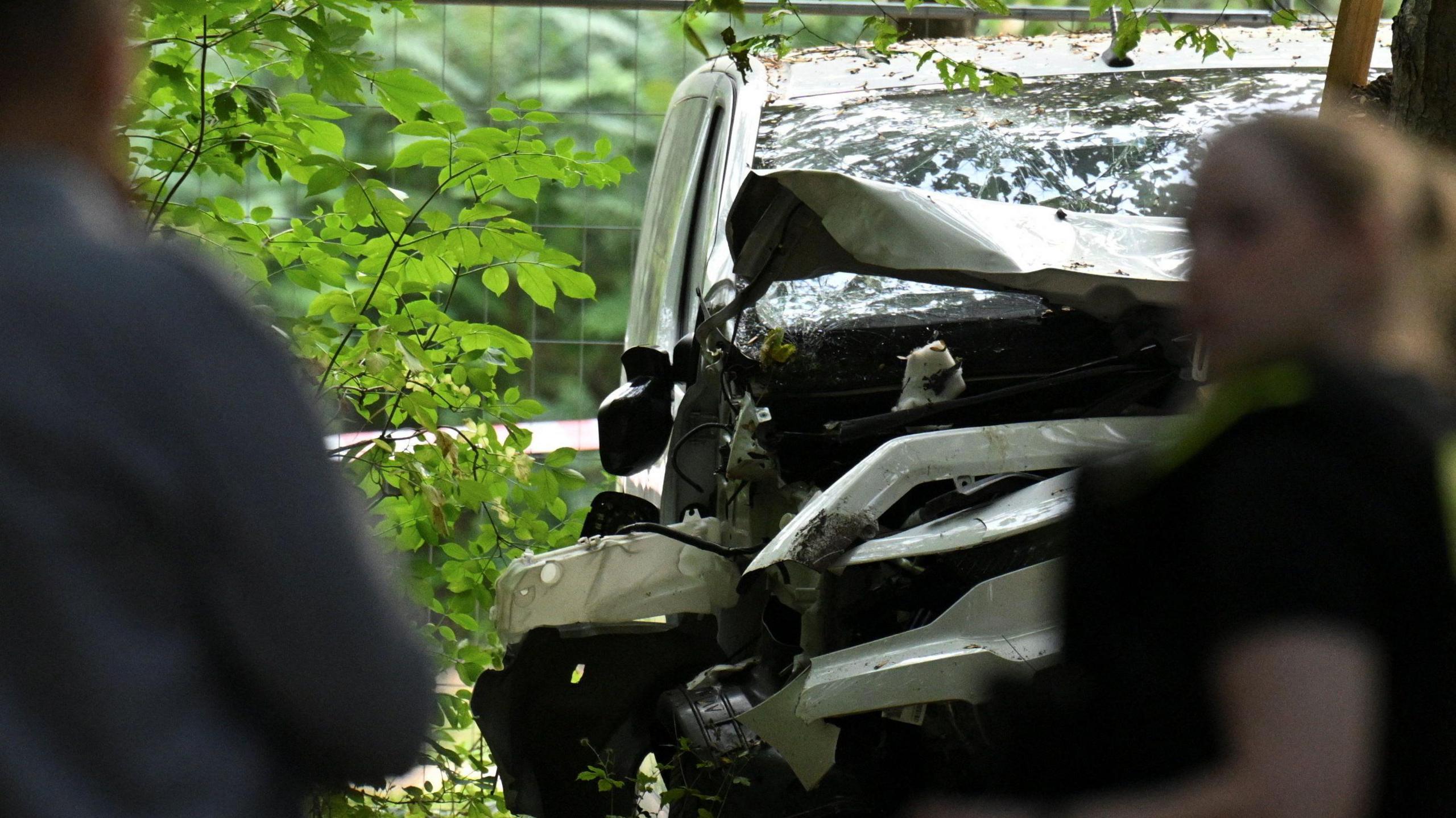
The abandoned vehicle, believed to have been used in the attack, was later discovered by authorities. It had crashed into a tree. Initial investigations indicated that the vehicle was a rental, a common practice for attendees of large events.
The Hunt for the Suspect and Identification
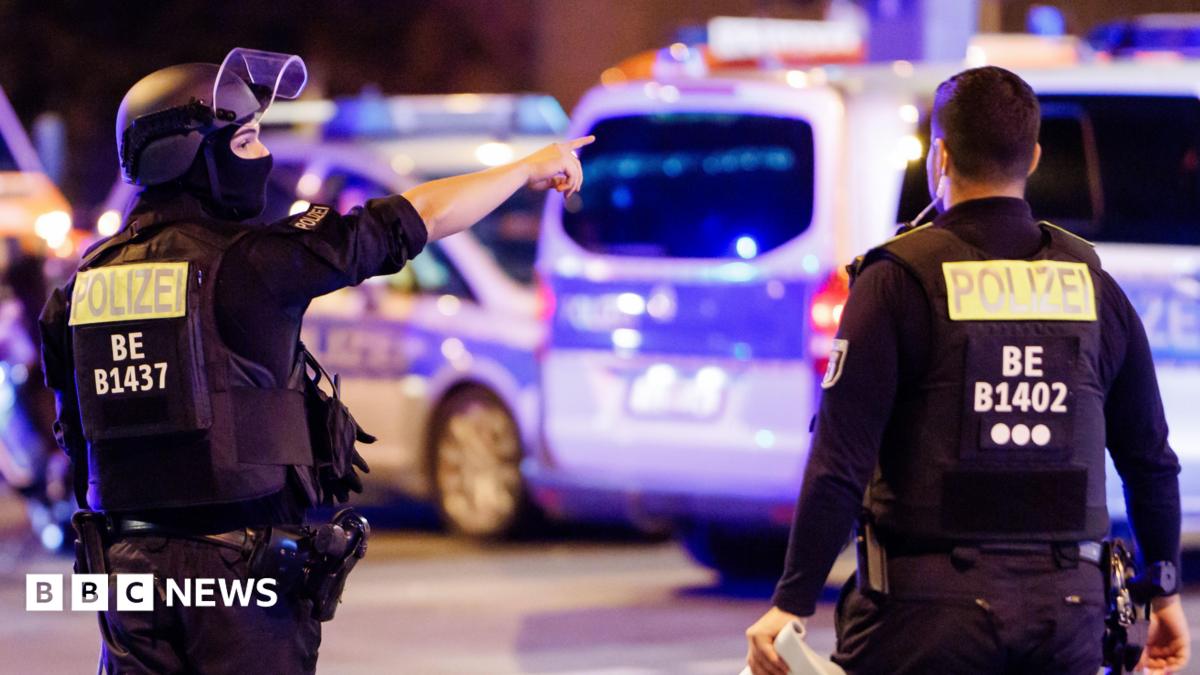
The swiftness of the police response was critical in the hunt for the perpetrator. At approximately 03:30 on Sunday, Berlin Police announced via their official X (formerly Twitter) account that they had identified a suspect with known Islamist links. The search operation was rapidly expanded to encompass the entire city, mobilizing thousands of police officers, including reinforcements from surrounding German states, to ensure the suspect could not evade capture.
On Sunday, a visible police presence was established outside an apartment building in Berlin’s Tiergarten district, which was reported to be the suspect’s residence. The manhunt concluded tragically in the late hours of Sunday. Police officers encountered the suspect at an allotment complex in Spandau, a borough in the western part of the capital. According to official reports, the suspect lunged at officers armed with a knife, prompting them to open fire. The suspect sustained fatal gunshot wounds and was pronounced dead at the scene.
Profiling the Perpetrator: Abdul Ballout
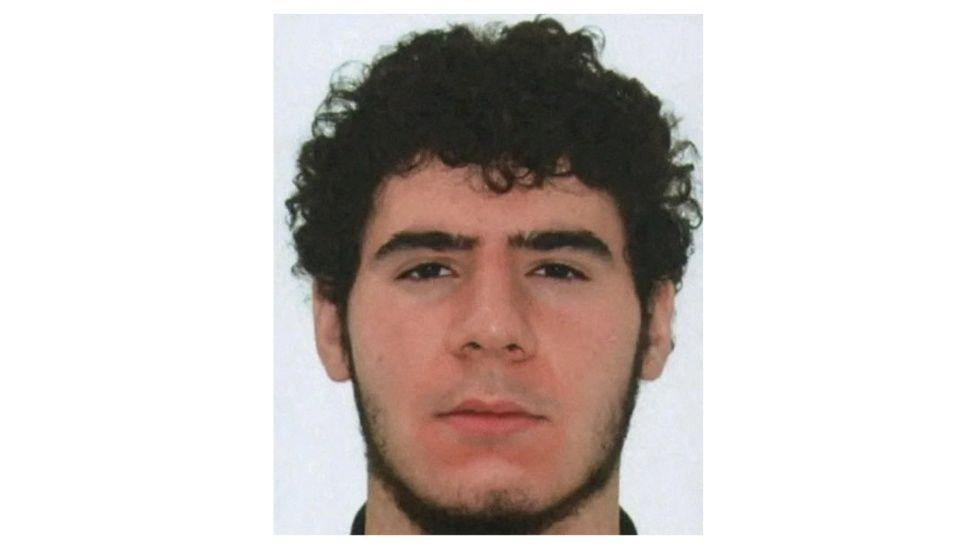
The suspect has been officially named by police as 21-year-old Abdul Ballout, a German citizen of Lebanese descent. Authorities revealed that Ballout was already known to law enforcement and had a criminal record. He had previously been sentenced to one year and 10 months in prison, though this sentence was commuted to parole, indicating a history of offenses that did not result in immediate incarceration.
Interior Minister Alexander Dobrindt stated that the suspect had become radicalized, a crucial piece of information pointing towards the ideological motivations behind the attack. German media outlets have further reported that Ballout was an alleged supporter of the Islamic State (IS) group and had made unsuccessful attempts in the past to join the organization.
According to information released by the public prosecutor’s office, Ballout’s radicalization journey appears to have escalated in recent years. In May 2025, he reportedly attempted to travel to Mauritania via Turkey, an attempt that was thwarted. Subsequently, he embarked on a journey to Lebanon via Turkey, with the stated intention of proceeding to Syria and joining IS.
While in Lebanon, Ballout allegedly made contact with individuals he believed to be IS members. This led to his arrest in Lebanon in July 2025, where he spent three months incarcerated. Upon his release, he returned to Berlin in November 2025. He was apprehended at the airport and subsequently held in pre-trial detention until May 2026. During this period, he was mandated to participate in a de-radicalization program, a measure that, in hindsight, proved tragically insufficient to prevent his violent actions. Authorities believe he is connected to the rented vehicle found abandoned in the park, a key piece of evidence linking him to the attack.
The police statement also confirmed that several individuals sustained injuries from stabbing weapons during the attack, underscoring the multifaceted and brutal nature of the assault.
The Attack Site: Tiergarten Park
The attack unfolded within the sprawling and popular Tiergarten park, a green lung in the heart of Berlin and a central location for the city’s major public events. The Christopher Street Day parade, a significant cultural and political demonstration, had wound its way through the city, culminating in a festive gathering in Tiergarten. The route typically passes iconic landmarks such as the Victory Column monument before heading towards the Brandenburg Gate.
Berlin Police have pinpointed Ahornsteig, a long pathway stretching across the park, largely situated within a forested area, as the primary location where victims were struck by the vehicle. This specific location, amidst the trees and winding paths, likely contributed to the initial confusion and the difficulty in assessing the full extent of the damage and casualties.
International Condemnation and Solidarity
The attack on Berlin Pride has sent shockwaves across Europe, eliciting swift and strong condemnation from leaders. European Commission President Ursula von der Leyen expressed profound sympathy for the victims, highlighting that Pride events embody "freedom, dignity, and equality – the fundamental values of the EU." She emphasized on social media that "Every person should be able to live, love, and stand up for their rights without fear."
Rob Jetten, the Prime Minister of the Netherlands, conveyed a message of solidarity, stating that the Dutch stand "shoulder to shoulder with our German neighbours." Similarly, Italian Prime Minister Georgia Meloni expressed "solidarity and sincere sympathy." The UK’s Defence Secretary, Wes Streeting, described the incident as an "absolutely horrific disaster," offering his thoughts and prayers to the German people.
The attack serves as a stark reminder of the persistent threats faced by LGBTQ+ communities globally and the vulnerability of public spaces to acts of extremist violence. The targeting of a Pride event, a celebration of human rights and diversity, amplifies the gravity of the incident and underscores the importance of continued vigilance and unwavering support for these fundamental values.
Authorities are continuing their investigations to ascertain if Abdul Ballout acted alone or if there were any accomplices. The psychological impact on the survivors, witnesses, and the wider community is immense, and support services are being mobilized to address the trauma. The incident is expected to trigger renewed discussions on counter-terrorism strategies, radicalization prevention, and the security of public events in Germany and across Europe. The resilience of Berlin’s vibrant and diverse community will be tested, but the outpouring of support and condemnation suggests a strong collective will to overcome such acts of hate.
