
 By admin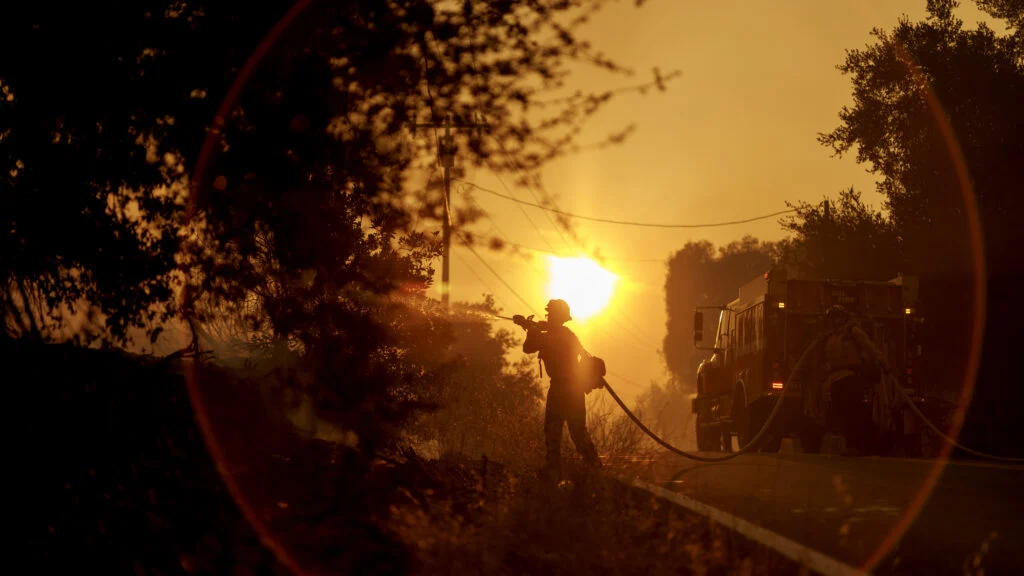
Tactical athletes may be the most important professionals you’ve never heard of, serving as the physical and metaphorical backbone of public safety and national security. They are not found on the rosters of the NFL or the NBA, and their names rarely appear on the backs of jerseys sold in retail stores. Instead, these individuals—EMTs, firefighters, police officers, Marine pilots, Navy SEALs, Army engineers, and astronauts—are defined by a mission that transcends personal glory or team championships. What sets them apart from traditional competitive athletes is their ultimate objective: they do not perform for themselves or for a franchise, but for the safety, health, and survival of their communities and their country.
The recognition of the "tactical athlete" as a distinct clinical category first emerged in the early 2000s, acknowledging that the physical demands placed on a soldier or a first responder are as rigorous as those placed on a professional linebacker, yet carry far higher stakes. Unlike a sports injury that might sideline a player for a season, a health crisis in a tactical athlete can mean life or death for those they serve or serve with. Recognizing this critical intersection of occupational duty and physiological health, the American College of Cardiology (ACC) and the American Heart Association (AHA) released a landmark set of new cardiovascular guidelines on Thursday. These recommendations provide clinicians with a specialized framework for evaluating and managing heart health in this unique population, ensuring that those who protect the public are themselves protected from their industry’s leading killer.
Given the varied and extreme claims placed on the bodies of tactical athletes over the course of their careers, it is a sobering reality that cardiovascular disease remains the top duty-related cause of death in this population. The new clinical recommendations, published simultaneously in the Journal of the American College of Cardiology (JACC) and Circulation, offer comprehensive strategies for evaluating athletes who either have existing cardiovascular disease or are at high risk of developing it. The authors of the guidance, some of whom have been instrumental in crafting health standards for competitive athletes since the 1980s, estimate that approximately 4 million Americans currently occupy these high-stakes roles.
The physiological demands of tactical work are fundamentally different from those of scheduled sports. "One of the unique aspects of the tactical demands is that often you don’t get to warm up. You don’t get to prepare for a few weeks," explained Benjamin Levine, director of the Institute for Exercise and Environmental Medicine at Texas Health Presbyterian Dallas and vice chair of the writing committee for the new guidance. In an interview with STAT, Levine highlighted the "cold start" nature of tactical professions. "In many cases it’s an emergency; you’re called out, and boom, you’ve got to be at high performance, at a high level immediately, and frankly, the risk of death is not insignificant. Someone may be shooting at you. You may go into a burning building."
This transition from a state of rest or "high alert" to maximum physical exertion—often while under the imminent threat of violence or environmental catastrophe—radically alters the nature of cardiovascular risk. The surge of adrenaline and the immediate spike in heart rate and blood pressure create a "perfect storm" for cardiac events in those with underlying vulnerabilities. Furthermore, the consequences of a cardiac event in the field are magnified by the interdependence of tactical teams. "If I’m with a buddy in a fire and that buddy goes down, and now I’m alone in the burning building, that’s really different," Levine noted. "That athlete’s incapacitation has affected not just my life but the people we’re trying to rescue."
Levine’s expertise spans the highest echelons of both sports and tactical medicine. In addition to serving as a professor of medicine and cardiology at the University of Texas Southwestern Medical Center, he is the consulting cardiologist for nearly every professional athletic team in North Texas and serves as NASA’s top expert on "gravity disease," including postural orthostatic tachycardia syndrome (POTS). Having updated competitive sports guidance for decades, Levine identified a glaring omission in clinical literature: the elite athlete whose "field of play" is a war zone, a burning high-rise, or the vacuum of space. His proximity to the AHA’s national headquarters in Dallas allowed him to advocate directly for the creation of these guidelines, a move that sports cardiologists across the nation are now applauding.
The challenges facing tactical athletes are multifaceted. It is not merely the weight of eighty pounds of gear, the psychological trauma of the job, or the exposure to extreme temperatures, deep-sea pressures, or high altitudes. These professionals also struggle with common cardiovascular risk factors that are often exacerbated by their lifestyles. High blood pressure, elevated cholesterol, obesity, type 2 diabetes, and tobacco use are prevalent. Because tactical athletes often remain in their roles for twenty to thirty years, they eventually mirror "masters athletes"—those aged 40 and older whose cardiovascular risk naturally increases with age, even if they remain physically active.
The specific hazards are often tied to the environment of the profession. While sudden cardiac arrest during routine training is relatively rare, the risk spikes during the intense period of recruit training and again during active-duty emergencies. For firefighters, the danger is uniquely front-loaded. "The event rate starts to go up as soon as the fire department alarm goes off," said Lili Barouch, director of sports cardiology at Johns Hopkins Medicine, who was not involved in the writing of the guidance. "If you look at the timing of when firefighters have cardiac events, even before they get to the burning building, then you know the stress level goes through the roof." This "alarm reaction" triggers a massive sympathetic nervous system response that can be fatal for those with undiagnosed coronary artery disease.
In the realm of space exploration, the risks are even more exotic. Researchers hypothesize that increased exposure to cosmic radiation during spaceflight may accelerate atherosclerosis—the hardening and narrowing of the arteries that leads to heart attacks and strokes. On the ground, the data for active-duty service members is equally concerning: 18% of personnel possess at least one major cardiovascular risk factor, and nearly a quarter of the force—24%—are active smokers. The guidelines emphasize that for firefighters, a previous diagnosis of hypertension or a history of smoking significantly increases the likelihood of a fatal on-duty cardiac event.
Tim Churchill, a cardiologist with the Cardiovascular Performance Program at Mass General Brigham Heart and Vascular Institute, noted that while the jobs themselves may not inherently cause heart disease, they act as powerful catalysts. "The conditions in which tactical athletes are performing their professional duties are widely varied and can be extreme on many dimensions, and that can certainly pose significant stresses on the cardiovascular system," Churchill said. "I wouldn’t say these jobs are increasing risk for cardiovascular disease, but they’re situations that can potentially exacerbate underlying problems."
As tactical athletes age, the gap between their physical capacity and the demands of their job can widen. A recruit who passes a fitness battery at age 22 may struggle to meet the same standards at 45, despite the availability of training programs within the military or police departments. Brian Becerra, director of sports cardiology at UC Irvine, suggested that the new guidance helps clinicians determine when a "job adjustment" is necessary. For instance, the cardiovascular requirements for a member of a SWAT team, who must move with explosive speed while carrying heavy equipment, are vastly different from those of a patrol officer or a desk sergeant. "We want to make sure that they can do the most extreme part of their job," Becerra said. "Just because they don’t have the cardiovascular capacity for one type of job in that profession doesn’t mean that they can’t do something else."
Contextualizing the diagnosis is key to the new clinical approach. Levine provided a hypothetical example: a Special Forces operative with high coronary calcium or aortic stenosis might be pulled from a high-intensity deployment in a combat zone like Afghanistan. However, that same individual, as they reach their 60s, might still provide immense value in a tactical planning or command environment where the physical stakes are lower but the intellectual demands remain high.
Perhaps the most significant shift in the new guidance involves the ethics of medical decision-making. In recent years, sports medicine has moved toward a "shared decision-making" model, where the doctor and the athlete collaboratively decide on the risks of returning to play. However, the ACC and AHA specify that this model cannot be applied wholesale to tactical athletes. Because the health of a tactical athlete directly impacts the safety of their partners and the public, third-party stakeholders—such as military commanders or fire chiefs—have a legitimate say in the individual’s duty status. While the athlete retains the right to the best clinical care, their "right to play" is secondary to the safety of the collective.
Ultimately, these guidelines represent a long-overdue professionalization of the care provided to those in uniform. By equipping doctors with the tools to understand the unique stressors of tactical life, the medical community aims to reduce the rate of preventable deaths among the nation’s protectors. As Lili Barouch aptly summarized, "They need it, they deserve it. I mean, these are the people that are protecting our communities." Through better screening, tailored treatments, and a nuanced understanding of the "tactical" heart, the new guidelines aim to ensure that these essential professionals can complete their missions and return home safely.
