
 By Rifan Muazin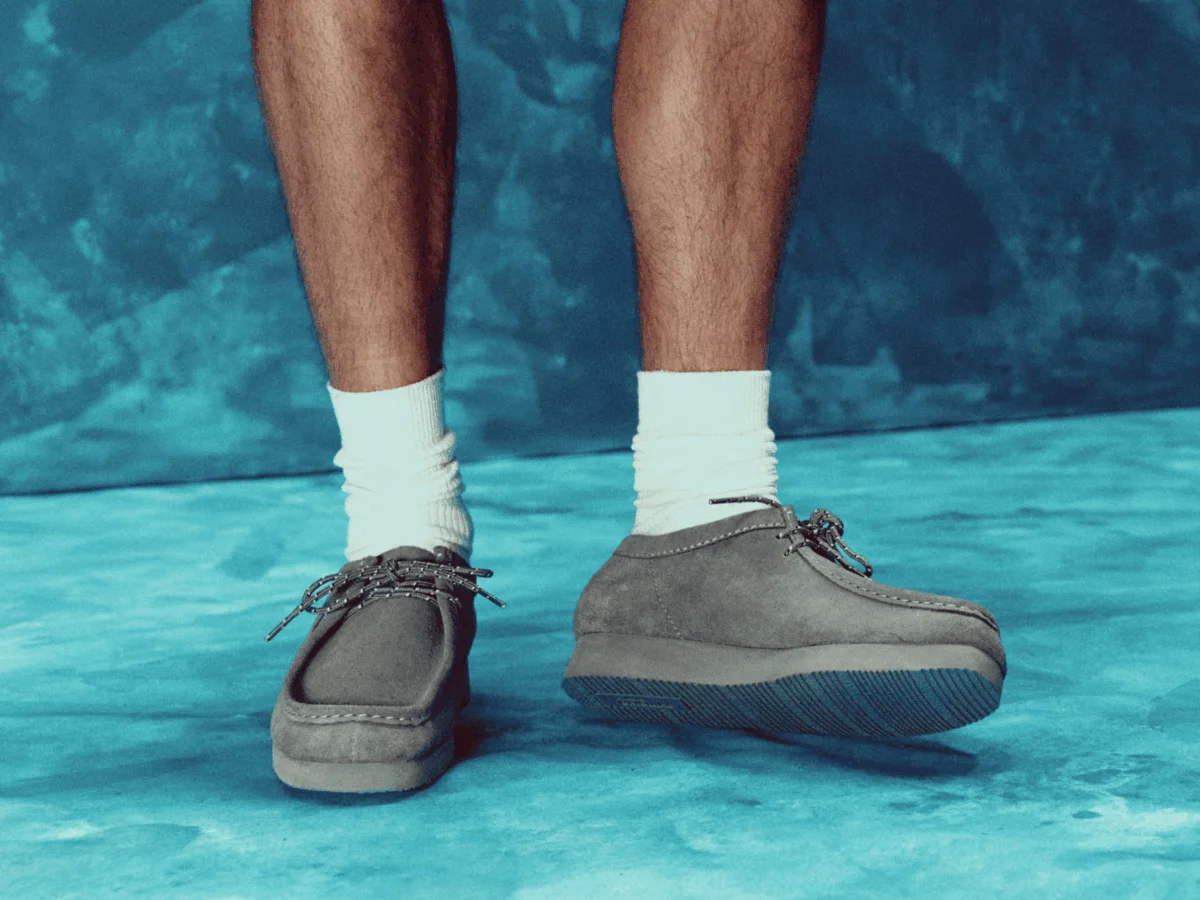
The Clarks Wallabee occupies a rarefied space in the pantheon of footwear, standing alongside the Converse Chuck Taylor, the Adidas Stan Smith, and the Dr. Martens 1460 as a silhouette that transcends the fickle boundaries of trend and subculture. It is a shoe that has been claimed by almost every major cultural movement of the last half-century: from the "rude boys" of 1960s Kingston to the Wu-Tang Clan-led hip-hop golden age of 1990s New York; from the Britpop explosion in Manchester to the meticulously curated wardrobes of Tokyo’s modern-day menswear aficionados. The world has collectively agreed that the Wallabee’s idiosyncratic design—a blend of structural brutalism and moccasin-inspired softness—simply works. However, while the classic crepe-soled original remains the standard-bearer for the brand, Clarks has reached deep into its Somerset archives to reintroduce a forgotten sibling that prioritizes the one thing the original occasionally sacrificed: pure, unadulterated lightness.
First released in 1967, the original Wallabee was a radical departure from the rigid, formal footwear that dominated the mid-century market. Based on a German moccasin called the "Grasshopper," the Wallabee featured a wide, squared-off toe box, a two-eyelet lacing system, and a thick, bouncy sole made from natural plantation crepe. It was a shoe designed around the actual shape of the human foot, a philosophy that Clarks—founded by Quaker brothers Cyrus and James Clark in 1825—had championed for over a century. The result was a silhouette that looked unlike anything else, landing in the stylistic "no man’s land" between a formal boot and a casual sneaker. It was this ambiguity that allowed it to be adopted by such diverse groups; it was rugged enough for the street but refined enough for the stage.
Yet, for all its charm, the original Wallabee’s signature crepe sole came with inherent limitations. Natural crepe is heavy, and while it provides excellent initial cushioning, it can become sticky in the heat, slippery in the wet, and notoriously difficult to clean once it absorbs the grit of the city. Recognizing a need for a more versatile, "all-day" iteration of the silhouette, Clarks introduced the Wallabee Lite in 1986. This was the era of the fitness boom and the rise of performance-oriented footwear, and the Lite was an attempt to modernize the heritage design for a generation that demanded less weight and more durability. For reasons lost to the ebbs and flows of corporate strategy, the Wallabee Lite eventually vanished from the catalog, becoming a "grail" for archive hunters and a footnote in the brand’s history.
The 2024 revival of the Wallabee Lite, meticulously reworked for the upcoming seasons and the 2026 market, represents a strategic pivot for Clarks. Rather than merely reissuing the 1986 model as a nostalgia piece, the brand’s design team has re-engineered the shoe from the ground up to meet contemporary standards of ergonomics and material science. The centerpiece of this update is the transition from traditional crepe to a newly engineered, high-density EVA (Ethylene-vinyl acetate) outsole. EVA is a closed-cell foam known for its exceptional shock absorption and lightness—it is the same material found in the midsoles of high-performance running shoes. By sculpting this material into the unmistakable proportions of the Wallabee sole, Clarks has maintained the visual identity of the shoe while drastically reducing its "swing weight," making it an ideal candidate for the modern urban commuter who may walk several miles a day.
Beyond the sole, the internal architecture of the Wallabee Lite has been enhanced. The inclusion of a removable, contoured foam footbed provides a level of arch support and heel cupping that the flat-bottomed original lacked. This focus on "underfoot" technology aligns with the broader "comfort-first" movement in menswear, where consumers are increasingly unwilling to endure a "break-in" period for their shoes. The upper remains true to the heritage of the brand, utilizing premium suedes sourced from historic tanneries like Charles F. Stead in Leeds. This suede is famous for its tight nap and "water-resistant" properties, ensuring that even the "Lite" version of the shoe retains the premium tactile feel that fans expect from the Originals line.
The cultural context of the Wallabee’s return cannot be overstated. In recent years, the fashion world has moved into what critics call the "post-sneaker" era. After a decade dominated by high-tech runners and limited-edition basketball shoes, the pendulum has swung back toward "proper" shoes—but with a twist. The modern consumer wants the aesthetic of a classic shoe with the comfort of a sneaker. This is why silhouettes like the Wallabee have seen a massive resurgence, fueled by high-profile collaborations with brands like Supreme, Aimé Leon Dore, and Stüssy. The Wallabee Lite enters this market as a "best of both worlds" proposition. It offers the heritage prestige of a 60-year-old design with a mechanical performance that rivals modern lifestyle sneakers.
The stylistic versatility of the new collection is further emphasized by its color palette. Clarks has launched the Lite in its "Big Three" colors: Maple, the quintessential sandy hue that has been a staple of hip-hop culture for decades; Black, for a more utilitarian, minimalist look; and Grey, which the brand suggests might be the "sleeper hit" of the season. Grey suede offers a neutral, sophisticated alternative that pairs effortlessly with the charcoal and navy tones prevalent in Japanese "City Boy" styling. For those looking to make a bolder statement, the inclusion of Red and Dusty Pink suggests that Clarks is also targeting the more adventurous, "Gorpcore" and high-fashion adjacent demographics who use footwear as a primary focal point of an outfit.
To further bridge the gap between utility and personal expression, each pair of Wallabee Lites comes with two sets of laces. The flat tonal laces offer a clean, traditional look, while the flecked round laces—reminiscent of those found on hiking boots—lean into the rugged, outdoorsy aesthetic that currently dominates menswear mood boards. This attention to detail reflects a broader trend in the industry toward customization and "modular" fashion, where the wearer is encouraged to adapt the product to their specific environment or mood.
The significance of the Wallabee Lite’s return is also felt in the geography of its fandom. In Tokyo, where the "Amekaji" (American Casual) and British heritage scenes intersect, the Wallabee is a foundational garment. Shops in districts like Daikanyama and Shimokitazawa have long championed the Clarks silhouette as the perfect companion to oversized denim and vintage military jackets. For the Japanese market, which values both historical pedigree and technical innovation, the Wallabee Lite is likely to be received as a logical evolution rather than a compromise. It respects the "anatomical last"—the foot-shaped mold—that defines the brand, while acknowledging that the materials of 1967 may not always be the best choice for the lifestyle of 2026.
Analyzing the broader footwear landscape, the Wallabee Lite is positioned against competitors like the Birkenstock Boston or the various "hybrid" loafers produced by high-end designers. However, Clarks possesses a narrative weight that many of these brands lack. When a customer puts on a Wallabee, they are stepping into the same shoes worn by the Verve’s Richard Ashcroft on the cover of Urban Hymns, or by Walter White as he built a desert empire in Breaking Bad. They are participating in a lineage of "cool" that is remarkably democratic. The Lite version does not dilute this lineage; it expands it, making the shoe accessible to those who may have found the original crepe sole too heavy, too high-maintenance, or too "old school."
In conclusion, the revival of the Wallabee Lite is a masterclass in how a heritage brand can mine its own history to solve modern problems. By taking a 1980s experiment and refining it with 21st-century materials, Clarks has created a product that feels both nostalgic and futuristic. It is a reminder that good design is rarely about starting from scratch, but rather about understanding which elements are timeless and which are ripe for improvement. Whether styled with a tailored suit, a pair of baggy cargos, or simple corduroys, the Wallabee Lite proves that the "moccasin-y" silhouette is far from finished. It remains a rare example of a shoe that "just works," now made even better for the world that lies ahead. For the enthusiast who has always loved the look but craved a more agile experience, the wait for the perfect Wallabee is finally over.
