
 By admin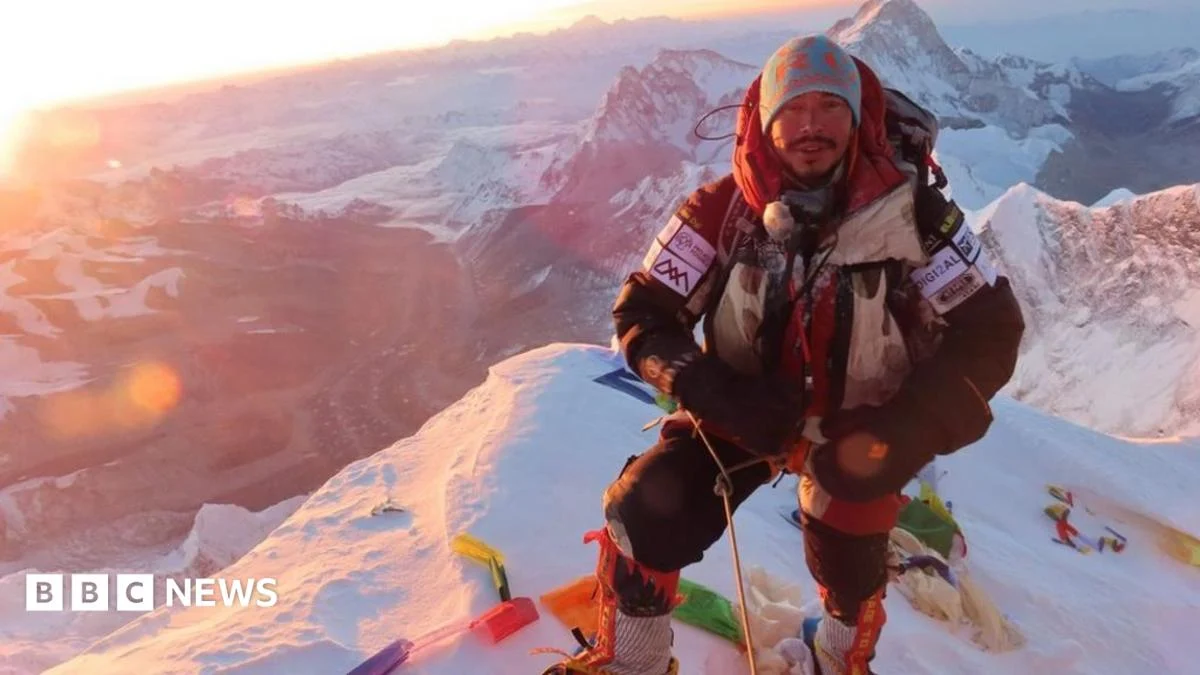
A devastating avalanche on Broad Peak, one of the world’s most formidable and highest mountains, has triggered a massive search and rescue operation for a 10-person international expedition, resulting in the recovery of two bodies and a body part. The Alpine Club of Pakistan, initially reporting four bodies located on the 8,047-meter (26,400ft) peak in the Karakoram range, later clarified the grim discovery, confirming the retrieval of two deceased climbers and a partial human remains. The deceased have been identified as Nadhira Ahmed Abdullah Al Harthy from Oman and Pur Bahadur Gurung from Nepal, a respected figure in the mountaineering community.
The incident has cast a pall over the high-altitude climbing world, particularly given the expedition’s leadership by the renowned Nepal-born climber Nirmal Purja. Purja, a former British Army soldier and member of the elite Special Boat Service, has etched his name in mountaineering history with his audacious "Project Possible," where he summited all 14 of the world’s 8,000-meter-plus mountains in a staggering six months and six days in 2019. His involvement in this expedition underscores the high caliber of climbers involved and the inherent risks associated with such challenging endeavors.
The search for the remaining seven expedition members, who were spotted by aerial drones, is ongoing, though their exact condition remains precarious. Rescue efforts were suspended due to adverse weather conditions and are scheduled to resume at sunrise on Saturday. The location of the final climber is still unknown, adding to the palpable anxiety surrounding the fate of the team.
The Alpine Club of Pakistan has been closely monitoring the situation, receiving updates on the GPS trackers of three expedition members, including Purja. However, a helicopter dispatched to investigate these signals could not visually confirm any activity at the indicated locations. The discovery of one of the trackers smashed has led authorities to suspect that the observed movement might have been a technical glitch rather than an indication of survivors. This sobering revelation highlights the unpredictable nature of high-altitude rescues and the limitations imposed by extreme environmental factors.
Naila Kiani, the communications lead for the Alpine Club of Pakistan, expressed the grim reality of the situation, stating that the chances of survival for those exposed to the harsh conditions for over 24 hours are "very slim." However, she tempered this stark assessment with a glimmer of hope, adding that "miracles do happen," a sentiment resonating with the global mountaineering community.
In a swift response to the unfolding crisis, two rescue helicopters, equipped with specialized personnel and gear, were dispatched by the Pakistan Army on Friday to bolster the ongoing search and rescue operation. The Alpine Club of Pakistan has issued a statement of solidarity, praying for the safety and successful rescue of all climbers and extending their condolences and support to the families and the international mountaineering fraternity during this distressing period.
The expedition comprised a diverse group of experienced climbers, each with a remarkable mountaineering pedigree. Among the missing is American Mallory Geis, who had enthusiastically prepared for her "first big kid climbing expedition in Pakistan," as she posted on social media in mid-June. Geis was part of a group that included Pakistani national Sohail Sakhi, whose GPS tracker was found smashed. Sakhi is currently the only team member who has not been visually spotted.
Other significant names among the potentially missing include Pur Bahadur Gurung, also known as Yukta, and Kili Pemba Sherpa. Yukta is a certified guide by the International Federation of Mountain Guides Associations and was reportedly close to completing the formidable 14 Peaks Challenge. Kili Pemba Sherpa boasts an impressive resume, having summited Mount Everest an astounding 15 times. He was also a member of a historic K2 winter expedition in 2021, alongside several Nepali climbers, including Purja. Pemba’s guiding expertise was further demonstrated when he led double amputee Chinese climber Xia Boyu to the summit of Everest in 2018, a testament to his skill and dedication.
Broad Peak, standing at 8,047 meters, is the 12th highest mountain in the world and is renowned for its challenging ascents. The first successful summit was achieved in 1957 by an Austrian expedition. Since then, the mountain has witnessed numerous ascents, but it has also claimed the lives of dozens of climbers. The year 2013 was particularly deadly, with at least six fatalities recorded on Broad Peak, underscoring the inherent dangers of this formidable peak.
The initial miscommunication from the Alpine Club of Pakistan regarding the number of bodies recovered has been clarified. A correction issued on July 31, 2026, acknowledges the miscommunication and amends the story to reflect the accurate details of the recovery. This correction highlights the chaotic and rapidly evolving nature of disaster response in remote and challenging environments, where clear communication is paramount.
The ongoing rescue effort on Broad Peak serves as a stark reminder of the extreme risks inherent in high-altitude mountaineering. The courage and determination of these climbers, coupled with the dedication of the rescue teams, are being tested against the unforgiving forces of nature. The world watches with bated breath, hoping for miraculous outcomes amidst the tragedy that has unfolded on this majestic yet perilous peak. The expertise of climbers like Nirmal Purja and the logistical support from organizations like the Alpine Club of Pakistan and the Pakistan Army are crucial in such high-stakes operations. The international nature of the expedition further emphasizes the global appeal and inherent dangers of climbing the world’s highest mountains, uniting individuals from diverse backgrounds in their pursuit of extraordinary feats, and sadly, sometimes in shared peril. The recovery of the bodies, while devastating, provides some closure to the families, but the fate of the remaining climbers hangs precariously in the balance, awaiting the resumption of rescue efforts under the vast, indifferent sky of the Karakoram.
