
 By admin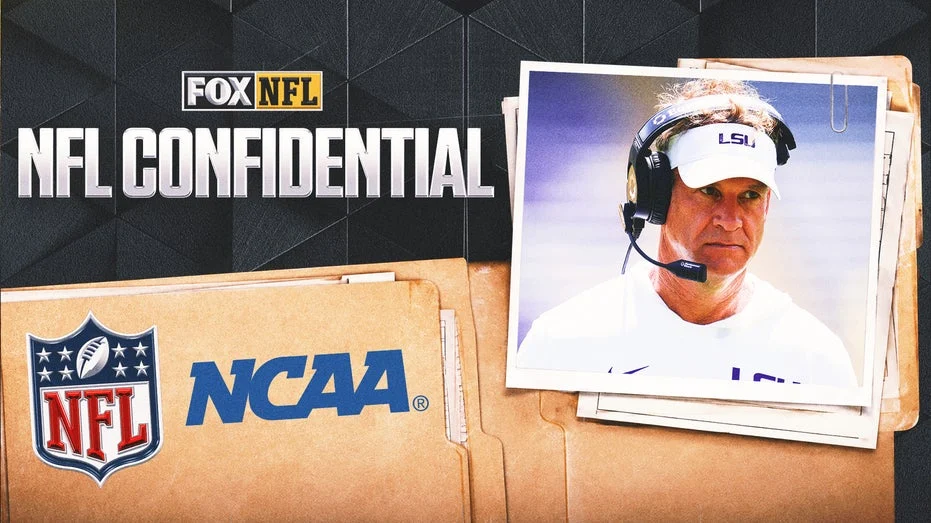
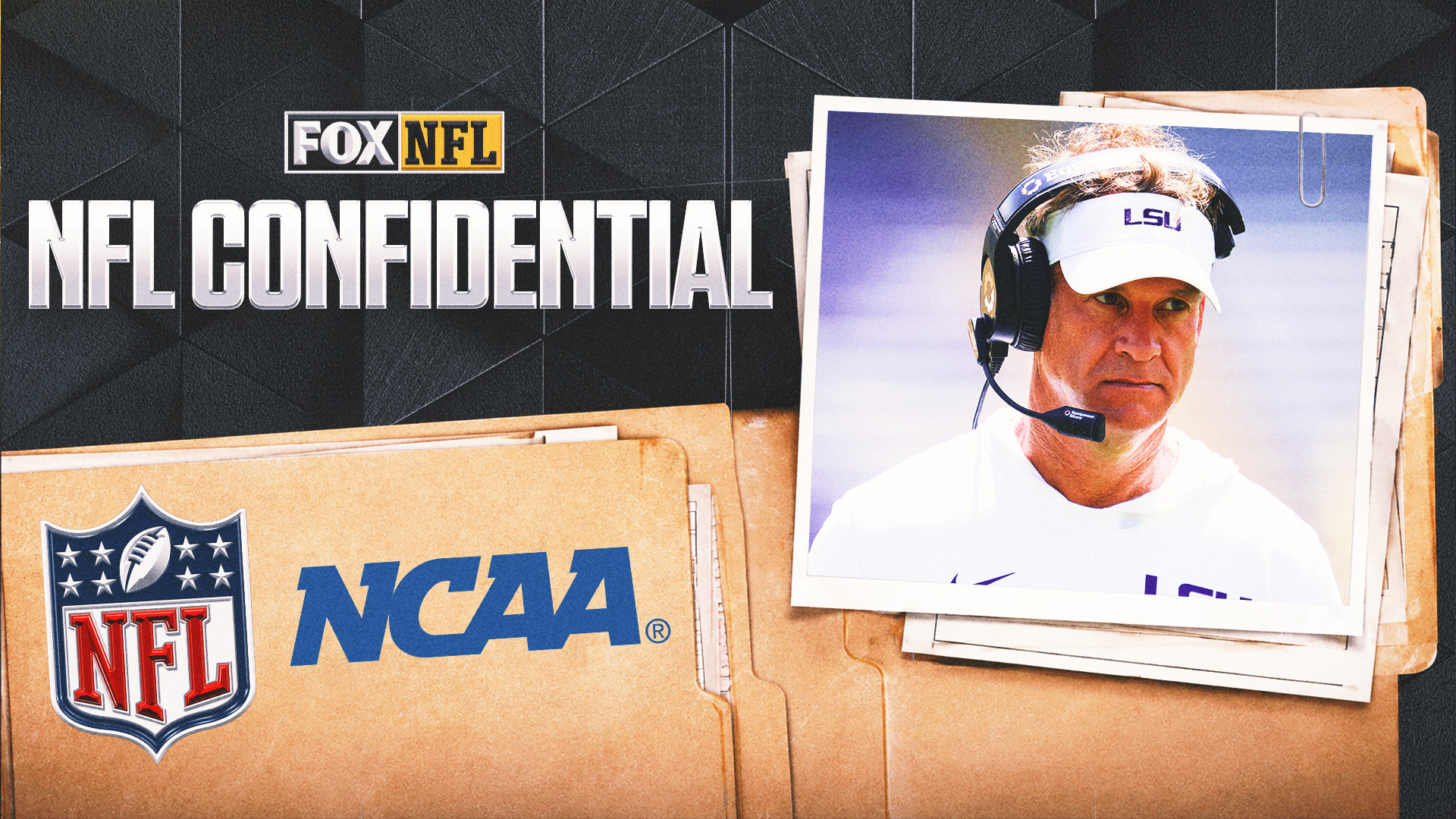
A seismic shift is potentially underway in the landscape of college and professional football, sparking significant unease and debate within NFL circles. The unique situation of former Ole Miss tight end Dae’Quan Wright, poised to become the first player to return to college football after being rostered by an NFL team, has illuminated a complex web of NCAA eligibility rules, court injunctions, and conference responses. Wright, recently released by the Cleveland Browns, was reportedly set to join head coach Lane Kiffin at LSU. However, on Tuesday, a crucial development emerged: the Southeastern Conference (SEC) announced it would align with the Big Ten Conference in disallowing players who have already signed an NFL contract from participating in collegiate play within their leagues.
This contentious scenario is rooted in a temporary restraining order granted to 16 former college football players, including Wright. These athletes sued the NCAA seeking an additional year of eligibility, and the court’s order, initially intended to permit their participation in the 2026 college football season, created an unexpected opening. Opportunistic college head coaches, notably Lane Kiffin, began exploring the possibility of adding players who had already inked deals with NFL franchises. The ripple effects of these legal rulings and the subsequent conference decisions are now prompting strong reactions from those within the NFL.
Conversations with individuals across the league reveal a prevailing sentiment of confusion and frustration regarding the NCAA’s current state of affairs. "They really have to get their s— together," a seasoned NFL scout confided, articulating a widespread feeling that the NCAA is operating in a "Wild Wild West" environment where rules are in constant flux. The scout elaborated on the bewildering nature of the recent developments, which stem from court rulings in Colorado and Louisiana. These rulings, in effect, appear to grant a fifth year of eligibility to players who began their college careers in 2022 and subsequently entered the NFL. The Big Ten’s decision to defy these court orders by prohibiting such players from returning to college football adds another layer of complexity. The SEC’s stance, while opposing the rulings, indicated it would not actively obstruct players from returning, creating a fragmented regulatory landscape.
The implications for the NFL are significant and far-reaching. For scouts and executives who spend considerable time and resources evaluating and developing collegiate talent, the prospect of losing players they’ve invested in back to the college ranks is a source of considerable concern. "All that NIL money was bad enough. It basically wiped out the talent in the later rounds of the draft because too many marginal players could afford to stay in school," the scout lamented. "But now we’re going to have guys who would’ve stayed on the practice squad leaving too? We’ll spend 3-4 months investing in their growth, developing them as a player, only to watch them go back to LSU?" This sentiment highlights the perceived disruption to the traditional talent pipeline and the potential for wasted developmental efforts.
An NFL executive, speaking via text, echoed these sentiments, stating, "It all looks bad. But we don’t know where all this is going yet. It feels like just the beginning of a really big mess." This outlook underscores the uncertainty surrounding the long-term consequences of these eligibility battles. The prospect of other conferences following the Big Ten and SEC’s lead, or conversely, aligning with the court rulings, creates a scenario where college football’s competitive balance could be significantly altered, making NFL draft evaluations even more challenging.
The NCAA’s purported inability to establish consistent and predictable rules is a recurring theme in these discussions. This lack of clarity not only impacts the college game but also creates a degree of apprehension within the NFL regarding the integrity of the draft process and the development of its future talent pool. The "5/5 rule," a recent NCAA eligibility framework, has been cited as a factor in this evolving situation. This rule generally allows student-athletes five years of eligibility within a five-year period, but the court injunctions appear to be creating exceptions for a specific cohort of players.
However, not all voices within the NFL are sounding the alarm with the same intensity. One NFL agent offered a more measured perspective, suggesting that the current turmoil might be a transient phenomenon, largely dictated by the specifics of the NCAA’s new eligibility rules. "It only applies to this tiny group of players this year who made a decision prior to the rule change," the agent explained. "It would never apply again because any other player in the future would make whatever decision they made after the college season based on the 5/5 rule, if it stays in effect."
This agent’s viewpoint hinges on the idea that the current situation is a one-off event, a consequence of players making decisions under one set of rules before a new framework was fully implemented or interpreted. "So, this really isn’t a long-term issue. It’s a one-off, so the NFL won’t and shouldn’t care about these few guys who weren’t making teams to begin with," the agent asserted. The logic here is that the players currently benefiting from the ruling are those who, under the new rules, would be eligible for college in 2026 but were not under the old ones. Crucially, the agent emphasized that any player making a decision after the 2026 season would be doing so with full awareness of the existing eligibility rules, making their choices less likely to be reversed or contested. The comparison is drawn to true juniors who leave for the NFL with two years of eligibility remaining; their decision is final, and they don’t typically regain eligibility.
The path for players to regain college eligibility, as outlined, involves terminating their professional contracts and repaying any earnings received from NFL teams. This mechanism, while seemingly straightforward, adds another layer of complexity to the decision-making process for both the players and the NFL. The agent’s perspective suggests that the NFL should not be overly concerned about a handful of players returning to college, particularly those who were on the fringes of making an NFL roster. The focus, according to this view, should remain on the broader, long-term implications of eligibility rules rather than this specific, potentially short-lived, loophole.
The question of draft eligibility for players who return to college after signing with NFL teams remains a significant unknown. League evaluators will undoubtedly face the challenge of re-evaluating prospects who have gained additional playing time and developmental opportunities in the collegiate setting. One veteran NFL scout proposed a pragmatic approach to this dilemma. "You have to reevaluate them because they will be getting more reps to develop and grade, similar to getting reps in the UFL or CFL," the scout stated. "If they like them, then they should be considered as a street free agent to sign if they were previously in an NFL camp. That’s how the NFL should handle it in my eyes."
This suggested framework would treat players returning to college similarly to those who participate in alternative professional leagues like the UFL or CFL. It acknowledges that these players are gaining valuable experience that could enhance their overall development. By classifying them as street free agents if they were previously in an NFL camp, the league could streamline the process of re-integrating them into the professional scouting system. This approach aims to maintain a degree of fairness and consistency in how players are assessed, regardless of their path through the collegiate or professional ranks.
The ongoing legal battles and conference responses highlight a fundamental tension between the NCAA’s historical regulatory authority and the evolving landscape of athlete rights and professional opportunities. The name, image, and likeness (NIL) era has already significantly altered the dynamics of college sports, and this current eligibility crisis represents another significant challenge to the NCAA’s traditional model. As the legal proceedings continue and conferences deliberate on their stances, the NFL will be closely observing, bracing for further developments that could reshape the future of both college and professional football. The ultimate resolution of these issues will likely have lasting implications for player eligibility, draft processes, and the overall structure of the sport. The coming months are expected to be critical in defining the new normal for collegiate athletes navigating the complex intersection of college eligibility and professional aspirations. The convergence of legal rulings, conference policies, and the strategic decisions of collegiate and professional organizations creates a compelling narrative of adaptation and uncertainty in the world of American football.
