
 By admin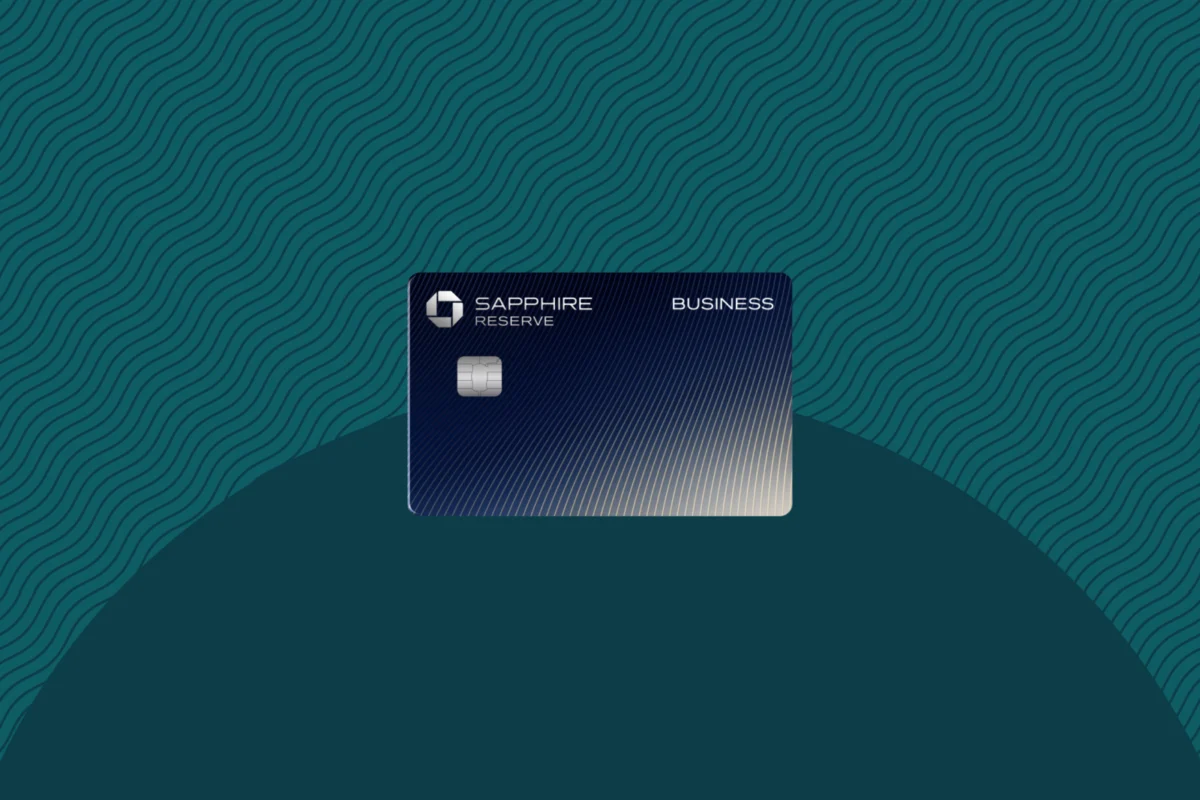
Managing a modern enterprise, whether it is a sprawling corporation or a burgeoning side hustle, necessitates a sophisticated approach to financial management. In an era where every transaction represents an opportunity for a return on investment, selecting the right business credit card is no longer a matter of convenience; it is a strategic imperative. From the high-stakes world of digital advertising and international logistics to the daily necessities of office supplies and client dinners, the landscape of business spending is diverse. Consequently, the credit card market has evolved to offer hyper-specialized products designed to reward specific spending behaviors, providing business owners with a powerful lever to maximize their cash flow and travel potential.

The fundamental challenge for any entrepreneur is matching their unique spending habits to the card that offers the highest yield. A freelancer with minimal overhead has vastly different needs than a retail owner with six-figure monthly inventory costs or a consultant who spends half the year in airport lounges. The current market is dominated by a few key players—American Express, Chase, and Capital One—each offering a distinct philosophy on rewards, ranging from high-multiple category bonuses to simple, flat-rate earning structures. This guide provides a comprehensive analysis of the top business credit cards currently available, enriched with expert perspectives on how to leverage them for maximum growth.
The Premium Powerhouses: High-Spend and Luxury Travel
For businesses with significant annual expenditures and a need for premium travel benefits, the top-tier cards from American Express and Chase offer unparalleled value, albeit with higher annual fees.
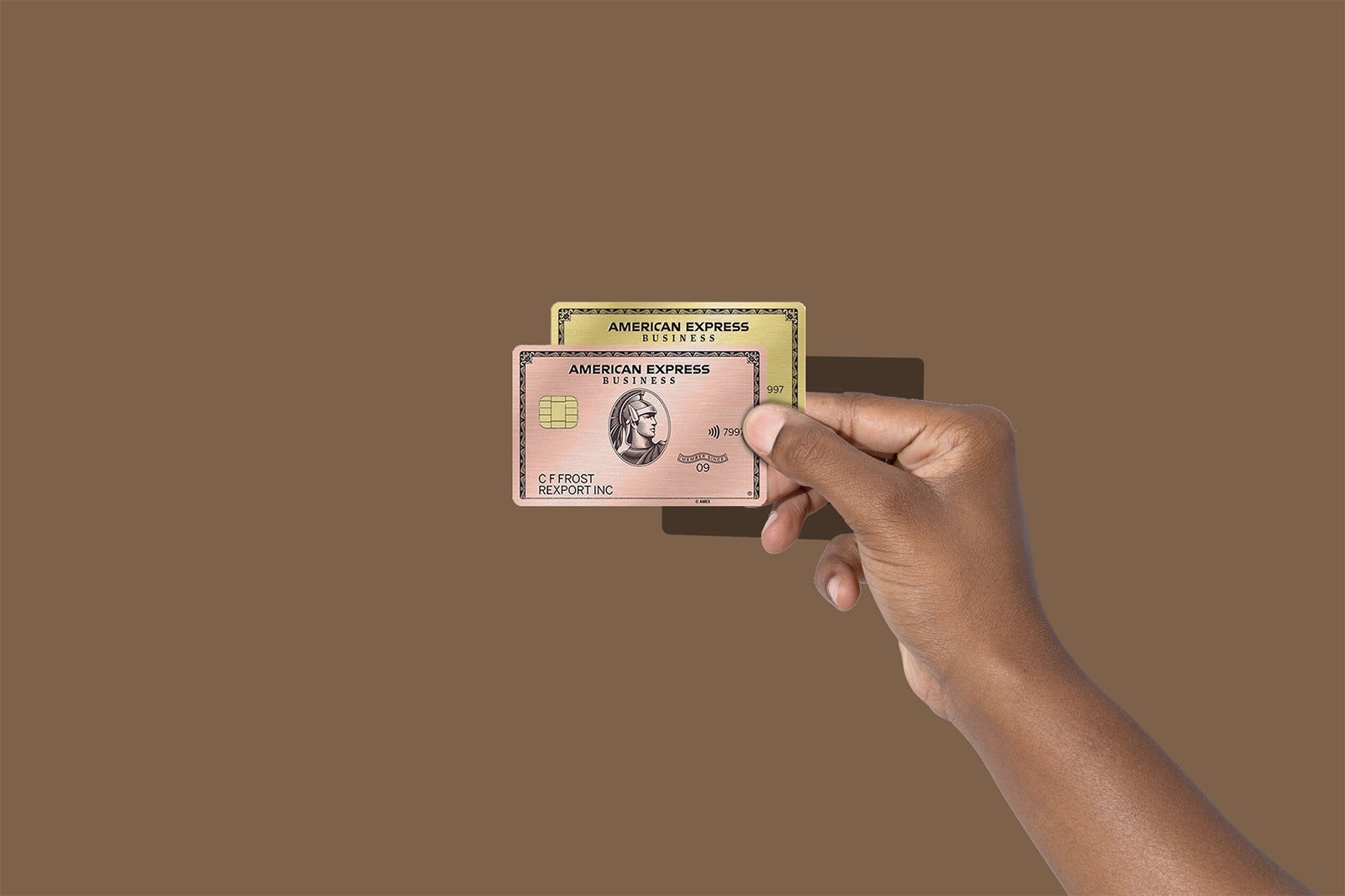
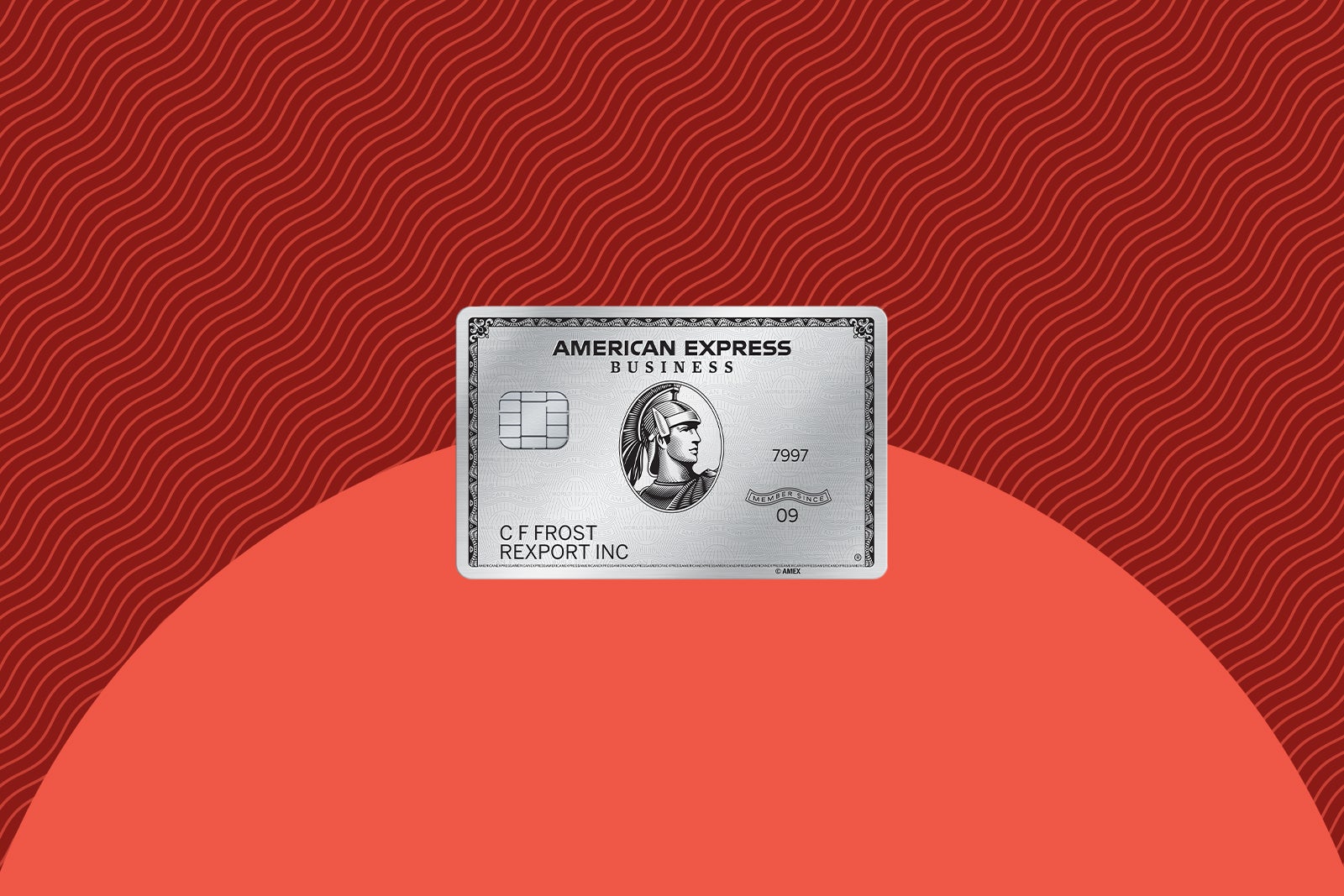
The Business Platinum Card® from American Express remains the gold standard for the frequent business traveler. With a welcome offer that can reach as high as 300,000 bonus points after a $20,000 spend in the first three months, the card provides an immediate and massive infusion of capital into a business’s rewards pool. While the $895 annual fee is substantial, it is offset by an extensive suite of credits, including up to $200 in airline fee credits and up to $600 for Fine Hotels + Resorts or The Hotel Collection bookings. For the executive who views the airport as their second office, the unrivaled lounge access—including the Centurion Lounge network, Delta Sky Clubs (when flying Delta), and Priority Pass—justifies the cost. Furthermore, the card’s 1.5x earning rate on eligible purchases of $5,000 or more (up to $2 million per year) makes it a favorite for businesses making large, lump-sum equipment or inventory purchases.
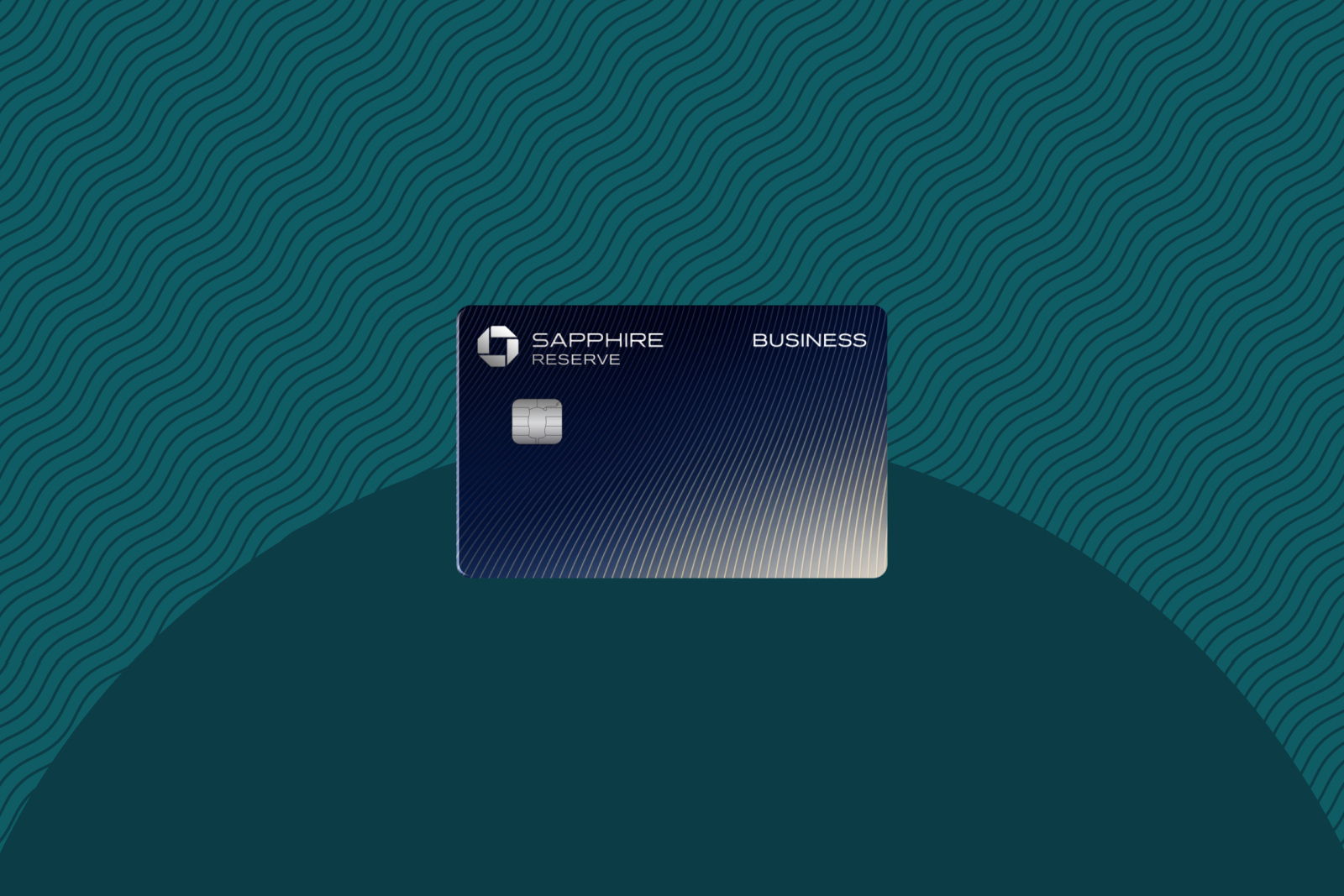
In direct competition is the Chase Sapphire Reserve for Business. Positioned as Chase’s most prestigious business offering, it carries a $795 annual fee but targets a specific niche: the high-growth digital agency. Unlike many competitors that cap rewards on advertising spend, this card offers an uncapped 3 points per dollar on social media and search engine advertising. For a business spending millions on Google or Meta ads, this feature alone can generate millions of Ultimate Rewards points annually. Additionally, the card offers 4 points per dollar on flights and hotels booked directly, alongside a suite of travel protections that are widely considered the best in the industry. Points earned here are highly flexible, capable of being transferred to partners like Hyatt or United, or redeemed through Chase Travel with a significant "Points Boost" that elevates the value of every point.
The Mid-Tier Workhorses: Flexibility and High Yield
Not every business needs a thousand-dollar metal card, but most need a reliable way to earn rewards on their most frequent expenses. This is where the mid-tier cards, typically with annual fees under $400, shine.
The American Express Business Gold Card is perhaps the most "intelligent" card in the market. It automatically calculates a business’s top two spending categories each billing cycle and awards 4 points per dollar on those categories (up to $150,000 in combined spending annually). This flexibility is vital for businesses whose needs shift seasonally; a company might spend heavily on advertising in the fourth quarter but pivot to shipping and hardware in the first quarter. The card’s August 2026 valuation suggests that a 200,000-point welcome offer could be worth up to $4,000, providing a massive return on the $375 annual fee.
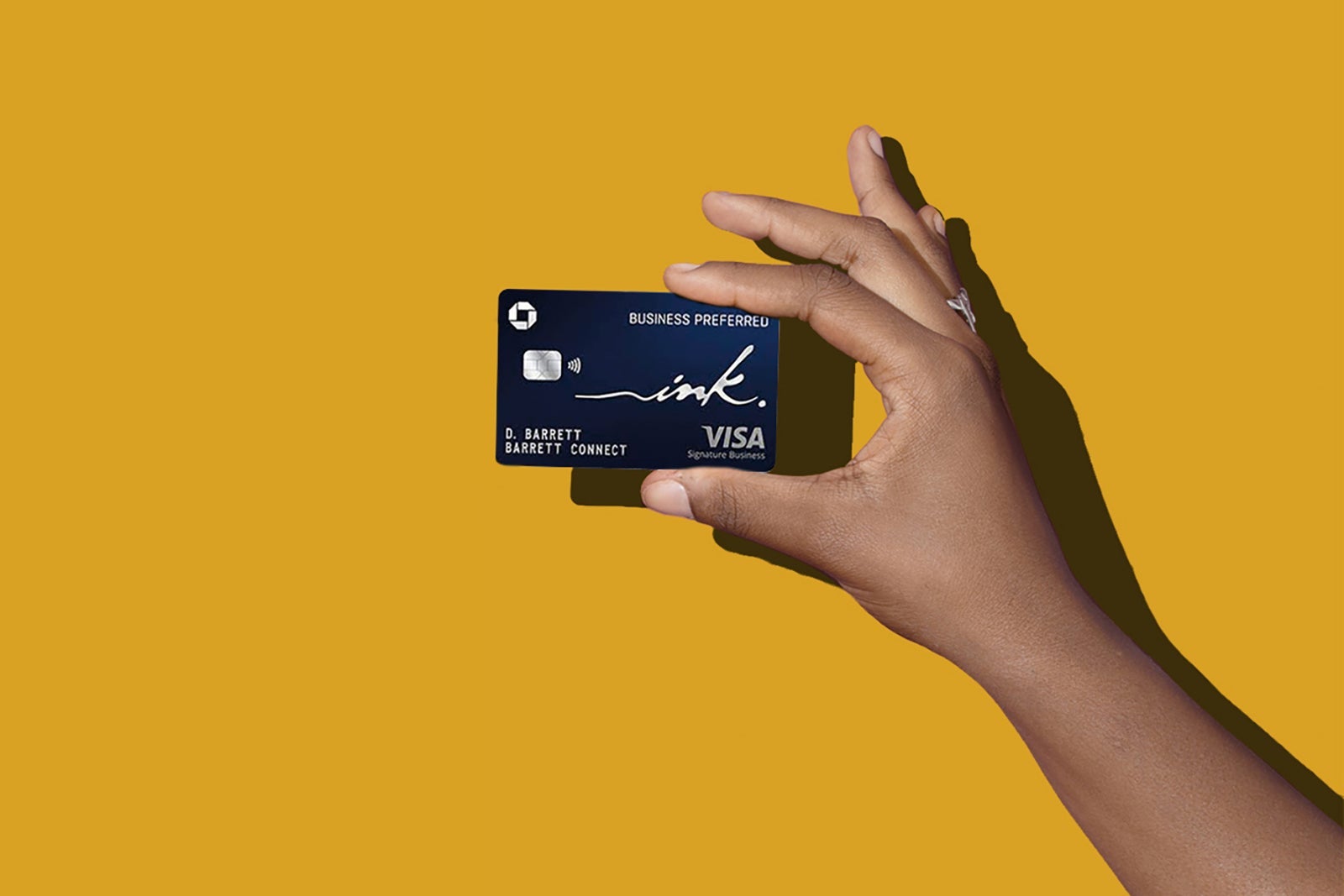
For those who prefer the Chase ecosystem, the Ink Business Preferred Credit Card offers a compelling alternative at a much lower $95 annual fee. It rewards the "modern office" by offering 3 points per dollar on travel, shipping, telecommunications, and advertising. This card is often the "anchor" of a Chase business strategy, as it allows owners to transfer points earned on other "no-fee" Ink cards to Chase’s travel partners, effectively unlocking a higher valuation for every dollar spent across the entire business.
The Flat-Rate Disruptors: Simplicity and Scale
A growing segment of the business world is moving away from complex "bonus categories" in favor of flat-rate rewards. This is particularly useful for businesses whose spending is erratic or doesn’t fit into traditional buckets like "dining" or "office supplies."
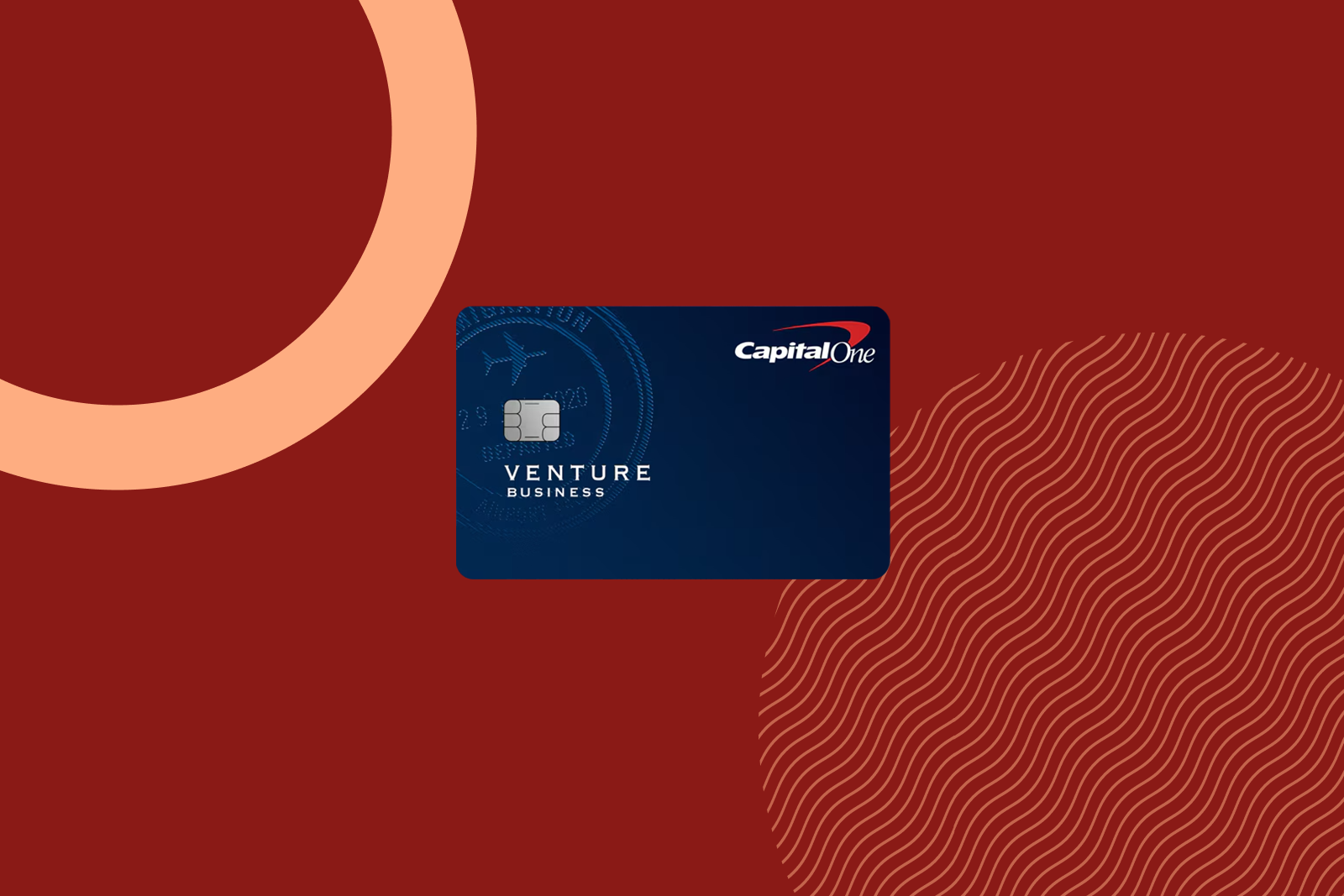
The Capital One Venture X Business has emerged as a formidable player in this space. For a $395 annual fee, it offers a simple 2 miles per dollar on every single purchase, regardless of the category. This "set it and forget it" approach is paired with high-end perks usually reserved for more expensive cards, such as a $300 annual travel credit and 10,000 bonus miles every anniversary. For a business that spends $500,000 a year on miscellaneous manufacturing supplies or specialized professional services, the Venture X Business generates a consistent 1,000,000 miles, which can be transferred to over 15 travel partners.
For businesses with lower overhead or those just starting out, the Capital One Venture Business ($95 annual fee) and the Ink Business Unlimited ($0 annual fee) provide excellent entry points. The Ink Business Unlimited, in particular, is a favorite for side hustlers, offering a flat 1.5% cash back on all purchases. When paired with a personal Chase Sapphire card, that 1.5% cash back can be converted into Ultimate Rewards points, potentially doubling its value when used for high-end travel.

Strategic Segments: Tailoring the Card to the Industry
Beyond the broad categories, certain cards are built for specific operational models.
-
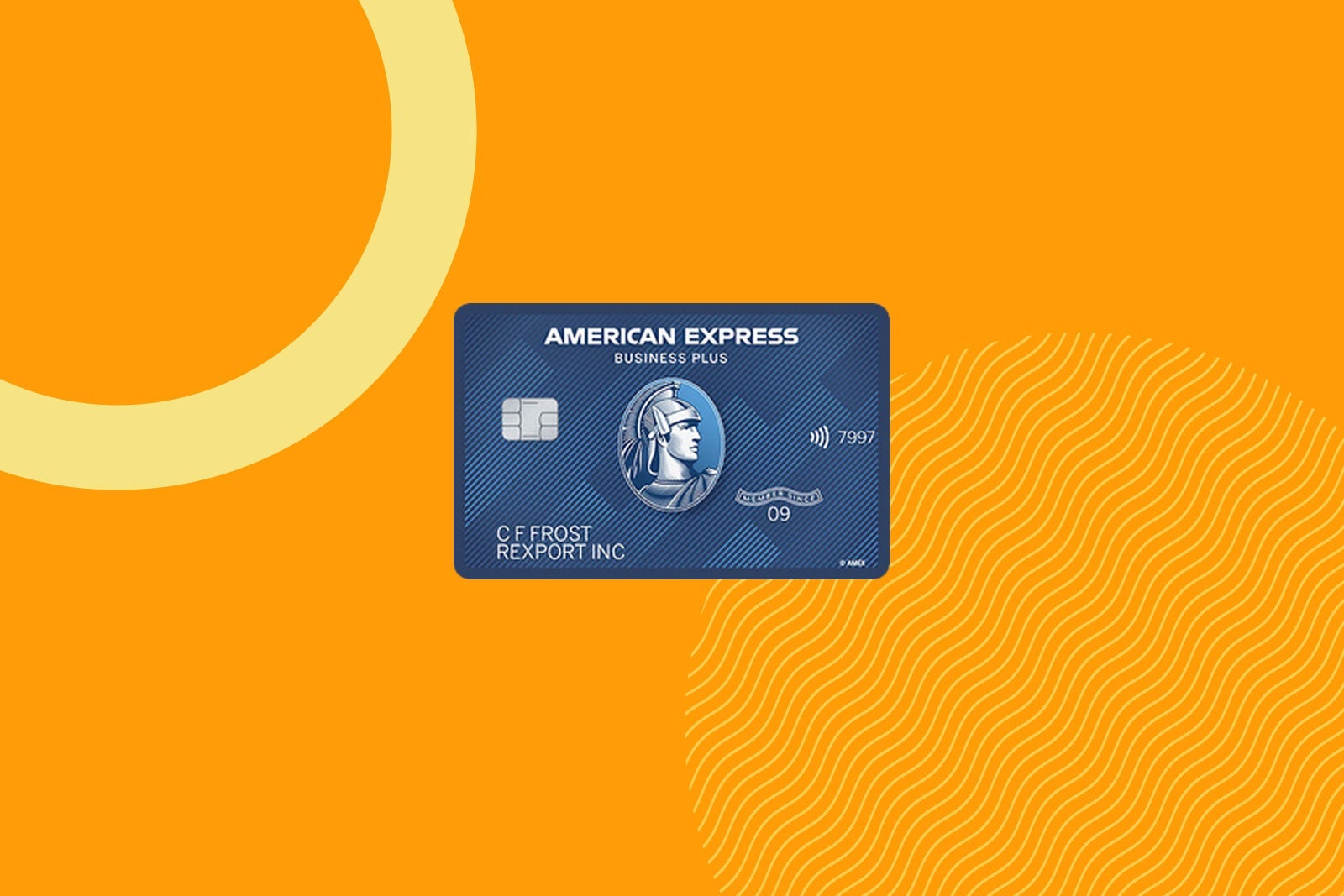
The Side Hustler and Freelancer: For the weekend Etsy seller or the freelance graphic designer, the American Express Blue Business Plus is an essential tool. With no annual fee, it earns 2 Membership Rewards points per dollar on the first $50,000 spent each year. This allows small-scale entrepreneurs to earn premium travel rewards without the pressure of a high annual fee.
-
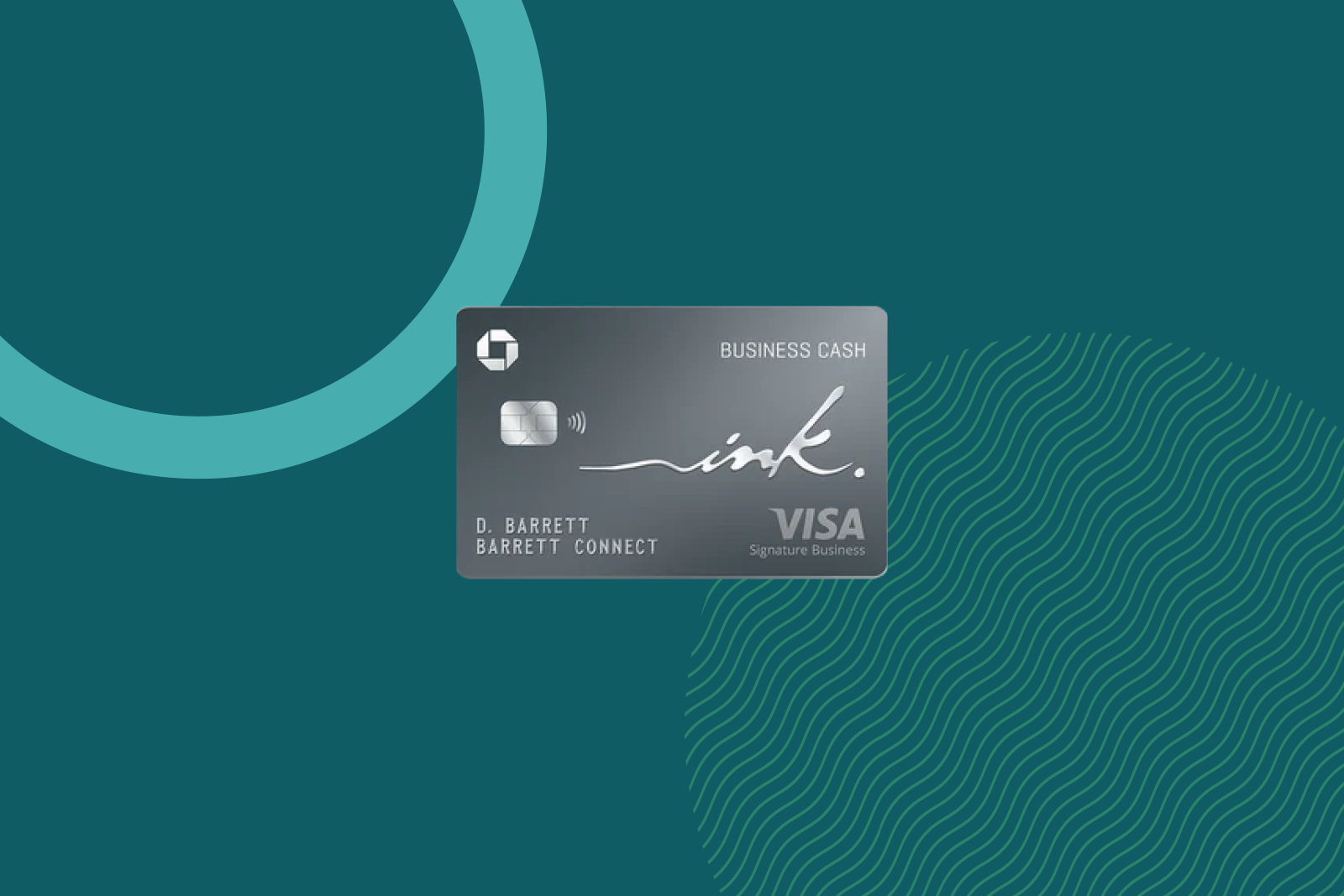
The Brick-and-Mortar Retailer: Businesses with physical locations often have high utility and office supply costs. The Ink Business Cash Credit Card is uniquely suited for this, offering a staggering 5% cash back on office supplies and select utilities (on the first $25,000 in combined spending). For a small boutique or a local dental practice, these savings can represent a significant portion of the annual profit margin.
-
The Loyal Flyer: If a business’s operations are centered around a specific hub—such as United in Chicago or Houston—a cobranded card like the United Business Card becomes indispensable. Beyond the miles earned, the "soft" benefits like free checked bags and priority boarding save the business actual cash and time, while the path to Premier status ensures that employees are treated better while on the road.
Analysis: The Macroeconomic Benefit of Business Credit
The move toward specialized business credit cards reflects a broader trend in the global economy: the "consumerization" of business finance. Historically, business credit was a cold, transactional affair involving lines of credit and rigid bank terms. Today, financial institutions recognize that small business owners are also consumers who value experiences, luxury travel, and ease of use.
By utilizing these cards, businesses are essentially creating a self-funding travel or cash-back department. An advertising agency spending $100,000 a month on client campaigns can, through the right card, generate enough points to fly its entire executive team to a conference in Europe for free every year. This is not just "perks"; it is a sophisticated method of reducing operational expenses and improving employee morale without touching the bottom line.
Conclusion: Navigating the Decision
Choosing the right business card requires an honest audit of the previous 12 months of spending. Business owners should categorize their expenses and identify their largest "leaks." If those leaks are in shipping and advertising, the Ink Business Preferred or Amex Business Gold are the clear winners. If the spend is spread across hundreds of small, unclassified vendors, a flat-rate card like the Venture X Business is superior.
Ultimately, the best strategy often involves a "multi-card" approach—using a 5% card for utilities, a 4x card for advertising, and a 2x flat-rate card for everything else. As the data shows, the right combination of cards doesn’t just manage business expenses; it turns those expenses into one of the business’s most valuable assets. Reflection on spending habits today can lead to thousands of dollars in rewards and improved financial health tomorrow.
