
 By admin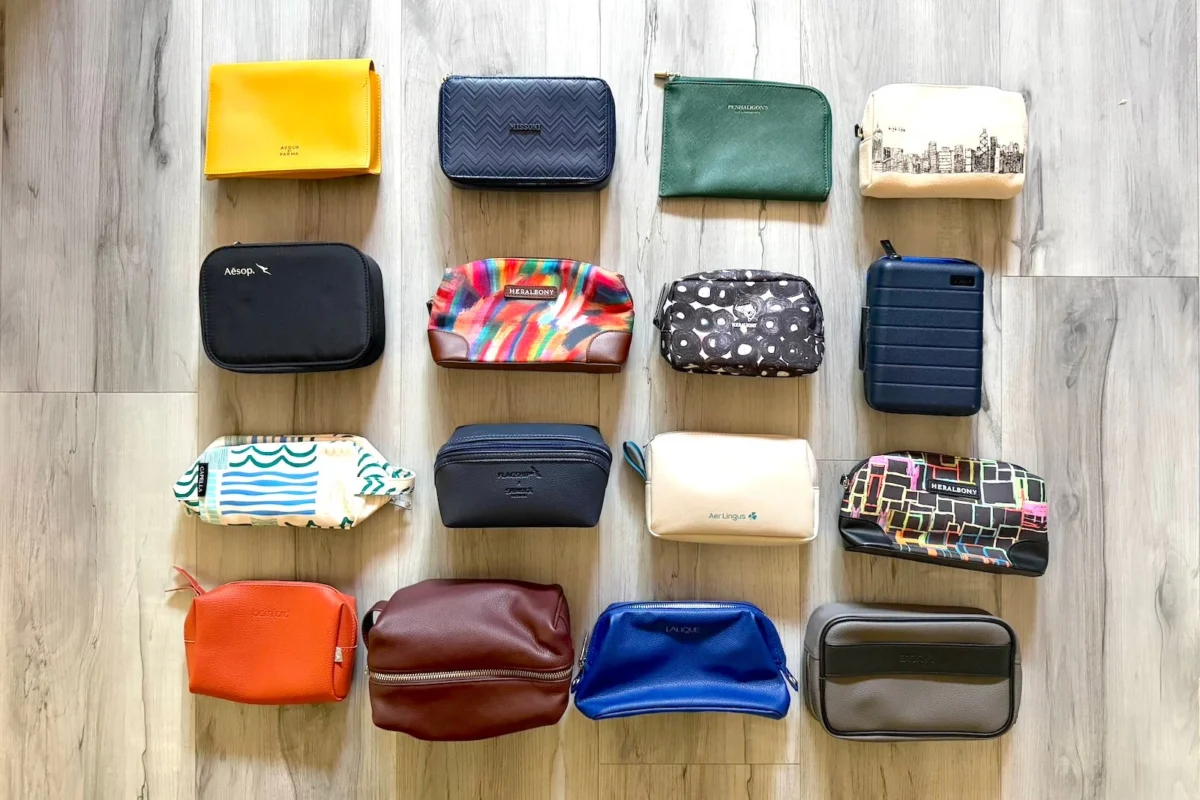
For many frequent flyers, the allure of the premium cabin is not just the lie-flat seat or the multi-course dining service, but the small, colorful pouch waiting on the ottoman: the inflight amenity kit. These kits, often born from high-profile partnerships between global airlines and luxury skincare houses like Sisley, Kiehl’s, or Ferragamo, serve as a tangible token of the "front of the plane" experience. They are designed to provide a sense of pampering and restoration amidst the grueling environment of long-haul travel. However, for travelers with specific skin sensitivities, allergies, or simply a preference for consistency, these pre-packaged luxuries can often be more of a hindrance than a help.
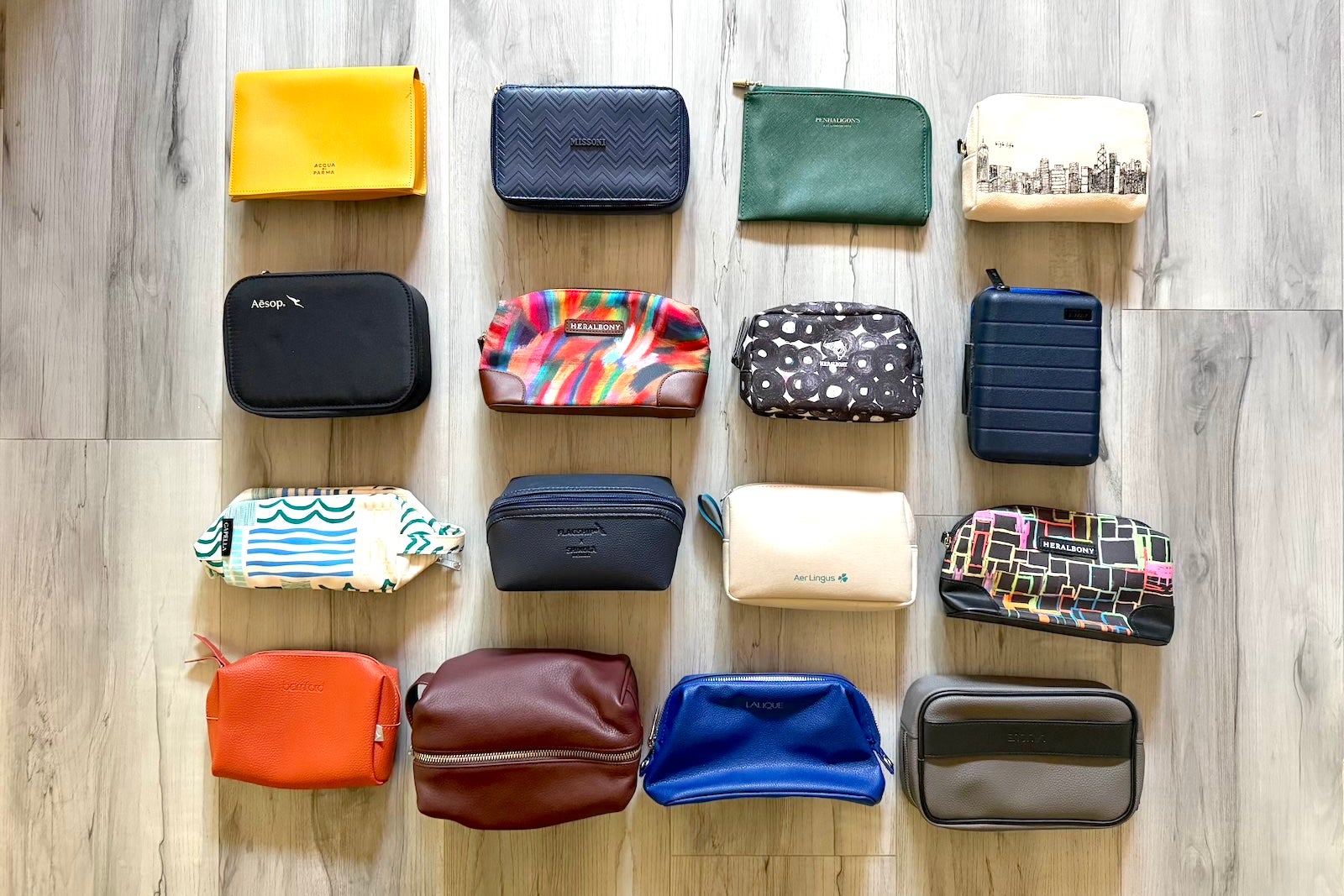
The reality of the airline amenity kit is that it is a "one-size-fits-all" solution to a very individual problem. While the average passenger may find an aloe-infused moisturizer soothing after ten hours in a pressurized tube, for others, it can trigger a dermatological disaster. This is the catalyst for a growing movement among savvy travelers: the DIY inflight amenity kit. By curating a personal selection of essentials, passengers can ensure that every product they apply is safe, effective, and tailored to their specific needs, regardless of whether they are flying in a first-class suite or a standard economy seat.
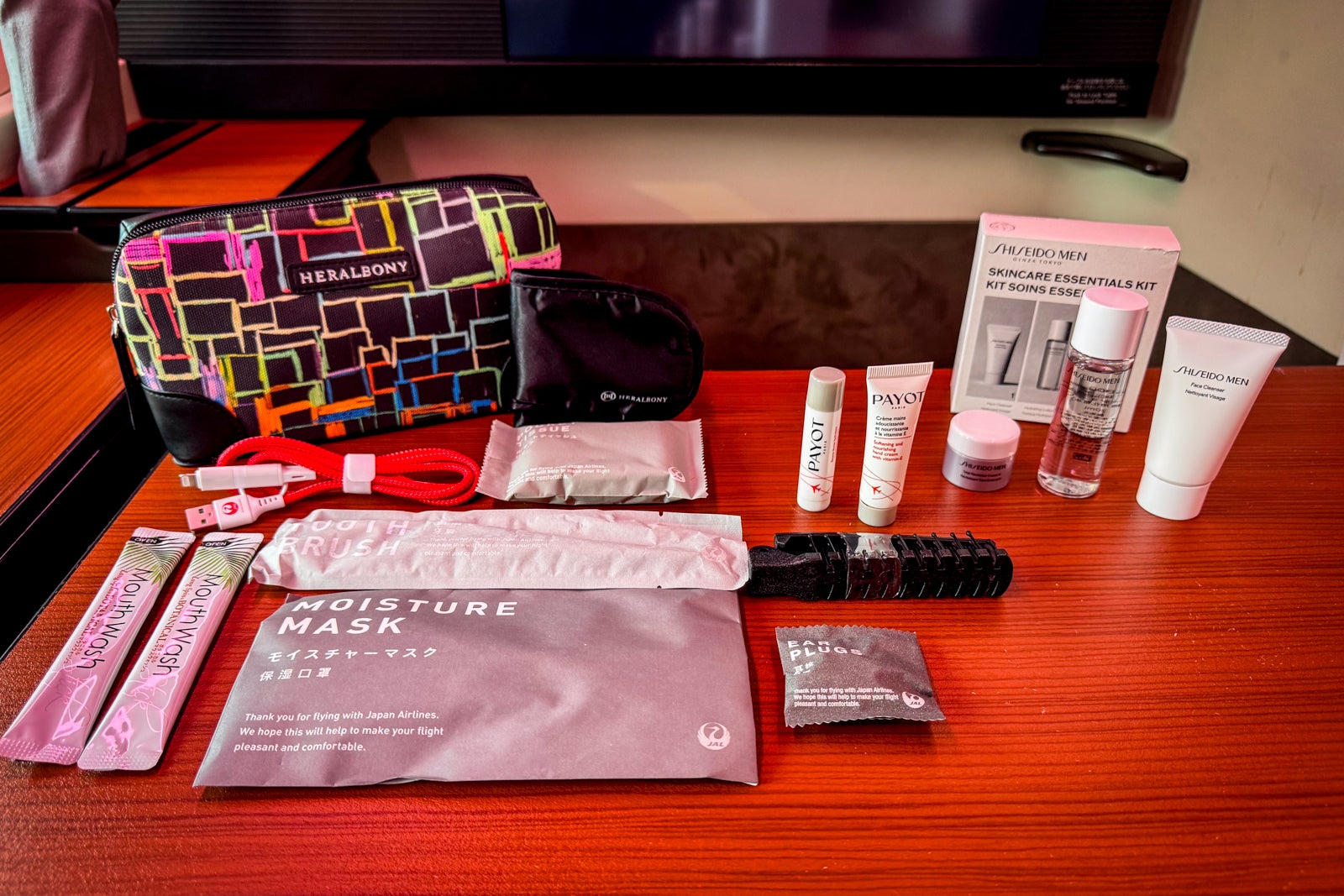
The necessity of a personalized kit often stems from medical or dermatological requirements. Take, for instance, the surprisingly common sensitivity to aloe vera. While marketed as a universal skin-soother, aloe vera contains compounds that can cause contact dermatitis or irritation in certain individuals. In the high-stakes environment of a 15-hour flight, discovering an allergy to a "luxury" cream provided by the airline is a recipe for a miserable journey. Some premium offerings are safer than others; for example, the Shiseido Men line found in Japan Airlines First Class or the L’Occitane products featured in Lufthansa’s Allegris business class are often praised for their gentle, high-quality formulations. Yet, because many other brands rely on aloe as a primary hydrating ingredient, the risk remains. By taking matters into one’s own hands, a traveler transitions from a passive recipient of airline marketing to an active manager of their own inflight wellness.
Building a DIY kit is not merely about avoiding allergens; it is about addressing the physiological toll that flying takes on the human body. The cabin of a commercial aircraft is a hostile environment. Humidity levels typically hover between 10% and 20%—significantly drier than the Sahara Desert, where humidity is often around 25%. This extreme dryness saps moisture from the skin, eyes, and mucous membranes. Furthermore, the recirculated air and the proximity of hundreds of strangers create a microbial melting pot. Data from various hygiene studies suggest that the tray table in front of you may harbor more bacteria than a household toilet seat. A well-constructed DIY kit addresses these specific environmental challenges through a multi-faceted approach: sanitization, hydration, sensory control, and hygiene.
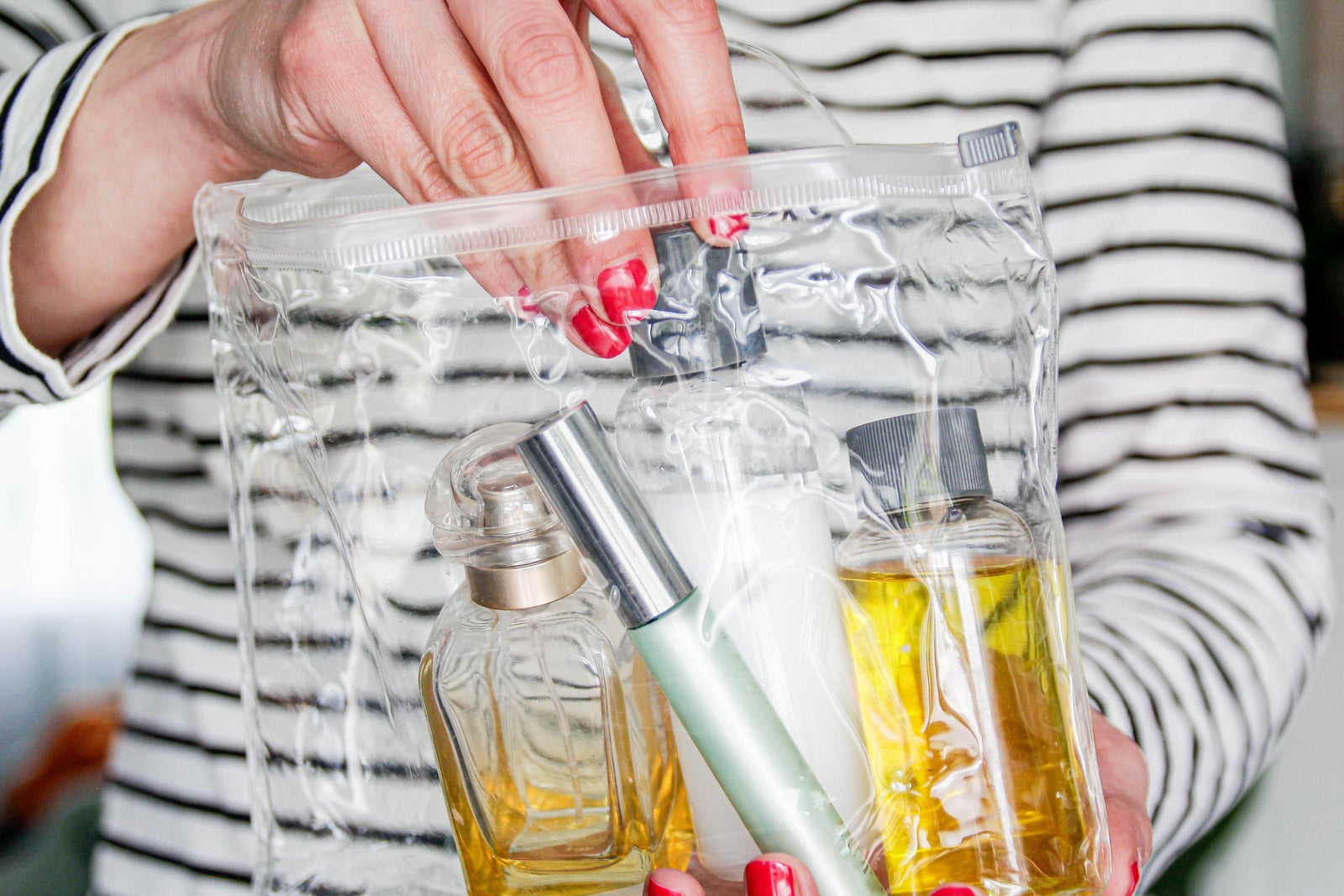
The foundation of any DIY kit is the vessel itself. To remain compliant with Transportation Security Administration (TSA) and international aviation security standards, a clear, quart-sized pouch is the gold standard. Utilizing a transparent, reusable pouch allows for quick transit through security checkpoints and makes it easy to locate specific items in a darkened cabin. For those who prioritize efficiency, a simple Ziploc bag suffices, though more durable TPU (thermoplastic polyurethane) pouches offer a sustainable, long-term solution.
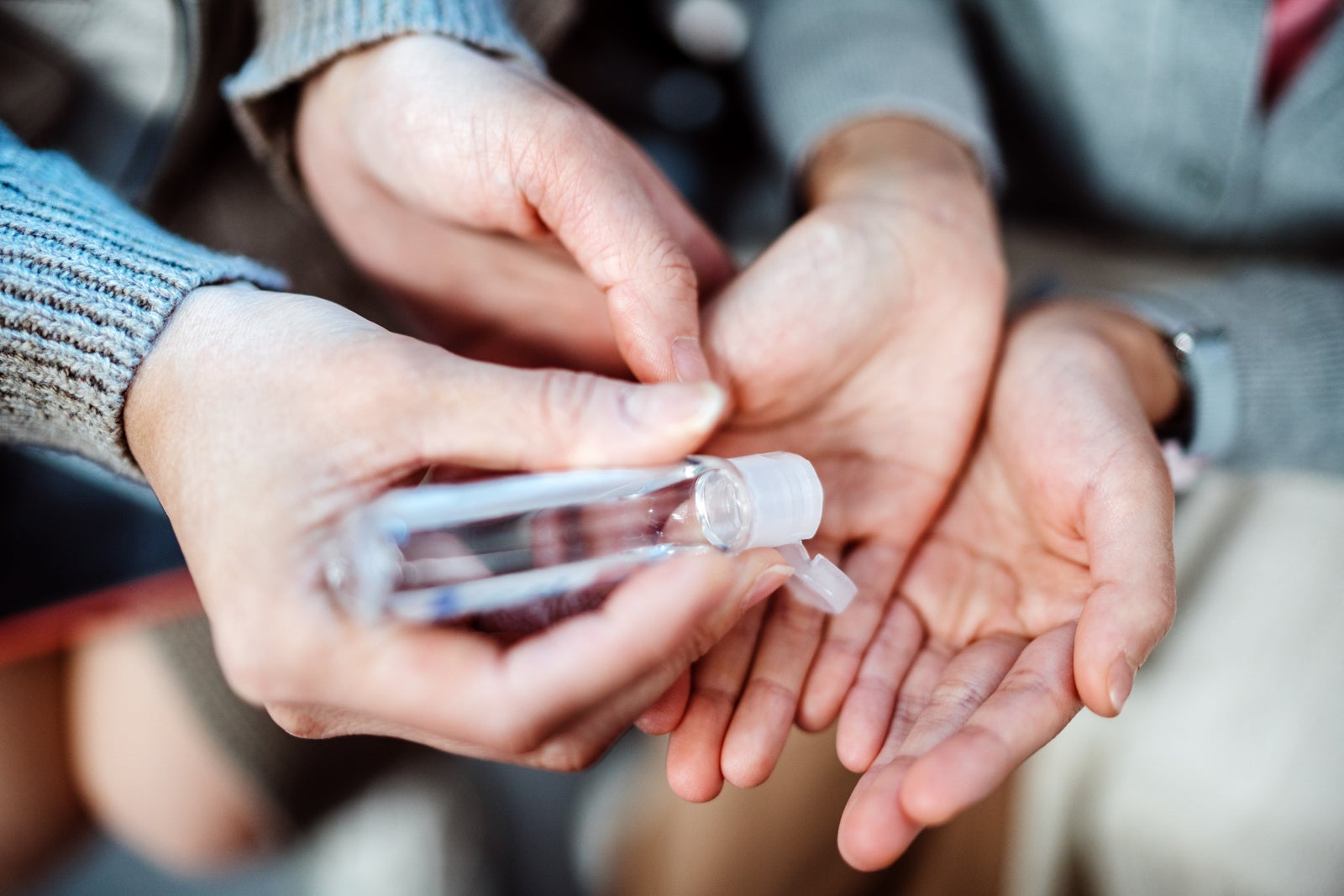
Sanitization is the first line of defense. Long before the global pandemic made hand sanitizer a household staple, seasoned travelers were using disinfecting wipes to "pre-flight" their seating area. The logic is sound: cleaning the tray table, armrests, and inflight entertainment screen can significantly reduce the risk of picking up a respiratory infection or skin irritation. Lysol or Clorox wipes are effective for hard surfaces, though they can be harsh on the skin. For those with sensitivities, skin-friendly alternatives like Wet Ones are an option, provided they don’t contain triggering ingredients like aloe. Complementing these wipes with a high-quality hand sanitizer is essential. While many gels are sticky or heavily scented, spray-based sanitizers, such as those from EO featuring organic lavender essential oils, provide a more pleasant, aromatherapeutic experience that also serves to mask the stale cabin air.
Hydration, however, is where the DIY kit truly earns its keep. The "dried-out" feeling many passengers experience is not just thirst; it is the dehydration of the sinuses and eyes. Medical experts note that when the nasal passages dry out, the body’s "mucociliary clearance"—the system that traps and moves pathogens out of the respiratory tract—is compromised, making you more susceptible to "plane colds." A simple saline nasal spray used every few hours can keep these membranes moist and functioning. Similarly, lubricating eye drops (often referred to as "artificial tears") are vital for those who experience the gritty, red-eye sensation common on red-eye flights. Brands like Systane are frequently recommended by optometrists for their ability to provide long-lasting moisture without the rebound redness caused by some over-the-counter drops.
The skin requires an equally rigorous hydration strategy. Airplane air is notorious for causing "trans-epidermal water loss," where moisture is literally pulled out of the skin cells into the dry air. To combat this, a heavy-duty, fragrance-free moisturizer is essential. Products like CeraVe, which contain ceramides to help restore the skin’s natural barrier, are favorites among dermatologists. A thick hand cream and a dedicated facial moisturizer or eye repair cream can prevent that "parched" look upon arrival. For the truly dedicated, hydrating eye patches or "jet lag" masks can provide an intensive moisture boost, though they may invite curious glances from fellow passengers. Finally, lip balm is non-negotiable. A simple stick with SPF protection ensures that lips remain supple during the flight and protected from the sun if the destination involves an immediate outdoor commute.
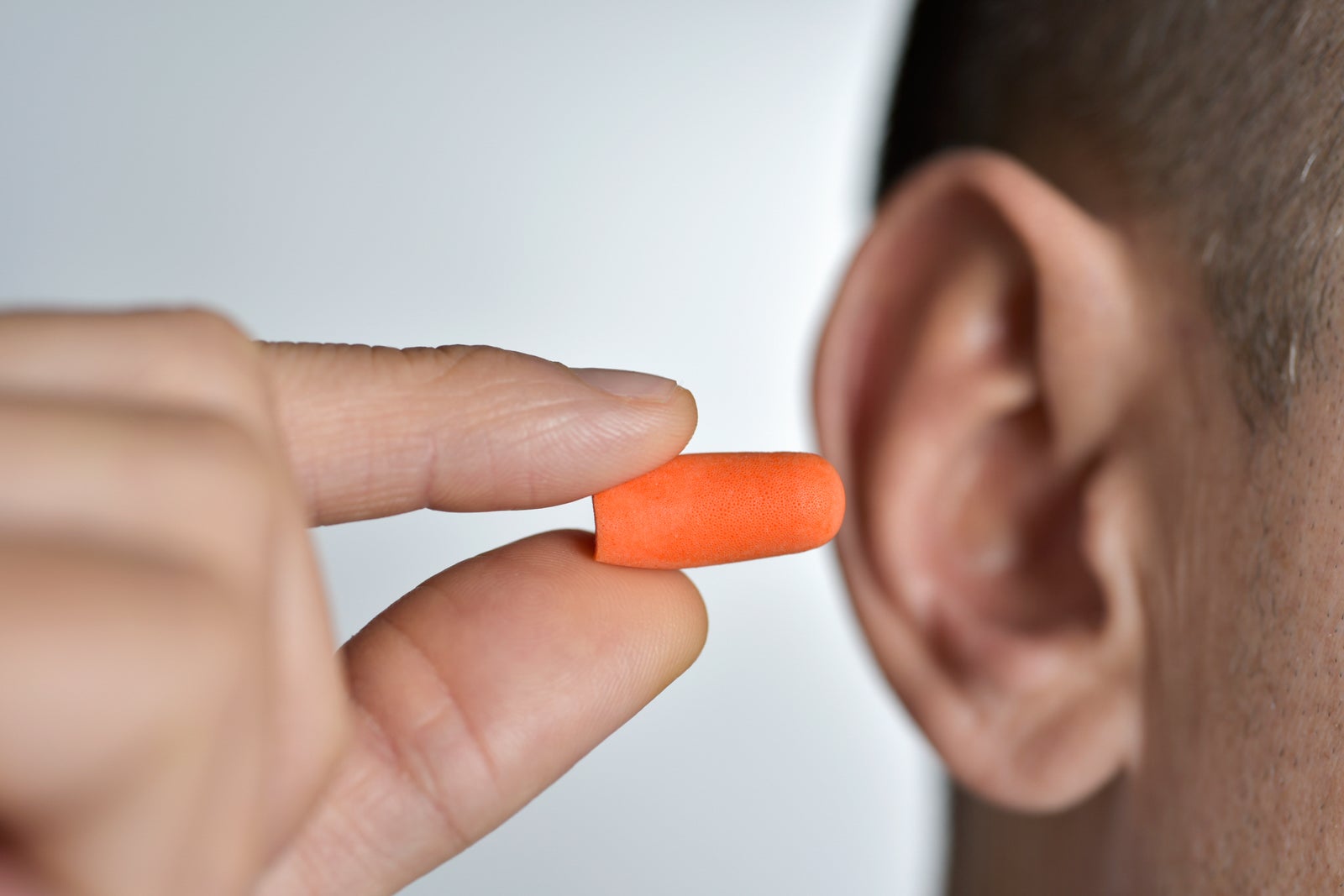
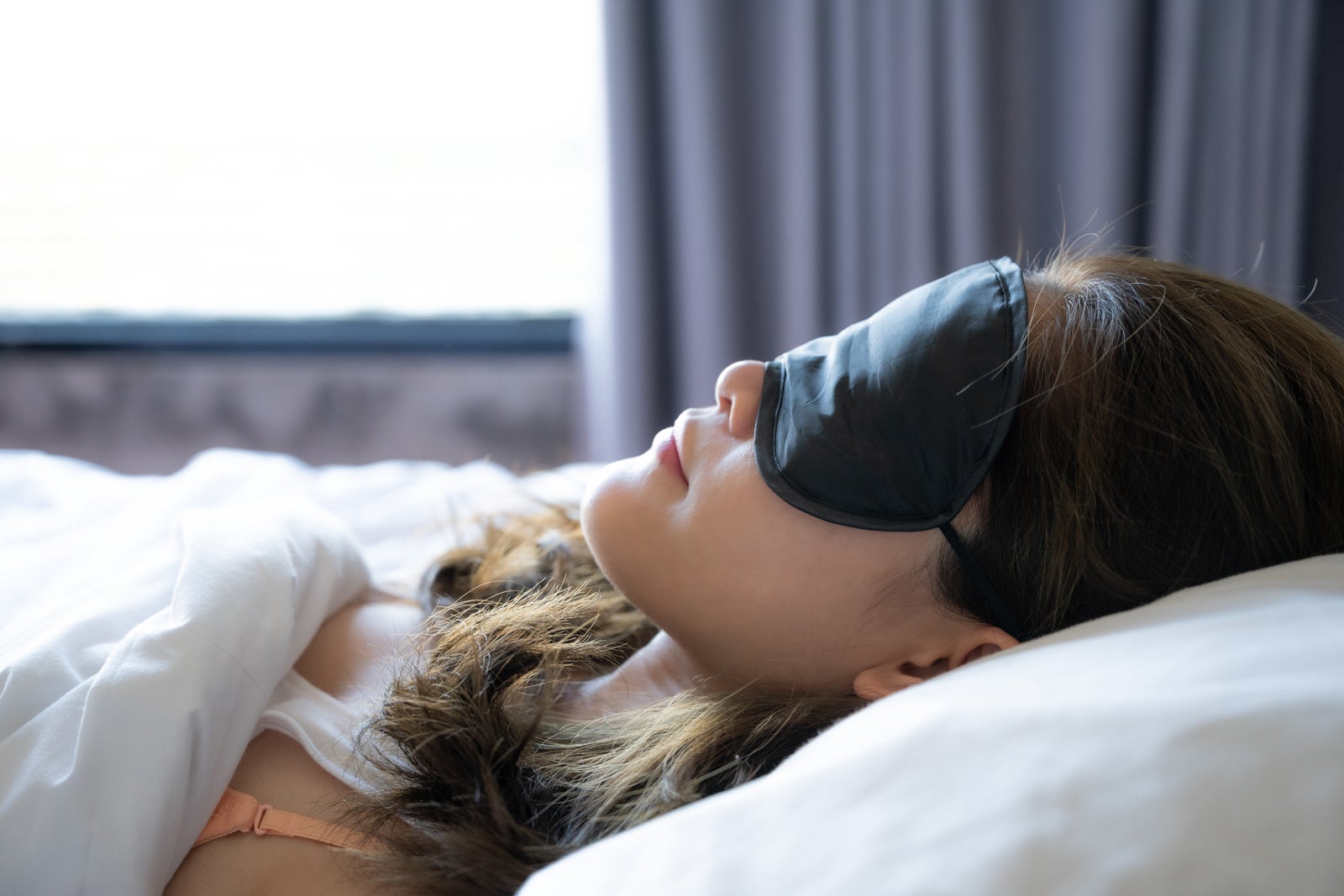
Sensory control is the next pillar of the DIY kit. The ambient noise of a jet engine, which typically ranges from 80 to 85 decibels, is not only loud enough to interfere with sleep but can also cause "auditory fatigue." While noise-canceling headphones are a popular solution, they can be bulky to wear while sleeping. High-quality earplugs are a more compact alternative. While foam earplugs are standard in airline kits, many travelers find silicone putty earplugs superior because they create a custom-molded seal that blocks more sound and doesn’t exert the same internal pressure on the ear canal. Paired with a breathable, contoured eye mask that doesn’t put pressure on the eyelids, a traveler can create a "dark room" environment anywhere on the plane, effectively signaling to the brain that it is time to produce melatonin, even if the passenger in 4B has their window shade open.
Oral hygiene and general freshness round out the kit’s contents. The "fuzzy teeth" feeling that accompanies a long-haul flight is a major contributor to post-flight grogginess. A compact, folding travel toothbrush and a small tube of toothpaste—or space-saving toothpaste tablets—can make a world of difference. Similarly, a small stick of deodorant and gentle facial wipes allow for a "sponge bath" of sorts, removing the film of sweat and recycled air that accumulates over several time zones. These small acts of hygiene are psychological resets, helping the traveler feel human again before they step off the aircraft.
Finally, the kit should include practical tools that are often overlooked by airlines. A simple ballpoint pen is a surprisingly valuable asset; despite the rise of digital travel authorizations, many countries still require paper immigration and customs forms to be filled out before landing. Being the person with a pen saves you from the frantic search or the long wait to borrow one from a busy flight attendant. Additionally, a compact pill organizer for daily vitamins, melatonin, or emergency analgesics like ibuprofen ensures that you aren’t digging through a large carry-on for a single tablet when a headache strikes.
Ultimately, the transition to a DIY amenity kit represents a shift in travel philosophy. It is a move away from the "hope for the best" approach of relying on airline-provided sundries and toward a proactive strategy of self-care. It acknowledges that travel is a physical stressor and that the tools used to mitigate that stress should be as reliable and personalized as possible. Whether you are avoiding an allergy to a "scurrilous succulent" like aloe vera or simply want to ensure you land looking refreshed and feeling healthy, the DIY kit is an indispensable part of the modern traveler’s arsenal. It levels the playing field, bringing a touch of first-class comfort to any seat on the plane and ensuring that the journey is as comfortable as the destination.
