
 By admin
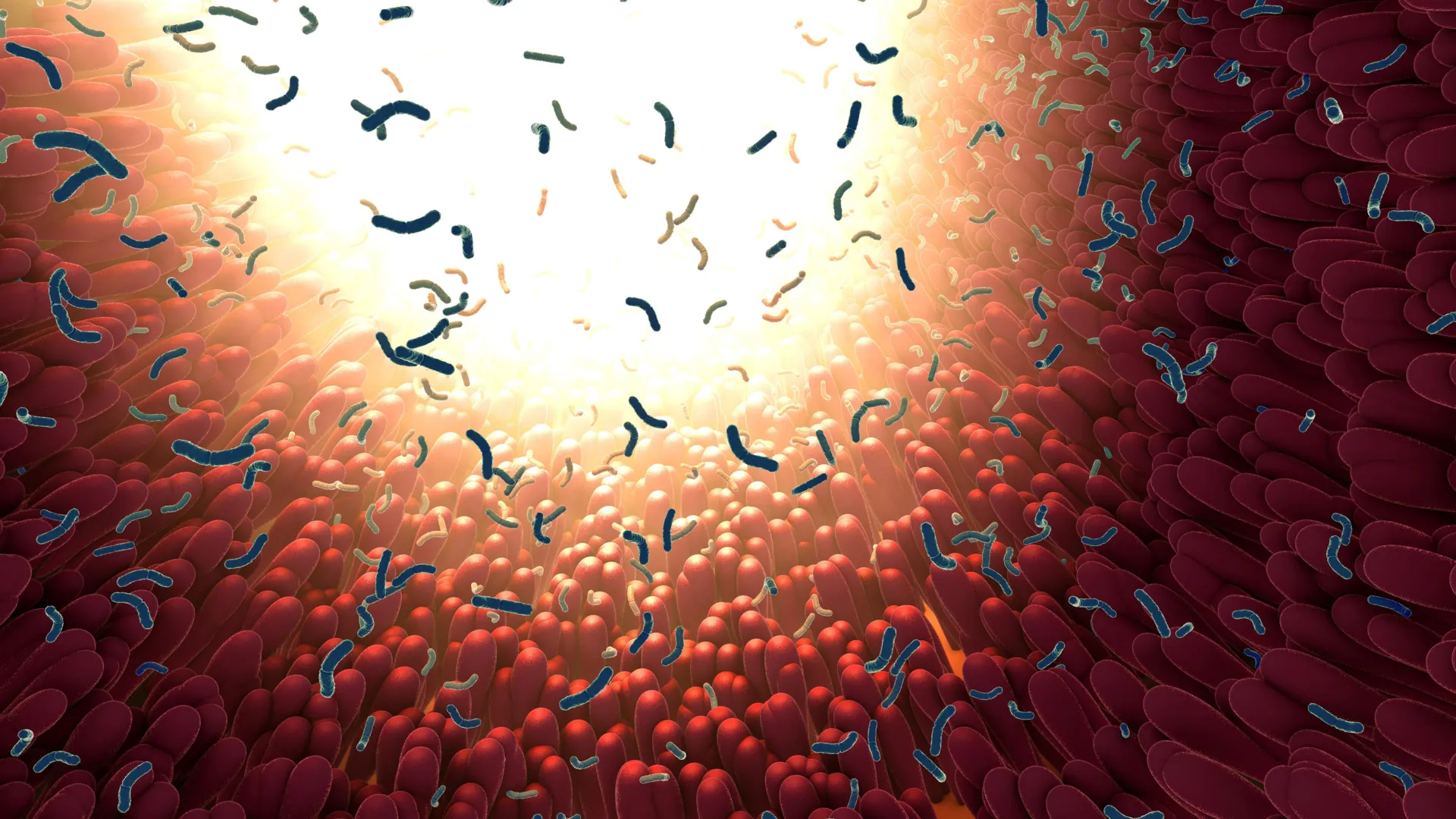
The gut microbiome is not merely a collection of bacteria; it is a complex, dynamic ecosystem comprising trillions of microorganisms—bacteria, viruses, fungi, and archaea—that reside within the human digestive tract. This vast community, often referred to as a "second genome," plays pivotal roles extending far beyond digestion. It is instrumental in nutrient absorption, synthesizing essential vitamins like K and various B vitamins, fermenting indigestible fibers, maintaining the integrity of the gut barrier, and crucially, modulating the immune system. A healthy, diverse microbiome is a cornerstone of overall well-being, influencing everything from metabolic processes and cardiovascular health to mental state and even susceptibility to various diseases. While the disruptive impact of antibiotics on gut bacteria is widely acknowledged and studied, these new findings suggest that a much broader spectrum of medications can also instigate profound, long-lasting alterations, reshaping this vital internal ecosystem for years.
To meticulously investigate these intricate connections, researchers embarked on an ambitious endeavor, examining an extensive dataset derived from more than 2,500 participants enrolled in the Estonian Biobank’s Estonian Microbiome cohort. This cohort, renowned for its rich repository of genetic data, comprehensive health records, and longitudinal samples, provided an invaluable platform for the study. By meticulously analyzing stool samples and correlating them with detailed prescription histories—a far more reliable measure of drug exposure than self-reported data—the team uncovered striking associations. They discovered that the vast majority of the medications scrutinized were linked to measurable changes in gut bacteria. Even more surprisingly, a substantial number of these medications left detectable and distinct microbial "fingerprints" that remained evident years after patients had discontinued their use, a revelation that underscores the profound and enduring influence of pharmacology on our inner microbial landscape.
Common Medications Leave Lasting Changes in Gut Bacteria
The implications of these findings stretch far beyond the well-understood effects of antibiotics. The study specifically highlighted several classes of widely used, non-antibiotic medications that were consistently associated with significant differences in the gut microbiome: antidepressants, beta-blockers, proton pump inhibitors (PPIs), and benzodiazepines. These drugs are cornerstones of modern medicine, prescribed daily to manage a wide array of prevalent health conditions.
- Antidepressants, particularly selective serotonin reuptake inhibitors (SSRIs), are globally prescribed to manage depression, anxiety disorders, and other mental health conditions. Their primary mechanism involves modulating neurotransmitter levels in the brain, but emerging research increasingly points to a bidirectional gut-brain axis, where gut microbes can influence mood and vice-versa. The study suggests that these medications may exert direct effects on gut bacteria or induce changes in the gut environment that favor certain microbial species over others, potentially contributing to or mitigating side effects observed in patients.
- Beta-blockers are workhorses in cardiovascular medicine, commonly prescribed for high blood pressure, arrhythmias, and certain heart conditions, as well as for anxiety symptoms. Their action involves blocking adrenaline and noradrenaline receptors. While their primary targets are the heart and blood vessels, their widespread systemic effects could indirectly influence gut motility, inflammation, or even directly interact with microbial populations.
- Proton pump inhibitors (PPIs) are among the most frequently prescribed drugs worldwide, used to reduce stomach acid production and treat conditions like acid reflux (GERD) and peptic ulcers. The very mechanism by which PPIs work—drastically altering the pH of the stomach—has cascading effects down the digestive tract. A less acidic stomach allows bacteria that would normally be killed by stomach acid to survive and colonize the upper gastrointestinal tract, leading to significant shifts in microbial diversity and composition throughout the gut. This change in environment is known to increase susceptibility to certain infections, such as Clostridioides difficile.
- Benzodiazepines are powerful central nervous system depressants, widely used for their anxiolytic, sedative, and muscle-relaxant properties, primarily prescribed for anxiety, insomnia, and seizure disorders. The study’s revelation about their impact was particularly striking.
"Most microbiome studies only consider current medications, assuming that once a drug is stopped, its influence dissipates," stated Dr. Oliver Aasmets, the lead author of the study. "However, our results unequivocally demonstrate that past drug use can be just as important, if not more so. It emerges as a surprisingly strong factor in explaining individual microbiome differences, suggesting that researchers and clinicians may be overlooking a crucial part of a patient’s gut health history." This discovery fundamentally reorients our perspective, implying that simply reviewing a patient’s current medication list provides an incomplete picture of their gut microbiome, potentially missing key historical determinants that shape their unique microbial landscape. Previous prescriptions, therefore, could help unravel the perplexing variability observed in gut bacteria composition from one person to another.
Anxiety Medications Show Effects Comparable to Antibiotics
One of the most compelling and indeed alarming findings of the study revolved around benzodiazepines, a class of medications whose primary targets are receptors in the brain, not bacteria. Researchers discovered that these widely used anxiolytics were associated with changes in the gut microbiome that were quantitatively and qualitatively comparable to those observed with broad-spectrum antibiotics. Broad-spectrum antibiotics, by definition, indiscriminately target a wide variety of bacteria, leading to substantial and often disruptive alterations in the microbial communities residing in the digestive system. To find a similar level of perturbation from a drug designed to affect brain chemistry is a profound insight.
The exact mechanisms behind this potent effect of benzodiazepines on the gut microbiome are not yet fully elucidated. Hypotheses include direct antimicrobial properties of some benzodiazepine molecules, albeit at concentrations higher than typically found in the gut, or more likely, indirect effects. Benzodiazepines influence the gamma-aminobutyric acid (GABA) system, a major inhibitory neurotransmitter system. The gut-brain axis is a two-way street, and changes in host neurochemistry, gut motility, or inflammation driven by these drugs could create a vastly different environment for gut microbes, thereby favoring certain species while suppressing others. This dramatic impact from a non-antibiotic drug underscores the pervasive influence of pharmaceuticals on the human holobiont—the human host and its associated microbial communities.
Adding another layer of complexity, the researchers also discovered that medications within the same pharmacological drug class did not necessarily produce identical effects on the microbiome. For example, diazepam (Valium) and alprazolam (Xanax) are both benzodiazepines, prescribed to treat similar conditions like anxiety and panic disorders. Yet, the study revealed that they appeared to differ in how strongly and in what manner they disrupted gut bacteria. This nuanced finding suggests that the effects of medication on the microbiome may depend not only on the broad drug class or therapeutic indication but also on the specific chemical structure, pharmacokinetics, and perhaps even the excipients or inactive ingredients of the individual medication. This highlights the critical need for granular, drug-specific investigations rather than generalizing effects across an entire class.
Gut Bacteria Can Change When Medications Are Started or Stopped
To move beyond mere correlation and gain stronger evidence for a causal link between medication use and microbial changes, researchers undertook a crucial follow-up analysis. They collected additional stool samples from a smaller, carefully selected subgroup of participants, allowing them to track changes in the microbiome over time. By examining how the composition of gut bacteria shifted when individuals either initiated or discontinued specific medications, the research team was able to identify predictable and consistent alterations in the microbial community. These longitudinal findings provided compelling additional evidence that the drugs themselves were actively contributing to the observed changes, rather than simply being associated with pre-existing differences in patients’ microbiomes. This temporal relationship is essential for inferring causality.
Although the number of participants in this follow-up analysis was relatively small compared to the initial cross-sectional study, the researchers were able to verify lasting effects associated with several important drug categories. These included proton pump inhibitors (PPIs), selective serotonin reuptake inhibitors (SSRIs)—a widely prescribed type of antidepressant—and certain antibiotics, specifically combinations of penicillins and macrolides.
- The verified lasting effects of PPIs reinforce the understanding that altering stomach pH has enduring consequences for the entire gut ecosystem, creating a new equilibrium that can persist long after the drug is stopped.
- For SSRIs, the longitudinal data strengthened the case for a direct or indirect interaction with gut microbes, suggesting that these mental health medications contribute to persistent changes in the gut-brain axis at the microbial level.
- The persistence of changes from penicillins and macrolides further underscores the long-term impact of antibiotics. Penicillins, which disrupt bacterial cell wall synthesis, and macrolides, which inhibit bacterial protein synthesis, are potent broad-spectrum agents. While their immediate disruptive effects are well-known, the study’s confirmation of lasting changes years later highlights the challenge of full microbiome recovery post-antibiotic exposure, an area of increasing concern in public health.
Why Your Medication History May Matter More Than Previously Thought
The findings from the University of Tartu study point to a critical consideration for researchers studying the intricate relationship between gut bacteria and human disease. Differences observed in the microbiome of individuals may not solely reflect a person’s current health status, diet, lifestyle, or even their present medication regimen. Instead, these microbial variations could also be profoundly shaped by pharmacological treatments received years, or even decades, earlier.
This has significant implications for research design and interpretation. If previous medication use is not meticulously accounted for in studies, scientists run the risk of mistakenly attributing certain microbial differences—or even specific microbial dysbiosis patterns—to a particular disease, a genetic predisposition, or another health factor. In reality, past drug exposure, particularly from commonly used non-antibiotic drugs, might be the underlying contributor to those microbial variations. This could lead to flawed conclusions, misidentified biomarkers, and ultimately, ineffective or misguided therapeutic strategies.
Furthermore, the results highlight just how much remains to be understood about the complex, long-term relationship between medications and the gut microbiome. While the study convincingly identified persistent microbial changes, it is crucial to emphasize that these findings do not, at this stage, establish that such changes are inherently harmful or that they directly lead to specific adverse health problems. The mere presence of altered microbial communities does not automatically equate to pathology. Future research is critically needed to elucidate the functional consequences of these lasting microbial shifts: Do they impact nutrient metabolism? Immune function? Susceptibility to chronic diseases? Are some changes benign, or even beneficial, while others are detrimental?
"This is a comprehensive, systematic evaluation of long-term medication effects on the microbiome, utilizing invaluable real-world medical health records and biobank data," commented Professor Elin Org, the corresponding author of the study. "We fervently hope that these findings will encourage researchers and clinicians worldwide to adopt a more holistic perspective, factoring in a patient’s entire medication history when collecting, analyzing, and interpreting microbiome data. It’s time for a paradigm shift in how we understand the determinants of gut health and disease." This pivotal research not only sheds light on the hidden influences shaping our gut ecosystems but also paves the way for a more nuanced understanding of drug action, personalized medicine, and the complex interplay between modern pharmacology and human biology.
