
 By admin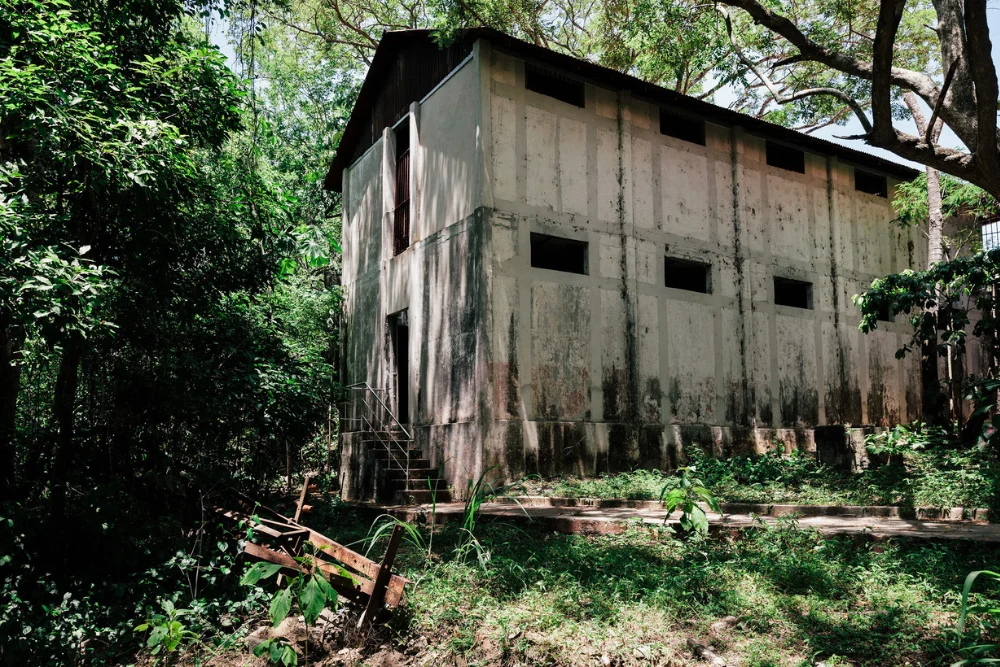
The same crystalline waters that now gently kiss the pebbled shores of San Lucas Island once ran crimson with the blood of those imprisoned within its walls. For over a century, from 1873 to 1991, this island served as Costa Rica’s principal penitentiary, a grim destination for some of the nation’s most notorious criminals, subjected to often short and brutal sentences. Its isolated offshore location has earned it the moniker of Costa Rica’s Alcatraz, a comparison that hints at the island’s formidable and haunting past.
Yet, the island of San Lucas today presents a dramatically different visage than during its apex of despair. Transformed into a national park, meticulously cared for and maintained, its entrance is marked by a charming white bridge with striking cobalt blue poles. This walkway leads directly to a sign bearing a poignant message: "Ocean and forest protecting history." This juxtaposition immediately sets the tone for a visit, hinting at the layered narrative of the island.

However, a few steps further, the stark realities of its former life begin to emerge. The initial stop on a guided tour is a makeshift hospital, a small, weathered wooden house painted in white and grey. Its doors remain shut until a guide arrives, preventing the intrusion of bats and insects. Inside, the beautifully tiled floors starkly contrast with faded photographs of emaciated prisoners who once lay crammed within, awaiting the attention of the island’s sole physician – a veterinarian, dispatched to this remote outpost after desperate pleas for medical aid. The profound lack of adequate healthcare underscores the harsh conditions faced by inmates, highlighting the desperate measures taken to provide even minimal medical support. This rudimentary medical facility speaks volumes about the resource limitations and the often-neglected state of prisoner welfare during the penitentiary’s operational years.
The preserved infirmary serves as a powerful testament to the island’s dark history, fueling the belief held by the Costa Rica Film Commission and those dedicated to the island’s preservation that these former prison quarters offer a uniquely compelling shooting location. The palpable atmosphere, the oppressive heat and humidity that once bore down on the inmates, all possess an inherent cinematic quality, primed to imbue the right narrative with an unforgettable weight. Despite the island’s growing popularity and the myths that surround it, no major fictional project has yet been filmed on San Lucas. The closest attempt was a thwarted initiative to adapt José León Sánchez’s seminal novel, "Island of Lonely Men." Sánchez himself was imprisoned on San Lucas for decades under a now-overturned conviction for robbery, and his book vividly chronicles the days marked by relentless violence and institutional abuse. The unfulfilled potential of this adaptation underscores the enduring power of the island’s story and its appeal to filmmakers seeking authentic and resonant settings.
Logistically, San Lucas Island is strategically situated off the Pacific coast, within the Gulf of Nicoya. This body of water acts as a natural separator between the Nicoya Peninsula and the Costa Rican mainland. Administratively, it falls under the Puntarenas District, a region boasting a population exceeding 500,000. The vibrant city of Puntarenas, a mere 30-40 minute journey from the former prison, offers a rich tapestry of infrastructure and services essential for film production.

Beyond the colonial medical building, the sprawling prison complex comprises a remarkably well-preserved church, a distinct semi-circular arrangement of cells, a central administrative office, and a formidable concrete disc. Originally constructed to house a water tank and pumps, this imposing structure was tragically repurposed as a torture chamber. Centrally located within the courtyard, this subterranean space remains sealed, save for a small opening in its ceiling. Inmates deemed "poorly behaved" were confined to this "hole" as punishment, where they would quickly succumb to the punishing heat. The grim reality was that their bodies would remain in this confined space, a macabre testament to the cruelty, as others were brought in to share their fate. This chilling repurposing of essential infrastructure for instruments of torture speaks to the extreme measures employed and the dehumanizing nature of the penal system that operated here.
Wandering through the decaying structures, visitors encounter harrowing drawings and scrawled messages etched into the concrete walls. Among the most striking is a depiction of a curvaceous woman in a red bikini, a chilling memento of a horrific incident where a young woman was captured and assaulted by inmates. Diametrically opposite, in a disorienting visual echo, is a drawing of the legendary football player Pelé. Contrasting sharply with the grim prison buildings, a dense, sprawling forest marks the path leading away from the island. This National Historical-Architectural Heritage Site is also designated as a National Wildlife Refuge, presenting a rare and compelling fusion of authentic historical architecture and protected tropical landscapes. While its isolation might initially seem a logistical hurdle, the island’s minimal contemporary intervention and its inherent flexibility for set-ups, coupled with readily available local assistance, position it as an attractive prospect for a diverse range of productions, including period dramas, thrillers, survival stories, and historical epics.
San Lucas Island and the surrounding Gulf of Nicoya represent just a fraction of the compelling filming locations that Costa Rica offers. The country’s commitment to showcasing its diverse landscapes is further exemplified by several other remarkable sites.

The Gulf of Nicoya: Costa Rica’s Pacific Island Network
The very Gulf of Nicoya, the tranquil waters that embrace San Lucas Island, is Costa Rica’s largest Pacific estuary and a pivotal maritime corridor. This expansive region, bridging the mainland and the Nicoya Peninsula, is a breathtaking mosaic of islands, intricate mangrove estuaries, sheltered bays, traditional fishing communities, and panoramic vistas. Beyond San Lucas, the gulf is dotted with numerous other island gems. Isla Venado, for instance, offers a glimpse into traditional fishing life alongside its serene, accessible beaches. For those seeking solitude, Isla Jesucita provides secluded coves, verdant tropical forests, and sweeping views across the estuary, creating an idyllic and untouched setting.
The Gulf of Nicoya’s unique blend of maritime environments, historical significance, architectural heritage, and raw natural beauty makes it one of Central America’s most versatile coastal production zones. The majority of these locations are easily accessible by boat, operating from the central hub of Puntarenas. This bustling port city is conveniently located less than two hours from the capital, San José, via well-maintained highways or a scenic ferry ride. For productions requiring swifter transit, domestic flight options are also available. Puntarenas itself, home to nearly 100,000 inhabitants, provides a comprehensive suite of logistical and bureaucratic services, including marinas, hotels, banks, restaurants, fuel facilities, and a network of technical suppliers. Utilizing Puntarenas as a central base allows productions to seamlessly transition between islands, mainland ports, and urban support infrastructures, significantly mitigating the logistical complexities often associated with filming in remote island settings.

Seasoned location scout Lyall Gardiner, whose impressive credits include "Mission: Impossible – Dead Reckoning Part One," "The Mummy," and "John Wick: Chapter 3 – Parabellum," recently shared his impressions following a visit to the region. He described his experience as "insightful and invaluable." Gardiner elaborated, "For me, Costa Rica’s rich and inviting landscape has the potential to transform your imagination and your film. Incredible location diversity, an inviting and beautiful culture mixed with amazing people. So much still to be discovered, and I can’t wait to see more." His perspective highlights the profound impact that Costa Rica’s natural beauty and cultural richness can have on the creative process.
Golfo Dulce and Golfito: A Tropical Fjord’s Allure
Nestled along Costa Rica’s southern Pacific coast lies Golfo Dulce, aptly translated as "Sweet Gulf." This unique geographical marvel is one of the world’s rare tropical fjords, an extraordinary ecosystem where verdant rainforest tumbles directly into the Pacific Ocean. The gulf is cradled by the Osa Conservation Area, a sanctuary of pristine beaches, intricate mangrove forests, winding rivers, and majestic mountains, harboring some of the planet’s most biodiverse tropical forests. Its calm, nutrient-rich waters are globally recognized as a vital nursery for humpback whales and a permanent sanctuary for various resident dolphin species. It is not uncommon to witness these magnificent creatures, some reaching up to four meters in length, leaping playfully near transportation boats as they navigate between nearby locations.

Emerging as a burgeoning filming destination within Golfo Dulce is the town of Golfito. Situated on a narrow strip of land between Golfito Bay, this town is home to just over 11,000 inhabitants. Historically a significant banana-growing region, Golfito possesses a unique architectural and landscape character, largely influenced by its past as a hub for the U.S. United Fruit Company in the mid-20th century. Traversing its modest streets reveals a surprising array of Colonial and Victorian-style houses, reminiscent of small American towns. This distinctive architectural heritage is further complemented by Golfito’s own university, housed within colorful, wooden Colonial buildings, adding a unique charm to the locale.
The Golfo Dulce region has recently gained traction as a filming location, particularly for national projects such as Kim Torres’s "If We Don’t Burn, How Do We Light Up the Night." Veteran Costa Rican producer Ana Lucía Arias, known for her work on "Forever Your Maternal Animal" and "I Have Electric Dreams," recently shot Neto Villalobos’s upcoming film "Love Is the Monster" in Golfito. She shared with Variety that while shooting in such a remote location "comes with many challenges," the unwavering support of the local community and authorities "was key in the process of making our movie." Arias further elaborated on the profound impact of the setting: "Golfito became more than just a filming location for ‘Love is the Monster,’ it also shaped the story and its characters. The combination of lush tropical jungle and architecture marked by the town’s history created the unique world of the film." Logistically, both Golfito and Puerto Jiménez offer domestic airports, high-quality accommodation options, and well-established tourism services, rendering the area highly accessible for productions of varying scales.
Limón: The Caribbean Coast’s Vibrant Tapestry

Costa Rica’s Caribbean coast unfurls a distinct yet complementary array of filming environments. The multi-ethnic port city of Limón stands as a vibrant hub, while the idyllic beaches of Cocles and Punta Uva offer a tropical paradise. Renowned celebrity chef Gordon Ramsay filmed an episode of his show "Uncharted" on these very beaches, immersing himself in the local culture and culinary traditions. His journey also led him to the Catato Family farm, members of the Bribri indigenous tribe, who graciously shared their ancestral knowledge of the traditional process for crafting a rich, dark chocolate drink from meticulously roasted, stone-ground cacao beans.
A captivating boat ride through the intricate mangrove canals of Moin offers an unparalleled opportunity to witness an abundance of wildlife. Sloths, iguanas, monkeys, and caimans are frequent sightings, making it a veritable paradise for birdwatchers, with approximately 90 species of birds calling this region home. The Emmy-winning AppleTV+ series "Jane" utilized these stunning locales for filming, as did the "Harlem Globe Trotters, Secrets of the City," which also shot scenes on Cocles Beach, Punta Uva, Arrecife, and in Limón City itself. Location Manager Mickey Ryan, recognized by Variety as a Below-the-Line Talent to Track last year, confirmed the convenience of this region. "Most of the locations in the Southern Caribbean are within a 10-mile radius, which makes the whole region convenient for shooting," he stated.
Limón’s rich Afro-Caribbean heritage, coupled with its historic wooden architecture and picturesque waterfront boulevards, creates a unique urban tapestry unlike any other in the region. Visitors can immerse themselves in the soulful sounds of a Gospel performance at Saint Mark’s Church and explore the former United Fruit Company Building, now a cultural landmark known as the G&E Chocolate Factory, owned by local artist, historian, and cultural advocate George Grant. L.A.-based location scout "Zippy" Melissa Downing of COlabs encapsulates the region’s appeal: "What surprises me most is the diversity. In a remarkably compact area, you have volcanoes, rivers, Caribbean beaches, rainforest, and the distinctive architecture of Limón. The landscapes and urban environments offer incredible storytelling potential, and Limón’s unique textures can convincingly double for locations around the world."

Turrialba Volcano and the Burnt Forest: A Landscape of Stark Beauty
Located approximately a two-hour drive from the capital, San José, the Turrialba region presents one of Costa Rica’s most visually arresting landscapes. Here, dramatic volcanic terrains seamlessly blend with ethereal cloud forests, fertile valleys, winding rivers, and lush Caribbean vegetation, all within a relatively compact geographical area. This region is also a vital habitat for the resplendent quetzal, one of Central America’s most iconic and visually striking avian species. Swiss engineers have even been consulted to develop innovative gondola rides, offering unparalleled access to the volcanic peaks.
Dominated by the imposing presence of the active Turrialba Volcano, this striking region encompasses rolling highlands, sprawling coffee plantations, productive dairy farms, dense rainforests, and captivating Caribbean vistas. The significant shifts in elevation within the area allow productions to transition effortlessly between the cool, crisp mountain scenery and the vibrant tropical lowlands, often within the span of a single day. The expansive 865-acre Hacienda Tres Equis, a family-owned estate for three decades, cultivates world-class coffee and has ambitious plans to develop visitor lodgings. The hacienda has placed a strong emphasis on forest conservation, which has successfully attracted dedicated bird-watching tours.

One of Costa Rica’s most surreal and visually arresting landscapes is the nearby Burnt Forest (Bosque Quemada). This unique environment was the backdrop for filmmaker Felipe Zúñiga’s debut feature documentary, "The Dive" ("La Picada"). The film poignantly follows Rosmeri, the sole remaining inhabitant of a village tragically devastated by the eruptions of the nearby volcano. Shaped by decades of volcanic activity, the Burnt Forest, with its charred trees, ash-covered terrain, and skeletal forest, creates a stark, otherworldly setting that stands in dramatic contrast to the country’s ubiquitous lush rainforests. Its naturally cinematic qualities make it an ideal double for post-apocalyptic worlds, alien planets, abandoned wastelands, survival dramas, psychological thrillers, and fantastical realms, offering filmmakers a canvas of unparalleled dramatic potential.
Bajos del Toro: The Azure Falls of Alajuela
Foreign film crews have yet to fully discover the breathtaking azure waterfalls of Bajos del Toro, nestled in the Alajuela province, just north of the Limón region. A well-maintained highway connects it to the capital, San José, via the Vara Blanca region, a filming destination already recognized for its versatility. It was in Vara Blanca, for instance, that the acclaimed Costa Rican drama "Clara Sola" by Nathalie Alvarez was filmed. While Bajos del Toro has been prominently featured in numerous Tourism Institute advertisements promoting Costa Rica, its potential as a filming location has largely remained untapped, with only a local movie, "A un paso de mi," having been shot there to date. The region has earned the evocative moniker "Land of Waterfalls," boasting an impressive collection of over 30 cascading waterfalls scattered throughout its picturesque valley.

This region’s captivating mix of tumbling waterfalls, mist-shrouded cloud forests, volcanic terrain, and remote mountain landscapes provides productions with access to an extraordinary range of visual worlds within a remarkably compact area. Location manager Ryan highlights the advantage of this relative obscurity: "Because it remains relatively undiscovered compared with destinations like La Fortuna or Monteverde, filmmakers can capture spectacular scenery that feels fresh and unique while avoiding many of the logistical challenges associated with heavily visited locations." Location scout "Zippy" Downing of COlabs eloquently describes Costa Rica’s broader appeal: "Costa Rica has what I call the ‘tangible intangibles’ – the spirit of Pura Vida. You can be trekking through rain and mud, only to emerge onto a breathtaking beach where a lone surfer rides the waves as the sun breaks through. That optimism, combined with a deep commitment to protecting their environment and prioritizing education, bodes well for them as they grow their production community." This sentiment underscores the unique combination of natural beauty, cultural spirit, and environmental consciousness that makes Costa Rica an increasingly attractive and promising destination for the global film industry.
