
 By Lina Irawan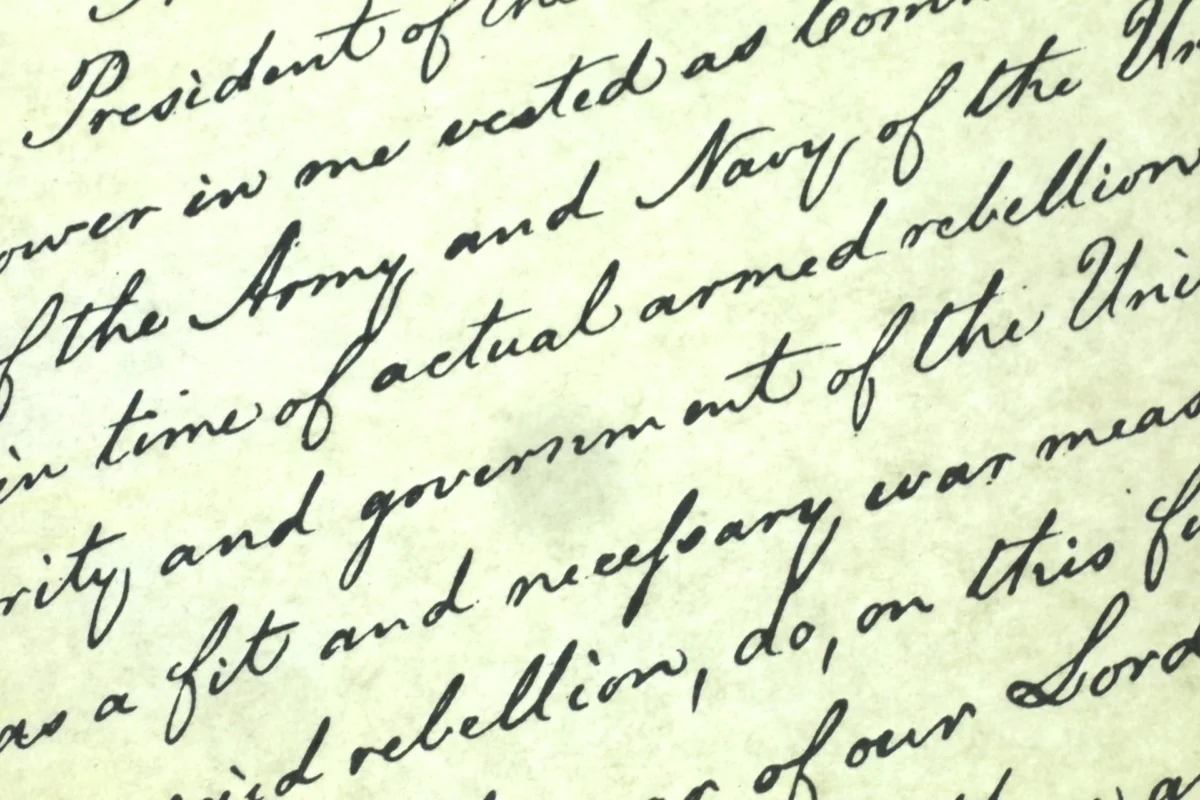
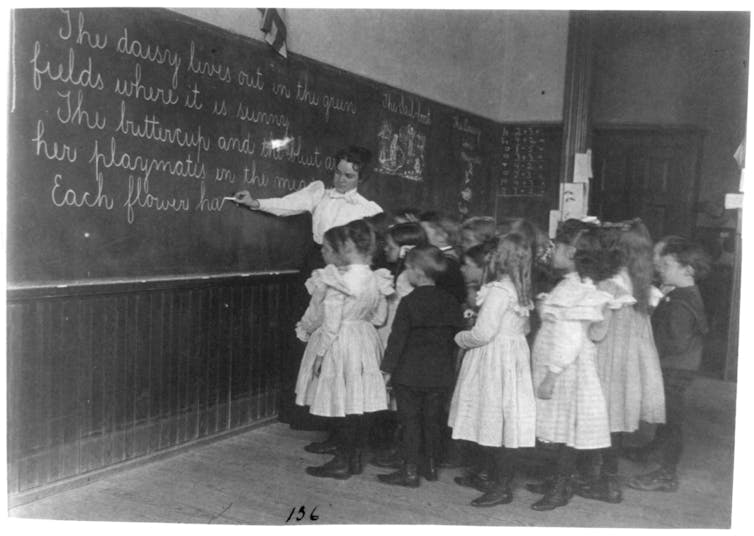
This belief was not without foundation in the educational philosophy of the time. Systems like the Spencerian method, popular in the 19th century, and later the Palmer Method, which dominated the early 20th century, emphasized rigorous, standardized instruction designed to produce legible and aesthetically pleasing script. These methods were not just about forming letters; they were about instilling virtues such as patience, precision, and diligence. Teachers, often trained in these specific penmanship systems, acted as arbiters of both writing skill and personal decorum. A child’s ability to execute elegant loops and consistent slants was seen as a testament to their self-control and potential. This cultural reverence for fine penmanship meant that in the first half of the 20th century, penmanship was often taught as a distinct and highly valued subject in American elementary schools. Children could spend as much as 45 minutes a day on dedicated handwriting instruction and practice, a significant portion of the school day, underscoring its perceived importance in a well-rounded education.
During these formative years, students typically began their writing journey with print in kindergarten, first, and second grade. The introduction of cursive was generally reserved for third grade or later, a pedagogical decision rooted in the prevailing child development research of the time. Researchers and educators believed that writing in print was inherently easier for young children to learn, primarily because it aligned more closely with the discrete, block-like fonts they encountered daily in books and other reading materials. This made the transition from reading to writing more seamless and less cognitively demanding for developing minds and fine motor skills. The simplified strokes and unconnected letters of print were thought to be more manageable for smaller hands still developing dexterity, reducing frustration and fostering a more positive initial experience with literacy.
However, the educational landscape has dramatically shifted, and the rigorous cursive instruction of yesteryear is no longer typical. Over the past few decades, cursive instruction has become significantly less popular, relegated to a marginal role or entirely dropped from curricula in many schools. This decline was gradual but accelerating, driven by a confluence of educational reforms, technological advancements, and evolving priorities. Yet, the pendulum is showing signs of swinging back, with some states and schools now reconsidering the value of cursive for today’s students, prompted by renewed interest in its potential cognitive and practical benefits.
The shift away from cursive began subtly but gained momentum throughout the latter half of the 20th century. By the 1980s, the instructional time dedicated to cursive instruction in some schools had already been drastically reduced, plummeting from the previous standard of 45 minutes a day to a mere 30-60 minutes per week. This reduction was symptomatic of a larger trend: an increasingly crowded curriculum. The time allotted for cursive continued to fall precipitously, largely due to the pervasive influence of the 1990s standards-based movement in education. This reform initiative aimed to define clear academic benchmarks and hold schools accountable for student achievement in core subjects. While well-intentioned, it inadvertently created school curricula overcrowded with content, as new subjects and skills were deemed essential without commensurate increases in school day length.
For instance, the new math standards called for data analysis and probability to be incorporated into mathematics education beginning in the early grades, including kindergarten. This required teachers to allocate valuable time to complex concepts that were previously introduced much later, or not at all. Simultaneously, social studies standards reflected a broader, more inclusive approach to history, bringing greater attention to diverse figures and civilizations beyond the traditional Eurocentric narrative. This meant curriculum now included significant historical figures such as Mansa Musa, the opulent leader of the Mali empire in the early 1300s, and explorations of various world cultures. Each addition, while enriching, inevitably squeezed out time from other subjects like handwriting.

Crucially, this period also coincided with the rapid advancement of technology. Computers became more widely available in schools and in homes, fundamentally altering how information was created, shared, and consumed. As personal computers became ubiquitous, the ability to type on keyboards quickly emerged as a paramount and seemingly necessary skill for success in an increasingly digital world. The efficiency and legibility of typed text began to overshadow the perceived benefits of handwritten script. In this new technological milieu, cursive began to seem antiquated, a relic of a bygone era, increasingly irrelevant to the demands of modern communication and work.
The nail in cursive’s coffin for many school districts came with the adoption of the Common Core State Standards. These were a nationwide set of academic learning standards for K-12 students, adopted in some fashion by 45 states between 2009 and 2014. While the Common Core standards did not explicitly forbid cursive, they significantly de-emphasized it by focusing on keyboarding proficiency. The standards called for kids to learn how to type on keyboards by specific grade levels, ensuring that whatever valuable teaching time was left for transcription skills would be spent on mastering typing, thereby sidelining cursive further. This shift reflected a pragmatic response to the digital age, prioritizing skills deemed essential for navigating contemporary education and future careers.
Yet, it did not take long for the pendulum to begin to swing back in favor of cursive instruction in the early 2010s. This resurgence was often framed as a "back-to-basics" issue, reflecting a broader cultural yearning for traditional educational values and concerns about the potential loss of fundamental skills. North Carolina led this charge, passing the first cursive law in 2013. This landmark legislation required students to read and write in cursive by the end of fifth grade, marking a significant reversal of previous trends. Interestingly, the law also mandated that children memorize their multiplication tables, further underscoring the "back-to-basics" philosophy that sought to reinforce foundational academic competencies.
The North Carolina initiative spurred a nationwide reconsideration. By 2015, 14 other states had some kind of cursive instruction requirement on their books, indicating a growing movement. This trend continued to accelerate, and as of 2026, more than 25 states, including populous and influential states like Pennsylvania, Florida, California, and Michigan, require cursive instruction in their public schools. This widespread reintroduction signals a recognition among policymakers and educators that cursive may offer benefits beyond mere nostalgia.
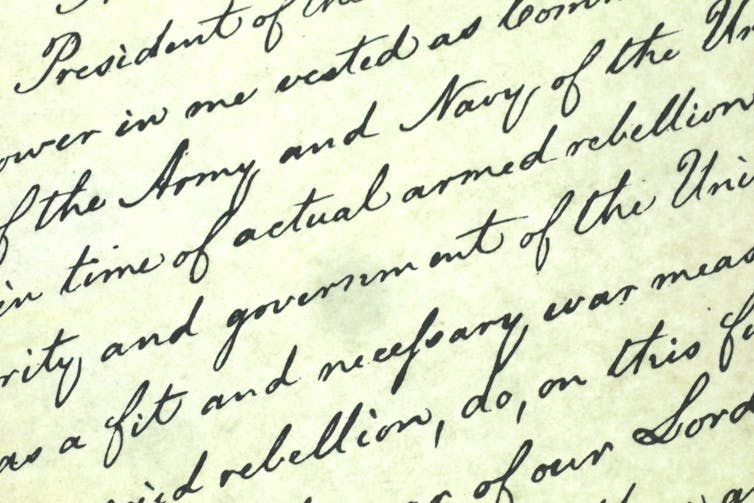
Lawmakers cite several compelling reasons for mandating cursive in schools. Pennsylvania and Florida legislators, for example, frequently argue that an informed citizenry needs to be able to read historical documents, which are often written in cursive script. Without this skill, future generations might be cut off from directly accessing foundational texts like the Declaration of Independence, the U.S. Constitution, and countless other primary sources, relying solely on transcribed versions. This ability to engage directly with historical artifacts is seen as crucial for critical thinking and a deeper understanding of national heritage.
In 2025, a Michigan representative highlighted a more personal, yet equally vital, aspect, suggesting that reading cursive was also essential to preserving family history. She shared a poignant story: her granddaughter was able to read a cherished letter that her deceased father, the lawmaker’s son, had written in cursive only because her school still chose to teach the skill. This anecdote powerfully illustrates how cursive connects individuals to their personal past, allowing them to decipher handwritten wills, old letters, diaries, and family recipes, thus safeguarding invaluable personal and cultural legacies.
A California assembly member brought a decidedly modern justification to the debate, suggesting that cursive could even be used as a tool to ensure students aren’t using artificial intelligence to complete their schoolwork. In an era of advanced AI tools capable of generating sophisticated text, the requirement of handwritten cursive assignments could potentially offer a way to verify original student effort, albeit with certain limitations. This reflects a contemporary concern about academic integrity in the face of rapidly evolving technological capabilities.
Beyond these practical and cultural arguments, a growing body of research points to tangible benefits of cursive for learners. A significant 2020 study conducted in Norway, for instance, utilized advanced brain-imaging devices (like EEG) to observe 12 adults and 12 preteens as they wrote in cursive, drew, and typed. The findings were compelling: writing in cursive activated distinct brain waves and neural pathways, particularly in areas associated with learning and memory. This suggests that the complex motor and cognitive processes involved in forming connected letters might stimulate brain development in ways that typing or even printing do not, potentially enhancing overall cognitive function.
Furthermore, learning to write in cursive is increasingly associated with better outcomes for learners with specific learning disabilities, such as dyslexia and dysgraphia. For individuals with dyslexia, the continuous flow of cursive, where letters are joined, can help them perceive words as whole units rather than individual, often jumbled, letters, reducing common letter reversals. For those with dysgraphia, a neurological learning disability that makes writing difficult, cursive’s distinct letter formations and fluid movements can sometimes be easier to master than the fragmented strokes of print, providing a more consistent and less demanding motor pattern.
Other studies have explored cursive’s impact on writing fluency and quality. While some studies show that cursive can help people write faster due to its continuous, flowing nature, eliminating the need to lift the pen between letters, other studies have found that children writing in cursive may not always have a definitive speed advantage, suggesting individual variations and instructional quality play a role. However, the qualitative aspects are often highlighted. For example, first graders in Portugal who were taught cursive wrote in longer "bursts," which the researchers attributed to the unbroken flow of cursive writing. This uninterrupted ideation process could potentially lead to more cohesive and sustained written expression, as the physical act of writing doesn’t interrupt the flow of thought as frequently.
There’s even research suggesting that cursive gives an early boost to students’ reading skills, not just their composition abilities. A 2019 study of 141 first graders found that children taught cursive read better by the end of the school year than classmates who weren’t. One theory posits that learning cursive trains the brain to process letters more effectively. The unique visual-motor experience of forming cursive letters, with their distinct shapes and connections, might enhance letter recognition and discrimination, which are fundamental to early reading development. This improved processing could lead to quicker and more accurate word recognition, contributing to overall reading proficiency.
Despite the growing enthusiasm and documented benefits, not everyone is convinced that cursive deserves a full-fledged comeback tour. For starters, the science underpinning some of the claims is arguably shakier than cursive’s most ardent champions suggest. While there is solid evidence that handwriting in general beats typing for learning and memory – likely due to the deeper cognitive processing involved in forming letters by hand – what’s much less clear is whether cursive specifically has a significant edge over ordinary print handwriting. It is possible that much of the recent brain research getting cited in statehouses from Pennsylvania to California was done on kids printing their letters, not necessarily looping them together in cursive. The distinct cognitive mechanisms engaged by continuous vs. disconnected script require further granular research.
Still, implementing a widespread return to teaching cursive in today’s schools presents practical challenges that are not necessarily simple. A significant hurdle is teacher preparedness: many of today’s teachers, and indeed many of tomorrow’s educators, never learned cursive themselves in a rigorous, systematic way. This means states are now asking educators to teach a skill they may not possess or have adequately mastered, necessitating substantial investment in professional development and curriculum resources.
Then there’s the perennial question of time. Teaching cursive properly, encompassing all uppercase and lowercase letters, connections, and fluency practice, can eat up roughly 70 minutes a week, as children learn to master the skill. In an already overcrowded curriculum, where does this time come from? What other essential subjects or skills might be sacrificed to accommodate cursive instruction? The opportunity cost must be carefully weighed. Moreover, it’s important to acknowledge that not every kid is going to love learning cursive. Just ask any teacher who’s tried to get a room full of 7-year-olds excited about learning how to properly form a capital G in cursive, with its precise curves and loops. The fine motor demands and repetitive practice can be tedious for some children, especially those who struggle with hand-eye coordination or have varying learning styles.
Ultimately, the debate over cursive reflects a broader tension in education: balancing tradition with modernity, cognitive development with practical skills, and foundational knowledge with contemporary demands. While the evidence for cursive’s benefits continues to grow, its place in the curriculum will likely remain a subject of ongoing discussion, requiring careful consideration of research, pedagogical efficacy, and the evolving needs of students in a rapidly changing world.
Mary Jean Tecce DeCarlo, Clinical Professor of Literacy Studies, Drexel University
This article is republished from The Conversation under a Creative Commons license. Read the original article.
