
 By admin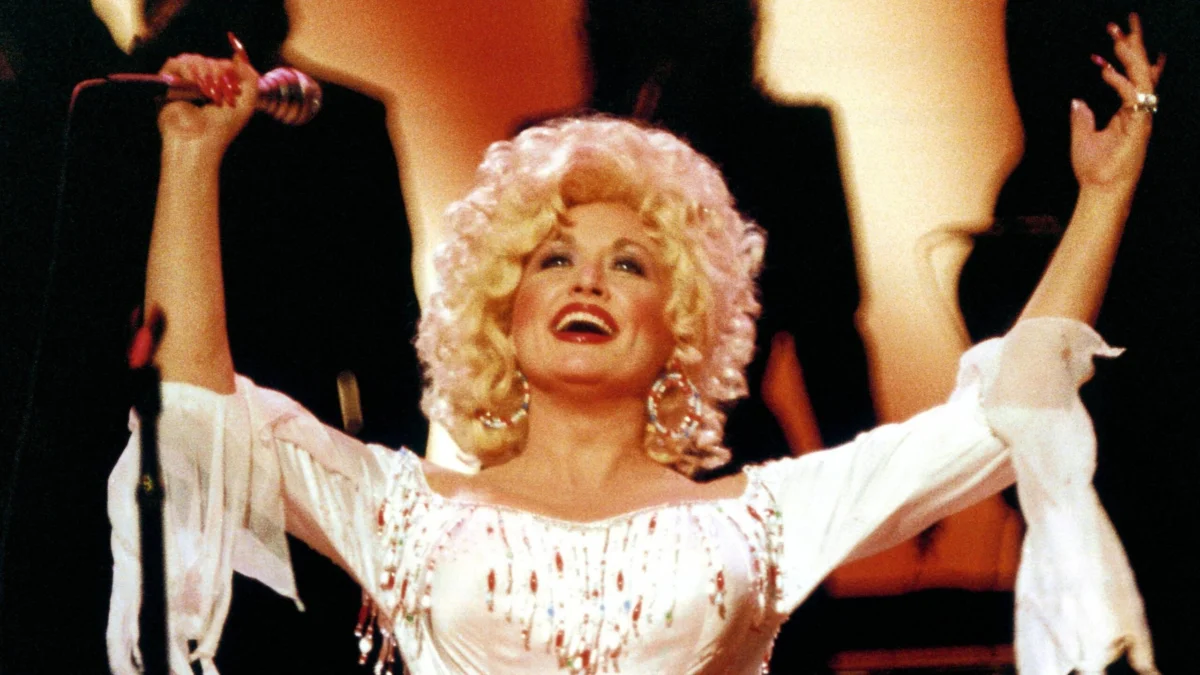
In 1980, as Dolly Parton was immersed in the filming of her debut Hollywood movie, "9 To 5," a creative spark ignited between takes. The iconic singer-songwriter conceived the melody for what would become the film’s universally recognized theme song. With her guitar temporarily off-limits on set, Parton ingeniously crafted the song’s distinctive percussive rhythm by tapping her acrylic nails together. This unique sound, she realized, bore a striking resemblance to the incessant clatter of a typewriter, a fitting sonic metaphor for her character, a secretary enduring daily belittlement and sexual harassment from her superior. Thrilled with her discovery, she immediately shared the nascent tune with her co-stars, Lily Tomlin and Jane Fonda, who also served as the film’s producer. Fonda later recounted the moment with palpable emotion, "Lily and I looked at each other and we had goosebumps. And we knew, this is not just a movie song, this is an anthem."
Released in November 1980, "9 To 5" ascended to become Parton’s sole number-one hit as a solo artist in the United States and garnered her an Academy Award nomination for Best Original Song. While Parton frequently shared the charming anecdote of her fingernail-inspired composition, the enduring impact of "9 To 5" extends far beyond its catchy tune. The song stands as a powerful testament to the realities of working life and the precarious position of women within the corporate landscape. The instantly recognizable hook, "Working 9 To 5 / What a way to make a living!" is undeniably upbeat and infectious, a sentiment that resonates with anyone who has experienced the drudgery of daily labor. Yet, beneath its jaunty exterior lies a simmering fury, a raw expression of discontent. Parton’s lyrics delve into the systemic inequalities faced by the working class, particularly women: "It’s a rich man’s game, no matter what they call it / And you spend your life putting money in his wallet. / They just use your mind and they never give you credit." This unflinching portrayal of exploitation tapped into widespread frustrations, providing a voice for legions of working women. However, the anger fueling Parton’s anthem is subtly conveyed, a testament to her masterful artistry in masking potent critique with an accessible melody. Despite navigating the deeply ingrained sexism of the music industry since the tender age of 13, Parton chose not to inject overt rage into her performance, opting instead for a more universally appealing delivery.
Parton’s ascent in the music industry began in earnest in 1967 when she joined "The Porter Wagoner Show" as the featured "girl singer." This popular television program, reaching millions of viewers weekly, provided a crucial platform for her burgeoning talent. Her partnership with Wagoner yielded 21 hit duets, solidifying their status as country music powerhouses with songs like "Just Someone I Used to Know," "If Teardrops Were Pennies," and "Please Don’t Stop Loving Me." As Parton’s individual star power grew, she began to eclipse her mentor. Recognizing the need to forge her own path as a solo artist, she penned "I Will Always Love You" as a heartfelt farewell to Wagoner. Their professional separation, however, was not without its legal entanglements. In 1979, Wagoner sued Parton for breach of contract, seeking a substantial $3 million (approximately £2.2 million at the time). To avoid a protracted and potentially damaging legal battle, Parton settled for around $1 million. Reflecting on the experience in her autobiography, she stated, "I made up my mind that if he could live with it, I could live without it. I suppose Porter has done all right with it. I am neither his conscience nor his accountant." This incident exemplifies Parton’s characteristic grace; despite the acrimonious split, she consistently credited Wagoner with providing her with a pivotal career launchpad, never harboring resentment.
Nobody’s Fool
Yet, Parton was far from naive. Her sharp business acumen and unwavering commitment to her artistic and financial autonomy were evident in her handling of the rights to "I Will Always Love You." Following its success on the country charts, Elvis Presley expressed his desire to record a cover version. Overjoyed, Parton conveyed her excitement, calling it "the greatest thing that’s ever happened to me as a songwriter." However, the night before the scheduled recording session, Presley’s formidable manager, Colonel Tom Parker, contacted Parton with a demand: Elvis would only record the song if she relinquished half of its lucrative publishing rights. Parton, resolute in her decision to protect her future earnings for her family, declined the offer. "I said, ‘Well, that throws a new light on this. Because I can’t give you half the publishing. I’m gonna leave that to my family,’" she recounted on Reba McEntire’s podcast in 2020. Parker’s refusal led to the cancellation of the recording, a decision that deeply affected Parton, who admitted to crying all night. "It was like the worst thing," she told Country Music Television. "People were saying, ‘You’re nuts. It’s Elvis Presley. Hell, I’d give him all of it.’ I said, ‘I can’t.’ I always wondered what it would sound like. I know he would have killed it [in a good way]."
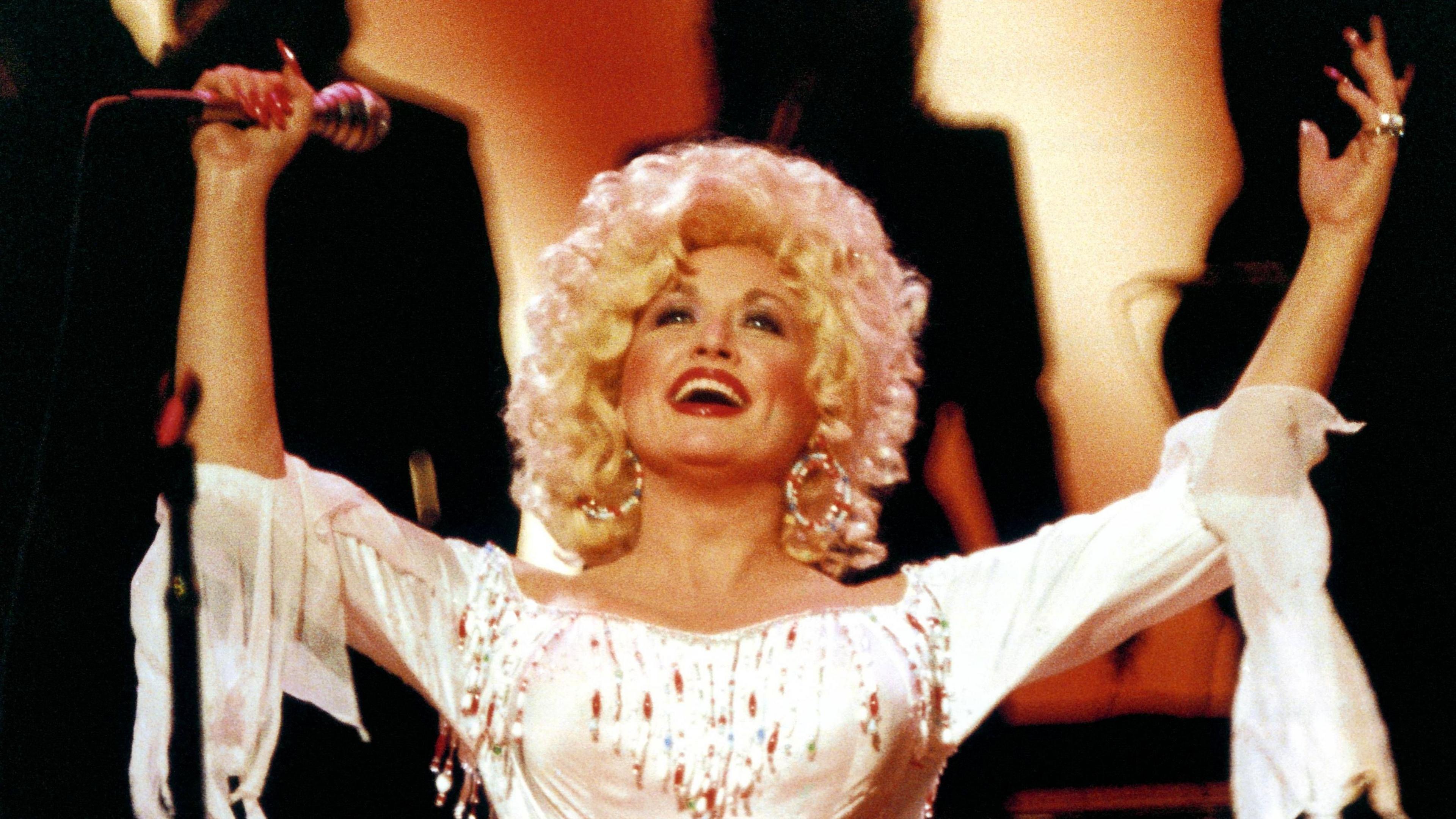
Despite this personal disappointment, Parton ultimately experienced a triumphant vindication. When Whitney Houston recorded her iconic rendition of "I Will Always Love You" for the soundtrack of "The Bodyguard" in 1992, Parton retained ownership of the publishing rights. The song’s phenomenal success generated enough income for Parton to purchase Graceland, Elvis Presley’s famed estate. However, in a move that underscored her commitment to community and her respect for Houston’s legacy, Parton invested the substantial earnings into a predominantly Black neighborhood in Nashville, Tennessee. This unwavering determination to assert her rights and to recognize the intrinsic value of her work beyond mere monetary gain forms a crucial pillar of Parton’s enduring legacy. Her example undoubtedly paved the way for subsequent artists to champion their own creative and financial independence. The parallels to Taylor Swift’s battle for ownership of her back catalog, where she re-recorded her early albums to reclaim royalties from hedge funds that had acquired her masters, are striking. Parton herself lauded Swift’s strategy, calling her "Smart! She’s so smart, she’s so great, she’s genius. I mean really, look at what she’s doing! That’s amazing!" In mourning Parton’s passing, Swift acknowledged the country music icon’s "backbone of steel" and her courageous fight "to defend her own self worth as an artist."
Musically, Parton’s impact is equally profound. Her songwriting journey began at the age of six with "Little Tiny Tasseltop," a whimsical ode to her beloved doll. Throughout her illustrious career, she possessed an extraordinary ability to transform everyday observations and experiences into songs imbued with profound emotion, hope, and heartfelt sincerity. Her 1971 classic, "Coat of Many Colors," offers a deeply moving narrative of her childhood, recounting with pride the ragged, hand-sewn coat her mother lovingly crafted for her. The 1974 concept album "My Tennessee Mountain Home" serves as a musical autobiography, opening with Parton reciting the first letter she sent home after relocating to Nashville as a teenager. In it, she reassures her family, "A couple of folks already told me that they might record a couple of my songs, so I’ll be makin’ enough money to get by. And I don’t want you to be worrying about me bein’ hungry or anything." The album cover features a poignant photograph of the modest two-room log cabin that served as Parton’s childhood home in the 1940s and 50s, while the accompanying songs paint an idyllic portrait of her upbringing. Even in the absence of electricity and running water, Parton maintained an unwavering optimism, finding the good in every person and situation. "We might have been poor but we didn’t know it / We’d heard that word but we didn’t know what it meant," she sang, capturing the resilience and joy that defined her early life.
Inspired Generations
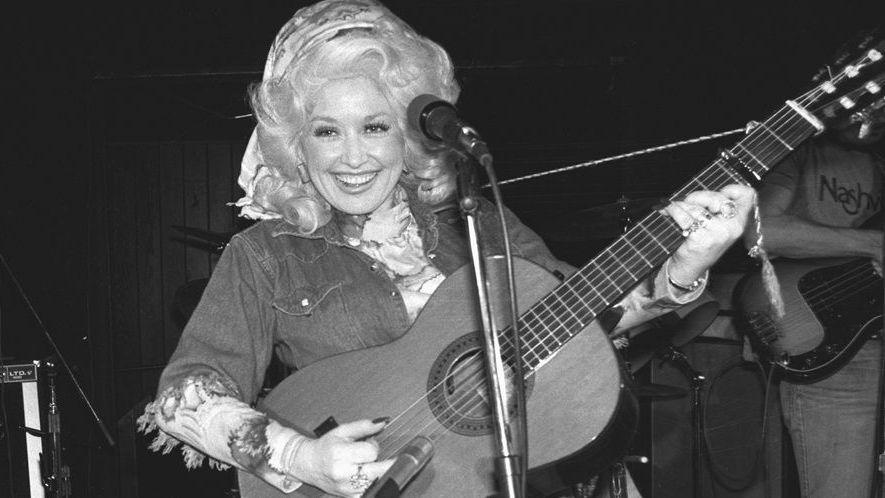
This introspective and diaristic approach to songwriting gave rise to enduring hits such as "Jolene," a captivating narrative inspired by a beautiful, red-haired woman who threatened her marriage, and "All I Can Do," a tender declaration of love to her husband, Carl Dean. With a unique blend of humor and authenticity, Parton skillfully captured the universal trials and triumphs of life, making her music relatable even as her flamboyant stage persona and gravity-defying hairstyles remained larger than life. Her feminist convictions were evident long before "9 To 5," with earlier songs like "When Possession Gets Too Strong" and "Just Because I’m A Woman" directly challenging the double standards prevalent in relationships: "My mistakes are no worse than yours / Just because I’m a woman." At a time when societal expectations confined women to rigid archetypes – the dutiful housewife, the seductive temptress, the fallen woman, or the confused girl – Parton satirized and subverted these roles, embracing them with theatrical flair while always emphasizing her inherent strength. "I’ve always been misunderstood because of how I look," she sang on her 2008 track "Backwood Barbie." "Don’t judge me by the cover, cos I’m a real good book." These powerful affirmations resonated deeply, inspiring countless women to embrace their authentic selves and resist external judgments.
Beyond her individual artistry, Parton used her music to foster unity, even as much of the country music establishment gravitated towards conservatism. In a remarkable display of inclusivity, in 2002, she replaced the name "Jolene" with "drag queen" during a performance at the House of Blues in Los Angeles, eliciting cheers from an audience of drag performers. Her philanthropic endeavors have been equally impactful, providing scholarships to underprivileged students and distributing over 200 million books to young readers through her Imagination Library program. Significantly, none of the country artists she inspired were ever referred to as "the next Dolly Parton" because her talent and persona were so utterly unique, irreplaceable, and inimitable. She was, and remains, a legend in her own time and beyond.
