
 By admin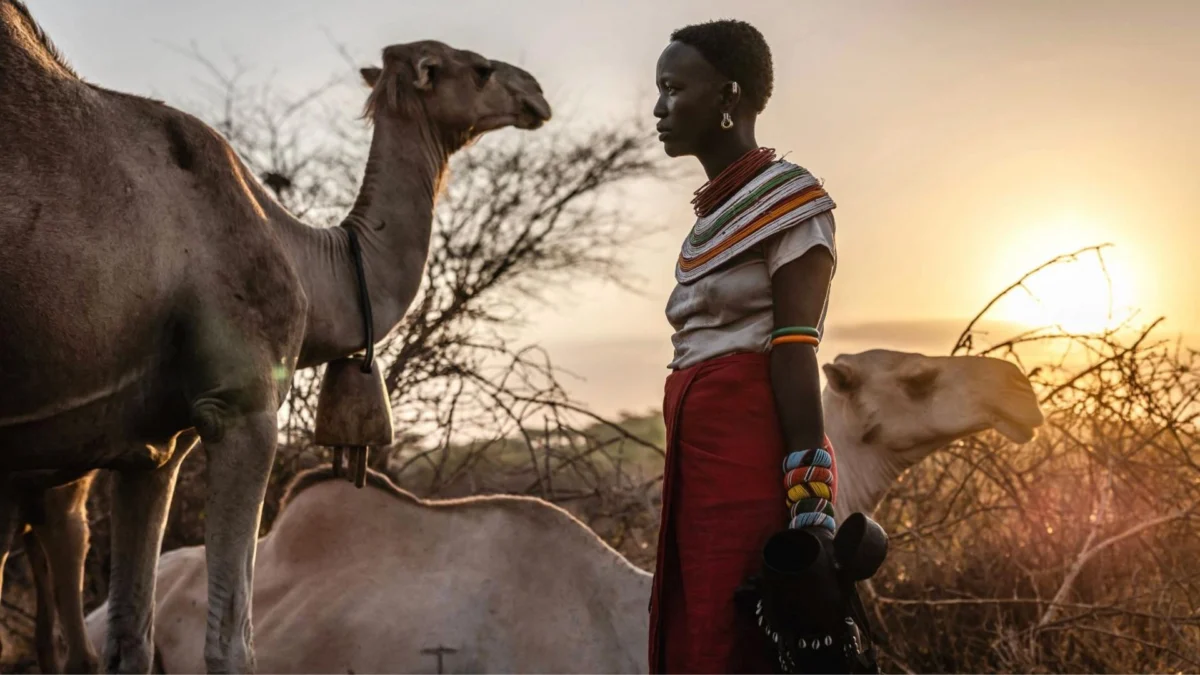
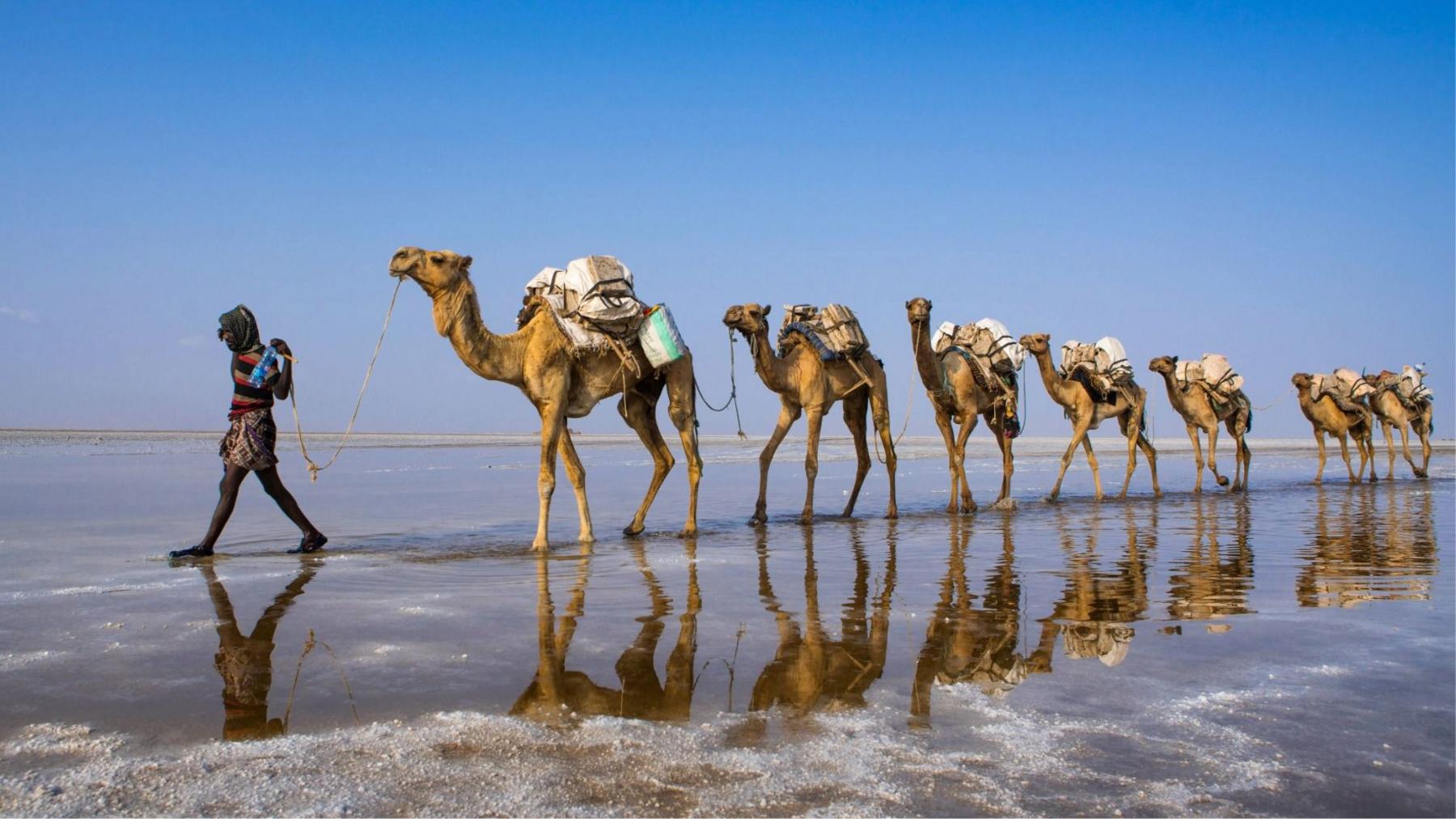
Camels, long revered as the "ships of the desert" for their remarkable ability to traverse arid landscapes, are now succumbing to the escalating extremes of Africa’s warming climate. Their famed resilience, a cornerstone of life and commerce in regions like the Afar region of north-eastern Ethiopia, is being pushed to its breaking point. This area, renowned as one of Earth’s hottest and driest, traditionally relies on camel caravans to transport salt, a vital commodity. However, the intensifying heat is leaving even these hardy creatures visibly distressed.
Ali Umer, a camel herder from Semera in Afar, whose family has managed around 500 camels for generations, shared his harrowing observations with the BBC. "I can see my camels suffering from extreme heat," he stated, his voice heavy with concern. "They get blisters on their feet, their eyes become watery and the hot sand burns their skin and eats up their hair when they are sitting." The tangible impact of this escalating crisis is stark: "Within the past one month I have lost eight camel calves because of the extreme heat, it has become much more intense and difficult." The very air, once a source of respite, now offers no relief. "Even the wind, which used to bring cool air, now carries heat," Umer lamented, noting these drastic changes have become increasingly pronounced in recent years. His personal account is not an isolated incident; it is echoed by a growing chorus of scientists, animal welfare advocates, and numerous studies that all point to the severe consequences of extreme heat on camel populations. These impacts manifest as increased stress, profound fatigue, debilitating dehydration, and a heightened susceptibility to diseases. Furthermore, the escalating temperatures indirectly exacerbate the camels’ suffering by decimating vital water sources and vegetation, and by reducing the availability of crucial shaded areas.
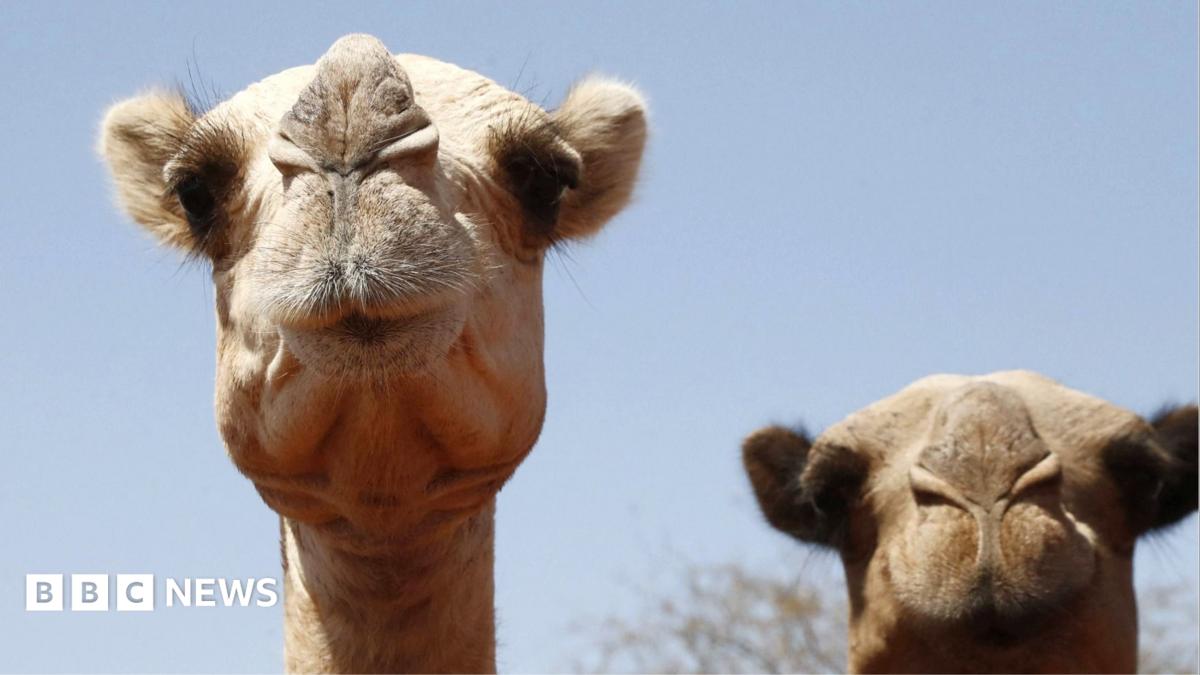
North Africa and the Horn of Africa are home to approximately 80% of the world’s dromedary camel population, the single-humped variety renowned for its endurance. For years, these animals have been the preferred livestock for farmers and cattle herders in these challenging environments, precisely because of their unparalleled ability to withstand extreme heat and prolonged drought. This strategic shift towards camels has historically provided a crucial lifeline for pastoral communities, ensuring a degree of stability in an unpredictable climate.
However, recent research indicates that this long-held advantage is diminishing. A comprehensive study examining the perceptions of camel herders in southern Ethiopia, published in 2025, revealed a disturbing trend: high temperatures and increasing climate variability are having a detrimental effect on the health of camel herds. The study meticulously documented how respondents consistently reported that climate change and its associated variability were negatively impacting the overall health, productivity, and reproductive capabilities of their camels.
The situation in neighbouring Somalia appears even more dire. Research released in June painted a grim picture of a widespread crisis characterized by drought-related camel mortality, affecting an alarming 46% of camel-owning households. This extensive study, which surveyed nearly 6,000 pastoral households, highlighted that the mortality rates were particularly concentrated in the northern regions, with the Sool region recording a "staggering mortality rate of nearly 73%." This indicates a catastrophic loss of a critical livelihood for many families.
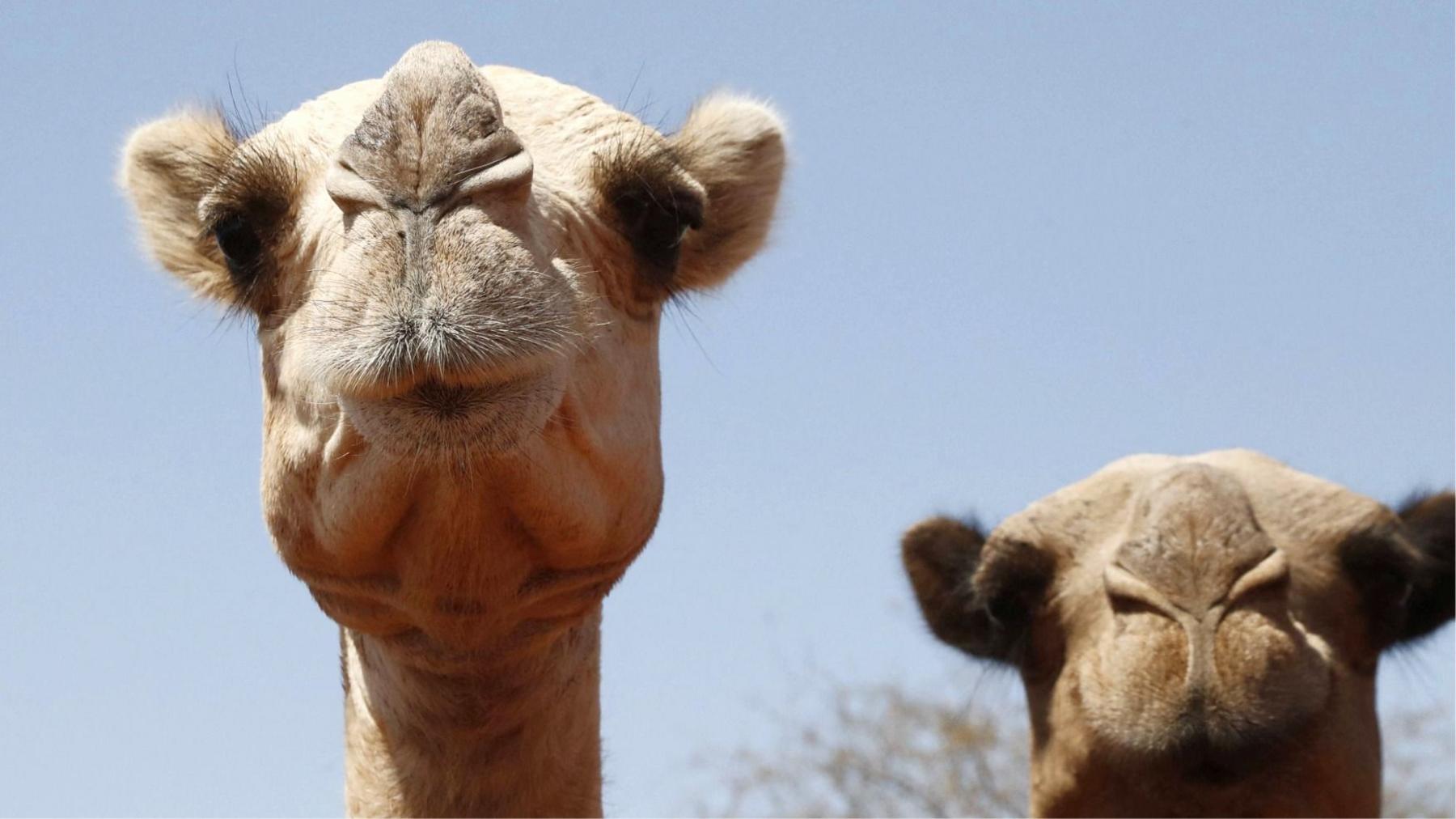
While extreme heat is identified as the primary driver of the escalating drought in the region, experts emphasize that other compounding factors, such as inadequate veterinary services and suboptimal animal management practices, are exacerbating the crisis. An in-depth analysis conducted by atmospheric scientists provided further substantiation for the link between rising temperatures and drought. Their findings indicated that the extreme heat was a significant contributor to the severe drought experienced between 2021 and 2022. This phenomenon occurs because high temperatures accelerate the evaporation of water from both soil and surface water bodies, while simultaneously causing plants to release more water vapor into the atmosphere.
Veterinary professionals are increasingly reporting a rise in sick camels and a corresponding increase in camel deaths directly attributable to extreme heat and drought. Hassan Nuya Guyo, a veterinary officer serving in Marsabit county, located in north-eastern Kenya and bordering Ethiopia, shared his firsthand observations with the BBC. "We are seeing a significant increase in cases of hyperthermia in camels, as a result of which they get multiple infections," he stated. "In the last two years, we have seen a more than 15% increase in camel deaths in our county due to extreme heat." The impact on milk production is also a critical concern for pastoralist communities. Another study conducted in the Horn of Africa corroborates these findings, identifying increased disease prevalence among camels and a marked reduction in milk yields as direct consequences of climate change impacts, including heat stress.
A similar pattern of distress is unfolding across North Africa. A study published this year in Algeria documented a substantial rise in camel deaths during summer heatwaves. The research employed time-series analysis to identify significant seasonal mortality patterns, underscoring the urgent need for "targeted interventions during high-risk periods like peak summer months; such as strategic water provisioning, supplemental feeding, and enhanced disease monitoring."
The World Meteorological Organization (WMO) has consistently highlighted the growing frequency of extreme heat events across several North African countries. Their reports indicate a clear upward trend in heatwaves since 1981. In 2024 alone, numerous countries in the region and the Middle East reported temperatures exceeding 50°C, a level that pushes the boundaries of survival for many species. The WMO’s "State of the Climate in Africa 2025" report further accentuates this alarming trend, revealing that North Africa experienced the most rapid warming of all six subregions of the continent, with an average increase of 0.43°C per decade between 1991 and 2025.
Under normal circumstances, camels possess an extraordinary physiological toolkit for managing heat. Experts explain that camels can comfortably tolerate temperatures up to around 40°C by strategically allowing their internal body temperature to fluctuate by several degrees throughout the day. This adaptation minimizes the need for sweating, a process that leads to significant water loss. Combined with their highly concentrated urine and dry feces, this physiological mechanism allows them to conserve precious water. Furthermore, their thick, insulating skin coat provides a crucial defense against direct solar radiation.
However, even these remarkable adaptations have their limits. Dr. Mohammed Bengoumi, a scientist with the UN’s Food and Agriculture Organization (FAO) specializing in camel health and working in North Africa, explained the tipping point. "But camels can also experience heat stress when temperatures rise beyond their comfort range," he told the BBC. "In many parts of the Sahara, summer temperatures now frequently exceed 50°C, increasing the risk of severe heat stress, particularly when accompanied by reduced vegetation cover, water scarcity, and limited access to shade."
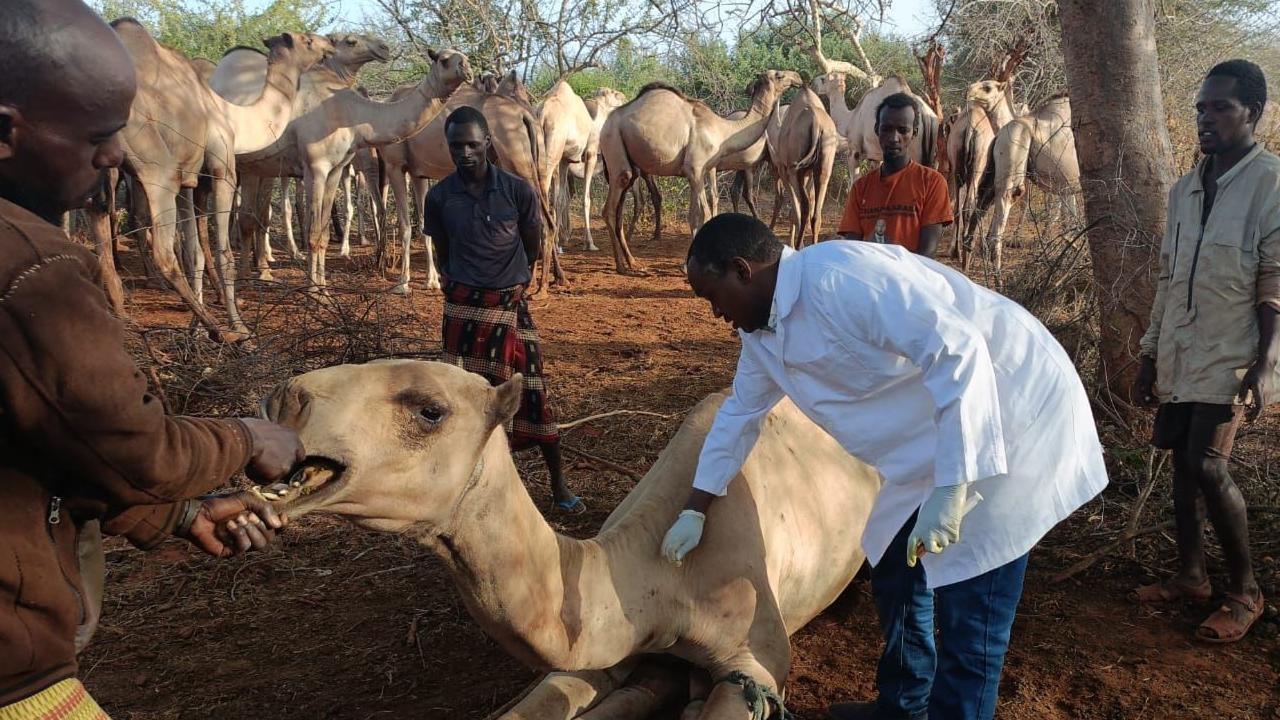
Professor Abdelmadjid Chehma from the University of Ghardaia in Algeria, who has conducted extensive experimental research on camels in the Sahara Desert, shares similar concerns. "Our works show that prolonged day-and-night heat above 41 to 45°C directly attack their cells," he stated. "Their immune system suffers because such heat levels damage their white blood cells and other cells because of stress, they [the cells] struggle to repair themselves and end up destroying themselves." The physiological consequences of this cellular damage are profound for camels. When heat stress sets in, their metabolic rate slows down significantly to reduce internal heat production. This leads to a sharp decline in food intake, resulting in lethargy and widespread fatigue. The repercussions extend to reduced milk production for pastoralist communities and can also trigger reproductive disorders, further impacting herd sustainability.
Professor Mohammed el Khasmi, an animal hydrobiology expert at the University of Casablanca in Morocco, has meticulously documented a lengthy list of the adverse effects of heat stress observed in camels by his research team. These include significant weight loss, systemic inflammation, the development of muscle and bone-related illnesses, chemical imbalances in the body due to kidney malfunction, and an increased susceptibility to infectious diseases, often exacerbated by parasitic infestations.
While extreme heat stands as the primary aggressor, its devastating impacts are amplified when other environmental and management factors converge. The loss of vital vegetation and water sources, a scarcity of shaded areas offering respite from the sun, and inadequate veterinary services collectively intensify the crisis. This multifaceted pressure has forced many herders in Ethiopia, for instance, to relocate their camel herds from their traditional northern grazing grounds to the southern regions, where water and vegetation are comparatively more abundant. Daniel Gelan, a professor and researcher specializing in pastoralist development at Vision University in Ethiopia, emphasized the gravity of this displacement. "And this is not the seasonal movement of the herders," he clarified to the BBC. "They are leaving the northern region for good because they can no longer sustain camel herding there because of extreme heat and drought."
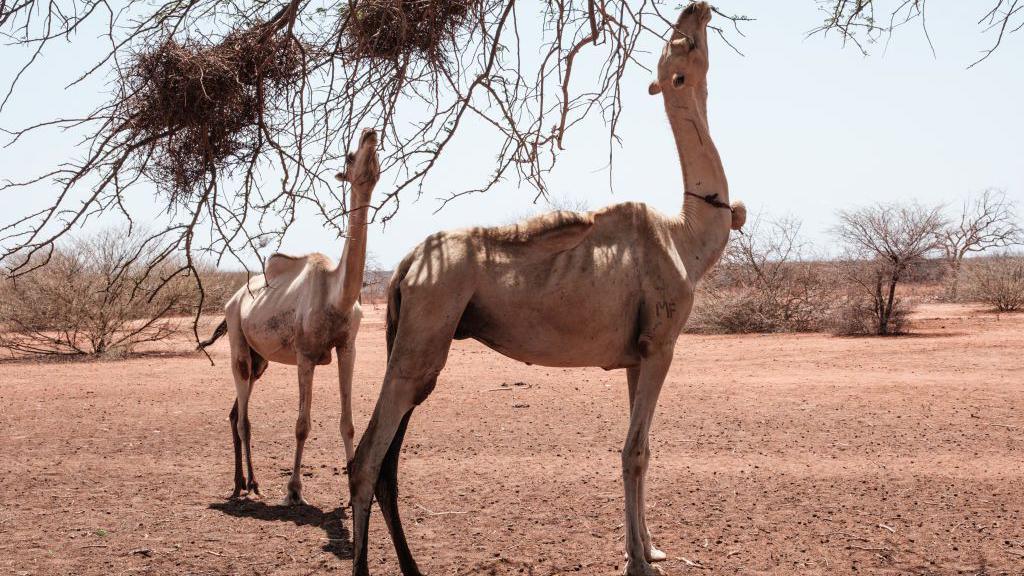
The Horn of Africa is still grappling with the aftermath of the longest and most severe drought on record, which spanned from 2020 to 2023. Yet, according to the charity organization Oxfam, the region is now facing yet another wave of this harsh climatic condition. In some parts of Somalia, the scarcity of water has driven prices up by an astonishing 2,000%, highlighting the dire consequences of the prolonged drought.
Ali Umer, the herder from Afar, expressed his profound worry about the potential for a disease outbreak to decimate his adult camel population at any moment. His concerns are validated by Prof Chehma, who warns of a grim future. "While camels remain the livestock herders’ last line of defence against the desert, the unprecedented intensity of current heatwaves directly threatens their vital functions, turning this historically resilient animal into a climate victim," he concluded, underscoring the urgent need for global action to mitigate climate change and support vulnerable communities and their vital livestock.
