
 By Titik Puspa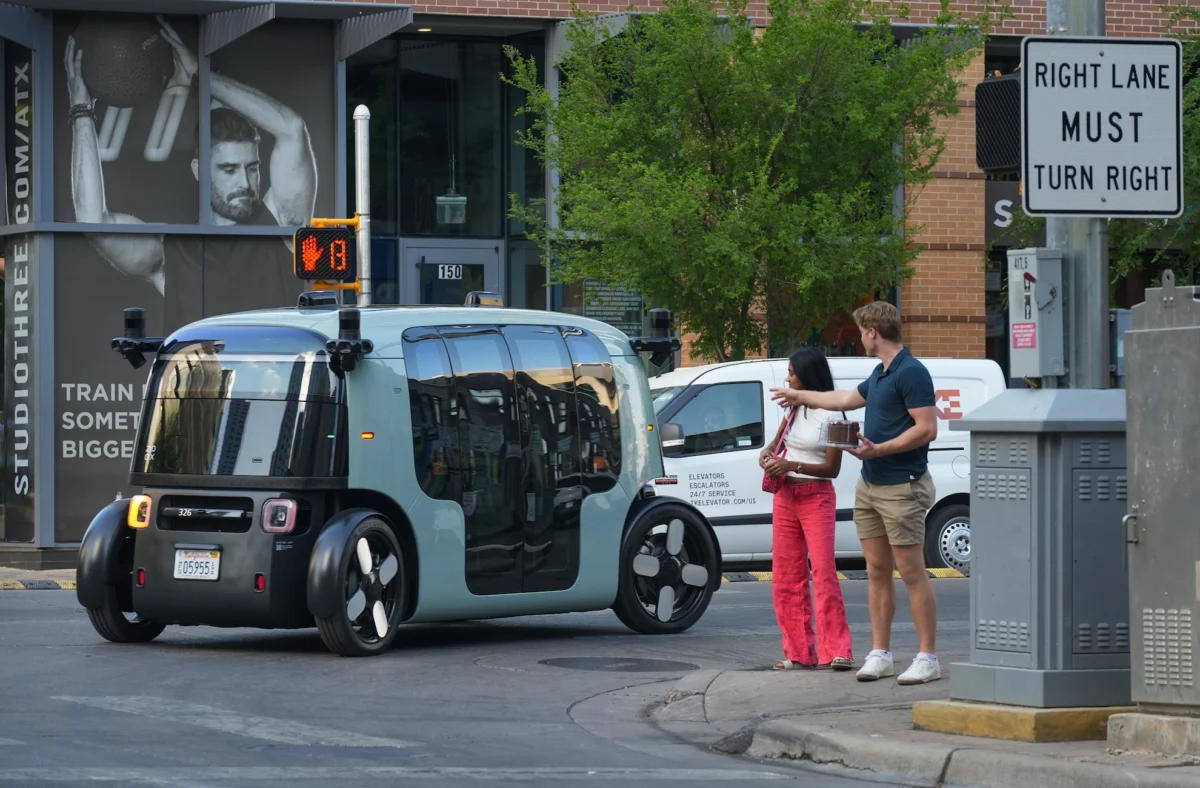
The autonomous vehicle (AV) industry is currently navigating a complex regulatory landscape, characterized by a significant push from federal authorities to accelerate development and deployment, juxtaposed with increasing caution and braking from state and local officials. This dynamic tension was recently highlighted by a series of pivotal announcements from the National Highway Traffic Safety Administration (NHTSA) and ongoing scrutiny of AV operations on city streets.
In a move signaling a strong federal commitment to advancing AV technology, NHTSA unveiled a suite of measures designed to streamline regulatory processes. Among these, the agency granted Zoox, an Amazon-owned AV company, a temporary exemption from eight Federal Motor Vehicle Safety Standards (FMVSS). This landmark decision is a critical step, finally paving the way for Zoox to commence charging passengers for rides in its purpose-built, driverless robotaxis. The significance of this exemption cannot be overstated; it represents one of the final regulatory hurdles Zoox needed to clear before launching a fully commercial service. According to the company, paid rides are imminent, with Las Vegas slated to be the initial launch market. This development marks a tangible progression towards widespread public adoption of robotaxi services, shifting the paradigm from testing and development to commercial operation.
However, this federal momentum is being met with considerable headwinds at the local level. Companies like Waymo, a leader in the robotaxi sector, are facing escalating scrutiny regarding the operational protocols of their autonomous vehicles, particularly concerning their interactions with emergency responders. This regulatory risk has become increasingly difficult for the industry to dismiss. The issue was starkly illustrated in San Francisco, where Mayor Daniel Lurie formally requested state regulators to enhance oversight of AVs. This plea came in the wake of an incident where Waymo robotaxis became immobilized during heavy July 4th traffic, subsequently running out of power and obstructing critical roadways, thereby exacerbating existing congestion.
Adding to the regulatory pressure, U.S. Representative Kevin Mullin (D-Calif.) has introduced legislation aimed at mandating federal regulators to establish minimum national safety standards for AV operators. During a press conference, which was also attended by Mayor Lurie, Rep. Mullin articulated the growing concerns, stating, "We have seen disturbing, and frankly, an unacceptable number of incidents where autonomous vehicles inadvertently interfere with emergency responders." This legislative effort underscores a growing sentiment among policymakers that a standardized federal framework is essential to ensure public safety and operational consistency across different jurisdictions. The proposed bill seeks to address the fragmented regulatory environment, where varying state and local rules can create confusion and hinder the nationwide scalability of AV technology.
The current situation can be aptly described as a push-and-pull dynamic: the federal government is actively pushing the accelerator, while state and local entities are applying the brakes, leaving the AV industry caught in the middle, striving to navigate these opposing forces. This delicate balance between fostering innovation and ensuring public safety remains a central challenge for the future of autonomous transportation.
Significant Funding Rounds Fueling Mobility Innovation
Beyond the regulatory arena, the mobility sector continues to attract substantial investment, with several key players securing significant funding to advance their respective ventures.

Lucid Motors, the luxury electric vehicle manufacturer, has once again tapped into Saudi Arabian capital. Prince Al Waleed bin Talal Al Saud, a prominent member of the Saudi royal family and a seasoned investor, has acquired a stake of approximately 5% in Lucid Motors, amounting to over 19 million shares, as detailed in a recent regulatory filing. This injection of capital underscores the ongoing financial commitment from Saudi Arabia to the burgeoning EV market and Lucid’s position within it. The prince’s investment highlights confidence in Lucid’s long-term strategy and its potential to compete in the premium EV segment.
Elon Musk’s ambitious tunneling venture, The Boring Company, is reportedly in advanced discussions to secure a substantial $4 billion funding round. This potential investment would place the company’s valuation at an impressive $20 billion. The Boring Company’s focus on developing subterranean transportation systems aims to alleviate urban congestion, and this significant funding would likely accelerate its research, development, and deployment of these innovative solutions. The prospect of such a large investment signals strong investor belief in the disruptive potential of underground transit networks.
In the commercial fleet sector, Terminal, a Toronto-based startup specializing in telematics data infrastructure, has successfully closed a $20 million Series A funding round. The round was led by Battery Ventures, with participation from strategic investors Intact Private Capital and Penske, as well as returning backers Y Combinator and Wayfinder Ventures. Terminal’s platform provides critical data insights for commercial fleets, enhancing operational efficiency and safety. This funding will enable the company to scale its operations, expand its product offerings, and further solidify its position in the rapidly evolving fleet management technology market.
Notable Industry Developments and Strategic Moves
The broader mobility ecosystem is witnessing a flurry of activity, encompassing strategic partnerships, product launches, and significant shifts in market focus.
Alaska Airlines CEO and President Ben Minicucci has joined the board of directors at Lyft. This appointment signifies a potential for deeper collaboration between the airline and ride-sharing industries, exploring synergies in customer travel solutions and integrated mobility services. Such partnerships could redefine how travelers navigate from airports to their final destinations.
The nascent drone delivery industry experienced a particularly active week. Walmart and Alphabet’s Wing drone delivery service commenced operations across Central Florida, expanding the reach of aerial package delivery to a wider consumer base. Simultaneously, Flytrex announced a partnership with autonomic logistics platform Nash, further integrating drone technology into logistics networks. However, the most significant announcement came from DoorDash, which revealed its strategic decision to build its own drone delivery business, including the development of proprietary aircraft. This initiative, spearheaded by its robotics and autonomy team, aims to seamlessly integrate drone deliveries within the existing DoorDash app, signaling a major commitment to leveraging autonomous technology for last-mile delivery.
Despite initial criticism surrounding its first all-electric vehicle, the Luce, Ferrari has reported strong sales performance. The luxury automaker successfully met its annual sales target for the Luce in just two months, demonstrating a robust demand for its electric offerings, even in the face of polarized opinions on its design. This success suggests that performance and brand prestige can overcome aesthetic concerns for high-end consumers.

In a surprising development, Florida is redirecting $200 million originally allocated under the federal National Electric Vehicle Infrastructure program. Instead of investing in electric car charging infrastructure, the state plans to utilize these funds to construct 32 landing pads equipped with charging stations for electric vertical take-off and landing (eVTOL) aircraft. This strategic pivot highlights Florida’s ambition to become a hub for advanced air mobility, prioritizing the development of infrastructure for future air taxi services.
London is emerging as a significant battleground for robotaxi services. Baidu has initiated testing of its autonomous vehicles in the city as part of a collaboration with Lyft and Freenow, the taxi and multi-mobility app now owned by Lyft. The companies aim to open their robotaxi services to the public in 2027. Meanwhile, Waymo began testing its autonomous vehicles with human safety operators in London in April, and Uber, in partnership with its self-driving tech collaborator Wayve, has announced plans to launch a robotaxi service in the city this year. This influx of major players signals London’s emergence as a key global market for autonomous ride-hailing.
Rivian’s spinoff company, Also, is set to commence deliveries of its first e-bikes next week, following several months of delays attributed to unspecified supply chain issues. This launch represents a crucial step for Also in establishing its presence in the growing electric bicycle market.
Further fueling speculation of an impending Tesla-SpaceX merger, the electric vehicle giant is reportedly exploring the sale of its China business, according to The Wall Street Journal. This strategic move could precede a merger with SpaceX, signaling significant corporate restructuring within Elon Musk’s empire. In parallel, Tesla reached a major manufacturing milestone, having produced its 10 millionth electric vehicle.
Waymo robotaxis are gradually returning to freeways, more than two months after the company temporarily suspended operations on these high-speed roads. The pause was implemented to address concerns regarding the AVs’ behavior in proximity to construction zones, indicating a cautious approach to reintroducing autonomous vehicles to more complex driving environments.
Shifting Focus: The Retreat from EV Hype
A notable trend emerging from recent industry analysis is a discernible shift in the discourse surrounding electric vehicles, particularly from legacy automakers like General Motors (GM) and Ford. Once vocal proponents of aggressive EV expansion, these companies appear to be tempering their public pronouncements and strategic emphasis on electrification.
An analysis conducted by TechCrunch in collaboration with Hudson Labs, a New York-based financial research firm, examined seven years of quarterly earnings calls from GM and Ford. The findings reveal a significant decrease in the frequency with which both companies discuss electric vehicles, particularly when compared to the pre-pandemic era. This reduction in dialogue suggests a recalibration of their strategic priorities and a potential slowdown in the pace of their EV initiatives. While both GM and Ford continue to offer EVs and have new models in their product pipelines, the collective focus has evidently shifted, as evidenced by the data. The analysis, which includes interactive graphs, provides a quantitative perspective on this evolving corporate narrative around electrification. This trend may indicate a response to market dynamics, profitability concerns, or a strategic re-evaluation of the transition timeline to an all-electric future.
