
 By admin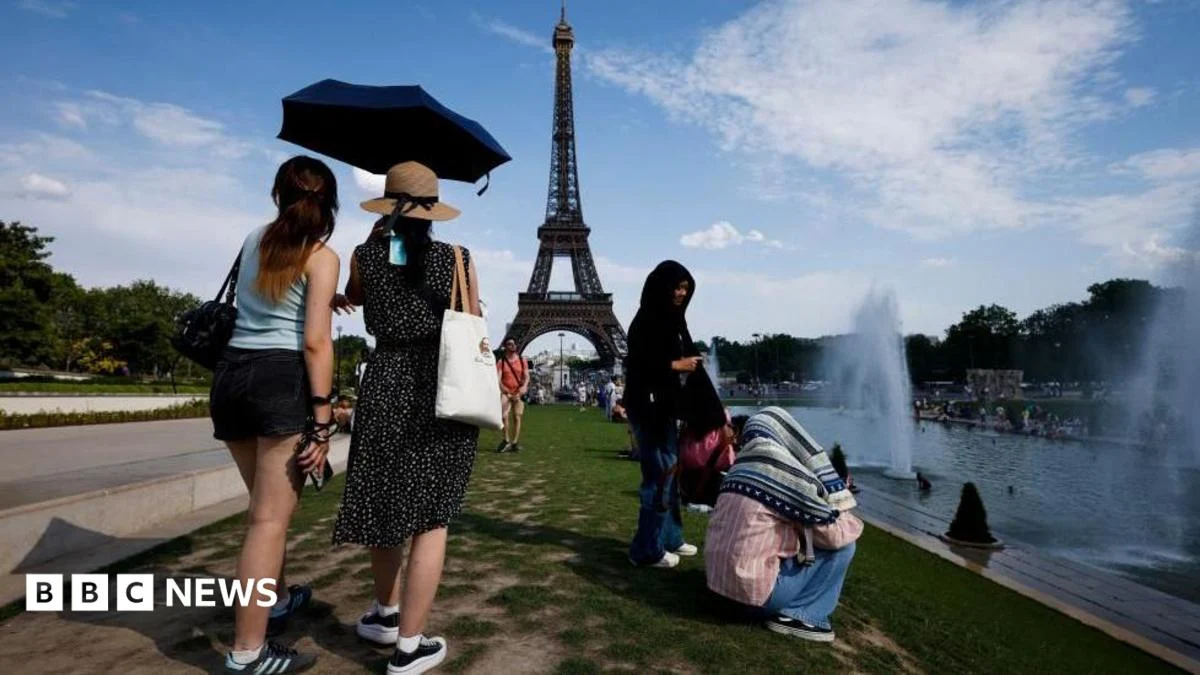
France has recorded a grim milestone, with 301 reported drownings since June 19th, a stark increase attributed by a government minister to the relentless and prolonged heatwaves that have gripped the nation and much of Southern Europe. Sports and Youth Minister Marina Ferrari, speaking with France Inter radio, described the figure as a "tragic toll," noting it represents a significant 14% hike compared to the same period in the previous year, 2025. This surge in fatalities underscores the deadly intersection of extreme weather events and human behaviour, forcing a national reckoning with water safety in an era of escalating climate change.
The current heatwaves, which have also seared Spain and Italy, are not merely a matter of discomfort; they have unleashed devastating wildfires that have consumed thousands of hectares of precious land. This climatic extremity, however, has also driven an alarming number of people to seek respite in bodies of water, often with tragic consequences. Minister Ferrari highlighted a critical factor contributing to the fatalities: "Many deadly accidents have occurred in areas that are not authorised or supervised for swimming." This indicates a dangerous trend of individuals venturing into potentially hazardous locations, seeking relief from the oppressive heat without adequate safety precautions.
The minister’s observations painted a sobering picture of the circumstances surrounding these drownings. She elaborated that a significant number of these fatalities were recorded in "open water, in canals for example," environments that often present unseen currents, submerged obstacles, and variable depths. These natural waterways, while tempting for a quick cool-down, rarely offer the safety nets provided by supervised bathing areas. This admission from a government minister signals a deep concern within the administration regarding the public’s engagement with water during these extreme conditions.
In response to this escalating crisis, the French government is actively collaborating with regional authorities. "We are working with regional authorities to improve swimming areas and make things safer," Ferrari stated, outlining a commitment to enhancing existing facilities and potentially designating new, safer zones for public access to water. This proactive approach suggests an understanding that the current infrastructure and safety measures may be insufficient to cope with the demands placed upon them by prolonged heat and increased water-seeking behaviour.
Adding another layer of complexity to the drowning statistics, the minister revealed that a substantial proportion of these tragedies, "particularly among the elderly, occurred in individual pools." This detail is crucial, as it points to risks beyond the commonly perceived dangers of unsupervised natural water bodies. The inherent risk of sudden immersion in cold water on an extremely hot day was identified as a significant contributing factor. This thermal shock can have profound physiological effects, leading to "shock, and in some cases ‘people can also exceed their physical capabilities’," Ferrari explained. This highlights the need for greater awareness of the physiological impacts of extreme temperature differentials, even in seemingly controlled environments like private swimming pools.
The minister’s warning about the dangers of seeking solace in rivers and canals is not new. In June, she had already voiced concerns, cautioning that "too many people were trying to cool off in rivers and canals without necessarily taking the risks into account." This earlier pronouncement, now amplified by the stark drowning figures, suggests a persistent public underestimation of the dangers associated with these bodies of water, especially during periods of extreme heat. The combination of increased water temperatures, potential algal blooms, and altered water flow due to heat can create unforeseen hazards.
The underlying driver of these extreme heat events is unequivocally climate change. Global temperatures are on an upward trajectory, with Europe experiencing particularly severe consequences. According to the Copernicus climate service, Europe is the fastest warming continent, heating up at twice the rate of the global average. This accelerated warming trend directly exacerbates the frequency and intensity of heatwaves, creating a feedback loop where environmental conditions become increasingly perilous for human life. The implications of this scientific consensus are profound, demanding urgent and comprehensive action to mitigate climate change and adapt to its inevitable impacts.
The data from the World Meteorological Organization (WMO) further underscores the severity of the situation in Europe. Reports from the Copernicus climate service consistently highlight record-breaking heatwaves stretching from the Mediterranean to the Arctic, alongside alarming rates of glacier shrinkage. These observations are not isolated incidents but part of a broader, systemic shift in the Earth’s climate. The WMO’s "European State of Climate 2025" report, for instance, would likely detail the cascading effects of these extreme temperatures, including their impact on public health, agriculture, and water resources.
The rising number of drownings in France is a tragic symptom of a larger, global crisis. It serves as a stark reminder that climate change is not a distant threat but a present reality, with tangible and devastating consequences. The increased frequency and intensity of heatwaves necessitate a multi-pronged approach. This includes not only efforts to mitigate further climate change through emissions reductions but also robust public health campaigns focused on water safety, improved infrastructure for safe recreational water access, and enhanced emergency response capabilities.
Experts in public health and climate science have long warned about the increased risks associated with extreme heat. Dr. Anya Sharma, a climatologist specializing in European weather patterns, commented, "We are witnessing a direct correlation between prolonged periods of extreme heat and the rise in heat-related fatalities, including drownings. People are desperately seeking relief, and in their desperation, they are often taking risks they wouldn’t normally consider. The psychological pressure of oppressive heat can override rational decision-making."
Furthermore, the demographic breakdown of the drowning victims, particularly the mention of the elderly, points to a need for targeted interventions. Older adults are more vulnerable to the physiological effects of heat and may have pre-existing health conditions that are exacerbated by sudden temperature changes. Their reliance on private pools, while offering a sense of privacy and control, can also mean a lack of immediate assistance in case of an accident. This suggests a need for community-based outreach programs and educational initiatives specifically designed for vulnerable populations.
The French government’s commitment to improving swimming areas is a positive step, but it must be accompanied by rigorous public awareness campaigns. These campaigns should educate the public about the dangers of unsupervised swimming, the risks associated with sudden immersion in cold water, and the importance of heeding official safety advisances. The media also has a crucial role to play in disseminating this information effectively and consistently.
The long-term implications of climate change on public health are a growing concern. As heatwaves become more frequent and intense, societies will need to adapt their infrastructure and behaviours to cope with these new realities. This includes developing heat-resilient urban planning, ensuring access to cooling centers, and strengthening public health systems to manage the anticipated increase in heat-related illnesses and fatalities.
The tragedy unfolding in France is a microcosm of the challenges facing many nations worldwide. The interconnectedness of climate change, extreme weather events, and public safety demands a global response. International cooperation on climate mitigation, the sharing of best practices in disaster preparedness and response, and investment in climate-resilient infrastructure are all essential components of a comprehensive strategy.
In conclusion, the alarming rise in drownings in France, directly linked to prolonged heatwaves, serves as a stark and urgent wake-up call. It underscores the profound impact of climate change on human lives and the critical need for immediate and sustained action. From improving water safety infrastructure to implementing effective public awareness campaigns and addressing the root causes of climate change, France and the global community must collectively confront this growing crisis to prevent further tragic losses. The "tragic toll" reported by Minister Ferrari is not merely a statistic; it represents individual lives lost, families devastated, and a clear signal that the era of extreme weather demands a fundamental shift in our approach to safety and environmental stewardship. The lessons learned from these heart-wrenching events must translate into decisive action to safeguard lives in a warming world.
