
 By admin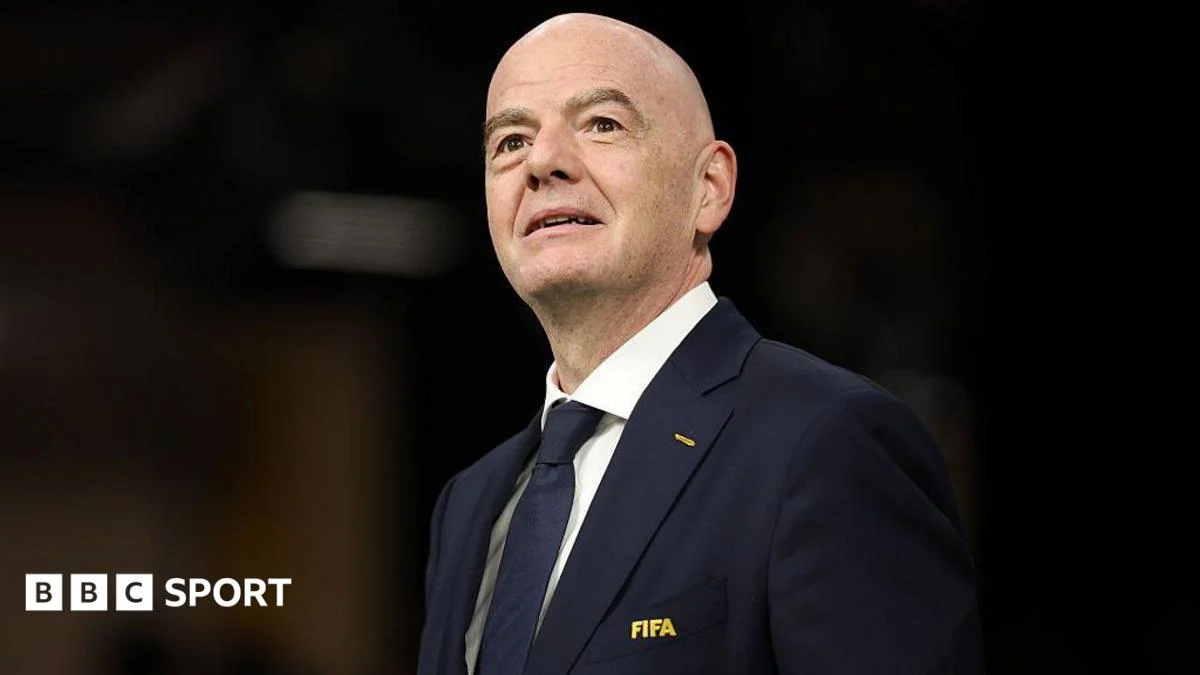
In a significant development that reverberates through the global football landscape, Gianni Infantino has secured his position as FIFA President, having garnered the crucial backing of senior executives during a high-stakes meeting held in Morocco. This affirmation of support comes despite FIFA’s candid admission that "mistakes" were indeed made in the handling of a controversial proposal to sell stakes in its premier competitions to private investors. The decision to convene this pivotal gathering at FIFA’s Africa office in Rabat on Wednesday was a direct response to a storm of criticism that erupted following the aborted attempt to forge such lucrative deals. Just four hours after the conclusion of the meeting, the world governing body of football released a statement that, while acknowledging missteps, ultimately reaffirmed its commitment to Infantino’s leadership.
The controversy ignited primarily due to the Fifa Forward Enterprise (FFE) proposal, a plan that Uefa, the governing body of European football, vehemently denounced at the weekend. Uefa declared a loss of confidence in Infantino, characterizing the FFE proposal as a "shabby, back room, opaque deal." The criticism was not confined to external bodies; it also emanated from within FIFA itself. Mattias Grofstrom, FIFA’s Secretary General, who was present at Wednesday’s meeting, articulated his deep disappointment in an internal memo dispatched to FIFA staff on Tuesday. He described the unfolding situation as "a sad and reproachable series of events." However, in a surprising turn of events following the meeting, Grofstrom, alongside the management board, "reaffirmed their full support" for Infantino’s continued presidency, underscoring a complex internal dynamic.
At the heart of the controversy was Infantino’s ambitious offer to FIFA’s 211 member associations: a staggering $40 million (approximately £30 million) incentive contingent upon their endorsement of a proposal to introduce private investment into FIFA’s flagship tournaments, including the men’s and women’s World Cups. This investment was to be channeled through a newly established subsidiary, FFE. During the meeting in Rabat, FIFA acknowledged that "mistakes" had been made concerning the FFE proposal. The organization conceded that it was "not the intention" for the FIFA Council and member associations to "feel excluded from the process and that the process should have been handled differently." This admission of a lack of transparency and inclusivity marks a significant concession from the governing body.
Furthermore, FIFA extended its acknowledgment of errors to the period following the leak of the proposal to the media. The Times newspaper was the first to break the story of Infantino’s plan on July 28th, an event that triggered widespread scrutiny and criticism. FIFA stated that it had subsequently written to the Council and member associations to offer apologies for these procedural errors, coupled with a firm "commitment to ensure they do not happen again." The organization also pledged to undertake a comprehensive review of the incident. However, the statement also carried a resolute tone, asserting that FIFA "will no longer tolerate any attacks on its integrity, good governance and due process and will take all necessary measures to protect and safeguard its name and reputation." This dual approach signals a desire for reconciliation alongside a robust defense of its institutional standing.
Adding another layer of contention, FIFA earlier denied a report published in The Times alleging that Infantino had promised Morocco the hosting rights for the 2030 World Cup final in exchange for its support for the FFE proposal. FIFA vehemently dismissed these claims as "false and misleading," emphasizing that the decision regarding the final’s venue, with Spain and Portugal also co-hosting the tournament, would be made "in due course." This denial underscores FIFA’s efforts to distance itself from any impropriety or quid pro quo arrangements.
Infantino will undoubtedly be hoping that this show of executive support marks a turning point, allowing him to draw a line under what has become one of the most significant controversies to mar his decade-long tenure at the helm of FIFA. However, the affirmation from FIFA executives has been juxtaposed with continued, sharp criticism from prominent figures within the global football community.
Canadian Prime Minister Mark Carney, whose country recently co-hosted the men’s World Cup alongside the United States and Mexico, publicly stated that he no longer had confidence in Infantino’s leadership. His dissent, coming from a nation that has recently been a prominent player on the World Cup stage, carries considerable weight.
Adding his voice to the chorus of disapproval was Luis Figo, a legendary former winger for Barcelona, Real Madrid, and the Portuguese national team. Figo, who himself ran for the FIFA presidency against Sepp Blatter in 2015 before withdrawing his candidacy, issued a direct call for Infantino’s immediate resignation. Figo’s indictment was particularly scathing: "Infantino has debased the office that he promised to elevate. It is too late to save his dignity but it is not too late to save football." This sentiment reflects a deep-seated concern among some stakeholders about the direction and ethical standing of FIFA under its current leadership.
Despite these vocal criticisms, the 56-year-old Infantino appears resolute in his intention to seek re-election for a fourth term as FIFA President. The window for potential rivals to formally declare their candidacies remains open until November 18th. The ultimate decision on the presidency will be made at the FIFA Congress, scheduled to take place in Morocco in March 2027. To secure victory, a candidate requires the backing of at least 106 votes from FIFA’s 211 member associations.
However, the powerful European football confederation, Uefa, may yet present a formidable challenge to Infantino’s aspirations. At the weekend, Uefa reiterated its loss of confidence in Infantino’s leadership and even threatened legal action against FIFA, signaling a deep rift between the two organizations. Earlier this week, several member associations, including Wales, with England expected to follow suit, publicly withdrew their support for Infantino’s re-election campaign. This growing dissent among European nations adds a significant layer of uncertainty to Infantino’s future.
While FIFA acknowledged that "mistakes were made," the organization simultaneously maintained that "everything that was done was done in full compliance with the FIFA regulatory framework." This statement aims to balance an admission of procedural flaws with an assertion of legal and ethical adherence. It is highly unlikely, however, that such pronouncements, coupled with the endorsement of a select group of executives, will appease Uefa’s considerable anger and skepticism. The fallout from the FFE proposal saga continues to cast a long shadow over FIFA’s governance, and the coming months will likely witness further intense debate and political maneuvering as the football world grapples with the implications of these recent events. The episode has undoubtedly raised critical questions about transparency, accountability, and the balance of power within world football’s most influential organization, setting the stage for a potentially contentious presidential election in 2027.
