
 By admin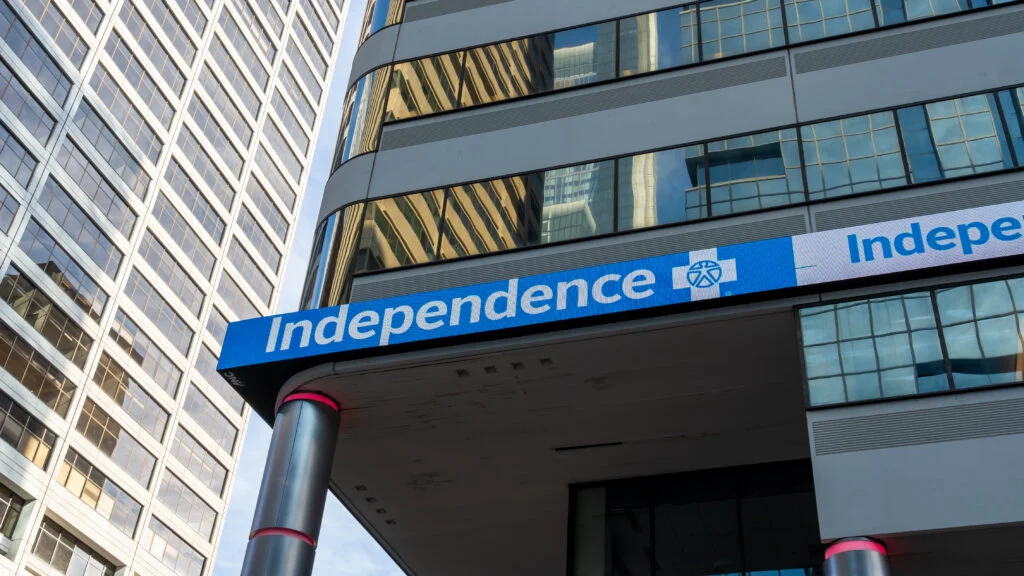
In a legal escalation that underscores the deepening rift between the nation’s largest hospital providers and major health insurers, several Texas-based hospitals owned by HCA Healthcare have filed a lawsuit against Independence Blue Cross (IBX), alleging a systematic failure to reimburse more than $345,000 in medical claims. The litigation, filed in a Texas district court, centers on services provided nearly four years ago, bringing to the forefront a protracted battle over the mechanics of prior authorization, the definition of medical necessity, and the increasingly aggressive tactics used by both sides in the multi-billion-dollar business of healthcare reimbursement.
The lawsuit involves several HCA-affiliated facilities in the Texas market, a region where HCA maintains a dominant footprint. According to court documents, the dispute involves a series of claims for patient care that the hospitals argue were either pre-authorized or met the standard criteria for emergency and post-stabilization care. Independence Blue Cross, a Philadelphia-based insurer and one of the largest Blue Cross Blue Shield (BCBS) plans in the country, has allegedly refused to settle these balances, citing discrepancies in medical necessity and administrative filing errors. While the dollar amount—$345,000—is a fraction of the annual revenue for these multi-billion-dollar entities, the case is being viewed by industry analysts as a bellwether for the "administrative war of attrition" currently defining the relationship between payers and providers.
At the heart of the HCA-IBX conflict is the contentious practice of prior authorization. Originally designed as a tool for health plans to ensure that patients receive appropriate, cost-effective care and to prevent the overutilization of expensive procedures, prior authorization has evolved into a primary point of friction. Providers and patient advocacy groups argue that the process has been weaponized by insurers to delay or deny care, effectively serving as a mechanism to bolster corporate profits by keeping medical loss ratios low. HCA’s complaint suggests that even when the hospitals followed the requisite protocols for notification and authorization, IBX utilized retrospective reviews to claw back payments or deny claims after the care had already been delivered.
The timing of this lawsuit is particularly significant. As of late 2026, the healthcare industry is grappling with the fallout of several years of legislative and regulatory pressure regarding insurance practices. In August 2026, a growing coalition of advocates and lawmakers renewed calls for a federal ban on prior authorization for certain categories of care, citing its impact on hospital solvency and patient outcomes. This followed a series of "voluntary pledges" made by major health insurers in mid-2025, where companies promised to streamline their authorization processes and increase transparency in response to mounting public outcry. The HCA lawsuit suggests that despite these public-facing promises, the underlying financial disputes remain as entrenched as ever.

To understand the scale of the conflict, one must look at the profiles of the two combatants. HCA Healthcare is a titan of the for-profit hospital sector, operating over 180 hospitals and approximately 2,200 sites of care across 20 states and the United Kingdom. Known for its sophisticated financial management and aggressive negotiation tactics, HCA has historically been willing to go "out of network" with major insurers to secure higher reimbursement rates. On the other side, Independence Blue Cross is the leading health insurer in the Philadelphia region, serving millions of members. Because of the "BlueCard" program—a national system that allows BCBS members to receive care from providers in other Blue Cross service areas—IBX is often responsible for processing claims for its Philadelphia-based members who receive care at HCA facilities in Texas.
The "out-of-area" nature of these claims adds a layer of administrative complexity that often leads to payment delays. When a patient with an Independence Blue Cross plan from Pennsylvania is treated at an HCA hospital in Dallas or Houston, the Texas hospital submits the claim to its local Blue Cross affiliate (Blue Cross and Blue Shield of Texas), which then routes it to IBX for payment. This "inter-plan" communication frequently breaks down, with hospitals caught in a bureaucratic loop where the local plan blames the home plan for denials, and vice versa. HCA’s lawsuit alleges that IBX has exploited these complexities to avoid paying for legitimate medical services provided to its members.
The dispute also provides a rare, transparent window into the high prices hospitals charge Blue Cross plans. In the court filings, the itemized claims reveal the significant gap between the "chargemaster" prices—the list prices for hospital services—and the actual costs of care. While insurers typically negotiate discounted rates, the unpaid claims in this suit reflect the tension over what constitutes a "fair" price for emergency services and specialized surgeries. For HCA, securing every dollar of these claims is essential for maintaining the high margins expected by its shareholders. For IBX, scrutinizing these claims is part of its fiduciary duty to its policyholders to control premium costs.
Beyond the financial specifics, the legal battle touches on the "Gold Carding" movement that has gained traction in states like Texas. Texas was one of the first states to pass legislation aimed at exempting physicians with high track records of approval from prior authorization requirements. However, hospitals have found it more difficult to secure similar "Gold Card" status, leading to a disparity where the doctor’s work is approved, but the hospital’s facility fees are denied. HCA’s Texas hospitals are operating in an environment where they are legally and ethically obligated to stabilize patients, yet they face increasing uncertainty about whether those services will be reimbursed by out-of-state insurers like IBX.
The broader implications of this case are being closely watched by the American Hospital Association (AHA) and America’s Health Insurance Plans (AHIP). Data from the AMA has consistently shown that 94% of physicians report that prior authorization leads to care delays, and 80% say it can lead to patients abandoning their treatment altogether. From the hospital’s perspective, the administrative cost of chasing these $345,000 in claims often exceeds the value of the claims themselves, but for a giant like HCA, the lawsuit is a matter of principle and a warning shot to other insurers. If a dominant player like IBX can successfully deny claims for care delivered four years ago, it sets a precedent that could threaten the revenue cycles of hospitals across the country.

Expert perspectives on the matter suggest that we are entering an era of "litigated reimbursement." "What we are seeing is the breakdown of the traditional contract," says Dr. Elena Rossi, a healthcare policy analyst. "When the administrative processes for resolving disputes fail, the only recourse left is the court system. This isn’t just about HCA and Independence Blue Cross; it’s about a systemic failure to agree on what ‘medically necessary’ care looks like in a post-pandemic economy where every cent is being scrutinized."
Furthermore, the "opaque prescription drug benefits" and executive compensation models mentioned in the context of HCA’s operations play a role in the public perception of this fight. Critics of HCA point to the massive salaries of its C-suite executives as evidence that the company is hardly "struggling," while critics of the insurance industry point to the record profits of the Blues plans as evidence that they are unfairly withholding funds. This "clash of the titans" often leaves the patient in the middle, sometimes facing "surprise bills" or "balance billing" when the insurer and the hospital cannot reach an agreement.
As the case moves through the Texas court system, the discovery phase may reveal internal communications from Independence Blue Cross regarding their denial strategies. If evidence emerges that the insurer used automated algorithms or "AI-denial" tools to systematically reject HCA’s claims without human review—a practice that has come under fire in other recent class-action lawsuits—the legal stakes could rise significantly. For now, the $345,000 lawsuit serves as a stark reminder that in the modern American healthcare system, the delivery of medical care is only the beginning of a long, expensive, and often litigious journey toward payment.
The outcome of HCA Healthcare v. Independence Blue Cross will likely influence how other large hospital systems approach their aging accounts receivable. If HCA wins, it may embolden other providers to sue for years-old unpaid claims, potentially forcing insurers to set aside larger reserves for legal settlements. If IBX prevails, it will reinforce the power of insurers to use prior authorization as a final, non-negotiable gatekeeper. Regardless of the verdict, the friction between the business of healing and the business of insurance shows no signs of abating, with the 2026 landscape looking more litigious than ever.
