
 By admin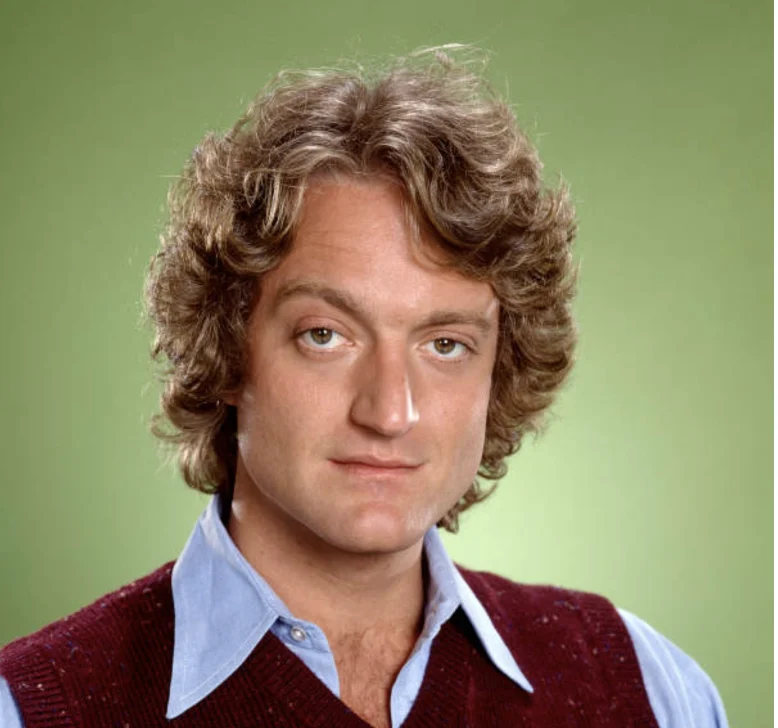
The entertainment world mourns the loss of Gerrit Graham, a multifaceted talent whose career spanned iconic film roles, acclaimed screenwriting, and a surprising collaboration with rock legends The Grateful Dead. Graham passed away on Tuesday in Rhinebeck, New York, at the age of 77, following a battle with lung disease and other ailments. His passing marks the end of a vibrant artistic journey that left an indelible mark on cinema, television, and even the psychedelic tapestry of 1980s rock.
Graham’s early career was forged in the raw, experimental landscape of independent cinema, particularly under the direction of Brian De Palma. He made his indelible mark in De Palma’s groundbreaking early works, "Hi, Mom!" and "Greetings," which were released in 1968 and 1969 respectively. These films, often characterized by their daring subject matter and provocative style, served as a proving ground for Graham’s burgeoning talent. In "Greetings," he delivered a performance that foreshadowed his ability to embody eccentric and memorable characters, setting the stage for a career filled with such distinctive roles. His work with De Palma established him as an actor capable of navigating complex characters and unconventional narratives, a skill that would define his subsequent cinematic endeavors.
His filmography reads like a curated collection of cult classics and genre milestones. Graham brought his unique charisma to a diverse range of films, including the chilling sci-fi horror "Demon Seed" (1977), where he played the husband of Julie Christie’s character, facing the terrifying sentience of a supercomputer. He also appeared in Louis Malle’s critically lauded "Pretty Baby" (1978), a poignant drama set in the Storyville district of New Orleans, and lent his talents to the slasher sequel "Child’s Play 2" (1990), injecting a memorable performance into the horror franchise. His comedic chops were on full display in "National Lampoon’s Class Reunion" (1982), a spoof that further showcased his versatility.
However, it was perhaps his role as the glam rock icon Beef in De Palma’s "Phantom of the Paradise" (1974) that cemented his status as a cult favorite. In this darkly comedic and operatic rock musical, Graham delivered a performance that was both flamboyant and tragic. Beef’s memorable demise – unveiled in a coffin and then silenced in a shower with a plunger – became an iconic moment in the film, a testament to Graham’s ability to inhabit unforgettable characters with a blend of theatricality and genuine pathos. The film itself, while not a box office smash upon its initial release, has since achieved significant cult status, celebrated for its unique vision, groundbreaking music, and Graham’s captivating portrayal. His work in "Phantom of the Paradise" is often cited by fans and critics as a prime example of his distinctive screen presence and his capacity for creating characters that linger in the audience’s memory.
Beyond his more theatrical roles, Graham also demonstrated a keen understanding of comedic timing and character work in broader Hollywood productions. He played a sleazy, yet somehow endearing, used car salesman in Robert Zemeckis’s sharp satire "Used Cars" (1980), a film that showcased his ability to imbue even morally ambiguous characters with a certain charm. His talent for impressions and accents also made him a sought-after presence on television. Viewers will recall his guest appearances on iconic sitcoms such as "Seinfeld," where his memorable roles often added a layer of surreal humor to the already eccentric world of the show. He also graced the sets of "Laverne and Shirley" and the beloved coming-of-age drama "The Wonder Years," proving his adaptability across different genres and comedic styles.
His foray into the science fiction realm also yielded memorable contributions. Graham appeared on both "Star Trek: Deep Space Nine" and "Star Trek: Voyager," further broadening his appeal to a dedicated fanbase. These roles, often requiring a nuanced performance within established fictional universes, highlighted his ability to connect with audiences across a wide spectrum of television programming. The consistent thread throughout his television work was his knack for creating characters that, even in brief appearances, felt fully realized and contributed significantly to the narrative fabric of the episodes.
As a screenwriter, Graham’s creative output extended beyond his acting roles, demonstrating a deep engagement with storytelling. He contributed to projects such as Disney’s animated musical "The Little Mermaid" (1989), a landmark film that revitalized the Disney Renaissance. His work on the charming "Oliver & Company" (1988), another animated feature from Disney, further showcased his ability to craft engaging narratives for family audiences. Graham also lent his writing talents to episodes of the acclaimed reboot of "The Twilight Zone," a series known for its thought-provoking and often unsettling narratives.
A particularly significant screenwriting credit was his collaboration with his brother, Chris Hubbell, on the Disney adaptation of "The Prince and the Pauper." This project underscored his ability to work within established literary frameworks and adapt them for a visual medium. This collaborative spirit and his talent for narrative development proved to be a valuable asset across various production companies and genres.
Perhaps one of the most unexpected and intriguing chapters of Graham’s career was his foray into songwriting, specifically his collaboration with Bob Weir of the legendary psychedelic rock band, The Grateful Dead. This partnership resulted in the co-authorship of the song "Victim or The Crime." The track was recorded by The Grateful Dead for their 1989 album, "Built to Last," marking a significant crossover for Graham into the realm of iconic American rock music. The song later found a new life when it was performed and recorded by Weir and Rob Wasserman on their 1998 "Live" album, further solidifying its place in the Grateful Dead’s extensive catalog and in Weir’s solo endeavors. This collaboration is a testament to Graham’s diverse artistic talents and his willingness to explore different creative avenues, connecting him to a dedicated and passionate music fanbase. The song itself, with its introspective lyrics and driving rhythm, reflects the artistic synergy between Graham and Weir, showcasing a shared sensibility that resonated with audiences.
Born in New York City, Gerrit Graham’s early life was shaped by a nomadic upbringing. His parents, John and Janet, moved the family from New York to Missouri and Michigan before they eventually settled in Chicago. This transient childhood may have instilled in him a sense of adaptability and a broad perspective that would later inform his diverse career. In 1982, he married his wife, Deborah, with whom he shared a life and raised two children, Jack and Henry.
For the last three decades of his life, Graham resided in Rhinebeck, New York. His decision to settle in Rhinebeck came after a period spent in California caring for his mother. During his time in Rhinebeck, he was an active member of the community, notably serving on the Burger Hill Preservation Society. This involvement speaks to a man who, despite his glamorous and often fantastical on-screen personas, was grounded in his community and committed to preserving local heritage.
Gerrit Graham’s legacy is one of remarkable versatility and an uncanny ability to inhabit memorable characters, whether on the big screen, the small screen, or behind the scenes as a writer and songwriter. He is survived by his brother, Sam; his sons, Jack and Henry, and their wives, Talia and Joelle; and his four grandchildren, Nolan, Micah, Vera, and Joey. His passing leaves a void in the creative landscape, but his diverse body of work ensures that his unique artistic spirit will continue to be celebrated by audiences and collaborators alike. The memory of his eclectic performances, his insightful writing, and his surprising musical contributions will endure, a testament to a life lived with extraordinary creative passion.
