
 By admin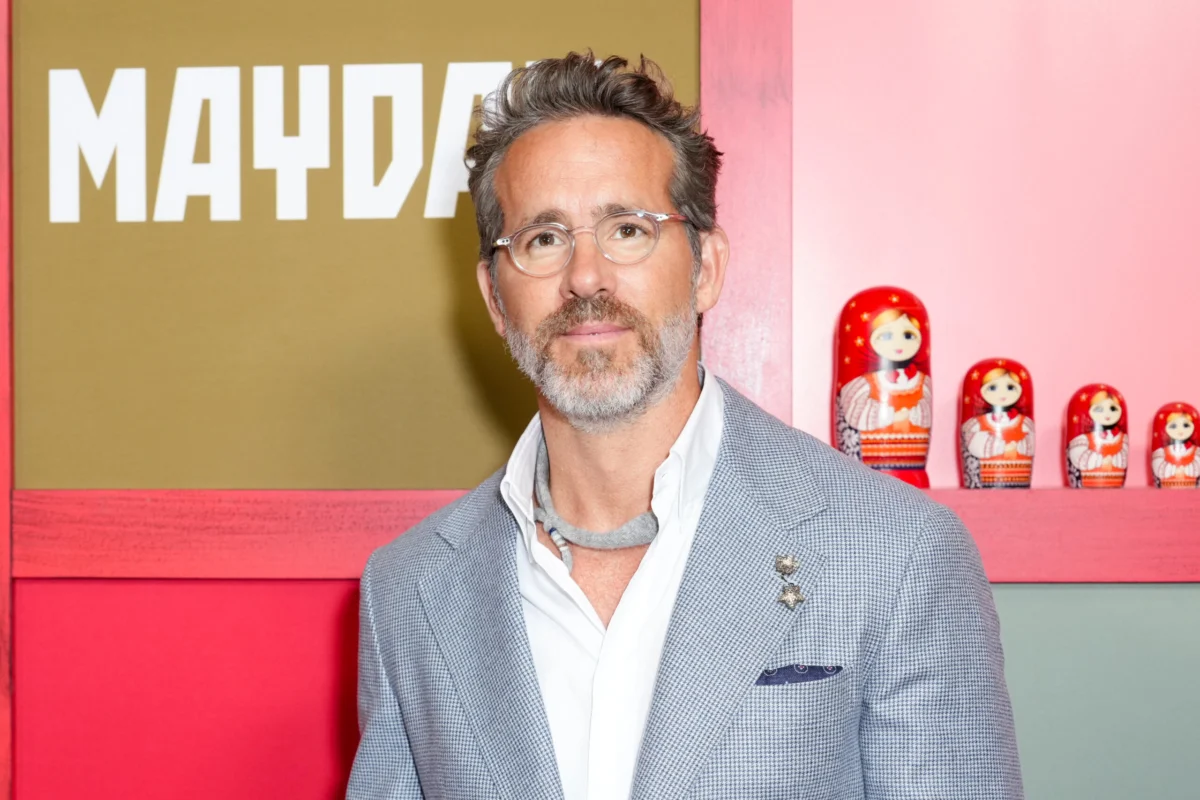
Hollywood is currently basking in what actor Ryan Reynolds aptly describes as "the friggin’ salad days," a period of unprecedented box office success following the challenging years of the COVID-19 pandemic. This summer has marked the biggest cinematic season since the global health crisis, propelled by the colossal triumphs of films such as "Spider-Man: Brand New Day" and the critically acclaimed "The Odyssey." The latter, in particular, has achieved a monumental milestone, surpassing even the mighty "Deadpool & Wolverine" to become the highest-grossing R-rated movie of all time. Reynolds, who portrays the wisecracking Deadpool, personally extended his congratulations to the cast and crew of "The Odyssey" for this remarkable feat, highlighting the film’s immense success and the enduring power of cinematic storytelling.
"The Odyssey," a film lauded for its ambitious scope and masterful execution, has captivated audiences worldwide, demonstrating a robust return to theaters. Reynolds, speaking at the premiere of his latest project, "Mayday," at AMC Lincoln Square in New York City, lauded the film and its director, Christopher Nolan, with effusive praise. "Obviously, [The Odyssey] is an incredible, incredible movie," Reynolds remarked. "Christopher Nolan literally breathes the rarest air on Earth. He’s a singular filmmaker." He also extended his admiration to the film’s stars, including Matt Damon and Tom Holland, whose recent collaborations have proven to be box office gold. Reynolds’ sentiment reflects a broader industry sentiment: a profound appreciation for audiences returning to the shared experience of movie theaters. "I just love that people are going to the movie theaters," he stated. "I don’t even care why or for what reason. Just go to the movie theaters. There’s no better shared experience." This sentiment underscores the industry’s collective relief and optimism as the box office rebounds.
"Mayday," an Apple Original Films production, signifies Reynolds’ return to a major movie role after a significant hiatus following the release of "Deadpool & Wolverine" over two years ago. The film, set against the backdrop of the waning Cold War, sees Reynolds stepping into the shoes of a U.S. Navy pilot who finds himself stranded behind enemy lines. His character forms an unexpected bond with a quirky former KGB agent, portrayed by Kenneth Branagh, who harbors a deep affection for 1980s American culture. This premise allows Reynolds to explore a nuanced perspective on nostalgia, particularly concerning the 1980s, a decade often romanticized in contemporary popular culture, as seen in phenomena like "Stranger Things."
Reynolds, however, offers a more critical lens on the decade’s portrayal, arguing that the rosy tint of nostalgia often obscures the era’s inherent turbulence and anxieties. "When you get far enough away from a time period that’s quite distinct, there’s always a lovely feeling associated with it, almost like you pave over all the trauma with puppy dogs and ice cream," he explained. "The 80s was a brutal, brutal time for people. It was a fucking mess and people forget that." His assertion points to a collective amnesia regarding the significant social, political, and health crises that defined the 1980s, often overshadowed by its perceived cultural vibrancy.
The actor elaborated on the pervasive fear of nuclear annihilation that loomed large over American society as U.S.-Soviet tensions escalated in the early years of the decade. This existential dread, coupled with the devastating impact of deindustrialization on working-class communities and the burgeoning AIDS epidemic, which rapidly became the nation’s most pressing health crisis, painted a starkly different picture of the era. Reynolds vividly recalled the palpable sense of unease, stating, "It was a tremendous strife. Socio political tensions everywhere. We were still pretty fresh off a Cuban missile crisis, which was only 15-20 years before. It’s a tumultuous period, but you look back at it now and you’re like, ‘Oh, yeah. ‘Top Gun.’ Cocaine!’ Like, ‘No!’ It was really scary." This historical context adds a layer of depth to "Mayday," suggesting the film will likely delve into these less palatable aspects of the Cold War era, offering a counterpoint to simplistic nostalgic interpretations.
Looking ahead, Reynolds offered a speculative glimpse into how future generations might dissect the cultural legacy of the 2020s. He anticipates that cultural critics and creatives will focus on "the big ticket items that didn’t really leave the footprint culturally that you would think they would." This observation stems from his perception that recent decades, particularly the 2000s, often felt like a pastiche of previous eras, lacking a distinct cultural identity. "So much of the aughts were like a mix of all the decade’s previous, whereas the decade’s previous were their own thing," he mused. He expressed curiosity about what defining element the 2020s might ultimately be remembered for, suggesting, "I wonder if it’s going to be the Covid era or something. I have no idea. We are living in the friggin’ salad days right now! We just don’t know it." This statement reinforces his initial sentiment, implying that the current era, despite its challenges, might be viewed retrospectively as a period of significant cultural or societal transformation, the full implications of which are not yet apparent.
While "Mayday" is slated for a release on Apple TV+ on September 4th, bypassing a traditional theatrical run, Reynolds’ presence in the cinematic landscape remains a significant draw. His anticipated return as Deadpool in Marvel’s "Avengers: Doomsday" later this year has been a subject of much speculation. Reynolds made a memorable appearance at this year’s San Diego Comic-Con, reportedly sneaking into the Marvel presentation in Hall H while disguised in a grey denim Deadpool suit. From the crowd, he posed a playful question to Paul Rudd: "Mr. Paul Rudd: where is Thor, and why was he crying?" This witty interjection references an ongoing gag within the Deadpool narrative.
Kenneth Branagh, who also directed the first "Thor" film starring Chris Hemsworth in 2011, responded to Reynolds’ comedic query with good-natured amusement. Branagh suggested that Reynolds refrained from making such overt Thor-related jokes during the filming of "Mayday" out of concern for offending him. "He worries about offending me, that’s what it is," Branagh quipped. "That was my baby, you know! Way back before you came in." This lighthearted exchange highlights the camaraderie and mutual respect between the actors, even as Reynolds continues to weave his signature meta-humor into his public persona and professional endeavors. The anticipation for "Mayday" and the continued speculation surrounding Reynolds’ future in the Marvel Cinematic Universe underscore his enduring popularity and his ability to captivate audiences across various platforms and genres. The current "salad days" of Hollywood, fueled by blockbuster successes and the return of audiences to theaters, appear to be a fertile ground for stars like Reynolds to continue shaping the cinematic landscape with both commercial appeal and thoughtful commentary.
