
 By admin
The American Express Platinum Card® remains a titan in the premium credit card market, offering a suite of benefits designed to justify its significant $895 annual fee (see rates and fees). Among its most enduring and frequently discussed perks is the annual airline fee statement credit of up to $200. This benefit, which requires enrollment, provides cardholders with a way to recoup nearly a quarter of the card’s annual cost simply by traveling. However, unlike more flexible travel credits offered by competitors, the Amex version is governed by a strict set of rules and a "use-it-or-lose-it" calendar-year deadline. As the end of the year approaches, maximizing this $200 credit becomes a priority for savvy travelers who want to ensure they aren’t leaving money on the table.
The airline fee credit is designed specifically to offset incidental charges rather than the base fare of a ticket. This distinction is critical for cardholders to understand. While the credit cannot be applied toward the purchase of a flight, it is highly effective at covering the secondary costs that have become a standard part of modern air travel. These include checked bag fees, seat assignment fees, in-flight refreshments, and lounge day passes. Because the credit resets on January 1 of every year, any unused portion of the $200 allotment expires at midnight on December 31. For those holding the Business Platinum Card® from American Express, which also carries an $895 annual fee (see rates and fees), the same $200 credit applies, though with an added layer of strategic complexity regarding the card’s 35% Pay with Points rebate.

Understanding the Strategic Selection of Your Airline
One of the unique hurdles of the Amex airline fee credit is the requirement to select a single qualifying airline for the entire year. Cardholders cannot spread the $200 across multiple carriers; they must commit to one from a pre-approved list that includes Alaska Airlines, American Airlines, Delta Air Lines, Frontier Airlines, Hawaiian Airlines, JetBlue Airways, Spirit Airlines, Southwest Airlines, and United Airlines. This selection can be made or changed every January. While the official policy states that the choice is locked in for the remainder of the year once selected, American Express has historically shown a degree of leniency. Many cardholders report success in changing their designated airline mid-year via the online chat feature or by calling customer service, provided they have not yet used any of their current year’s credit.
The strategy for choosing an airline often runs counter to intuition. Many travelers instinctively choose the airline they fly most frequently. However, if a traveler holds elite status with that airline or carries a co-branded airline credit card, many incidental fees—such as checked bags or preferred seating—are already waived. In these instances, the Amex credit becomes difficult to exhaust. A more effective strategy is often to select an airline where you lack status but still fly occasionally, or an airline known for high incidental costs, such as Spirit or Frontier, where even a carry-on bag or a seat selection can trigger the credit.
What Qualifies as an Incidental Fee?
To successfully trigger the statement credit, the purchase must be coded correctly by the airline and recognized by American Express as an incidental expense. Generally, the credit covers a wide range of "extra" costs. Checked baggage fees are the most common and reliable use of the credit. With many major carriers now charging $35 to $50 for a first or second bag, a family of four can easily exhaust the $200 credit on a single round-trip journey.
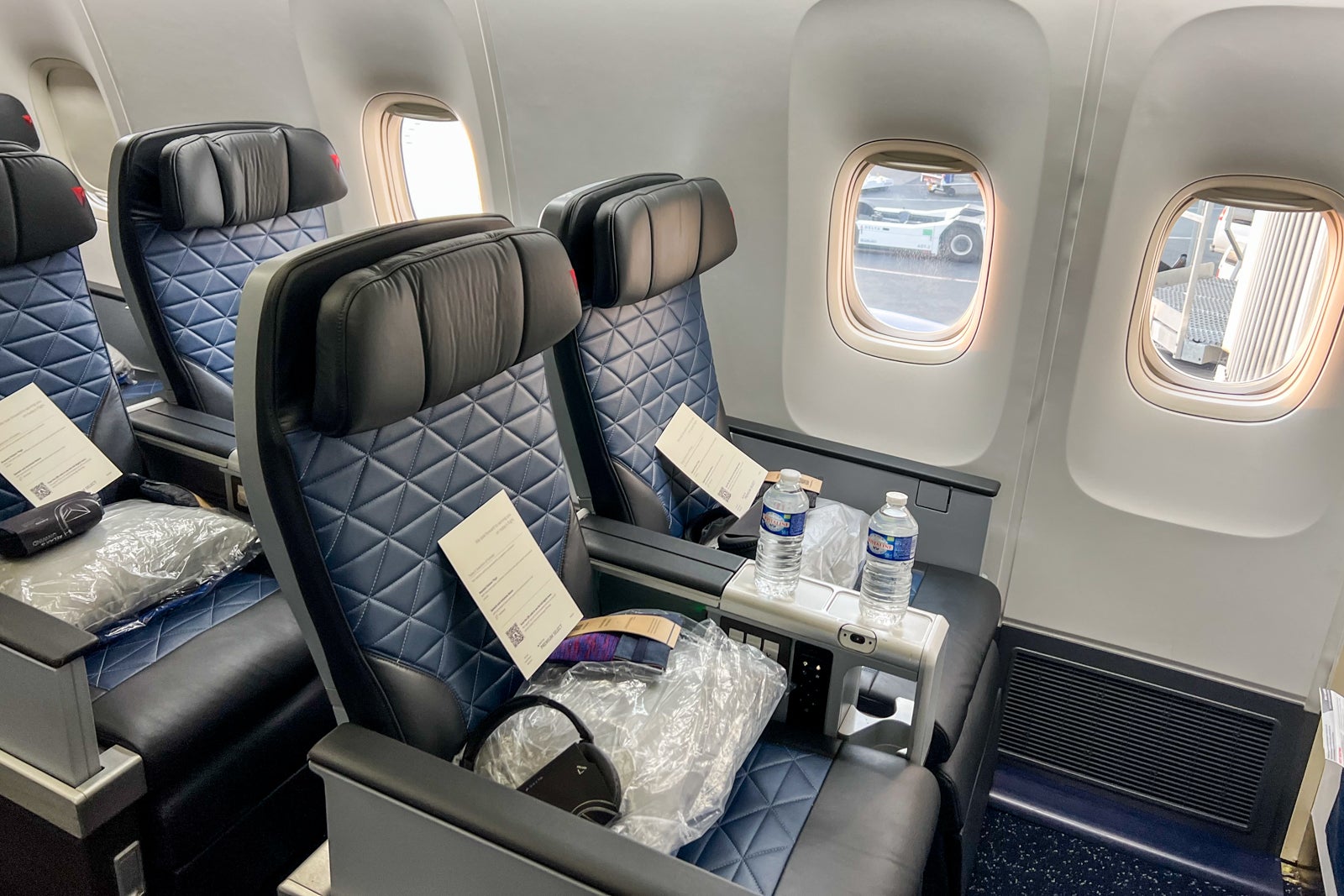
Seat assignment fees also qualify, provided they are not considered a "cabin upgrade." For example, paying a fee to move from a middle seat to a window seat in the same cabin or selecting a "Preferred" seat in the front of the coach section will usually trigger the credit. However, paying to move from Economy to Premium Economy or First Class is considered an upgrade and is explicitly excluded from the benefit.
Other qualifying expenses include in-flight amenities such as snacks, beverages, and even onboard entertainment fees. It is important to note that these must be charged by the airline itself. Many airlines use third-party providers for Wi-Fi, such as Gogo or Viasat; because these transactions are processed by the Wi-Fi provider rather than the airline, they typically do not qualify for the credit. Similarly, airport lounge passes—such as a Delta Sky Club single-visit pass—will trigger the credit if purchased directly from the airline at the desk, but membership fees for the lounges themselves are often excluded.
Navigating the Exclusions and "Off-Label" Uses
The terms and conditions of the American Express airline fee credit are explicit about what is not covered. Aside from actual airfare and cabin upgrades, the credit cannot be used for gift cards, mileage purchases, or points transfer fees. In years past, some cardholders found "loopholes" by purchasing small-denomination gift cards or contributing to airline "travel banks," such as the one offered by United Airlines. While there are still occasional reports of these transactions triggering the credit, American Express has significantly tightened its automated systems. Relying on these off-label uses is risky, as the charge may simply remain on your statement without being reimbursed, leaving you with a useless balance as the year-end deadline passes.
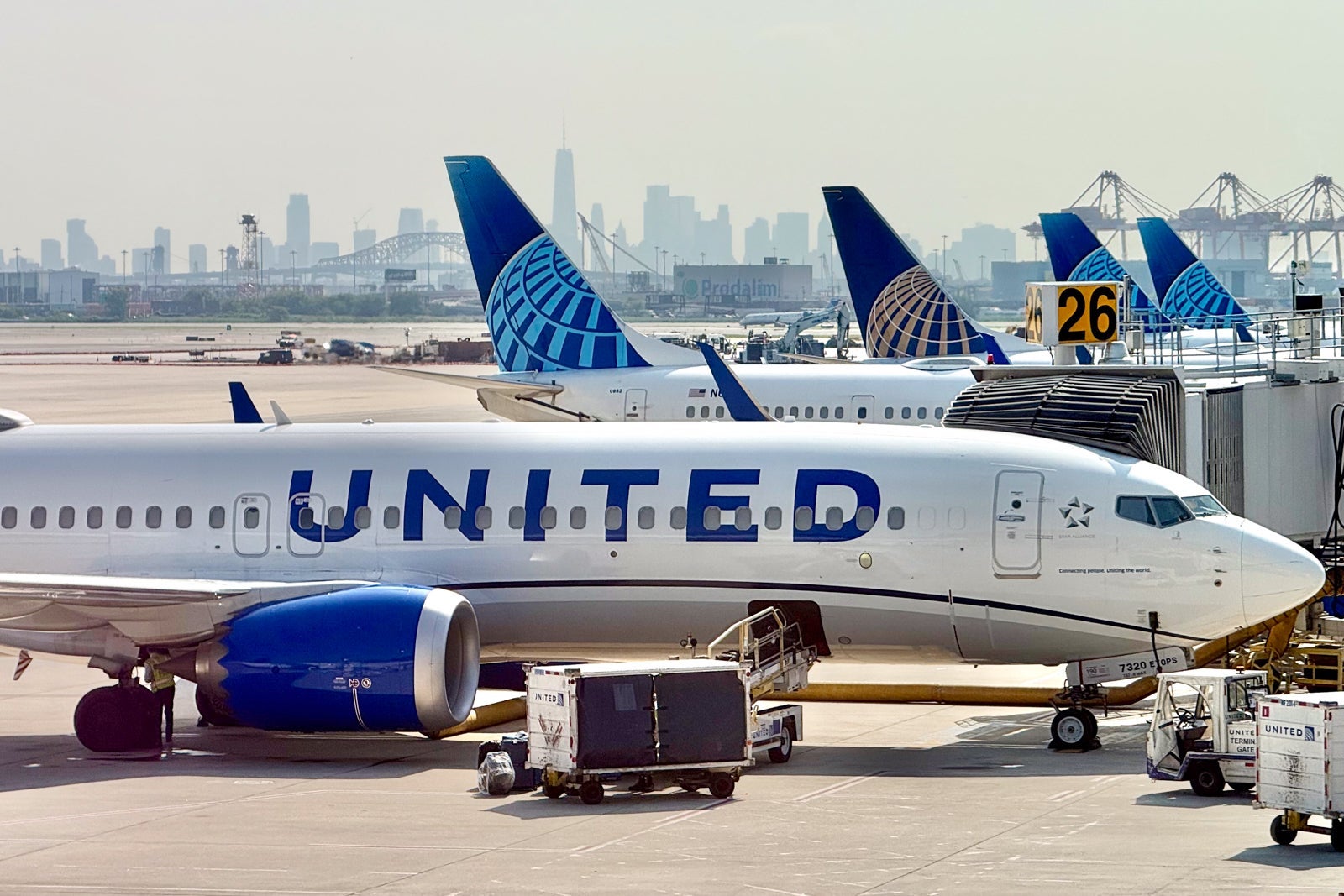
Furthermore, cardholders must be wary of "codeshare" flights. If you book a flight through your selected airline (e.g., United) but the flight is operated by a partner (e.g., Lufthansa or Air Canada), any fees paid at the airport will likely be processed by the operating carrier. If the operating carrier is not your selected airline, the Amex credit will not apply. To ensure the credit works, the transaction must appear on your statement with the name of your chosen airline.
The Business Platinum Connection: A Dual-Purpose Strategy
For Business Platinum cardmembers, the choice of airline carries even more weight. This card offers a 35% rebate when you use "Pay with Points" to book flights through Amex Travel. This rebate applies to all First and Business Class flights, but for Economy Class tickets, the 35% rebate is only available for flights booked with your pre-selected airline—the same one chosen for the $200 incidental credit.
This creates a strategic intersection. A business owner must decide if they want to choose an airline where they will spend $200 on bags and seats, or an airline where they plan to book significant amounts of Economy travel using points. Given that the 35% rebate is capped at 1 million points back per year, the value of the rebate can far exceed the $200 incidental credit. Consequently, Business Platinum holders often prioritize the rebate eligibility over the incidental fee maximization when making their annual selection.

Final Countdown: How to Use the Credit Before December 31
If you find yourself in December with a remaining balance on your $200 credit, there are several ways to ensure it doesn’t go to waste. If you have an upcoming trip, consider prepaying for checked bags or selecting seats with extra legroom (within the same cabin). If you aren’t traveling, you might consider purchasing lounge passes for future use, provided the airline allows for guest passes that don’t expire immediately.
Another option is to pay for pet flight fees, which can be quite expensive, often ranging from $100 to $125 each way. These are almost always coded as incidentals and will quickly deplete the credit. For those flying on low-cost carriers like Spirit or Frontier, you can use the credit to pay for "bundles" that include bags and seat assignments, as long as they are purchased as a separate transaction from the initial airfare.
It is also vital to keep an eye on the calendar. American Express credits are based on the date the transaction posts to your account, not the date you make the purchase. If you wait until December 31 to buy a lounge pass, the charge may not post until January 2, meaning it would count toward your next year’s credit rather than the expiring one. Experts recommend completing all incidental purchases by December 20 to allow for processing time.
Conclusion: A Cornerstone of Premium Value
The $200 airline fee credit remains a foundational piece of the American Express Platinum ecosystem. While it requires more effort to utilize than the travel credits offered by the Chase Sapphire Reserve or the Capital One Venture X, its specificity allows Amex to maintain the benefit even as other cards have scaled back. By understanding the nuances of airline selection, the definition of incidental charges, and the importance of the calendar-year reset, cardholders can effectively lower the "true cost" of their premium membership. Whether it’s covering the cost of a heavy suitcase, a meal at 35,000 feet, or a few hours of quiet in a lounge, this credit ensures that the journey is just as rewarding as the destination. For more information, prospective and current cardholders should consult the full reviews of the Amex Platinum, Business Platinum, and Hilton Amex Aspire to see how these credits fit into a broader rewards strategy.
