
 By admin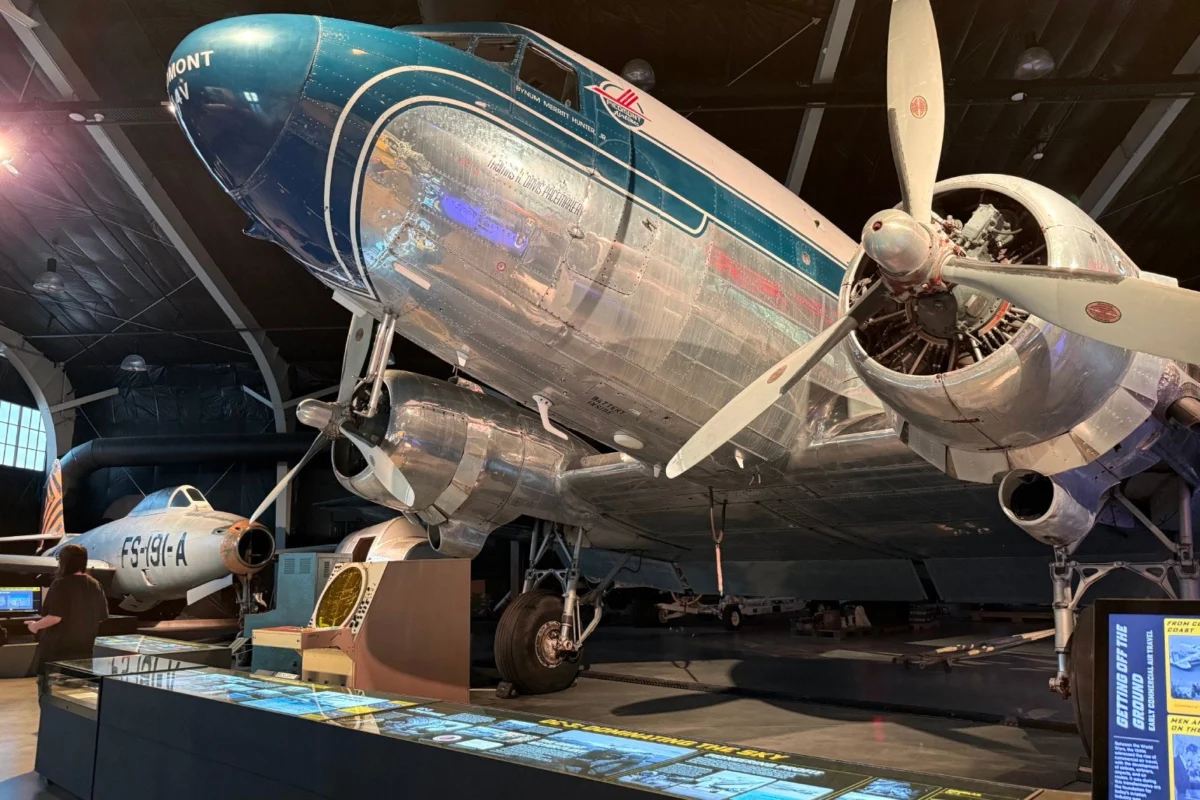
When news first broke of the "Miracle on the Hudson Experience" at the newly rebranded Sullenberger Aviation Museum, many aviation enthusiasts and casual tourists alike shared a common apprehension. In an era where history is frequently distilled into high-octane, "Disney-fied" simulations—complete with tilting seats, artificial wind, and cinematic scores—there was a fear that the solemnity of US Airways Flight 1549 might be traded for a flight-theater attraction. The worry was that the visceral reality of that cold January afternoon in 2009 would be replaced by a gimmick designed to mimic the sensation of flying over a skyline. However, upon stepping into the expanded facility near Charlotte Douglas International Airport (CLT), those fears are immediately quelled. The experience is not a ride; it is a profound, meticulously curated encounter with a piece of living history that prioritizes human narrative and technical preservation over cheap thrills.
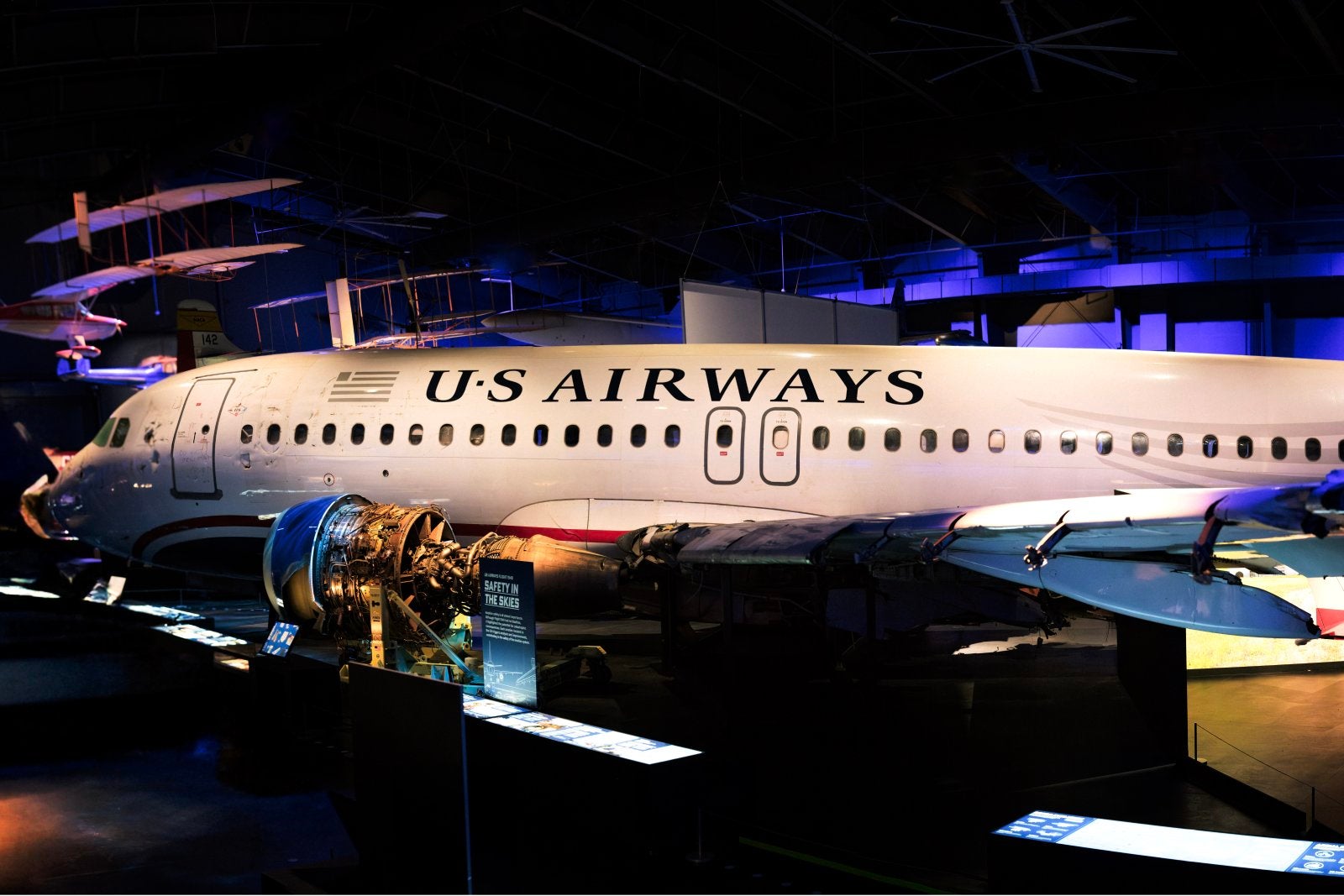
The "Miracle on the Hudson" remains one of the most remarkable chapters in modern aviation. On January 15, 2009, US Airways Flight 1549 took off from New York City’s LaGuardia Airport (LGA) bound for Charlotte. Just minutes into the climb, the Airbus A320 struck a flock of Canada geese, causing a catastrophic dual-engine failure at an altitude too low to return to the airport or divert to nearby Teterboro. Captain Chesley "Sully" Sullenberger and First Officer Jeffrey Skiles were forced to make a split-second decision that would define their careers and save 155 lives. With masterful precision, Sullenberger glided the powerless aircraft into the freezing waters of the Hudson River. Every soul on board—150 passengers, three flight attendants, and two pilots—survived the ditching and subsequent rescue, an outcome that seemed to defy the grim statistics of water landings.
Today, that very aircraft—the Airbus A320-214, tail number N106US—serves as the centerpiece of the Sullenberger Aviation Museum. The museum, which underwent a massive $31 million expansion and rebranding from its former identity as the Carolinas Aviation Museum, offers a sanctuary for the recovered fuselage, wings, and tail. Seeing the plane in person is a haunting experience. It is not a pristine model; it is a battered, scarred vessel that bears the physical marks of both the bird strike and the violent impact with the water. The aluminum skin is wrinkled in places, and the back of the aircraft shows the significant structural damage sustained during the ditching and the subsequent recovery efforts when heavy straps were used to hoist the waterlogged giant from the river’s currents.
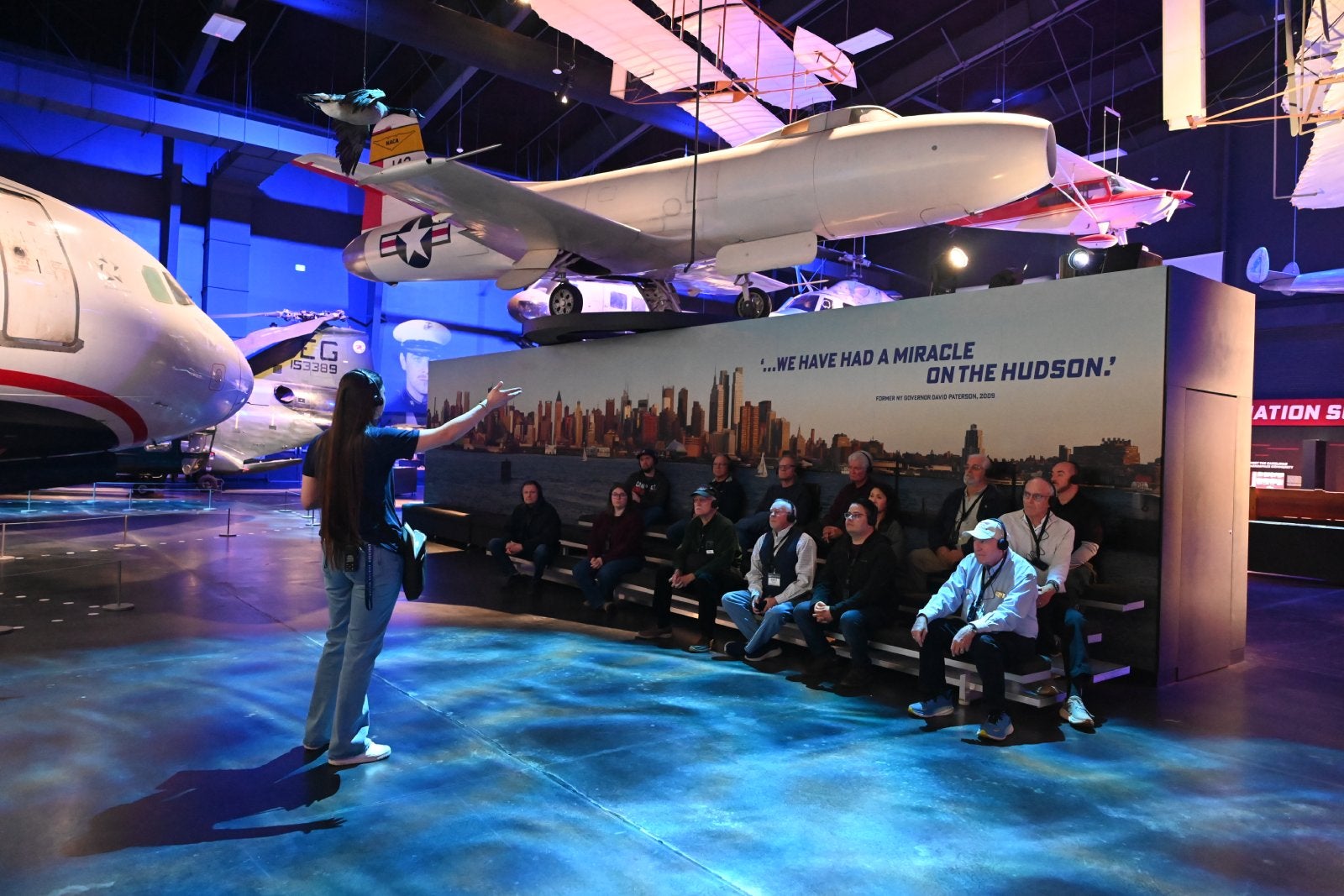
In early 2026, the museum elevated its storytelling with the introduction of the Miracle on the Hudson Experience. This small-group, guided tour is designed to bridge the gap between seeing an artifact and understanding a tragedy-turned-triumph. Shelby Dains, a collections specialist at the museum, emphasizes that the goal was to move beyond a passive viewing experience. "This plane has transitioned from a regular, everyday commercial aircraft to one of the most important and significant aviation artifacts of the 21st century," Dains explains. The tour is structured to facilitate dialogue rather than a lecture, allowing visitors to engage with experts for two hours, delving into the technicalities of the flight and the emotional weight of the aftermath.
One of the most poignant elements of this interactive tour is the use of personalized boarding passes. Upon beginning the experience, each visitor is handed a pass corresponding to a real person involved in the incident—be it a passenger, a crew member, or a first responder. This narrative device forces a connection between the visitor and the event. For instance, a visitor might receive a pass for Vince Lombardi. While the name conjures images of the legendary football coach, this Lombardi was the captain of the Thomas Jefferson ferry. His vessel was the first on the scene, and through the quick actions of his crew, 56 people were pulled from the 36-degree water. By following a specific person’s story, the "miracle" is humanized; it becomes less about a hunk of metal in a hangar and more about the individual choices that led to survival.
The decision to house the aircraft in Charlotte rather than at the Smithsonian National Air and Space Museum in Washington, D.C., or the Museum of Flight in Seattle, was both a matter of logistics and emotional resonance. While other prestigious institutions expressed interest, the Sullenberger Aviation Museum was uniquely positioned to commit the necessary space to display the entire aircraft, including its massive wingspan, rather than just the fuselage. Furthermore, Charlotte was the intended destination of Flight 1549. The majority of the passengers on board were North Carolina residents returning home. For the local community, the plane is not just a relic of a famous news story; it is a vessel that held their neighbors, friends, and family members. Bringing the plane to Charlotte was, in many ways, a homecoming for an aircraft that never finished its final scheduled flight.
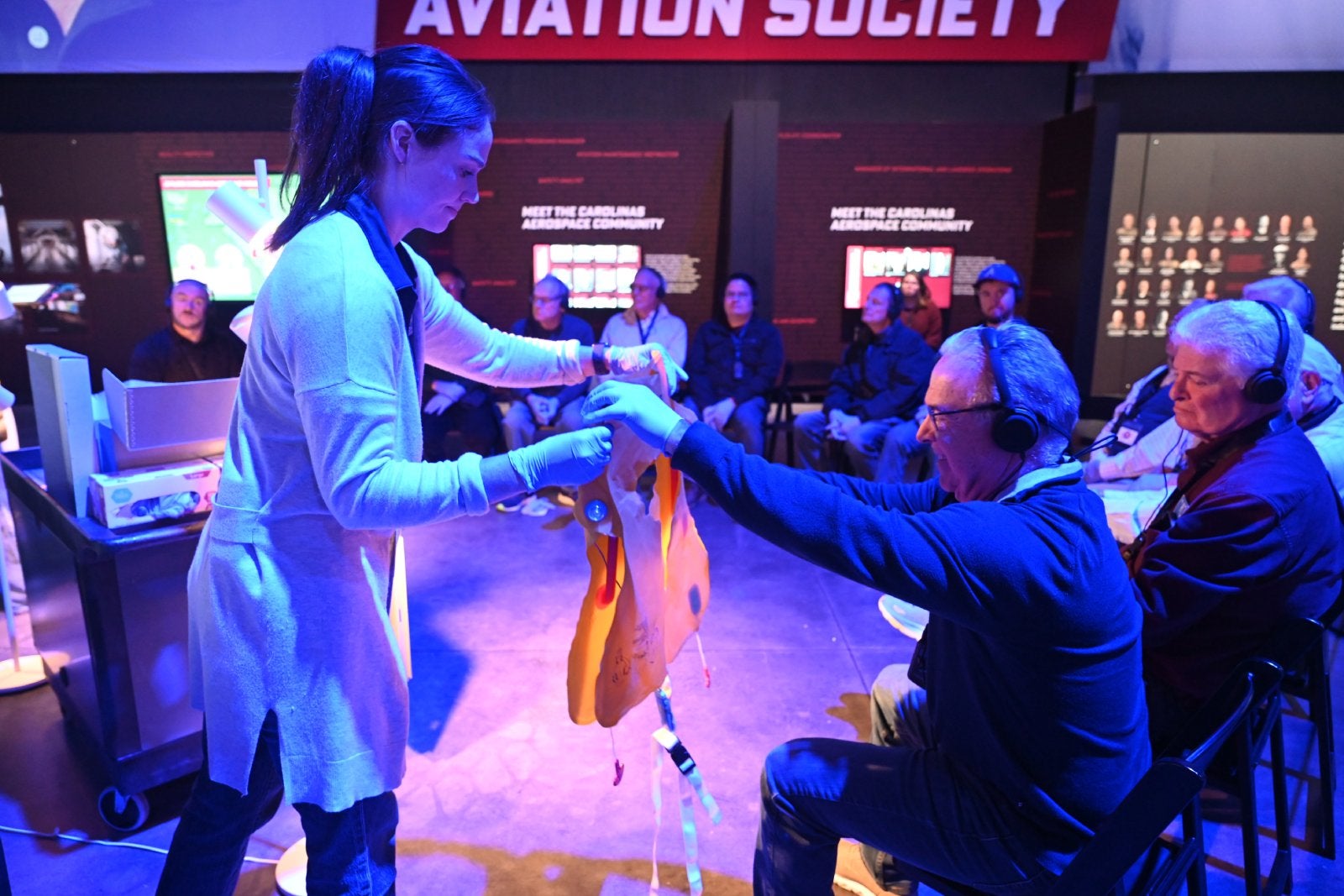
The tour concludes with an "artifact handling" session that is as educational as it is emotional. Participants are invited to "glove up" with archival-grade protection to touch and examine items recovered from the cabin and the river. These are not replicas; they are the actual personal effects of the survivors. These items include water-damaged luggage, clothing, and professional equipment from the flight crew. Perhaps most moving are the personal possessions of Captain Sullenberger himself. The museum’s namesake, who recently made headlines by courageously sharing his diagnosis of Alzheimer’s disease, donated several items that provide a window into the man behind the aviator sunglasses. Handling these artifacts offers a tactile connection to the day’s events, grounding the "miracle" in the physical reality of the objects that survived the Hudson’s icy grip.
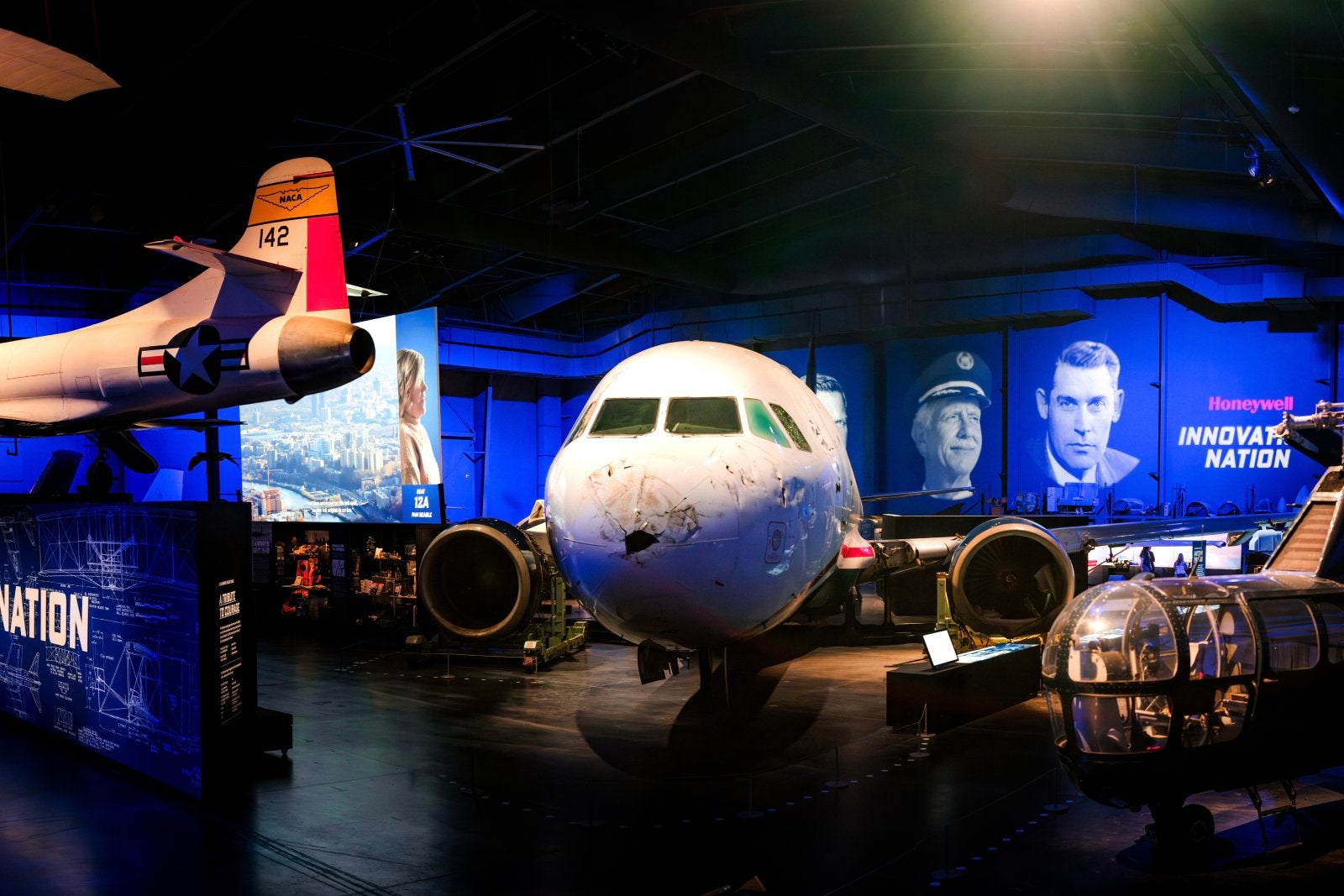
Beyond the Flight 1549 exhibit, the Sullenberger Aviation Museum—now a proud Smithsonian Affiliate—offers a comprehensive look at the evolution of flight. The facility is housed on a 105,000-square-foot campus that includes a historic WPA-era hangar. This hangar serves as a time capsule, featuring a World War II-era Douglas DC-3, a plane that revolutionized commercial air travel in the 1930s and 40s. The juxtaposition of the DC-3 and the A320 allows visitors to visualize the rapid technological leaps made in aviation safety and engineering over the span of a few decades.
The museum also functions as a hub for STEM (Science, Technology, Engineering, and Math) education. The main exhibit building houses more than 30 aircraft, ranging from early gliders to modern fighter jets. A dedicated "makerspace" allows visitors of all ages to engage in hands-on projects, such as designing airworthy gliders or exploring the physics of lift and drag. For those who want to feel the controls, computer-based flight simulators offer a chance to test their piloting skills in a controlled environment. Outside, the museum provides a unique vantage point: a set of bleachers where enthusiasts can watch modern commercial jets take off and land at Charlotte Douglas International Airport, while military transport planes move in and out of the adjacent North Carolina Air National Guard base.

The Miracle on the Hudson Experience is offered on a limited basis—typically Wednesdays, Fridays, and most Saturdays. Because group sizes are capped at 14 participants (ages 13 and up) to ensure an intimate atmosphere, tickets often sell out weeks in advance. The $35 ticket price, which includes the standard $25 museum admission, is a modest investment for a two-hour deep dive into one of the most successful emergency landings in history.
In the years since 2009, Captain Sullenberger has often pushed back against the word "miracle," preferring to credit the success of the ditching to rigorous training, teamwork, and the adherence to safety protocols. The museum honors this perspective. While it celebrates the extraordinary outcome, it also serves as a somber reminder of the importance of aviation safety and the resilience of the human spirit. The revamped Sullenberger Aviation Museum does not just tell the story of a plane that landed in a river; it tells the story of a community that rallied, a crew that performed under unimaginable pressure, and a legacy of safety that continues to protect millions of passengers every day. It is a world-class destination that proves history is best served when it is kept within reach, allowing us to touch the scars of the past to better understand the heights of our future.
