
 By admin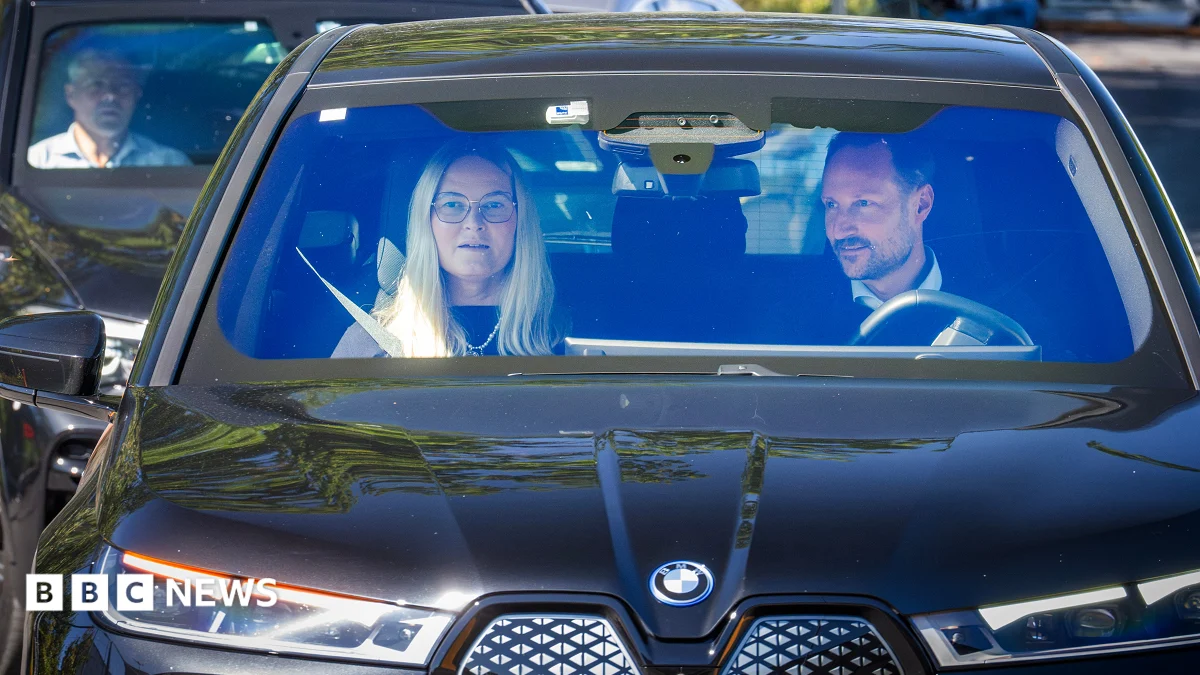
The solemn pronouncement from Norway’s Royal Household has cast a pall of concern across the nation, as King Harald V, Europe’s oldest reigning monarch, battles an "extremely serious" illness. The 89-year-old sovereign has been admitted to Oslo University Hospital for over a week, undergoing treatment for a rare and challenging blood condition: haemolytic anaemia. This grave update has prompted a swift and deeply personal response from the royal family, with his devoted wife, Queen Sonja, and his son and heir, Crown Prince Haakon, immediately cancelling all scheduled royal engagements to gather at his bedside. The gravity of the situation is underscored by the presence of other close family members at the hospital, united in their vigil.
Haemolytic anaemia, the diagnosed ailment, is a complex disorder characterised by the premature destruction of red blood cells, which are essential for transporting oxygen throughout the body. This deficiency can lead to profound fatigue, shortness of breath, and a general weakening of the body’s systems. The King has been receiving cortisone treatment in recent weeks, a common therapeutic approach for this condition, aiming to suppress the immune system’s misguided attack on its own red blood cells and thereby reduce their destruction. However, the Royal Household’s description of his condition as "extremely serious" suggests that the treatment, while ongoing, has not yet brought about the desired significant improvement, or that the underlying condition has reached a critical stage.
The burden of leadership has temporarily shifted to Crown Prince Haakon, the 53-year-old successor to the Norwegian throne. As regent, he has stepped into his father’s shoes, undertaking royal duties in his stead, a role he has performed on previous occasions when the King has taken leave due to ill health. His presence at his father’s side, alongside his wife, Crown Princess Mette-Marit, and her son Marius Borg Høiby, highlights the family’s unwavering support and their collective concern for the monarch. Reports in Norwegian media also confirm the presence of King Harald’s sister, Princess Astrid, at the hospital, further emphasizing the deep familial bonds being tested during this trying period.
The impact of the King’s ill health extends beyond the immediate royal circle, resonating through the highest echelons of Norwegian government. Prime Minister Jonas Gahr Støre has demonstrated the national solidarity by cancelling a planned trip to Germany, where he was scheduled to meet with Chancellor Friedrich Merz. This decision signals the profound respect and concern the government holds for its Head of State. In a poignant statement, Prime Minister Støre articulated the sentiment of the entire nation: "The whole nation is with us as we send warm thoughts to the king and the rest of the royal family." This collective empathy is a testament to King Harald’s enduring popularity and his long, dedicated service to Norway.
The public’s response has been one of heartfelt solidarity and quiet reflection. In Palace Square, the traditional gathering place in front of the Royal Palace in Oslo, citizens have begun laying flowers. These floral tributes serve as a visible and touching expression of the nation’s affection and their hopes for the King’s recovery. This spontaneous outpouring of support underscores the deep connection the Norwegian people feel towards their monarch, a bond forged over decades of his reign.
King Harald V ascended to the throne in 1991, inheriting the crown from his father, King Olav V. His reign, now spanning over three decades, has been marked by a commitment to modernising the monarchy while upholding its traditions. He has navigated Norway through significant periods of social and economic change, consistently acting as a unifying figure for the nation. His reign has also been characterised by a down-to-earth demeanour and a genuine engagement with his people, which has earned him widespread admiration. At 89 years old, he holds the distinction of being Europe’s oldest head of state, a testament to his longevity and enduring presence on the European stage.
The King’s health has been a subject of public awareness for some time. He has undergone several medical procedures and hospital stays in recent years. In 2020, he had surgery to replace a heart valve, and in 2022, he was hospitalised with an infection and had a temporary pacemaker fitted. These prior health challenges, while significant, did not appear to diminish his commitment to his duties. However, the current situation, described as "extremely serious," indicates a potentially more profound and urgent health crisis.
The specific nature of haemolytic anaemia can vary widely in its severity and underlying causes. It can be inherited, or it can be acquired due to various factors, including infections, autoimmune disorders, certain medications, or even cancers. The fact that the King has been receiving cortisone treatment suggests an autoimmune component, where his body’s immune system is mistakenly attacking and destroying its own red blood cells. Corticosteroids are powerful anti-inflammatory drugs that work by suppressing the immune system, thereby reducing the autoimmune response. While effective for many, the treatment can also have side effects and may not always be a definitive cure, especially in cases where the underlying cause is persistent or severe.
The prolonged hospitalisation of a head of state, particularly one of King Harald’s age and stature, naturally raises questions about the continuity of governance and the preparedness of the succession plan. Crown Prince Haakon, as regent, is well-prepared to assume the responsibilities of the monarchy. He has received extensive training and has gradually taken on more public duties over the years, demonstrating his readiness to lead. His succession to the throne appears secure, and the Norwegian constitutional monarchy is designed to ensure a smooth transition of power in such circumstances.
The international community will also be watching the developments in Norway with concern. King Harald V is a respected figure on the global stage, known for his diplomatic efforts and his advocacy for environmental issues. His current health condition will undoubtedly be a topic of discussion among European leaders.
The Royal Household’s decision to publicly disclose the "extremely serious" nature of the King’s condition, while undoubtedly difficult, reflects a commitment to transparency with the Norwegian people. In times of national uncertainty, clear and honest communication from the monarchy is crucial for maintaining public trust and fostering a sense of collective resilience. The detailed information about his treatment for haemolytic anaemia, while medically specific, serves to inform the public and contextualise the gravity of the situation.
As the nation holds its breath and sends its warmest thoughts to Oslo University Hospital, the focus remains on King Harald V. His enduring legacy as a monarch who has steered Norway with grace, dignity, and a deep connection to his people is undeniable. The coming days will be critical, and the strength of the royal family, the unwavering support of the nation, and the dedication of the medical professionals at Oslo University Hospital will all play a vital role in the King’s fight for recovery. The laid flowers in Palace Square are not just a symbol of sorrow but also a testament to the enduring spirit of a nation united in hope for its beloved King. The situation serves as a poignant reminder of the human vulnerability that even heads of state are subject to, and the profound impact such personal struggles can have on a national consciousness. The nation awaits further updates with a mixture of apprehension and unwavering hope, united in their collective wish for King Harald V’s recovery.
