
 By admin
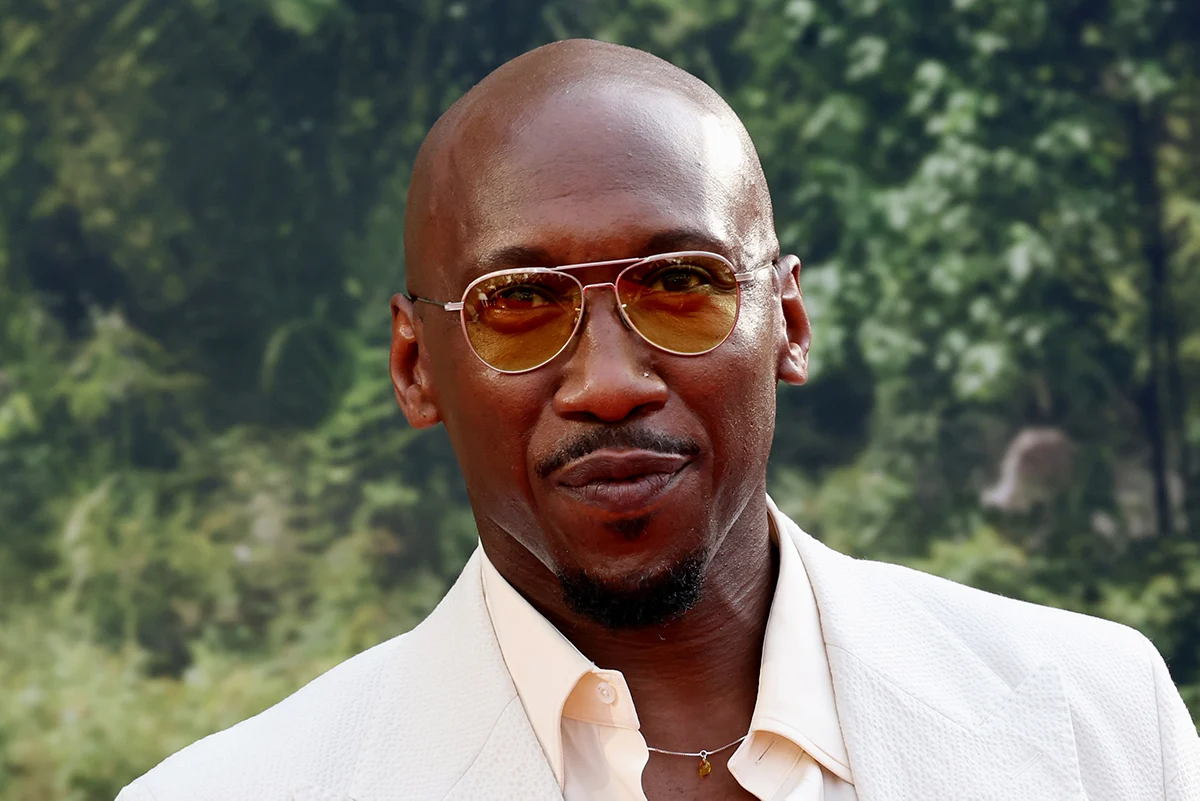
In a candid and thought-provoking appearance on the "7PM in Brooklyn" podcast, hosted by NBA star Carmelo Anthony and Kazeem "Kaz" Famuyide, two-time Academy Award winner Mahershala Ali openly discussed the tangible impact – or perhaps the surprising lack thereof – his coveted Oscar wins have had on his trajectory within the competitive landscape of Hollywood. Ali, who has garnered critical acclaim and two Best Supporting Actor Oscars for his powerful performances in Barry Jenkins’ 2016 masterpiece "Moonlight" and Peter Farrelly’s 2018 biographical drama "Green Book," posed a fundamental question to his hosts: what does an Oscar truly signify, and does it unequivocally validate an actor’s inherent talent?
"There’s more good actors than there is good material," Ali stated, articulating a sentiment that resonates deeply within the industry. He elaborated on this point, explaining that the scarcity isn’t a matter of intense competition for limited roles, but rather a fundamental imbalance between the sheer volume of content produced and the availability of truly compelling, well-written characters. "It’s not even that all these people are competing for these same spots. It’s just that out of all the material made, there’s only a handful of them that check certain boxes." This "checking certain boxes" can refer to a multitude of factors, including commercial viability, critical appeal, thematic relevance, or even alignment with prevailing industry trends. For actors, especially those from underrepresented backgrounds, the struggle to find material that not only showcases their abilities but also aligns with their artistic aspirations can be a formidable challenge, regardless of accolades.
Ali further illuminated this point, emphasizing the disconnect between industry recognition and the practical realities of career advancement. "The vast majority of projects that get greenlit, there are not roles for me in those. You gotta think that way, you know what I mean? So, it doesn’t matter if I got 17 Oscars. If someone is not writing something for you or greenlighting something with you in mind, you’re like everybody else waiting and looking and searching." This statement underscores a crucial distinction: while an Oscar is a monumental achievement and a testament to exceptional performance, it does not automatically guarantee a constant stream of suitable opportunities. The film industry, at its core, is driven by a complex ecosystem of funding, marketability, and creative vision, and an actor’s career is ultimately shaped by the availability of projects that align with these forces. The Oscar, while prestigious, is a recognition of past work, not a predictive guarantee of future roles.
The conversation then shifted to the proactive measures actors can take to mitigate the reliance on external project development. While Ali acknowledged that actors can, and often do, spearhead their own productions, he also highlighted the significant time commitment involved. "The timeline is usually at least a ‘three to five year’ journey" to bring a project from conception to fruition. This lengthy gestation period can be a deterrent, requiring considerable patience, resources, and unwavering dedication. The entrepreneurial spirit within Hollywood is strong, but for many, the prospect of investing years into a project without guaranteed success can be daunting.
Famuyide’s inquiry into whether an Oscar win specifically validates Black actors led to a nuanced and powerful response from Ali. He expressed a cautious perspective, stating, "It’s kind of just talk. It doesn’t translate to anything real." This sentiment speaks to the ongoing struggle for authentic representation and the danger of tokenism within the industry. Ali articulated a desire to avoid being pigeonholed into "diversity projects," a category that can inadvertently isolate and decontextualize Black stories and performers. "You don’t want to find yourself in a situation where, oh, that’s ‘the diversity project.’ You just want to do great material as a Black person. You’re not thinking of yourself as this exotic other, per se. You just are living your life." This underscores the aspiration for Black actors to be seen and hired for their talent and the universality of their performances, rather than solely for their identity. The goal is for their artistry to transcend racial categorization, allowing them to engage with a broad spectrum of roles and narratives that reflect the full human experience.
The discussion on the podcast also touched upon Ali’s recent cinematic endeavor, Bassam Tariq’s "Your Mother Your Mother Your Mother," which premiered on September 25th. This film represents another facet of Ali’s commitment to engaging with diverse and compelling narratives. Intriguingly, Tariq was also the original director slated for Marvel Studios’ highly anticipated "Blade" film, a project that has been plagued by development challenges and ultimately saw Tariq depart. Ali was slated to star as the titular vampire hunter in this iteration.
In a separate interview with The New Arab, Bassam Tariq shed light on the immense difficulties he encountered during his tenure as director of the "Blade" film. He described the experience as "funny and strange to start casting and building without a proper script." This lack of a concrete narrative foundation created a precarious situation, forcing him to "sit there and explaining to actors what their role will be, and they just have to believe you." Tariq recognized the inherent danger in this approach, acknowledging that "if the text comes and it doesn’t add up to what you were saying, your credibility gets completely shot." He emphasized the paramount importance of integrity in his craft, stating, "All I have is my integrity, and I’ve been thinking about that a lot." This introspection highlights the ethical dilemmas faced by filmmakers when tasked with shepherding projects without a fully realized vision.
Tariq further elaborated on the pressures and compromises involved in such a scenario. He expressed that being the "bearer of bad news to your actors, but you’re not the one making any of these decisions – and it’s actually coming from a corporate entity – that’s not a great way to be a director." The disconnect between the creative team and the ultimate decision-makers within a studio can lead to a frustrating and potentially damaging environment for all involved. Tariq’s personal reflection on his experience led him to a crucial realization: "I learned I was losing credibility with my actors, and it wasn’t a healthy way to operate as a filmmaker. Life’s too short to make shit films, so that was my big lesson: I have to have full control over my script. If we disagree, it’s between them and me." This powerful declaration underscores a commitment to artistic autonomy and a preference for projects where he can maintain a clear vision and exert creative control, even if it means navigating more challenging pathways. He concluded with a note of wistful regret, stating, "It’s quite sad because we had such high hopes for what we wanted to build."
The troubled production of the "Blade" film has been a subject of public discussion, with Marvel Studios president Kevin Feige himself admitting to feeling like "a gigantic loser and failure" regarding the project’s inability to come to fruition. Ali, in a subsequent interview with GQ, echoed Feige’s sentiment, stating, "To this day, I don’t know why it didn’t happen. I just know that it was – Kevin, he said it was the biggest failure of his career and I agree." This shared acknowledgment of failure, from both the studio head and the intended star, paints a picture of a project that, despite considerable anticipation and significant talent involved, could not overcome its developmental hurdles. The "Blade" saga serves as a stark reminder that even within the most powerful studios, creative ambition can collide with logistical and narrative complexities, leading to unforeseen setbacks and the shelving of potentially exciting projects. The pursuit of compelling storytelling, as highlighted by both Ali and Tariq, remains a driving force, but the path to realizing those stories is often fraught with challenges that extend far beyond individual talent and accolades.
