
 By admin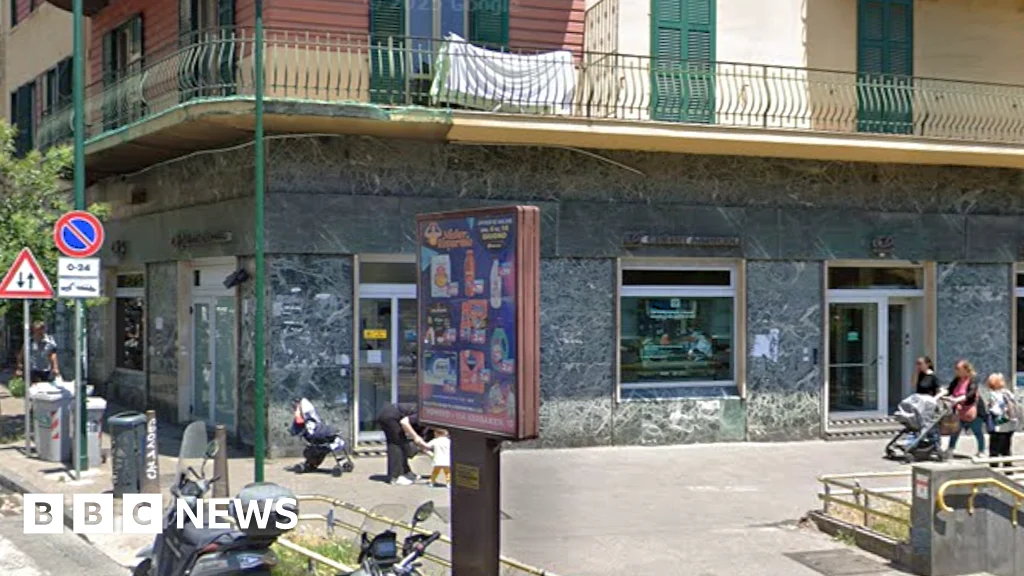
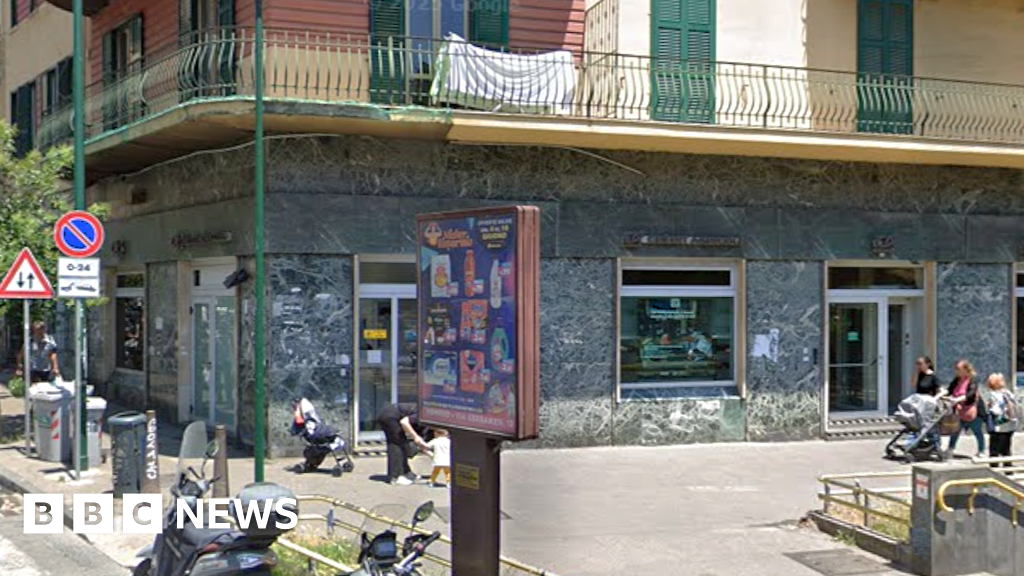
In a brazen daylight operation that captivated a nation and sent shockwaves through the southern Italian city of Naples, a group of heavily armed individuals orchestrated a daring bank robbery, holding 25 people hostage before vanishing through an intricate tunnel system. The dramatic events unfolded around midday local time on a bustling Tuesday, transforming the usually serene Piazza Medaglie d’Oro into a tense scene of police cordons, anxious bystanders, and unfolding drama. The target of this audacious heist was a branch of Crédit Agricole, a well-established financial institution, chosen for its prominent location in one of Naples’ vibrant public squares.
The initial moments of the robbery were characterized by swift, decisive action from the perpetrators. Witnesses later described the chilling efficiency with which the armed men gained control of the bank, their presence immediately instilling fear and panic among the staff and customers. The number of hostages, 25 individuals who found themselves trapped within the bank’s walls, underscored the gravity of the situation. The immediate police response was swift and decisive, with law enforcement units rapidly surrounding the Crédit Agricole branch, establishing a perimeter and initiating a tense standoff. The sheer scale of the police presence, with officers from various branches converging on the scene, highlighted the seriousness with which the authorities viewed this high-stakes incident.
Negotiations between the police and the robbers commenced shortly after the bank was surrounded. For approximately two agonizing hours, the fate of the hostages hung precariously in the balance as authorities attempted to de-escalate the situation and secure the safe release of those inside. The atmosphere in the piazza was electric, a mixture of apprehension and morbid curiosity as a large crowd of onlookers, composed of local residents and concerned citizens, gathered to witness the unfolding events. The sheer volume of interest was such that tens of thousands of people were reportedly glued to live streams of the scene, a testament to the captivating and unsettling nature of the unfolding drama.
As the negotiations reached a critical juncture, firefighters, equipped with battering rams, were observed forcefully breaching a window of the bank. In dramatic scenes captured on social media, individuals were seen being assisted out of the building, climbing through the shattered opening to safety. The visual imagery of people emerging from the bank, some with cuts and abrasions from the broken glass, painted a vivid picture of the ordeal they had endured. While some hostages appeared remarkably composed, shaking off the debris and walking away, others were visibly traumatized, their faces etched with the fear and distress of their captivity. Six individuals, overcome by shock, were promptly provided with medical assistance by emergency responders who were on standby.
One man, speaking to the local news site Fanpage.it, recounted the harrowing experience from within the bank. He described being locked in a room with other hostages and confirmed that while the robbers were armed, they had not resorted to physical violence. This detail, while offering some solace, did little to diminish the psychological impact of being held at gunpoint for an extended period. The primary concern for the authorities was the safety and well-being of the hostages, and the fact that no one sustained serious physical injuries was a significant relief. Regional official Michele di Bari issued a statement shortly after the resolution, emphasizing the efficacy of the response: "Thanks to the swift response… all the hostages were freed shortly after 13:30 without serious injuries." This statement acknowledged the coordinated efforts of various agencies involved in managing the crisis.
The tactical response to the situation was meticulously planned and executed. Recognizing the potential for further escalation, members of the Carabinieri, Italy’s armed police force, were urgently flown in from Tuscany. Their specialized training and equipment were deemed essential for managing such a complex and potentially dangerous scenario. It was several hours into the standoff, after meticulous preparation, that the special forces launched their operation, storming the bank by breaching a window, a move that was audibly punctuated by the sounds of several gunshots and the concussive blasts of stun grenades, all of which were captured on the live feeds.
However, by the time law enforcement units had gained entry, the perpetrators had already executed their audacious escape plan. Local media reports indicated that the robbers had successfully evaded capture by disappearing into a sophisticated tunnel system, believed to be connected to the city’s extensive sewer network. This element of the heist added another layer of complexity and intrigue, transforming a bank robbery into a masterfully executed evasion. The use of such an elaborate escape route suggested a high degree of planning and knowledge of the urban infrastructure.
Following the breach, video footage circulating online showed Carabinieri officers and firefighters peering intently into a manhole located nearby, a clear indication that the escape route had been discovered. The crowd of onlookers, though somewhat dispersed, continued to mill about the square, still captivated by the lingering tension and the ongoing search for the fugitives. The discovery of the tunnel pointed to a level of criminal sophistication that went beyond a typical bank robbery, raising questions about the organization and resources at the disposal of the perpetrators.
The financial implications of the heist were still being assessed, with reports suggesting that the robbers had targeted personal safety deposit boxes rather than simply making off with cash from the bank’s vault. This detail, as reported by Fanpage.it, made it difficult to immediately quantify the value of the loot. The focus on safety deposit boxes implied a more targeted approach, potentially aimed at specific items or valuables rather than a general cash grab. This aspect of the robbery further deepened the mystery surrounding the motives and identities of the perpetrators.
The investigation into the elaborate heist is ongoing, with authorities mobilizing all available resources to apprehend the armed gang. The successful escape through the tunnel system presents a significant challenge for law enforcement, requiring a thorough understanding of Naples’ subterranean infrastructure. The incident has also ignited discussions about security measures in urban environments and the potential for criminals to exploit hidden networks for illicit activities. Experts in criminology and urban planning are likely to analyze this case for insights into the evolving tactics of organized crime. The psychological impact on the hostages, even without physical harm, will also be a focus of support efforts. The incident serves as a stark reminder of the ingenuity and audacity that can be employed in criminal enterprises, leaving a lasting impression on the city of Naples and beyond. The extensive media coverage and public fascination underscore the human element of such events – the fear, the resilience, and the enduring pursuit of justice. The investigation will undoubtedly delve into the planning stages, seeking to uncover any potential accomplices or networks that may have facilitated such a complex operation. The possibility that the robbers had insider knowledge of the bank’s layout or the city’s underground systems cannot be discounted. The sheer audacity of the escape through a tunnel, especially in a densely populated urban area, highlights a level of criminal planning and execution that is both alarming and, in a perverse way, impressive from a tactical standpoint. The authorities are now faced with the arduous task of tracing the escape route, identifying the individuals involved, and recovering any stolen assets, a process that could take considerable time and resources. The incident also raises broader questions about the vulnerability of financial institutions in public spaces and the need for continuous adaptation of security protocols to counter evolving criminal methodologies.
