
 By admin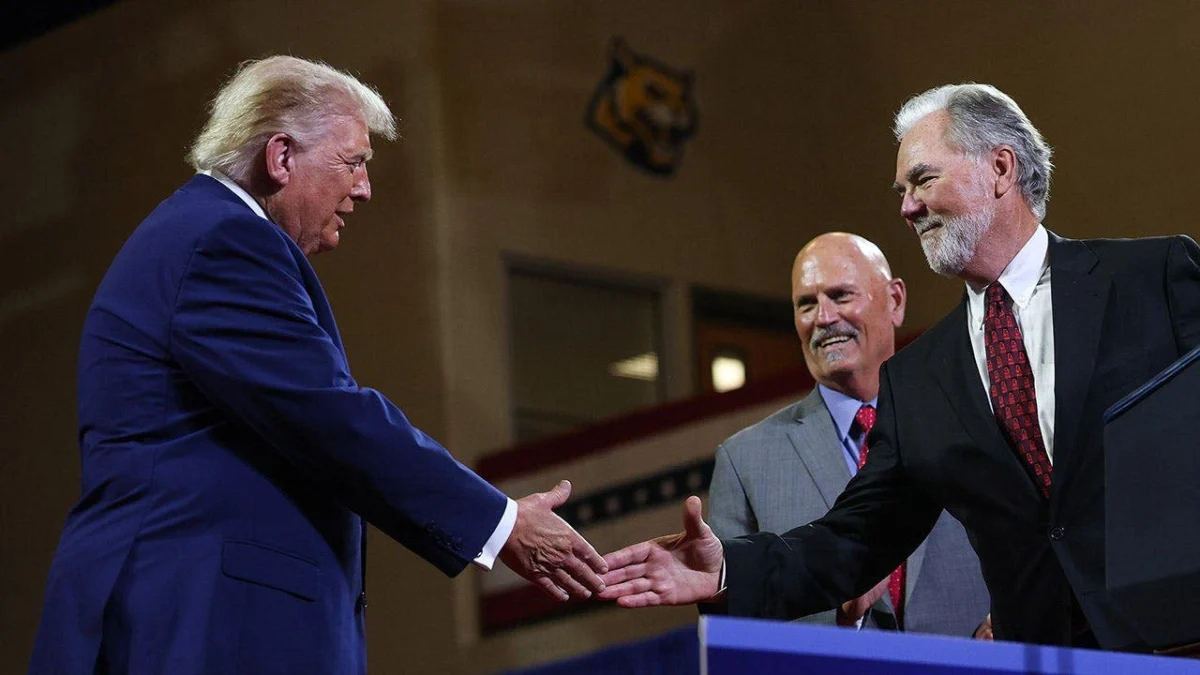
The once-proud New York Mets are enduring a season of historic disappointment, a stark contrast to their National League Championship Series appearance just two years ago. Currently on pace to lose 95 games, a mark they haven’t reached since 2003, this year’s struggles are amplified by an astronomical payroll that has yielded a performance far below expectations. This season’s collapse is particularly galling for Mets fans, as it follows a summer where the team squandered the best record in the National League, despite boasting a league-leading payroll of $329 million. The offseason saw a significant overhaul of the roster, a desperate attempt to course-correct after last year’s late-season implosion, but the moves have thus far proven disastrous, leading to widespread criticism and even drawing the attention of the President of the United States.
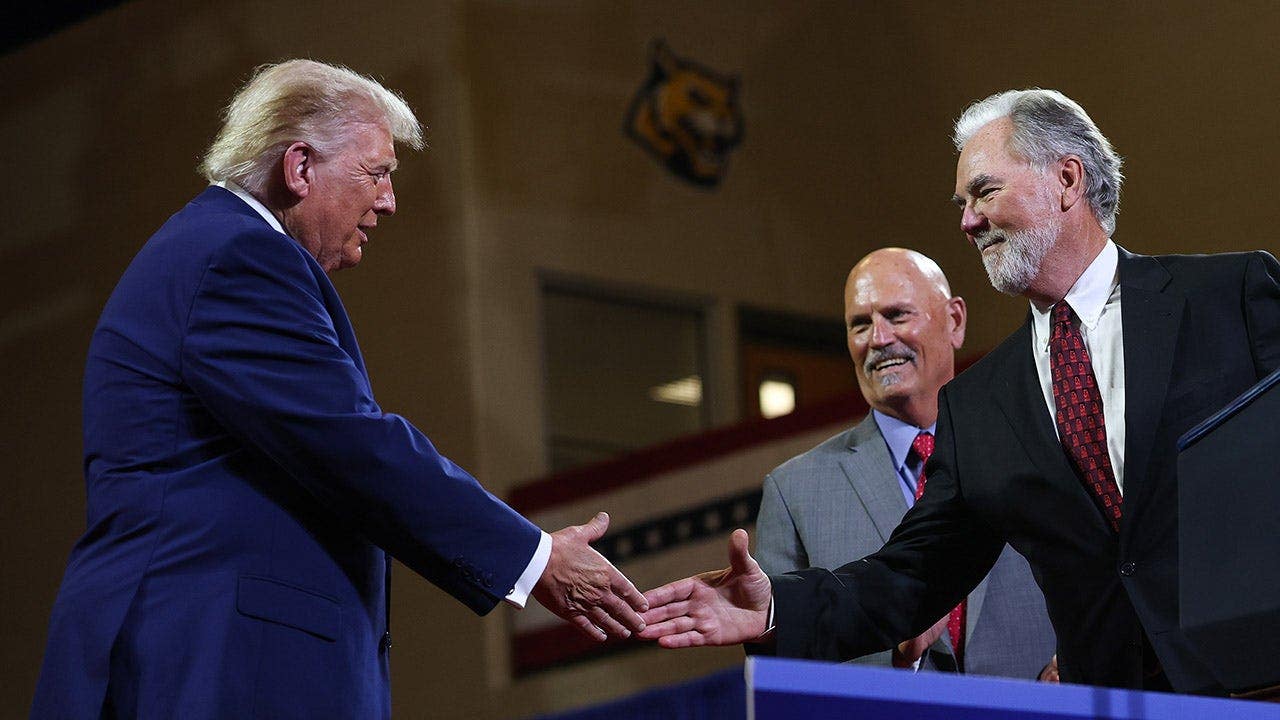
President Donald Trump, speaking at a rally in Georgia, did not mince words when addressing the Mets’ woes. "The Mets have the highest salary in baseball, and they lose all the time," Trump declared, a statement likely met with cheers from the assembled crowd, many of whom were likely Atlanta Braves fans. While the Los Angeles Dodgers technically have the most money committed to their roster when accounting for deferred payments, the Mets indeed lead the league in current 2026 payroll. Trump’s commentary came as he was praising Braves Development Company CEO Mike Plant, suggesting the Mets should "maybe steal this guy" for his knack for sustained success. "You don’t realize how good he is," Trump continued, lauding Plant’s ability to keep the Braves "at the top" without periods of rebuilding. He contrasted this with teams that "never rebuild… they’re always rebuilding," a clear, albeit indirect, jab at the Mets’ ongoing struggles. Trump even referenced the Braves’ ability to absorb the loss of "the best player," referring to Freddie Freeman, a "great first baseman," and still maintain their competitive edge, a stark juxtaposition to the Mets’ current predicament.
The Mets’ financial commitment this season is headlined by Juan Soto’s record-breaking 15-year, $765 million contract, signed in December 2024. This monumental deal, the largest in MLB history, underscores the team’s aggressive pursuit of a championship. Star shortstop Francisco Lindor is also a significant financial anchor, earning nearly $34 million annually. Despite these substantial investments in top-tier talent, the team’s on-field performance paints a grim picture. The Mets’ front office made a series of significant roster decisions in the offseason, allowing key players like Pete Alonso and Edwin Diaz to depart in free agency, while trading away established contributors such as Jeff McNeil and Brandon Nimmo. The acquisitions in their place – Jorge Polanco, Luis Robert, Bo Bichette, Devin Williams, and Luke Weaver – have largely failed to live up to expectations.
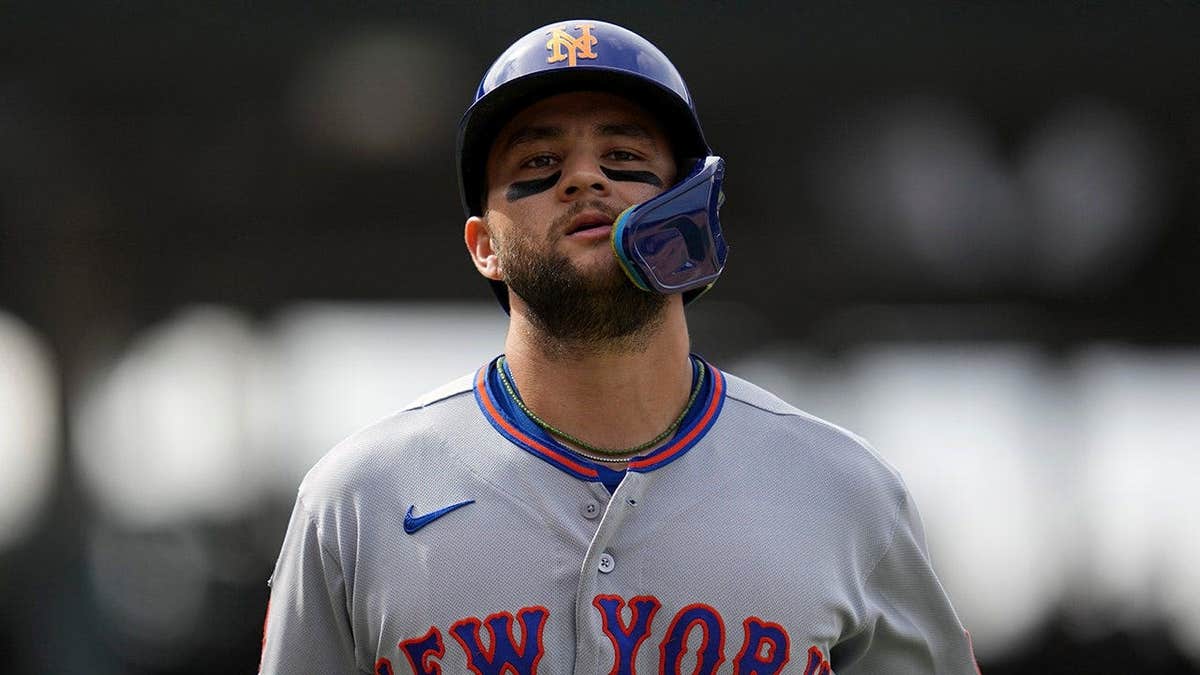
The statistical evidence of the Mets’ struggles is undeniable. The team ranks a dismal 27th in batting average, 26th in runs scored, and 28th in on-base plus slugging (OPS). Their pitching staff has fared little better, carrying the ninth-worst earned run average (ERA) in Major League Baseball. Individual performances have been particularly disappointing, further highlighting the team’s issues. Jorge Polanco has battled injuries and is hitting a meager .165. Luis Robert, also hampered by injuries, is batting just .211. Bo Bichette, acquired in a significant trade, is on pace for the worst season of his career. Marcus Semien, another veteran addition, is hitting .209 with a meager .606 OPS. The bullpen, expected to be a strength, has also faltered, with Devin Williams posting a 4.54 ERA. The lone bright spot in the pitching staff has been Luke Weaver, who boasts a respectable 1.98 ERA, a testament to his individual success amidst widespread team failure.
The current Mets roster, a patchwork of expensive free-agent signings and traded-for veterans, has failed to coalesce into a winning unit. The decision to move on from franchise cornerstone Pete Alonso, a powerful slugger and fan favorite, has been particularly scrutinized. His departure, coupled with the loss of closer Edwin Diaz to free agency, has left significant holes in the lineup and the bullpen that the new additions have struggled to fill. The trades of McNeil and Nimmo, while potentially signaling a shift in team philosophy, have also removed reliable offensive production and clubhouse presence. The influx of players like Polanco, Robert, and Bichette were intended to inject new life and talent into the lineup, but injuries and underperformance have plagued their tenures.
The Mets’ struggles extend beyond individual player metrics and into the broader team statistics that define offensive and pitching effectiveness. Their collective batting average is among the lowest in the league, indicating a consistent inability to generate hits. This offensive deficiency translates directly into a lack of scoring, with the team ranking near the bottom in runs produced. The low OPS further illustrates a broader issue with consistent hard contact and the ability to drive in runs. On the pitching side, the high team ERA suggests that opposing teams are consistently able to score against the Mets, whether through strong starting pitching or an inability to shut down opponents in the late innings. This dual weakness on both offense and pitching has created a recipe for disaster, leading to their current predicament.
The contrast with successful franchises like the Atlanta Braves, as highlighted by President Trump, is stark. The Braves, under the leadership of Mike Plant and with a consistent front office approach, have managed to maintain a high level of performance year after year, even after losing significant talent like Freddie Freeman. Their ability to draft, develop, and acquire talent that fits their system has allowed them to remain perennial contenders. This is a model that the Mets, despite their immense financial resources, have failed to replicate. Their approach appears to be more reactive, relying on splashy free-agent signings and high-profile trades, rather than a sustained, strategic build.
The current state of the Mets raises significant questions about the team’s direction and future. With a record of 43-60, they find themselves a daunting 17.0 games behind the division-leading Braves in the National League East. This sizable deficit, coupled with their poor performance, suggests that a playoff berth is highly unlikely. The team has reportedly made almost everyone on their roster available in trade discussions, with the notable exceptions of Juan Soto and some promising young talent on the big-league roster. This suggests a potential fire sale, as the organization grapples with the reality of a lost season and the need to re-evaluate their strategy moving forward. The financial implications of their current payroll, combined with their on-field results, present a significant challenge for ownership and management as they attempt to navigate this difficult period and restore credibility to the franchise. The Mets’ current situation serves as a cautionary tale in baseball, illustrating that immense financial investment does not automatically guarantee success, and that strategic team-building and consistent performance are paramount to achieving sustained excellence.
