
 By Lina Irawan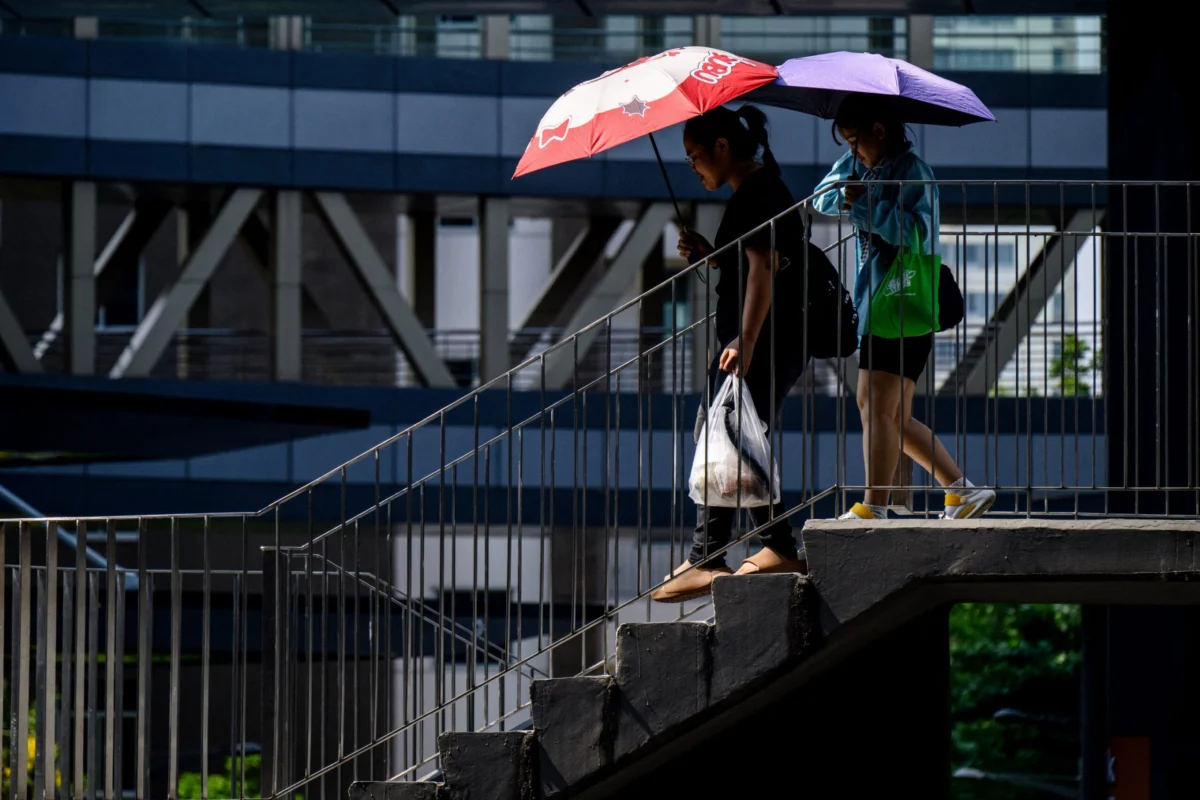
Bangkok’s heat index reached a scorching 51.9 degrees Celsius in late June, capping a stretch of danger-zone readings that began in April. For residents, it was just another sweltering day. But for policymakers and city leaders, including newly re-elected Bangkok governor Chadchart Sittipunt, it’s another wake-up call about the dangers of heat. This alarming figure, representing the "feels like" temperature when humidity is factored in, pushed the city into a critical health hazard zone, where prolonged exposure can lead to severe heatstroke, exhaustion, and even death. While the actual air temperature might have been lower, the combination with high humidity creates a physiological burden that makes outdoor activity hazardous and indoor cooling a necessity. This incident is not an anomaly but rather a symptom of a rapidly intensifying climate crisis that is reshaping urban landscapes across Southeast Asia and the world.
Higher temperatures reshape how a city functions: People can’t work as long outdoors, businesses spend more on cooling, and tourists stay away during its hottest months. The ramifications extend far beyond mere discomfort, impacting public health, economic productivity, and social equity. In a city like Bangkok, where a significant portion of the workforce relies on outdoor labor – from street vendors and construction workers to delivery drivers and informal sector employees – prolonged heatwaves directly translate to lost wages and reduced productivity. The economic ripple effect is profound; businesses face soaring electricity bills to maintain comfortable indoor environments, straining operational budgets already under pressure. For a global tourism hub, extreme heat can deter visitors during peak seasons, shifting travel patterns and potentially diminishing the city’s allure as a year-round destination. Moreover, the heat exacerbates existing social inequalities, disproportionately affecting vulnerable populations who may lack access to air conditioning, green spaces, or adequate hydration facilities.
Bangkok and other rapidly warming cities across Southeast Asia are already preparing for a hotter future. But it’s set to get much hotter: Bangkok’s average daily maximum temperature is projected to climb to 38.1 degrees Celsius by 2050, up from 33.3 degrees Celsius back in 2000. It would be the steepest rise forecast for any major Southeast Asian capital. The ASEAN Centre for Energy expects the number of “extreme heat days”—those with temperatures above 35 degrees Celsius—to nearly triple to 120 a year by mid-century. This projection, based on sophisticated climate modeling, paints a stark picture of a future where extreme heat becomes the norm rather than an exception. The accelerated warming in Bangkok is attributed to a confluence of factors, including its tropical climate, rapid urbanization, and the pervasive urban heat island (UHI) effect. The UHI phenomenon, where urban areas are significantly warmer than surrounding rural areas due to human activities and materials like concrete and asphalt absorbing and re-emitting solar radiation, is particularly pronounced in sprawling, densely built cities like Bangkok. This exacerbates the ambient temperature rise from global warming, creating localized heat traps that can be several degrees hotter than nearby green spaces.
According to the World Bank, a one degree Celsius rise in Bangkok’s average temperature could lead to more than 2,300 additional heat-related deaths each year, more than 44 billion Thai baht ($1.3 billion) in lost wages from reduced labor productivity, and roughly 17 billion baht ($509 million) in additional electricity costs. These figures underscore the severe human and economic toll of unchecked warming. The increase in heat-related mortality would place immense strain on the public health system, requiring expanded emergency services, more cooling centers, and widespread public health campaigns. The loss in labor productivity, estimated at over a billion dollars annually, would ripple through the economy, affecting sectors from manufacturing to services. This is not just a direct impact on outdoor workers; studies have shown that extreme heat impairs cognitive function and reduces overall work efficiency even in indoor settings. The surge in electricity demand for cooling would also challenge Bangkok’s energy infrastructure, potentially leading to blackouts or increased reliance on fossil fuels, thereby perpetuating the cycle of warming.
Tourism, manufacturing, agriculture, and construction—the sectors that underpin much of Thailand’s economy—are particularly vulnerable. Outdoor workers lose productive hours, businesses face rising cooling costs, and heat increasingly threatens the city’s competitiveness as a place to live, work and visit. In the tourism sector, a prolonged "hot season" could necessitate a re-evaluation of marketing strategies and infrastructure. Tourists might shift their travel dates, opt for destinations with milder climates, or demand more indoor, air-conditioned attractions, impacting outdoor markets, historical sites, and cultural festivals that thrive in the open air. For manufacturing, maintaining optimal temperatures for both machinery and human comfort becomes a significant operational cost, potentially eroding profit margins and competitiveness. While agriculture is largely situated outside the immediate urban core, Bangkok’s heat, combined with regional climate shifts, contributes to broader challenges like water scarcity and crop stress, impacting food supply chains and prices within the city. The construction industry, already operating under physically demanding conditions, faces reduced working hours due to heat safety regulations, increased risk of accidents, and potential delays in project completion, further escalating costs.
The economic hit from high temperatures will no doubt be front and center amid the heated conversations—and the robust air conditioning—at the 2026 meetings of the International Monetary Fund and World Bank Group in mid-October, which are returning to Thailand for the first time since 1991. Hosting these prestigious global financial institutions in a city grappling with such acute climate challenges provides a powerful, tangible backdrop for discussions on climate finance, adaptation strategies, and sustainable development. It offers Bangkok a unique platform to showcase its vulnerabilities and innovative solutions, potentially attracting international investment and expertise. Delegates will experience firsthand the need for climate-resilient infrastructure and policies, lending urgency to their deliberations on how to mobilize global resources to support cities on the front lines of climate change. The conversations are expected to delve into mechanisms for financing urban climate resilience, fostering public-private partnerships, and integrating climate risk into national economic planning.
To its credit, Bangkok hasn’t stood still. Under its Urban Heat Management Framework, the Bangkok Metropolitan Administration has established more than 300 cooling centers, rolled out hydration stations and heat-health advisories, and identified 379 heat-risk zones to guide emergency responses. These initiatives demonstrate a commendable commitment to protecting its citizens from immediate heat-related dangers. The cooling centers, often located in public buildings, provide essential respite during intense heatwaves, particularly for the elderly, children, and those without access to air conditioning. Hydration stations combat dehydration, a common and dangerous consequence of extreme heat, while heat-health advisories raise public awareness about symptoms of heat stress and preventative measures. The identification of heat-risk zones allows for targeted emergency responses, ensuring that resources are directed to the most vulnerable areas and populations during critical periods. These reactive measures are crucial for immediate public safety and reflect a growing recognition of heat as a serious public health threat.
But today’s emergency measures may not be enough to keep pace with tomorrow’s climate. Cooling centers can offer relief during a heat wave, but they aren’t a systemic, long-term solution. They do little to reduce temperatures the following week, or the following year. While vital for immediate relief, these interventions primarily address the symptoms of heat stress rather than its underlying causes. They operate on a reactive model, waiting for temperatures to spike before activating. As instances of extreme heat become more frequent and prolonged, relying solely on emergency responses becomes unsustainable, both operationally and financially. The sheer scale of future heat events will likely overwhelm existing emergency infrastructure, highlighting the need for a paradigm shift in urban planning and climate adaptation.
As instances of extreme heat become more frequent, resilience will depend less on the speed of a city’s response, and more on the quality of its planning, well before temperatures reach dangerous levels. That means shifting from responding to heat, to designing for it. This proactive approach involves integrating heat resilience into every aspect of urban development, from infrastructure projects and building codes to public space design and transportation networks. It necessitates a comprehensive strategy that cools the city itself, rather than merely providing temporary escapes from the heat. This strategic shift moves beyond short-term fixes to implementing durable, systemic solutions that reduce ambient temperatures, improve air quality, and enhance the overall livability of the city for generations to come.
The first priority is to better direct long-term investments to where they’re needed most. The World Bank notes that Bangkok’s expanded cooling initiatives aren’t helping its hottest neighborhoods as detailed microclimate data is not fully integrated into planning. Without granular, localized data, interventions risk being misdirected or ineffective. Microclimate mapping, which analyzes temperature variations, wind patterns, solar radiation, and surface materials at a hyper-local level, is essential to identify the most vulnerable "heat islands" within the city. These often correspond to low-income neighborhoods with dense concrete structures, limited green spaces, and poor ventilation. By understanding these specific microclimates, policymakers can ensure that investments in green infrastructure, cool pavements, or improved building designs are targeted precisely where they will yield the greatest cooling benefits and address equity concerns.
Singapore’s Digital Urban Climate Twin offers one possible approach. It lets planners test measures like tree planting and ventilation corridors before committing public resources to a project. This sophisticated modeling tool creates a virtual replica of the city, allowing urban planners to simulate the impact of various interventions on local temperatures, air circulation, and overall environmental conditions. For instance, they can assess how different types of trees, planted in specific configurations, might lower ambient temperatures, or how changes in building height and orientation could improve natural ventilation. This data-driven approach minimizes risk and maximizes the effectiveness of investments, ensuring that limited public funds are allocated to solutions with proven cooling potential.
The tool has already quantified what was once just common sense: The cooling effect of a single park can extend to a 300-meter radius, important in a city where the urban heat island effect can hike temperatures by up to seven degrees. (Still, researchers caution that planting too many trees will yield diminishing, or even counterproductive, returns.) This quantification provides invaluable evidence for urban planners, demonstrating the tangible benefits of green infrastructure. Beyond parks, strategies such as increasing tree canopy cover along streets, developing green roofs and walls, and incorporating water features can collectively mitigate the UHI effect. However, the caveat about "too many trees" highlights the complexity of urban ecology; an overly dense tree canopy might, in some cases, impede air circulation, trapping heat at ground level, or increase humidity, making the "feels like" temperature worse. A balanced approach, informed by scientific modeling, is crucial.
Bangkok doesn’t need to replicate Singapore’s model wholesale, but it can adopt the same principle of using evidence to direct investments to where they will do the most good. This means fostering a culture of data-driven decision-making, investing in local research and modeling capabilities, and collaborating with academic institutions and international experts. By leveraging technology and scientific insights, Bangkok can develop its own tailored solutions that are appropriate for its unique urban fabric, climate, and socioeconomic context. This adaptive approach would enable the city to prioritize interventions that offer the highest return on investment in terms of cooling, public health, and livability.
Another priority is financing. Building a more heat-resilient city requires more than what municipal budgets can provide. Cities need a stronger pipeline of investable resilience projects, backed by reliable data and clear policy signals, to unlock both public and private capital. The sheer scale of investment required for transformative climate adaptation far exceeds the capacity of local governments alone. Therefore, innovative financing mechanisms are essential. This includes developing "bankable" projects with clear financial returns or measurable social and environmental benefits that can attract private sector investment. Green bonds, blended finance instruments (combining public and private funds), and public-private partnerships can all play a crucial role in bridging the funding gap. International climate funds and development banks also represent significant sources of capital, but accessing these often requires robust project proposals, transparent governance, and alignment with global climate goals.
The gap is not small: a 2025 Climate Policy Initiative analysis found Southeast Asia needs an estimated $20 billion a year in adaptation investment but receives only about $2.5 billion — an 88 percent shortfall, among the widest of any subregion in Asia. This staggering deficit highlights a critical challenge for the entire region, and particularly for rapidly urbanizing cities like Bangkok. The reasons for this gap are multifaceted: a lack of clearly defined, investable projects; perceived high risks by private investors; insufficient policy frameworks and regulatory certainty; and difficulties in quantifying the long-term economic benefits of adaptation measures. Overcoming this requires concerted efforts from national governments to create an enabling environment for climate finance, developing national adaptation plans, and incentivizing private sector engagement through tax breaks, subsidies, or risk-sharing mechanisms.
Governor Chadchart, newly re-elected with a strong mandate, has the opportunity to make heat adaptation one of his signature second-term priorities. His popularity and political capital provide a unique window for championing ambitious, long-term climate resilience initiatives. This could involve spearheading new urban planning policies that mandate green spaces in new developments, promoting cool roof technologies, incentivizing energy-efficient buildings, and expanding public transport to reduce vehicular emissions that contribute to urban heat. He could also foster international partnerships, drawing on expertise and funding from organizations like the World Bank, Asian Development Bank, and various bilateral climate initiatives. By integrating heat resilience into his administration’s core agenda, Governor Chadchart can leave a lasting legacy of a cooler, more livable Bangkok.
Bangkok has shown that it can respond quickly when temperatures spike dangerously high. The bigger test is whether it invests now, deliberately, in a city built for the heat it already knows is coming. The choice is clear: continue with reactive, stop-gap measures that offer temporary relief, or embark on a transformative journey towards a truly climate-resilient urban future. This requires visionary leadership, strategic planning, robust financing, and the unwavering commitment to design a city where heat is not just managed, but inherently mitigated. By proactively integrating heat adaptation into its urban fabric, Bangkok can not only safeguard the well-being and prosperity of its residents but also serve as a powerful model for other vulnerable cities grappling with the escalating impacts of climate change. The future of the "City of Angels" depends on this critical pivot from response to enduring resilience.
