
 By Rifan Muazin
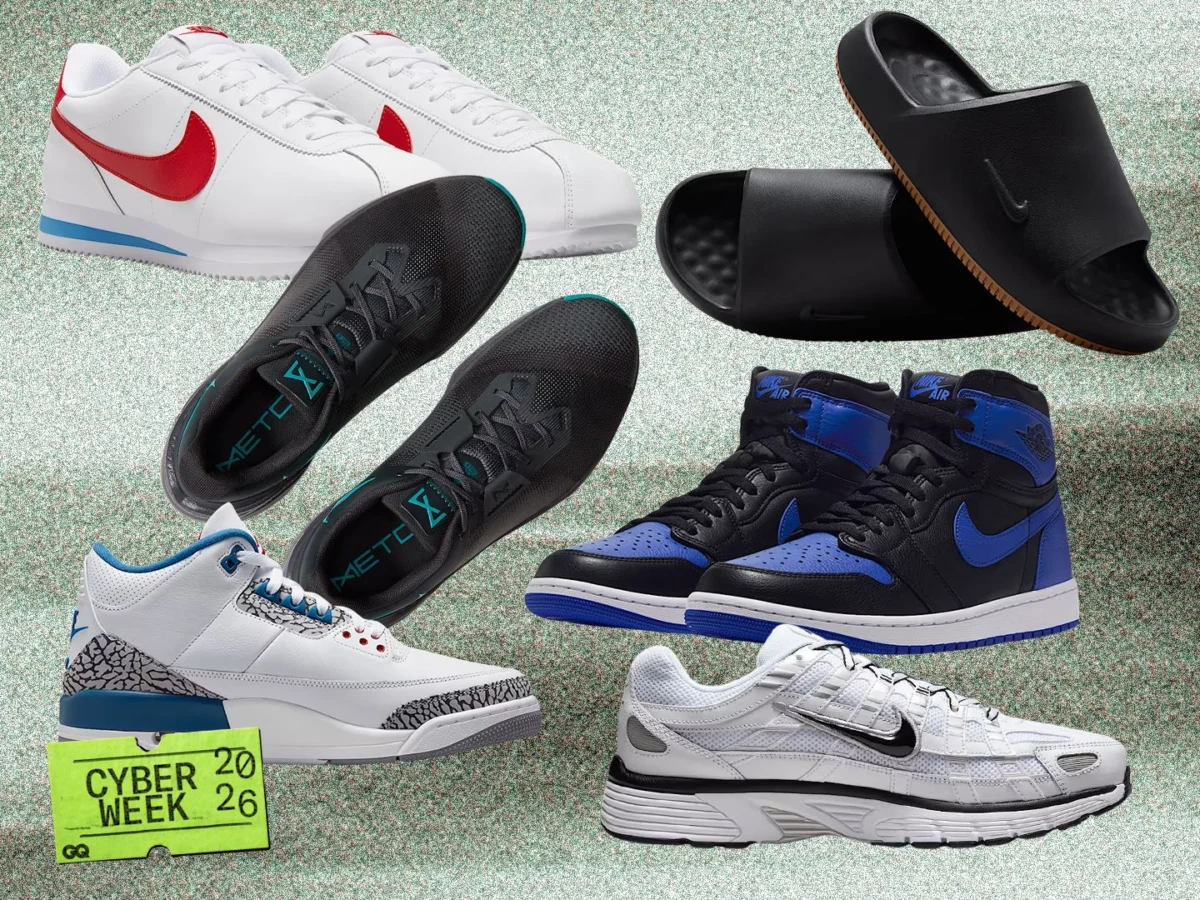
The significance of this shift cannot be overstated for those who follow the sneaker market’s ebbs and flows. For decades, "hype" culture dictated that a shoe’s value was tied to its scarcity. Models like the Air Jordan 1 "Royal" or the Air Jordan 3 "True Blue" were historically the types of releases that required camping out overnight or navigating the cutthroat world of resale bots. Seeing these specific colorways—shoes that represent the literal foundation of modern sneaker collecting—sitting on a digital shelf with a "reduced price" tag feels like a glitch in the Matrix. It signals a broader market correction where Nike is prioritizing direct-to-consumer accessibility over the artificial exclusivity that has defined the last decade of the industry.
To understand why this sale is essentially a walking history book, one must look at the specific silhouettes being offered. Take, for instance, the Air Jordan Skyline Low LE. Before Michael Jordan became a global brand unto himself, and even before the first Air Jordan 1 changed the world in 1985, he was seen on court in the Skyline. For years, this was a mythical "proto-Jordan" known only to the most obsessive archivists. Now, not only is it available to the general public, but it is being offered at a significant discount, moving from $105 down to $82. It represents a period of 1984 design language that feels both retro and surprisingly contemporary, fitting perfectly into the current trend of "dad shoes" and vintage court aesthetics.
The inclusion of the Nike Cortez Leather at $54 (down from $95) further cements the "lesson in history" theme. Originally released in 1972 as a track shoe designed by Nike co-founder Bill Bowerman, the Cortez was the brand’s first major success story. It has since transcended sports to become a cultural uniform, particularly in Los Angeles, and has been championed by modern style icons like Kendrick Lamar and Jeremy Allen White. To find a leather version of a cultural icon for under $60 is a rarity in an economy where even basic footwear prices have steadily climbed toward the triple digits.
Analyzing the sale from a broader economic perspective reveals a strategic pivot by Nike leadership. Following a period of inventory surpluses and a cooling resale market, the brand is leveraging its massive "Cyber Week" infrastructure to regain market share from emerging competitors like Hoka and On. By discounting "current-season crushers" and "catalog deep-cuts," Nike is reminding the consumer of its sheer depth. While other brands might have one or two popular models, Nike can reach into its vault and pull out the Killshot 2—the gum-soled darling of the 2010s "menswear 1.0" era—and offer it for $75 to a new generation of shoppers who are just now discovering its versatile, low-profile appeal.
Beyond footwear, the sale extends deep into the Nike ACG (All Conditions Gear) and performance apparel lines. The ACG Tuff Fleece, a staple of the "Gorpcore" movement that blends outdoor utility with street style, has been marked down from $120 to $90. ACG has always been the experimental arm of Nike, focusing on technical fabrics and rugged silhouettes meant to survive the elements. The "Tuff" line, in particular, has gained a reputation among hikers and urban commuters alike for its heavyweight durability. Similarly, the Metcon 10—the gold standard for high-intensity interval training and CrossFit—is seeing a rare price drop from $155 to $117. The Metcon line has survived a decade of iterations because of its specific engineering: a flat, stable heel for heavy lifting paired with enough flexibility for sprints. For the serious gym-goer, these aren’t just clothes; they are equipment.
The apparel section also highlights the brand’s dominance in "athleisure" through its Club Fleece collection. The Nike Club Fleece Hoodie and matching pants are perhaps the most ubiquitous pieces of clothing in the world, yet they remain high-demand items because of their specific weight and comfort. During this sale, the hoodie is available for $50 and the pants for $46. In a retail landscape where high-end "basics" brands often charge $150 for a similar cotton-poly blend, Nike’s scale allows them to undercut the market while maintaining the prestige of the Swoosh.
For those looking for "mobile foot spas," the Calm 2.0 Slides have been discounted to $41. This move is a direct response to the "recovery footwear" boom. As consumers move away from restrictive shoes toward comfort-first options for home and travel, the Calm slide represents Nike’s minimalist take on the trend. It is a seamless, contoured piece of foam that prioritizes ergonomics over flashy branding, reflecting a more mature design philosophy that has permeated the company’s recent output.
The sale also provides a necessary refresh for the "Everyday" essentials that most people forget to buy until they are falling apart. Nike’s Elevated Crew Socks and Cushioned Training No-Show Socks are seeing 30% markdowns. While socks might lack the glamor of a pair of "True Blue" 3s, they are the high-volume drivers of the brand’s daily revenue. Black Friday serves as the annual reset for many shoppers to replace their "hole-ridden" rotations with fresh packs of moisture-wicking Dri-FIT technology.
Industry experts suggest that this aggressive pricing strategy is part of Nike’s "Consumer Direct Acceleration" plan. By offering such deep discounts on their own platform, they are gathering invaluable data on consumer preferences while bypass traditional third-party retailers. This allows them to see exactly which "lesson in history" the public is most interested in learning. Is the modern shopper more drawn to the 1984 Skyline or the 1972 Cortez? The results of this Black Friday event will likely dictate the brand’s production cycles for the next 24 months.
However, there is a "buyer beware" element to a sale of this magnitude. Inventory for high-heat items like the Air Jordan 1 High OG "Royal" ($139) and the Air Jordan 1 Low ($69) is not guaranteed to last. Unlike the "outlet" sales of the past which featured odd sizes and undesirable colorways, this sale is a front-line assault using the brand’s best assets. The psychological impact of seeing a "Royal" Jordan 1 on sale is a powerful motivator; it creates a "now or never" urgency that is often missing from modern e-commerce.
As the biggest clothing company in the world, Nike’s impact on fashion extends far beyond the gym. From high-fashion collaborations with the likes of Louis Vuitton and Virgil Abloh’s Off-White to the simple presence of the Air Force 1 on every city street corner, the brand has become a cultural lingua franca. This Black Friday sale is more than just a chance to save money; it is an invitation to own a piece of that narrative. Whether it is the GORE-TEX Storm-FIT running gloves for the winter commuter or the 22oz Big Mouth Water Bottle for the student, every item carries the weight of a brand that has defined athletic excellence and street style for over half a century.
In conclusion, if you find yourself scrolling through the thousands of items currently discounted, remember that you are looking at a timeline of innovation. From the track-spikes-turned-streetwear of the 70s to the basketball revolution of the 80s and the technical outdoor gear of the 90s, the Nike Black Friday sale is a comprehensive guide to how we got here. The advice for the season remains simple: considering the styles and the unprecedented nature of these discounts, if you see a piece of history that fits your rotation, it is best to pull up and let it fly. The window for these "nuking" deals is short, and in the world of Nike, once the history book closes for the season, those prices may never return to these levels again.
