
 By admin
As the global aviation industry enters the final stretch of 2026, the trajectory of Norse Atlantic Airways stands as a testament to the volatile yet resilient nature of the long-haul, low-cost carrier (LCLH) business model. On this November 25, 2026, the airline, which emerged from the restructuring shadows of its spiritual predecessor Norwegian Air Shuttle, has navigated a complex web of fuel price fluctuations, shifting consumer demands, and a fiercely competitive transatlantic market. To understand where Norse Atlantic stands today, one must examine the intricate balance of operational efficiency, strategic route planning, and the broader economic climate that has shaped the airline’s journey from a bold startup to a stabilized fixture in international skies.
The inception of Norse Atlantic Airways in 2021 was met with significant skepticism from industry analysts. History was littered with the remains of carriers that attempted to conquer the transatlantic market with low fares and high-density seating. From Laker Airways in the 1970s to the more recent collapse of WOW Air and the retreat of Norwegian’s long-haul operations, the "curse" of the LCLH model seemed inescapable. The fundamental challenge has always been the narrow margins: while short-haul low-cost carriers like Ryanair or Southwest can maximize aircraft utilization through quick turnarounds and high-frequency flights, long-haul flying inherently limits an aircraft to one or two cycles per day, all while incurring massive fuel and labor costs.
However, Norse Atlantic entered the fray with a distinct advantage: a fleet of modern Boeing 787 Dreamliners acquired at highly favorable lease rates during the height of the global pandemic. By November 2026, this fleet has become the backbone of an operation that prioritizes fuel efficiency and passenger comfort—two factors that were often compromised in previous iterations of low-cost long-haul travel. The Dreamliner’s advanced composite materials, lower cabin altitude pressure, and improved humidity levels have allowed Norse to offer a product that feels "premium" even in the economy cabin, a crucial differentiator in an era where traveler well-being has become a top priority.
By late 2026, Norse Atlantic’s route map has evolved from a simple "London-to-New York" focus to a sophisticated seasonal strategy. Recognizing that the North Atlantic market is notoriously seasonal—booming in the summer and bleak in the mid-winter—Norse has mastered the art of the "pivot." During the peak summer months of 2026, the airline maximized its presence in hubs like London Gatwick (LGW), Berlin (BER), and Paris (CDG), connecting European travelers to a plethora of U.S. destinations including Los Angeles (LAX), Miami (MIA), and the increasingly popular secondary markets like Orlando and Las Vegas. As the winter season approached, Norse demonstrated agility by reallocating capacity to sun-seeking routes, including its highly successful expansions into Bangkok and the Caribbean, as well as its burgeoning charter business.
A significant component of Norse Atlantic’s survival and growth through 2026 has been its diversified revenue stream. Beyond selling seats to budget-conscious travelers, the airline has carved out a niche in the ACMI (Aircraft, Crew, Maintenance, and Insurance) and charter market. By leasing its aircraft and crews to other airlines or private organizations during the off-peak periods, Norse has managed to keep its Dreamliners in the air and generating revenue even when its own scheduled demand softens. This "hybrid" approach has shielded the carrier from the traditional pitfalls that led to the downfall of its predecessors, who often found themselves with expensive aircraft sitting idle on the tarmac during the winter months.
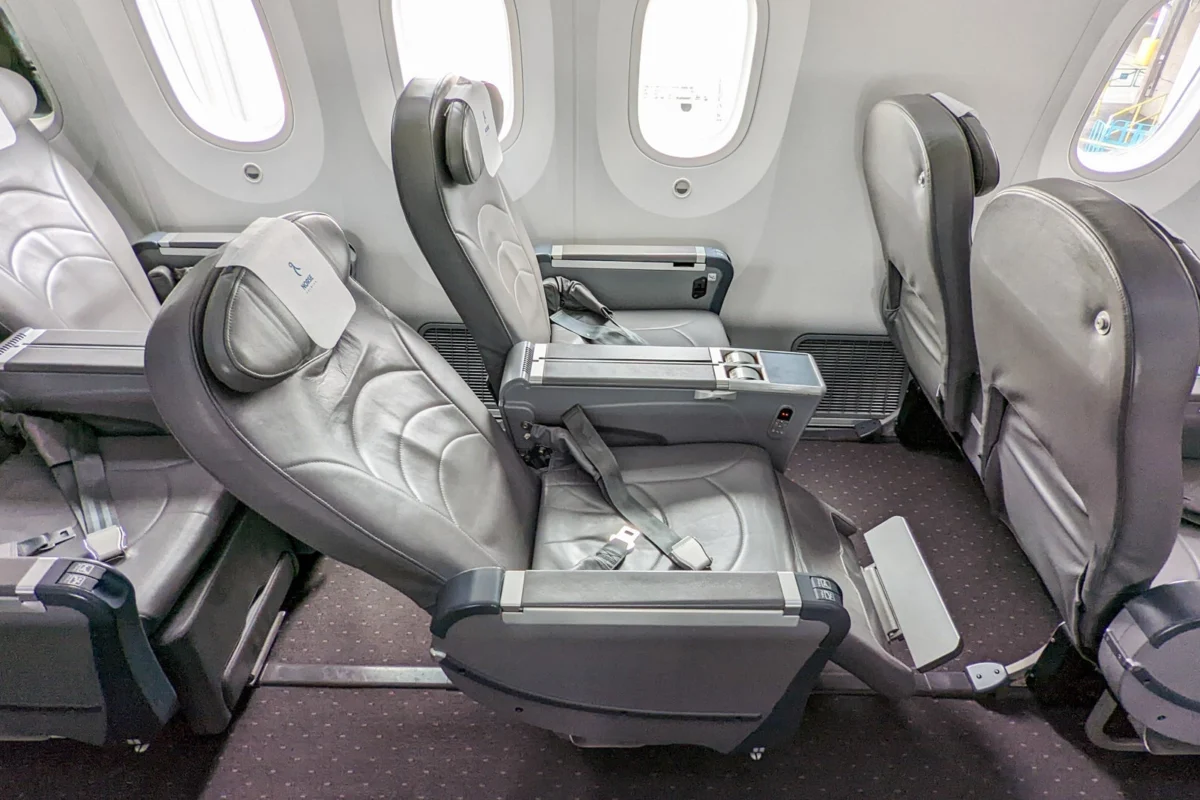
From a consumer perspective, the "Norse Experience" in 2026 represents the pinnacle of the unbundled fare structure. The airline’s "Light," "Classic," and "Flextra" tiers allow passengers to pay only for the services they require. In an era of high inflation and tightened household budgets, this level of customization has resonated with a new generation of travelers. However, the airline has also seen surprising success with its "Norse Premium" cabin. Offering 43 inches of seat pitch and a more traditional full-service experience at a fraction of the cost of legacy carriers’ business class, the Premium product has attracted a demographic of "affordable luxury" seekers—small business owners and leisure travelers who refuse to fly basic economy but cannot justify the $4,000 price tag of a lie-flat pod on a major legacy airline.

The competitive landscape of 2026 remains fierce. Legacy carriers such as United, Delta, and British Airways have not stood idly by. They have countered Norse’s presence by expanding their own "Basic Economy" offerings and leveraging their massive loyalty programs to retain high-value customers. Yet, Norse has found a way to coexist by targeting the price-sensitive "VFR" (Visiting Friends and Relatives) market and the burgeoning "digital nomad" cohort. Furthermore, the integration of travel financial tools has become a staple of the Norse ecosystem. As mentioned in the editorial context of this report, the role of credit card rewards and strategic financial planning has become inextricably linked with low-cost travel. Savvy travelers in 2026 often pair a low-cost Norse fare with points-earned hotel stays, effectively hacking the cost of international vacations.
Technological integration has also played a pivotal role in Norse’s 2026 operations. The airline’s mobile app and digital interface have been streamlined to handle everything from biometric boarding to real-time baggage tracking and instant ancillary purchases. By reducing the reliance on ground staff and traditional check-in desks, Norse has kept its overhead low while providing a tech-forward experience that appeals to Gen Z and Millennial flyers. Moreover, the airline’s commitment to sustainability has come to the forefront. In 2026, Norse Atlantic has significantly increased its uptake of Sustainable Aviation Fuel (SAF), partnering with European suppliers to meet increasingly stringent EU environmental mandates. While long-haul flying remains a carbon-intensive activity, Norse’s use of the young, efficient 787 fleet ensures that its carbon footprint per passenger kilometer is among the lowest in the industry.
Expert analysis suggests that the next twenty-four months will be the "era of consolidation" for long-haul low-cost travel. While Norse Atlantic has successfully navigated the initial years of its existence, the pressure of debt servicing and the need for constant innovation remain. Industry consultants point out that for Norse to reach long-term stability, it may need to explore deeper partnerships or even alliances. While the airline has historically operated independently, the 2026 market is seeing a trend toward "virtual interlining," where low-cost carriers use third-party platforms to offer connecting tickets without the complexity of traditional codeshare agreements.
As we look at the data from the final quarter of 2026, Norse Atlantic’s load factors remain high, often exceeding 85% on its core New York and London routes. This high utilization is essential for the LCLH model to function. However, the rising cost of labor—specifically the global shortage of qualified pilots and maintenance engineers—poses a persistent threat. Norse has responded by investing in its own training pipelines and offering competitive contracts that emphasize work-life balance, a move that has helped it avoid the crippling strikes that have plagued some of its larger competitors over the past two years.
The story of Norse Atlantic Airways as of November 25, 2026, is one of calculated risk and operational discipline. The airline has proven that there is indeed a market for affordable, long-distance travel if the operator remains disciplined about costs and agile in its route planning. It has moved beyond being a "budget airline" to becoming a "value airline," a distinction that has allowed it to survive where others failed. As the holiday travel season kicks into high gear, the sight of the distinctive Norse "Longship" livery on the runways of the world’s major airports is a reminder that the dream of democratic long-haul travel is not only alive but evolving.
In conclusion, the state of transatlantic aviation in 2026 is defined by choice. Travelers are no longer beholden to the pricing whims of a few legacy giants. The presence of Norse Atlantic has forced a level of price transparency and competition that has benefited the flying public at large. Whether Norse can maintain this momentum into the 2030s will depend on its ability to withstand the next inevitable economic downturn and its success in continuing to modernize the passenger experience. For now, on this late November day, the airline stands as a beacon of the "New Golden Age" of accessible international flight, proving that with the right aircraft, the right leadership, and a bit of luck, the horizon is limitless.
