
 By admin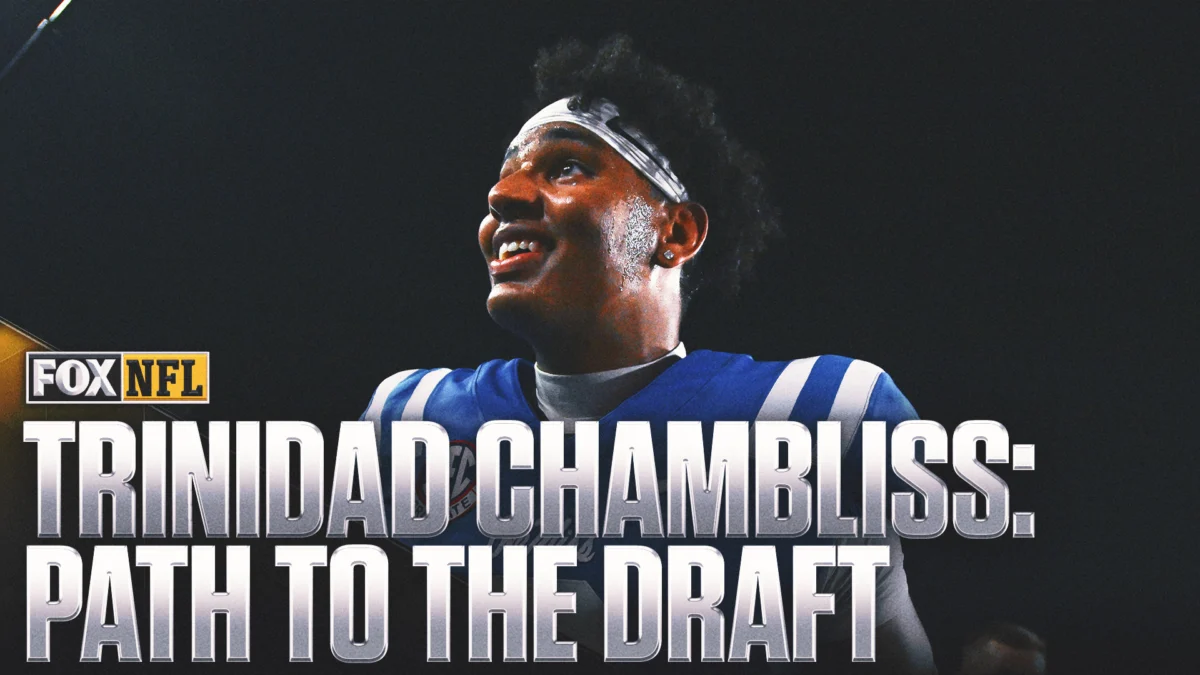
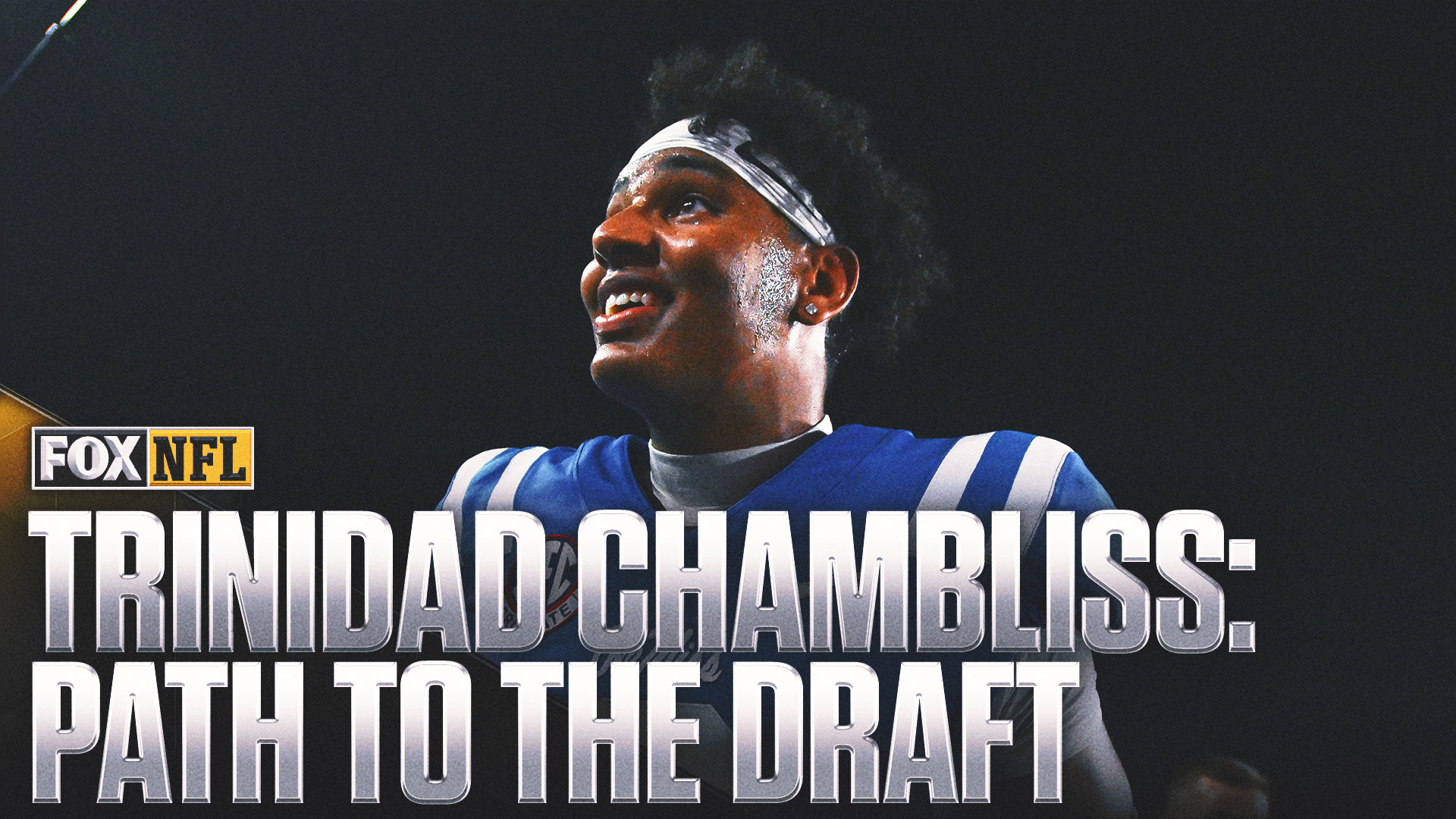
In a college football season that has seen many highly touted quarterbacks falter under the pressure of early-season expectations, Ole Miss’ Trinidad Chambliss has quietly, and then not so quietly, ascended to the top of the Heisman Trophy conversation. Through the first month of play, Chambliss has not only guided the Rebels to an unblemished 3-0 record but has also showcased a level of quarterback play that has frankly outshone his more heralded peers, including Arch Manning and Dante Moore. His statistics are staggering: a 70% completion rate for 924 yards and seven touchdowns, complemented by an additional 64 rushing yards and two scores on the ground. This dual-threat capability, coupled with his consistent performance in critical moments, has transformed skeptics of his professional prospects into ardent believers, positioning him as the current favorite for college football’s most prestigious individual award.
However, even with his remarkable success, Chambliss faces two significant hurdles in the eyes of some evaluators: his physical stature and his age. Listed at a seemingly modest 6-foot-0, and having recently celebrated his 24th birthday, Chambliss deviates from the typical mold of the prototypical NFL quarterback prospect. These are valid concerns that warrant thorough examination, particularly when assessing his potential transition to the professional ranks. To gain a comprehensive understanding of his capabilities, a deep dive into his performance through the lens of the "five A’s" of quarterback evaluation—accuracy, anticipation, arm talent, athleticism, and attitude—is essential. This framework, long employed by scouts and analysts, provides a structured approach to dissecting a quarterback’s strengths and weaknesses.
Accuracy: The Bedrock of Quarterback Play
The emphasis on accuracy in quarterback evaluation cannot be overstated. In the often-chaotic landscape of a football game, the ability to consistently place the ball where receivers can make plays is paramount. While spin rate, velocity, and touch are important components, they are secondary to the fundamental skill of threading the needle from various distances and trajectories. It is a common pitfall for analysts to be captivated by quarterbacks possessing dazzling athletic tools but lacking the precision needed to consistently move the chains. Chambliss, however, excels in this critical area.
His accuracy is a defining characteristic of his game. Whether standing flat-footed in the pocket or delivering the ball on the move, Chambliss routinely fires lasers with pinpoint precision. The fluidity with which he operates, even when throwing on the run, is particularly impressive, demonstrating an innate understanding of his body and the ball. This is not to suggest perfection; early in his tenure at Ole Miss, following his transfer from Division II Ferris State where he spent four seasons, some of his deeper passes occasionally lacked the necessary trajectory, exhibiting a tendency to float. The ability to layer passes effectively between the second and third levels of a defense—a crucial skill for navigating complex NFL schemes—is an area where he has shown improvement but still has room to grow. Throwing with the appropriate loft to clear linebackers and drop the ball into the bucket in front of safeties is a vital aspect of modern NFL offense, and this will represent a significant adjustment from the more straightforward offense he currently commands with the Rebels. Despite these minor critiques, his overall accuracy merits a strong B+ grade.
Anticipation: The Art of Seeing the Play Unfold
The game of football, at its highest level, is often won or lost by the quarterback’s ability to anticipate. It’s about seeing the play before it fully develops, making decisions with split-second timing, and delivering the ball with confidence. For Chambliss, this aspect of his game appears to come with a natural ease. He possesses an impressive instinct and poise, allowing him to improvise effectively when necessary. His arm strength, which will be discussed in more detail later, enables him to zip passes past defenders once receivers gain separation, but his true brilliance lies in his ability to anticipate receiver breaks and initiate his throwing motion before the receiver makes their final cut to become open.
This foresight is particularly evident when Chambliss surveys the field from a clean pocket. He exhibits remarkable field vision, a trait that is especially noteworthy for a quarterback of his height. He efficiently works through his progressions, demonstrating the mental agility to speed up his release when the situation demands it. However, there were moments, particularly earlier in his Ole Miss career, where he displayed a tendency to either stare down his primary read or fail to adequately account for multiple defenders. During last season’s Fiesta Bowl against Miami, while he avoided an interception, he made some questionable decisions that, with a different outcome, could have been costly. Despite these occasional lapses, his overall anticipation and field vision are a significant asset, earning him a B+ grade.
Arm Talent: Power and Precision Combined
In the NFL, there are moments when a quarterback simply must sling the ball with significant velocity to exploit minuscule windows of opportunity. Big-time arm strength is not merely a luxury; it is a necessity for survival and success at the highest level. Chambliss possesses this crucial attribute. While a teammate’s breakaway speed might be a factor in some plays, the dart-like accuracy and velocity with which Chambliss delivers the ball are undeniable. This was exemplified in a recent touchdown strike against LSU, where the ball traveled nearly 40 yards in the air and was placed perfectly, allowing his receiver to make the play.
While he previously showed a tendency to put too much air under his deep balls, this season has seen a marked improvement in his touch and accuracy on these longer throws. This progression suggests a dedicated effort to refine his mechanics and understanding of ball trajectory. The ability to generate such power and accuracy on deep passes is a testament to his physical gifts and his commitment to improving his craft. For his impressive arm talent, Chambliss garners an A- grade.
Athleticism: Agility Over Explosiveness
The evaluation of a quarterback’s athleticism can be nuanced. While scouts often look for pocket mobility, flexibility, and the strength to break tackles, pure explosive athleticism, as measured by traditional metrics like 40-yard dash times or vertical jumps, is not always the primary indicator of success. Chambliss possesses agility and creativity as a scrambler, but he is not the type of dynamic, game-breaking runner who draws comparisons to legends like Lamar Jackson or Kyler Murray.
Despite posting impressive rushing statistics in his 16 starts at Ole Miss, accumulating 591 yards and 10 touchdowns, his pre-draft workout performance may not showcase the explosive athleticism some scouts seek. It’s conceivable he might even opt out of participating in certain athletic drills prior to the draft, prioritizing other aspects of his preparation. Given his statistical output, there was a slight disappointment in the degree of his pure athleticism. While he is alert and capable of taking advantage of open lanes, he has, at times, struggled to escape the pocket from backside pursuit. He is more elusive than explosive, a characteristic that, while effective, may not translate directly into the same eye-popping numbers as more naturally gifted runners.
This observation is not to diminish his effectiveness. Some of the most successful scrambling quarterbacks in the NFL, such as Brock Purdy, are not considered elite athletes in the same vein as Jackson. Yet, Purdy consistently avoids clean hits and has demonstrated a knack for finding the end zone with his legs. While Chambliss may not possess the same level of explosive dynamism, his agility and ability to extend plays are highly effective. He is a smart runner who picks his spots. For his athleticism, he receives a B- grade.
Attitude: Leadership and Championship Pedigree
Leadership is an intrinsic expectation for any quarterback. The ideal signal-caller possesses a confident demeanor that can inspire teammates without tipping into arrogance. Chambliss’s journey to this point has instilled in him a unique perspective. Having started his collegiate career as an under-recruited prospect and a backup at Ferris State, he understands the value of hard work and perseverance. His subsequent success, including a national championship at Ferris State and his transformation of Ole Miss into a top-10 program, speaks volumes about his character and leadership qualities.
Beyond his physical abilities, what truly excites scouts about Chambliss is his unflappable demeanor. The moment rarely seems too big for him. His championship pedigree and his penchant for clutch play in critical late-game situations have scouts eager to see the impact he could have on their NFL teams. This mental fortitude and proven ability to perform under pressure are invaluable assets, earning him a top mark of A for his attitude.
Addressing the Doubts: Size and Age
While Chambliss possesses a wealth of positive attributes, the concerns regarding his height and age are undeniable. His below-average height for a quarterback occasionally leads to missed reads on tape, a consequence of obstructed vision. However, at 210 pounds, Chambliss boasts a muscular and compact frame, similar in build to successful NFL quarterbacks like Baker Mayfield and Russell Wilson. These players, despite facing similar questions about their durability due to their size, have enjoyed remarkably long and productive careers. Mayfield and Wilson have combined to miss a mere five games due to injury over more than two decades in the league, a testament to their resilience and the effectiveness of modern sports medicine. Unless medical testing at the NFL Scouting Combine reveals an unforeseen issue, there is little reason to doubt Chambliss’s durability.
Furthermore, in today’s NFL, where quarterbacks are playing at an increasingly advanced age, Chambliss’s age of 24 should not be a significant impediment. In fact, it can be viewed as a distinct advantage. He will enter the professional ranks with a level of maturity and perspective that many younger quarterbacks lack, having navigated the challenges of college football for an extended period.
The Road Ahead: Draft Potential
While much can change between September and the NFL Draft in April, Trinidad Chambliss’s current trajectory suggests he is more than just a first-round prospect. If the draft were held today, he would likely be the first quarterback off the board. His combination of accuracy, arm talent, anticipation, and an unwavering attitude, coupled with his proven ability to lead a successful program, positions him as one of the most intriguing prospects in the upcoming draft class. The questions surrounding his size and age are valid, but they are overshadowed by his undeniable talent and his remarkable track record of success. As the college football season progresses, Chambliss has the opportunity to further solidify his status as a top-tier NFL quarterback prospect, proving that the traditional quarterback mold is ripe for redefinition.
