
 By Titik Puspa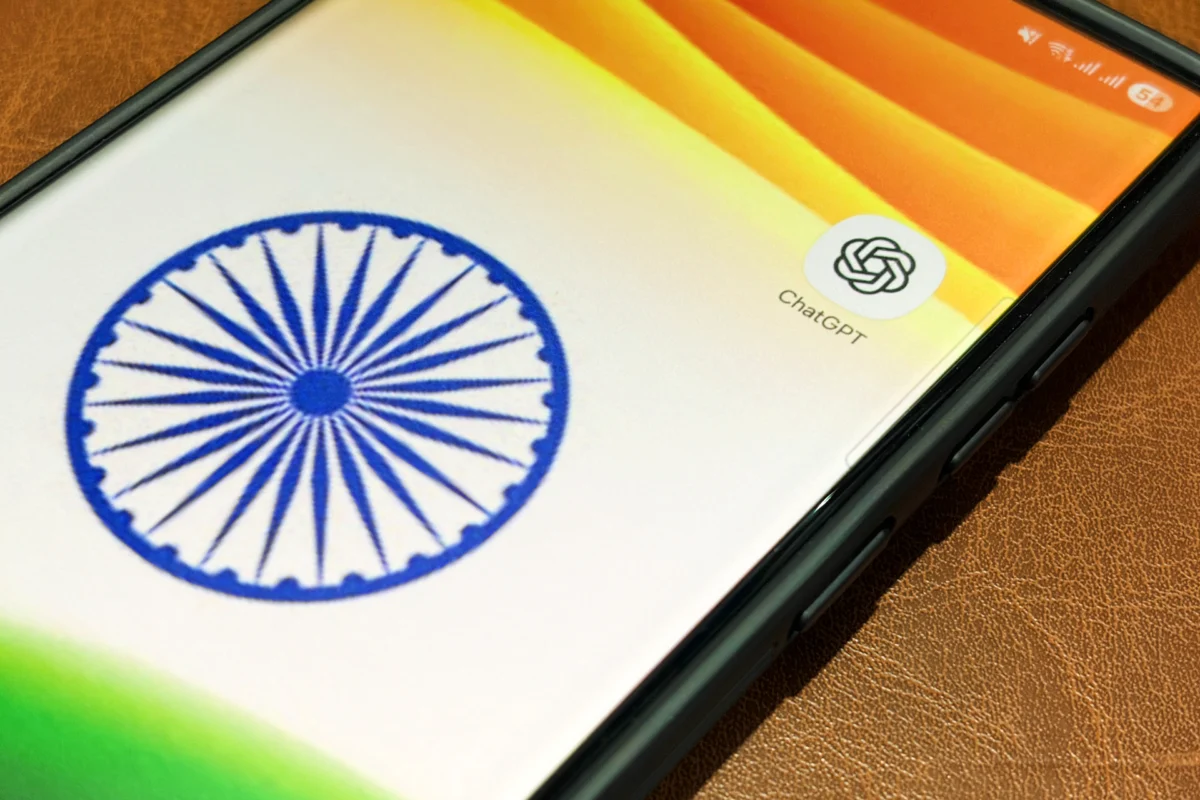
The ubiquitous nature of advertising has now extended its reach into the burgeoning landscape of artificial intelligence, with OpenAI announcing a significant strategic shift: the introduction of advertisements across its ChatGPT Free and Go subscription tiers specifically for users in India. This move, officially confirmed on Thursday, follows a recent amendment to the company’s terms of service earlier this month, which signaled the potential for ad integration within the AI assistant’s user experience. The decision underscores OpenAI’s aggressive push to diversify and solidify its revenue streams, particularly as the company reportedly eyes a potential Initial Public Offering (IPO) in the coming year or two.
India, with its vast and rapidly growing digital user base, presents a prime market for this new advertising initiative. OpenAI revealed in February that India boasts over 100 million weekly active ChatGPT users, a substantial portion of whom are currently engaging with the platform via the free tier or the more accessible, lower-priced Go subscription. This significant user penetration makes India a crucial battleground for OpenAI’s monetization strategies. The company stated that the ad rollout will commence with a curated selection of 50 brands, signaling a deliberate and phased approach to integrating advertising. To facilitate this, OpenAI has forged strategic partnerships with established advertising agencies WPP and Omnicom, leveraging their expertise in campaign management and client acquisition.
Further bolstering its advertising capabilities, OpenAI is set to launch an in-house ad manager next month. This platform will empower marketers to create and deploy their advertising campaigns directly within the ChatGPT environment. The service comes with a stipulated daily minimum budget of ₹725 (approximately $7.60), indicating a target demographic of small to medium-sized businesses alongside larger enterprises seeking to tap into this novel advertising channel. Dave Dugan, head of global ad solutions at OpenAI, articulated the strategic intent behind this development, stating, "With ChatGPT Ads, businesses of every size can introduce themselves at relevant, high-context moments when decisions are beginning to take shape." This statement highlights the perceived advantage of placing advertisements at junctures where users are actively seeking information or making choices, thereby maximizing potential impact and engagement.
OpenAI’s commitment to cultivating its Indian user base has been evident for some time, marked by a series of strategic initiatives designed to attract and retain users. In August 2025, the company introduced a remarkably affordable ChatGPT Go plan, priced at under $5, making advanced AI accessible to a wider demographic. This was further amplified by a limited-time promotional offer that rendered the ChatGPT Go tier entirely free for a full year to all users in India, a bold move to capture market share and foster early adoption. The company also strategically leveraged popular sporting events, such as the Women’s Premier League (WPL) and the Indian Premier League (IPL) cricket tournaments, to showcase its products through extensive advertising campaigns. More recently, OpenAI demonstrated its seriousness about the Indian market by appointing Uber’s former India head to spearhead its expansion efforts in the country, a testament to the region’s strategic importance.
The introduction of ads in India is not an isolated event but rather a continuation of a broader global rollout strategy. OpenAI began testing advertisements with its U.S. user base in February of this year and subsequently expanded the program to encompass European markets earlier this month. This global approach suggests a coordinated effort to establish a robust advertising ecosystem across its key operational regions, aiming to generate consistent revenue streams that can support its ambitious research and development endeavors and its path towards public market valuation.
The intensifying focus on monetization is inextricably linked to OpenAI’s financial trajectory and its potential future as a publicly traded entity. Reports from The Wall Street Journal indicate that the AI lab recorded revenue of $6.7 billion in the second quarter ending June 2026, a notable increase from the $5.7 billion generated in the preceding quarter. This growth, while significant, has also been characterized as "tepid" by some analysts when compared to the performance of competitors like Anthropic, highlighting the pressure on OpenAI to demonstrate sustained and accelerated revenue generation.
Looking further ahead, OpenAI has set ambitious targets for user growth and subscription revenue. A report published by The Information last November projected that OpenAI aims to reach 220 million paying subscribers by the year 2030. At that time, the company had already secured 35 million paying users across its Plus and Pro plans, indicating a strong foundation for future expansion. The integration of advertising into free and lower-tier plans is a strategic maneuver designed to capture revenue from a segment of users who may not opt for paid subscriptions, thereby broadening the company’s overall monetization potential and supporting its long-term growth objectives.
The introduction of ads into AI platforms like ChatGPT raises important questions and considerations for users, advertisers, and the broader technology industry. For users, the experience of interacting with AI is now intertwined with commercial messaging, potentially altering their perception and usage patterns. The "relevant, high-context moments" that Dugan refers to could offer a more personalized and less intrusive advertising experience compared to traditional digital advertising, but the effectiveness and user acceptance of this model remain to be seen. From an advertiser’s perspective, ChatGPT presents a unique opportunity to engage with a highly engaged audience at critical points in their decision-making journey. The ability to target users based on their queries and interactions with the AI could lead to highly effective campaigns, provided the data privacy and ethical implications are carefully managed.
The strategic decision to monetize ChatGPT through advertising also reflects a broader trend within the AI industry. As AI models become increasingly sophisticated and integrated into daily life, companies are exploring diverse revenue models beyond direct software sales or enterprise licensing. Subscription services, API access, and now advertising are all part of the evolving financial landscape for AI developers. OpenAI’s move signals that even in the realm of cutting-edge artificial intelligence, the principles of digital advertising remain a powerful and attractive avenue for financial growth.
Furthermore, the expansion of ads into India is a significant development in the global digital advertising market. India’s status as a major internet-connected population with a rapidly growing middle class makes it an attractive market for advertisers. OpenAI’s entry into this space, with its direct access to a vast user base interacting with a powerful AI tool, could disrupt existing advertising paradigms and create new opportunities for brands looking to reach Indian consumers. The success of this venture will likely depend on OpenAI’s ability to balance revenue generation with user experience and to build trust among both its user base and its advertising partners. The company’s investment in hiring local leadership and forging partnerships with established agencies suggests a commitment to understanding and effectively navigating the nuances of the Indian market.
The journey of AI monetization is still in its nascent stages, and OpenAI’s advertising initiative in India is a pivotal chapter. As the company continues to innovate and expand its offerings, its ability to effectively integrate commercial interests without compromising the core value proposition of its AI tools will be crucial for its long-term success and its impact on the future of digital interaction. The coming months will provide valuable insights into how this ambitious advertising strategy unfolds and its implications for both OpenAI and the broader digital advertising ecosystem in India and beyond.
