
 By Rifan Muazin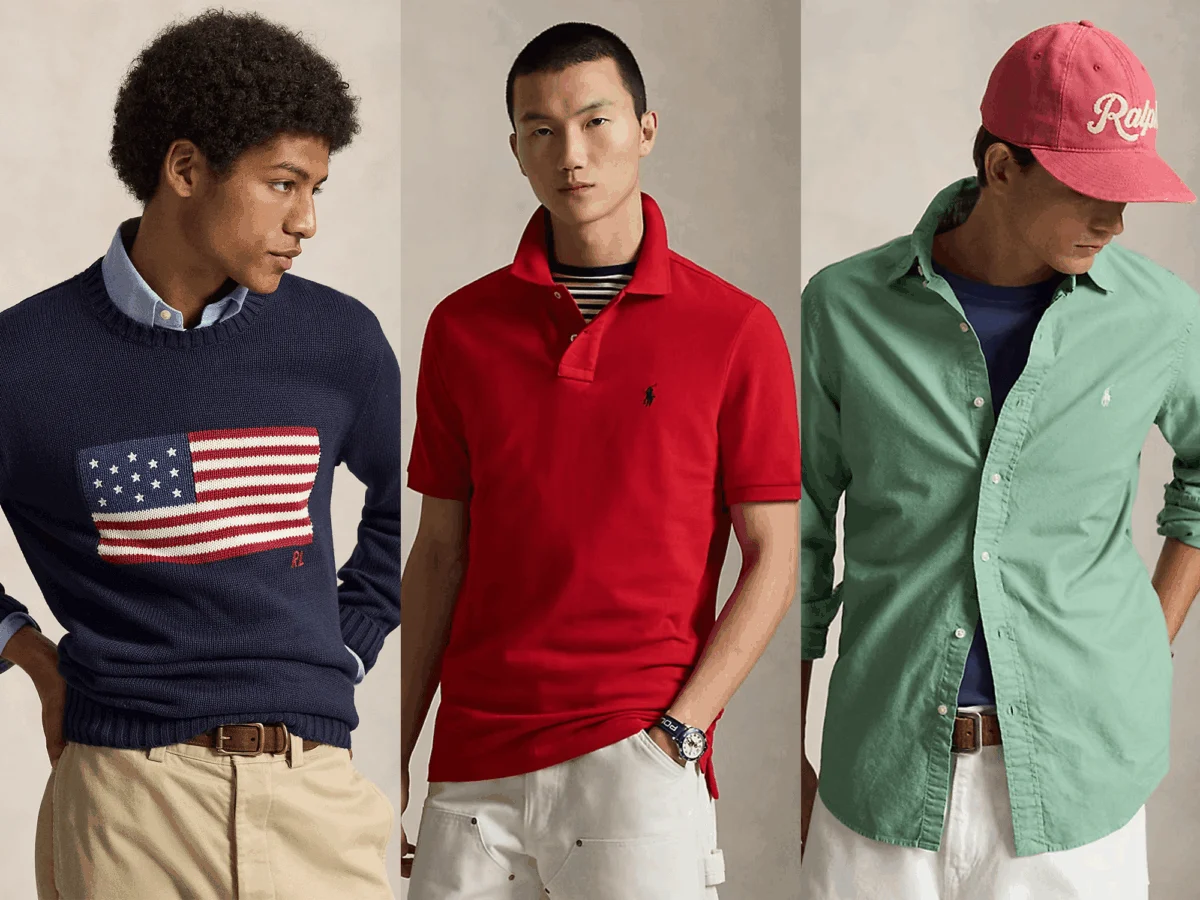
Approaching 60 years in business, Polo has shored up unfathomable amounts of cultural capital, been the subject of countless trends, and produced more iconic pieces than just about every other brand currently in operation. The brand occupies a unique space in the fashion hierarchy—it is a rare "masstige" titan that commands respect from both the suburban father and the avant-garde street-style icon. Somehow, even with such a gargantuan global presence and a distribution network that spans from flagship mansions to mid-tier department stores, Polo has also managed to maintain its reputation for meticulous attention to detail and long-lasting quality. This longevity is perhaps best evidenced by the secondary market; just think about how many thrift stores carry Polo pieces and how remarkably good those pieces still look today. Even when they are decades old, totally washed out, or frayed at the cuffs, they possess a "lived-in" charm that new clothes simply cannot replicate.
Whether you are a hardcore preppie, a ’90s hip-hop fiend, a workwear obsessive, or simply anyone with a passing interest in building a durable, stylish wardrobe, Polo is for you. However, for the uninitiated, walking into a Polo store can be a daunting experience. The sheer volume of inventory—the "wall of color" polos, the racks of varying trouser fits, and the dizzying array of seasonal knits—requires a roadmap. To help, here is a complete rundown on the best of what Polo does, enriched with the historical context and technical specifications that make these items the "horsepower" of a lifelong wardrobe.
The Foundation: Preeminent Polo Shirts
The polo shirt is so central to the Ralph universe that it is hard to separate the two, even if the origins of what we know as the polo shirt lie neither with Ralph Lauren nor the equestrian sport itself. Originally designed by René Lacoste for the tennis court, the short-sleeved, collared knit shirt was adopted by polo players for its breathability and stayed-down collar. In 1972, Ralph Lauren released his version in 24 colors, emblazoned with the now-ubiquitous pony logo, and a legend was born.
Today, the brand continues to produce the most reliable versions of this garment. The "Iconic Mesh Polo Shirt" remains the gold standard, constructed from breathable cotton pique that develops character with every wash. For those seeking something beyond the standard short-sleeve, the long-sleeve mesh variants offer a more refined, academic look that pairs perfectly under a blazer. Cultural collaborations, such as the Yankees Polo Shirt, bridge the gap between sportswear and heritage, celebrating the brand’s deep roots in New York City culture. For the adventurous, the Classic Fit Striped Mesh Polo provides a nod to the "bold look" of the 1980s, while the brand’s "Create Your Own" program allows for a level of personalization—from custom embroidery to specific color blocking—that is rare at this price point.
Heirloom Knits: From Fair Isle to the Polo Bear
Polo’s range of knits is arguably its strongest category, representing a masterclass in sourcing and storytelling. The brand frequently partners with heritage mills in Scotland and Italy to ensure that their sweaters are not just fashion items, but heirlooms. The "Iconic Cable-Knit Cashmere Sweater" is a prime example, utilizing premium Italian yarns to create a garment that is as soft as it is structurally sound.
The storytelling aspect is best seen in the "Polo Bear" and "American Flag" sweaters. The American Flag sweater, first introduced in 1989, has become a symbol of the brand’s patriotic DNA, often seen on the backs of Olympic athletes and movie stars alike. The Polo Bear, meanwhile, has a whimsical history; it was birthed decades ago when Ralph Lauren’s design team gifted both him and his brother Jerry teddy bears from the German toy company Steiff, dressed in miniature versions of their own outfits. Ralph liked the bears so much he began putting the illustrations on sweaters in 1991. These pieces, such as the "Polo Bear Linen-Cotton Sweater," have become massive collector’s items, particularly within the hip-hop community, where "Lo Lifes" in the 1980s and 90s turned the acquisition of rare Polo knits into a competitive subculture. For those seeking traditional craftsmanship, the "Fair Isle Wool Cardigan" utilizes intricate patterns often sourced from artisanal knitters, providing a rugged, intellectual aesthetic.
Trousers: Chinos, Cargos, and Cords
Polo’s expertise in legwear spans far beyond its famous chinos, though the "Whitman Relaxed Fit Pleated Chino" is a foundational piece for anyone embracing the current trend toward wider, more comfortable silhouettes. These are not the flimsy, paper-thin chinos found at fast-fashion retailers; they are substantial garments made from high-density cotton twill.
The brand’s range includes everything from plush corduroys to tack-sharp tailored trousers. The "Corduroy Suit Trouser" offers a collegiate, 1970s-inspired warmth, while the "Leather-Trim Plaid Tweed Suit Trouser" showcases the label’s ability to blend rugged materials with sophisticated tailoring. For the workwear and military obsessive, the "Classic Fit Canvas Cargo Pant" utilizes heavy-duty cotton ripstop, a fabric designed to resist tearing, ensuring the pants can handle actual labor or just the rigors of urban commuting. By utilizing all-natural materials like wool milled in the United Kingdom and Italy, Polo ensures that their pants drape correctly and age gracefully, unlike synthetic blends that lose their shape over time.
The Button-Up: A Workhorse for Every Occasion
The Ralph Lauren button-up is a sartorial Swiss Army knife. The "Classic Fit Oxford Shirt" (OCBD) is perhaps the most versatile garment in the collection. Made from a thick, durable oxford cloth that gets softer with every trip to the laundry, it can be worn pressed with a tie or rumpled with jeans. Historical cuts like the "Blake" and "Yarmouth" from the 80s and 90s are still sought after in vintage shops because their construction was—and remains—overbuilt for daily wear.
Beyond the staples, Polo excels in collaboration and fabric experimentation. The "Polo Ralph Lauren x Thomas Mason" shirts utilize cloth from one of the most prestigious mills in England, founded in 1796. These shirts offer a level of fineness and luster usually reserved for bespoke tailoring. On the other end of the spectrum, the "Classic Fit Patchwork Plaid Oxford" and the "Classic Fit Plaid Brushed Flannel" offer a more casual, rustic vibe. The patchwork pieces, in particular, are a hallmark of the "Fun Shirt" tradition, originally created by factory workers using leftover fabric scraps, which Ralph Lauren popularized as a preppy statement piece.
Sharp, Savvy Tailoring: Democratic Elegance
While the ultra-luxe Ralph Lauren Purple Label is the go-to for hand-canvassed, high-end suiting, the core Polo line is no sartorial slouch. Polo tailoring often features a "Soft" construction—a Neapolitan-inspired style with minimal shoulder padding that allows for a more natural, athletic silhouette.
The "Polo Tailored Fit Plaid Tweed Sport Coat" is a quintessential autumn piece, offering the weight and warmth of a light jacket with the formality of a blazer. For formal events, the "Polo Tailored Wool Barathea Shawl Tuxedo" provides a red-carpet-worthy look at a fraction of the cost of Savile Row equivalents. Because Ralph Lauren produces at such a massive scale, he is able to source high-quality wools and linens from the same mills used by luxury houses, passing the "Polo price" savings on to the consumer. This makes the brand’s suiting, like the "Polo Tailored Glen Plaid 3-Piece Suit," an incredible value proposition for young professionals and style veterans alike.
Outerwear: The Expansive Shield
Polo’s outerwear is arguably the most diverse category in the entire catalog. It is here that the brand’s range—from the golf course to the mountain peak—is most evident. The "Bayport Poplin Jacket" is a classic Harrington style that has remained virtually unchanged for decades, offering a lightweight, wind-resistant layer that defines effortless cool.
As you move into heavier options, the label offers everything from mil-spec parkas to elegant topcoats. The attention to detail in these pieces is remarkable; zippers are heavy-duty, pockets are reinforced, and the fits are designed to allow for the layering of the aforementioned knits and button-ups. This systematic approach to dressing—where every category of the brand works in harmony with the others—is what has allowed Polo Ralph Lauren to remain a dominant force in fashion for nearly sixty years. It isn’t just about buying a shirt; it’s about investing in a piece of a larger, enduring American story.
