
 By Lina Irawan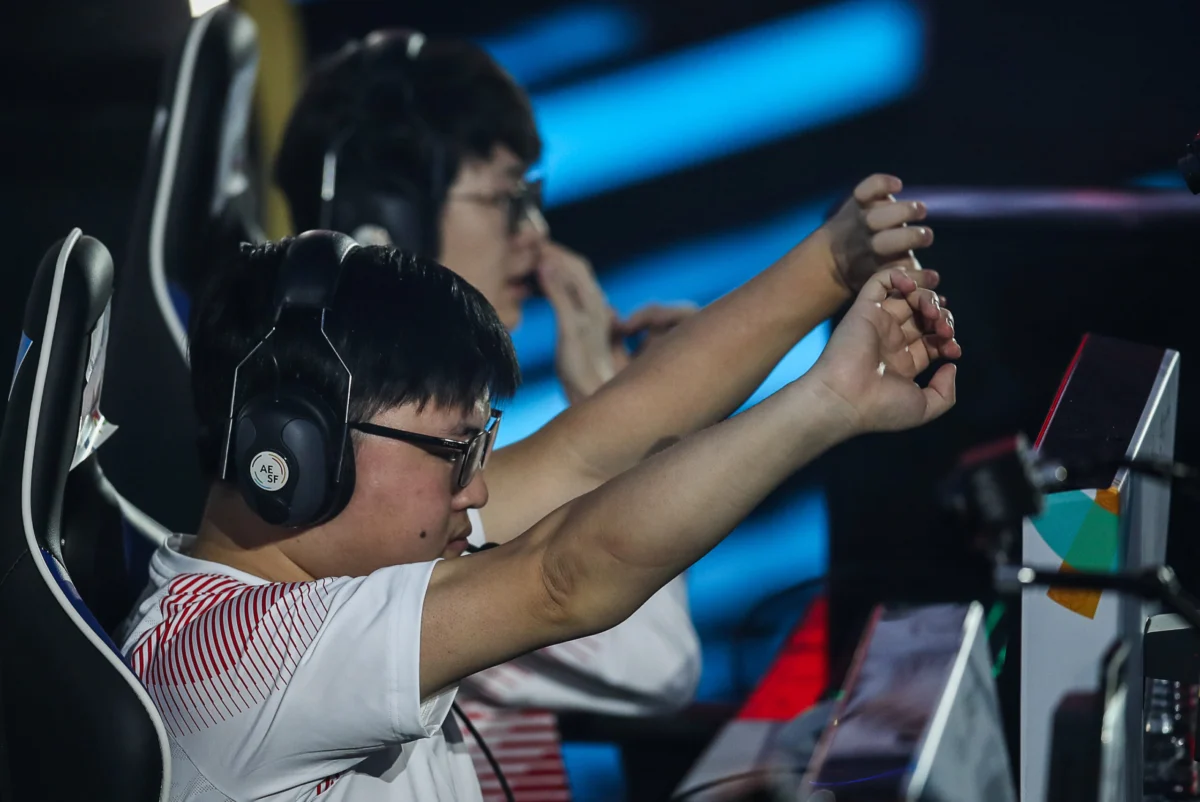
The narrative surrounding professional esports often overlooks the intense physical and mental toll it exacts on its athletes, a reality starkly exemplified by the career of Chinese League of Legends legend Jian "Uzi" Zi-hao. More than just a star player, Uzi was a transcendent talent whose unique playstyle as an Attack Damage Carry (ADC) fundamentally reshaped team strategies. His unparalleled mechanics, aggressive positioning, and uncanny ability to carry games even from a disadvantage led his teams, most notably Royal Never Give Up (RNG), to funnel significant resources into him and his support partner, Shi "Ming" Sen-Ming. This "funnel strategy" became synonymous with Uzi’s dominance, highlighting how deeply his individual abilities influenced competitive meta-games. Throughout a decorated career, Uzi amassed over $500,000 in tournament prize money, securing numerous domestic titles in the LPL (League of Legends Pro League) and an international Mid-Season Invitational (MSI) championship in 2018, solidifying his status as one of the greatest players to ever grace the game.
Yet, despite his immense success and undeniable skill, Uzi’s storied journey was tragically cut short. In 2020, at the nascent age of 23, he announced his retirement, citing chronic wrist and arm injuries, alongside a diagnosis of Type 2 diabetes. The news sent shockwaves through the global League of Legends community, serving as a sobering reminder that the seemingly sedentary world of esports demands a profound physical sacrifice. His premature departure underscored a growing concern within the industry: while video games traditionally conjure images of leisure and couch-bound entertainment, competitive esports, at its highest echelons, is a surprisingly physically and mentally taxing endeavor, demanding peak performance from athletes whose careers can be as fleeting as those in traditional sports.
The "grind" is a ubiquitous term in esports, reflecting the punishing schedules endured by elite players. They are expected to dedicate upwards of 10 to 14 hours daily to rigorous practice, participate in intensive scrimmages against other professional teams, meticulously review game footage (VODs), and compete in high-stakes official matches. Even at recreational levels, aspiring players chasing the dream of "climbing the ladder" – improving their rank to reach higher tiers of competition – report significant mental and physical strain. This relentless pursuit of perfection, fueled by the highly competitive nature of online ranked play, often leads to prolonged screen time and a sedentary lifestyle, paving the way for a range of health issues.
A 2021 study focusing on Portuguese esports players illuminated the pervasive mental health challenges within the community, revealing that a staggering 37% experienced symptoms of anxiety and depression, while 45% grappled with sleep disturbances. The pressure to perform, the constant public scrutiny from passionate fanbases, the ever-present threat of being replaced, and the transient nature of contracts all contribute to a highly stressful environment. Burnout is a significant concern, with players often struggling to maintain mental fortitude amidst intense training regimens and emotional demands. This mental toll is compounded by the physical strain, creating a vicious cycle where poor sleep exacerbates anxiety, and stress can manifest in physical symptoms.
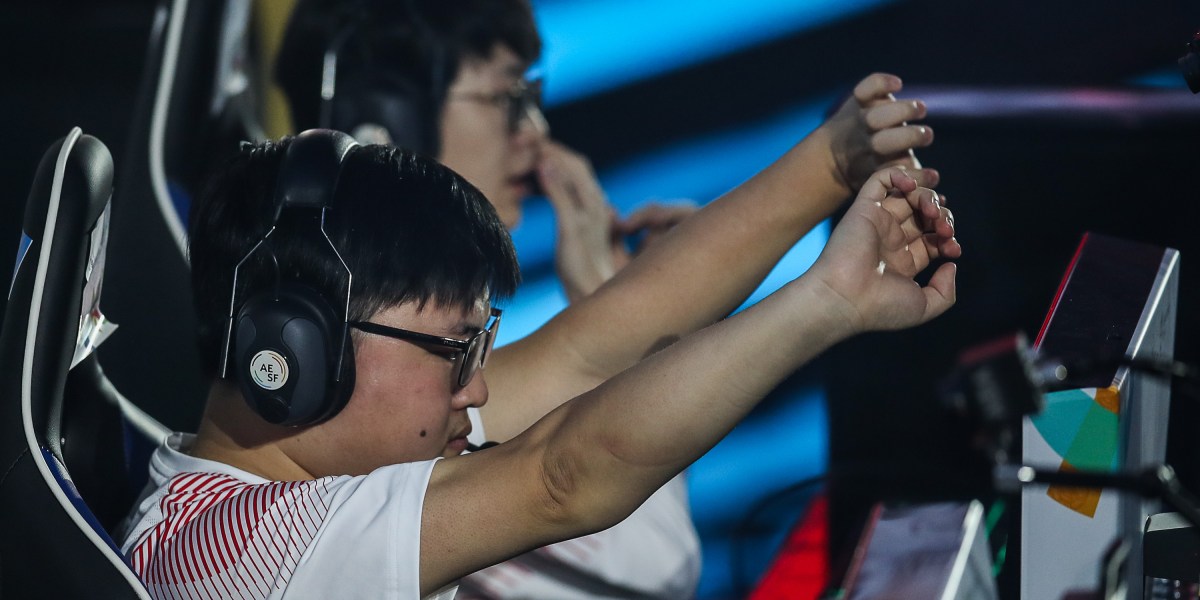
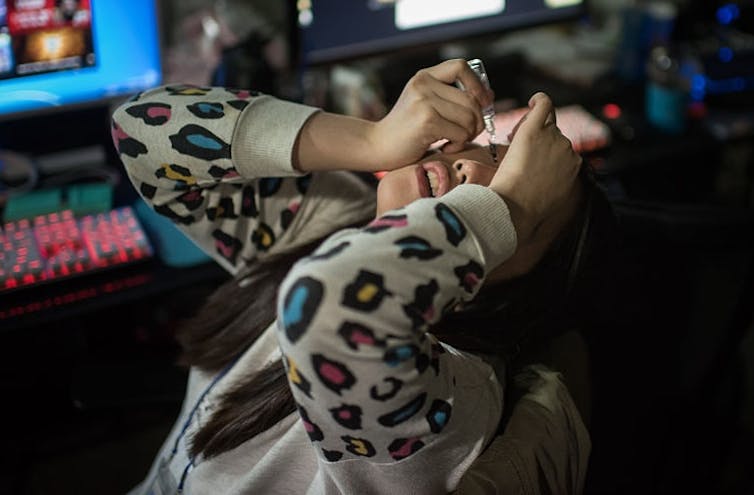
The most common physical injuries in esports broadly fall into two categories: ocular issues and musculoskeletal disorders. Prolonged exposure to digital screens, characteristic of professional gaming, leads to a variety of vision problems. These range from common eye fatigue, characterized by discomfort, dryness, and blurred vision, to more severe conditions like computer vision syndrome (CVS) and a decreased ability to focus. The constant rapid eye movements required to track on-screen action, combined with reduced blink rates during intense concentration, contribute significantly to these issues. Furthermore, the blue light emitted from screens has been scientifically shown to disrupt the body’s natural circadian rhythm by suppressing the release of melatonin, the hormone crucial for regulating the sleep-wake cycle. This disruption not only leads to sleep disturbances but can also impact overall cognitive function, reaction time, and emotional regulation – all critical for esports performance. Preventative measures often include the "20-20-20 rule" (every 20 minutes, look at something 20 feet away for 20 seconds), proper screen brightness and distance, blue light filters, and regular eye drops to combat dryness.
Beyond the eyes, the hands, wrists, and arms of esports players bear the brunt of repetitive strain. Many professional and amateur gamers experience hand and wrist pain due to the constant, rapid, and precise movements required for button presses, mouse clicks, and joystick manipulation. This repetitive stress can lead to a host of debilitating conditions, including carpal tunnel syndrome (compression of the median nerve in the wrist), various forms of tendonitis (inflammation of tendons, particularly in the wrist and forearm), and "gamer’s thumb" (De Quervain’s tenosynovitis), which arises from overuse or irritation of the tendons around the thumb and wrist. These overuse injuries are strikingly similar to those observed in assembly-line workers, whose jobs involve similarly repetitive and precise manual tasks over extended periods. The high APM (Actions Per Minute) demanded by games like League of Legends or StarCraft II places immense stress on these delicate structures.
Moreover, the prolonged sedentary nature of esports poses significant risks to the spine and lower back. Players can remain seated for three, four, or even more hours without a substantial break, often adopting poor postures due to intense focus or poorly designed workstations. This sustained static loading on the spine can lead to lower back pain, neck stiffness, disc degeneration, and postural imbalances. Ergonomic chairs, proper desk height, and regular breaks incorporating stretching and movement are crucial for mitigating these risks.
Perhaps most alarmingly, the sedentary lifestyle of esports athletes has been linked to a lesser-known but potentially fatal condition: deep vein thrombosis (DVT). DVT involves the formation of a blood clot, most commonly in the deep veins of the leg. If this clot dislodges and travels to the lungs, it can cause a pulmonary embolism, a life-threatening medical emergency. The tragic case of British gamer Chris Staniforth in 2011, who died of a pulmonary embolism after playing for up to 12 hours at a time, brought this hidden danger into stark public awareness. This incident highlighted the critical need for regular movement, hydration, and awareness of DVT symptoms among gamers.
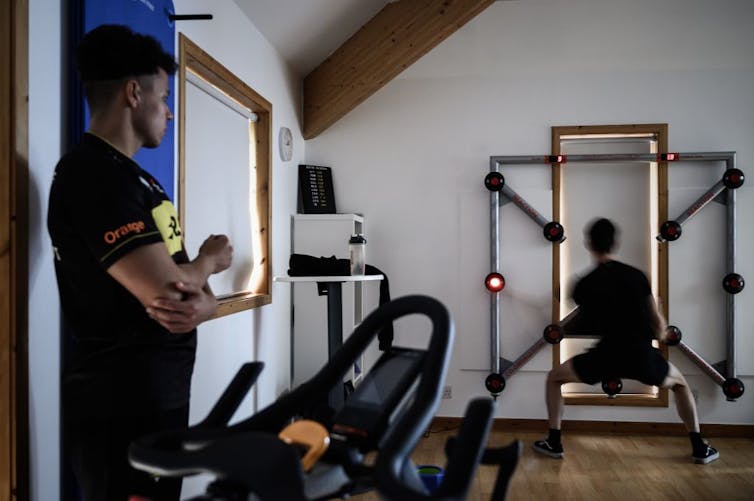
As the esports industry has matured and the prevalence of these injuries has become more apparent, a growing body of research has emerged, leading to the development of sophisticated treatment and prevention strategies. Recognizing the need for specialized care, top esports teams have begun to integrate comprehensive medical and performance support staff, mirroring the infrastructure of traditional professional sports organizations. This includes physical therapists who design targeted exercise programs and rehabilitation protocols, performance psychologists who address mental resilience, stress management, and team dynamics, athletic trainers focused on injury prevention and immediate care, nutritionists who optimize diet for cognitive function and physical health, sleep specialists, and even massage therapists to aid in muscle recovery and reduce tension.
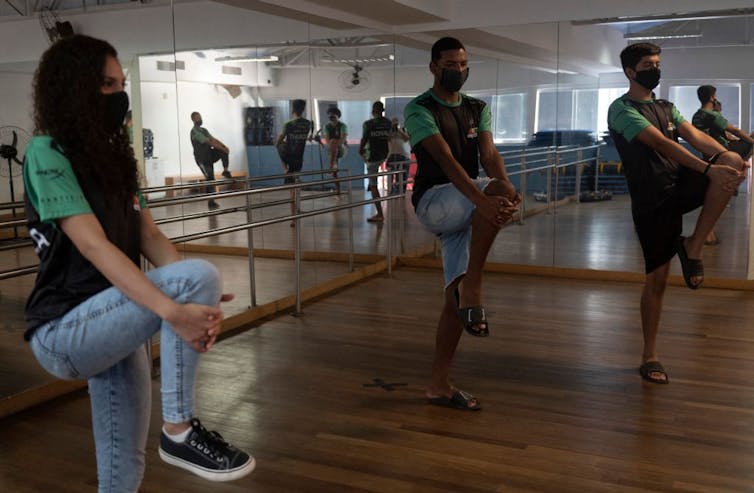
Teams now frequently incorporate group exercise activities into their daily routines, not only to build camaraderie and team cohesion but also to actively reduce the risk of injuries. These activities often involve a mix of cardiovascular conditioning, strength training focused on core stability and functional movements, and flexibility exercises to improve range of motion in the wrists, hands, and shoulders. During competition and practice, proper ergonomic positioning of the spine, limbs, and peripherals has become an essential injury prevention strategy. Selecting a chair that encourages an upright, neutral posture, positioning monitors at eye level, and ensuring keyboard and mouse are comfortably accessible are fundamental. When gamers couple these ergonomic principles with a consistent exercise program centered on functional strength, mobility, and stretching of the upper limbs, the risk of pain and injury is significantly reduced.
The evolution of esports as a global phenomenon, gaining mainstream popularity in the 1990s and early 2000s, was often driven by proponents eager to draw parallels with traditional athletic competition. These comparisons were instrumental in establishing esports’ legitimacy and providing a familiar framework for non-gamers to comprehend the competitive landscape. As esports blossomed into a multi-billion dollar industry and a lucrative career path, the professional ecosystem began to mimic traditional sports, with players and teams investing heavily in a web of support staff – trainers, coaches, and therapists – dedicated to optimizing performance and mitigating health risks. Consequently, much of the initial esports injury research and prevention strategies have been adapted from the established methodologies of traditional sports medicine.
However, as Erica D. Henn, an Assistant Professor of Kinesiology and Exercise Science at Temple University and a scholar in exercise science, points out, future injury treatment and prevention strategies could be profoundly enhanced by viewing esports competitors through a different lens: one that sees them as more akin to professional musicians and dancers than football or basketball players. This perspective offers a valuable, largely untapped resource, given that performance optimization and injury research on professional performing artists has existed for centuries. The physical and mental stresses experienced during musical performance bear striking similarities to esports competition: long periods of static sitting, intricate and highly dexterous hand movements, the immense mental pressure of live performance, and the absence of real-time coaching input during critical moments.
For instance, biomechanics research has already identified similar patterns of forearm muscle fatigue among esports players and classical piano players. While no direct comparative studies have been conducted to date, the physiological demands on the hands, wrists, and forearms – characterized by rapid, repetitive, and fine motor control – present a compelling area for cross-disciplinary research. Imagine if the extensive understanding of joint hypermobility or the impact of hand size on performance among performing artists were translated and applied to esports populations. Could popular piano warm-up exercises, designed to enhance dexterity, flexibility, and prevent injury, be effectively adapted for esports athletes who rely heavily on keyboards and mice? Such interdisciplinary approaches could unlock novel and highly effective preventative measures.
Even niche areas of research, such as those concerning professional car racing, might offer valuable insights. As with gamers, many observers often overlook how physically demanding car racing can be – including prolonged periods of intense concentration while seated. Drivers experience significant G-forces, high temperatures, and sustained mental load, leading to specific physical conditioning and injury prevention protocols that could hold lessons for esports athletes.
The field of esports health and performance is continuously evolving, with prevention and rehabilitation techniques improving year by year. A testament to this progress is the return of Jian "Uzi" Zi-hao himself. Despite his initial retirement in 2020 due to severe injuries and health concerns, advanced rehabilitation and a better understanding of athlete care allowed him to return to play for a few splits, or partial seasons, in both 2022 and 2023, showcasing the potential for career longevity with proper management.
Another prominent example is Lee "Faker" Sang-hyeok, widely regarded as the greatest League of Legends player of all time. In July 2023, Faker was sidelined due to cubital tunnel syndrome, a condition caused by the compression or irritation of the ulnar nerve in the elbow, often resulting from arm and hand overuse. This injury, a common ailment among esports professionals, threatened to derail his season. However, through a meticulously designed treatment plan that included significant adjustments to his gaming posture, intensive physical therapy, and the unwavering support of his team’s medical staff, Lee was able to make a triumphant return to play just one month later. He subsequently led his team, T1, to win three consecutive world championships, with his dedicated support team playing a crucial role in preventing injury recurrence throughout each demanding season.
Thanks to the advancements in esports rehabilitation and comprehensive athlete care, Faker’s fans eagerly anticipate following his hunt for an unprecedented fourth League of Legends World Championship, which is scheduled to kick off in October 2026 in the United States. The journey of players like Uzi and Faker not only highlights the brutal physical and mental demands of professional gaming but also underscores the vital, evolving role of sports science, medicine, and interdisciplinary research in safeguarding the health and extending the careers of these modern-day gladiators.
Sienna Cinti assisted with the research and writing of this article.
Erica D. Henn, Assistant Professor of Kinesiology and Exercise Science, Temple University
This article is republished from The Conversation under a Creative Commons license. Read the original article.
