
 By admin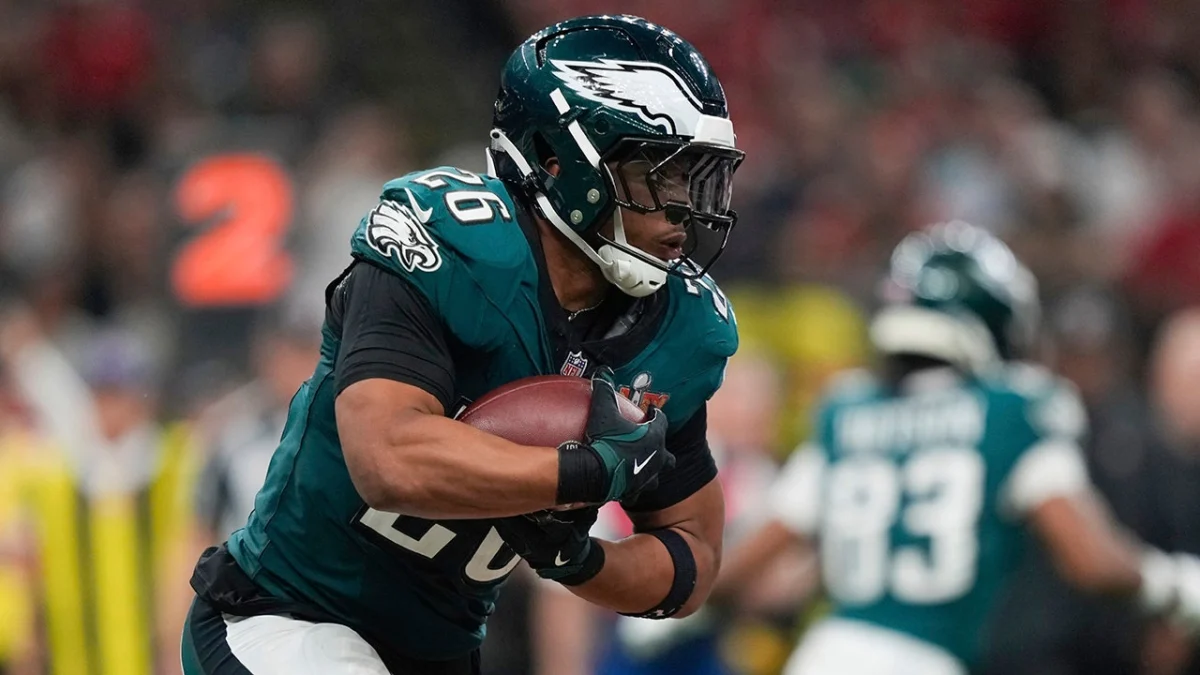
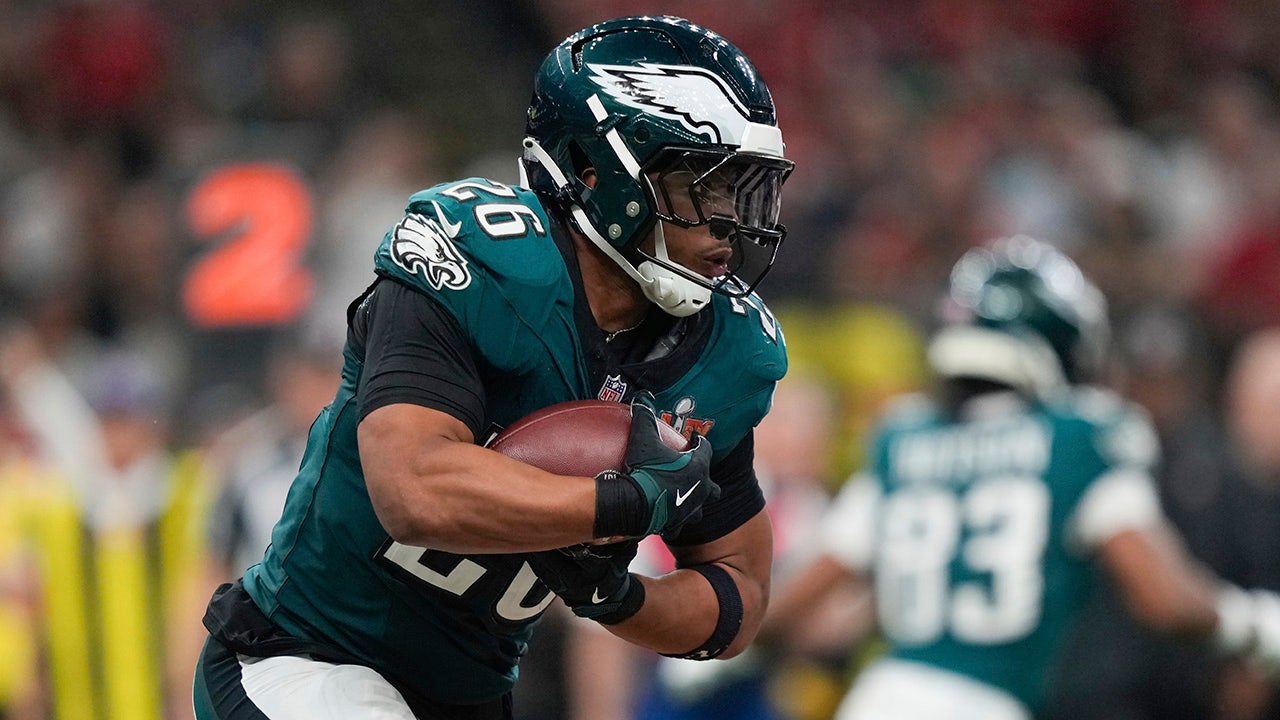
Philadelphia Eagles running back Saquon Barkley, a prominent figure in the NFL, has voiced his strong support for Major League Baseball players in their ongoing dispute over the potential implementation of a salary cap. Barkley, who himself has experienced the sharp end of contract negotiations in a salary-cap sport, draws parallels between his NFL journey and the current MLB labor discussions, emphasizing the importance of player compensation and the inherent risks athletes undertake.
Barkley’s own career trajectory serves as a poignant example of the financial uncertainties faced by top-tier running backs in the NFL. Just one season after the New York Giants opted not to extend his lucrative contract, Barkley rebounded with a phenomenal 2,000-yard rushing season and earned the Offensive Player of the Year award. This remarkable performance highlighted his immense value, even as the league, prior to a recent shift, had demonstrably undervalued the running back position. General managers often perceived the position as less critical, leading to a revolving door of talent and a reluctance to commit long-term, high-value contracts. While elite players still command significant deals, the landscape for many running backs had been characterized by a lack of security and consistent earning potential.
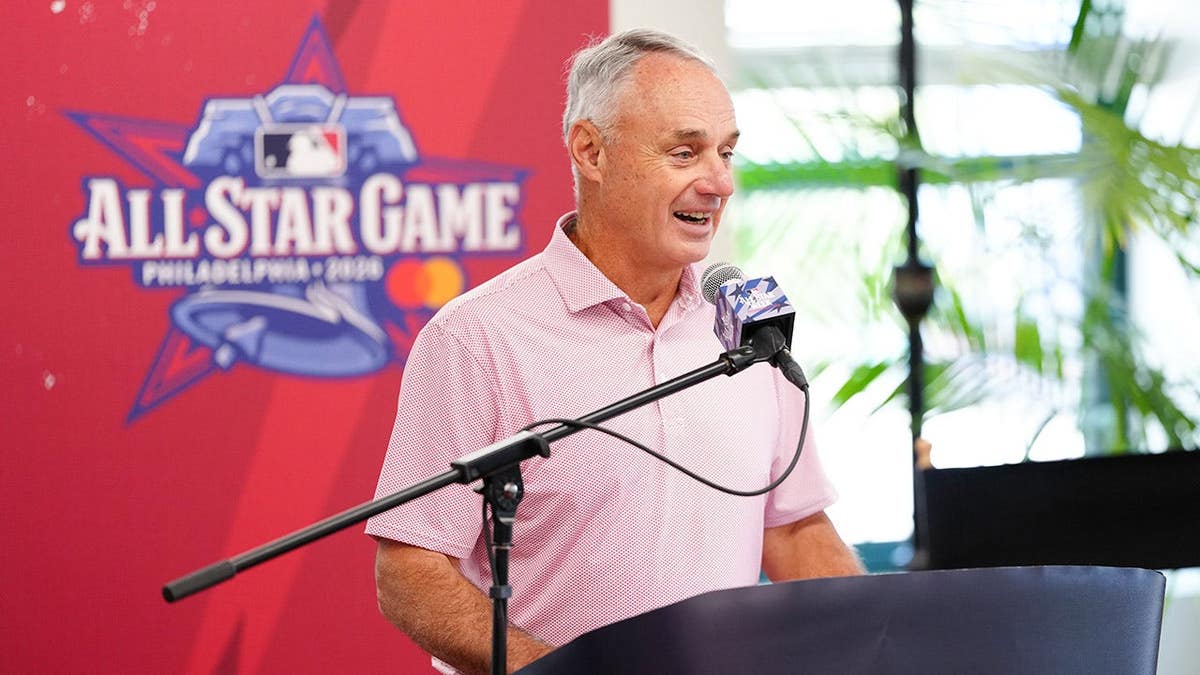
The contrast between the NFL and MLB regarding player contracts has historically been stark. Baseball, operating without a salary cap for decades, has seen astonishingly large contracts, with some players securing deals worth upwards of $700 million. This financial model has largely shielded MLB players from the "cap casualties" that can affect athletes in sports with payroll limitations. However, the dynamics are shifting. For the first time since the player lockout and strike that canceled the 1994 World Series, MLB owners have officially proposed the introduction of a salary cap. This proposal has been met with fierce resistance from the MLB Players Association, who maintain that a salary cap is a non-negotiable issue.
Barkley’s stance is unequivocally with the players. Speaking to Fox News Digital, he articulated his core belief: "Whatever is best for the players, I’m with that. Whatever is for the players." He acknowledged the power dynamic between owners and players but stressed the physical toll that professional athletes endure. "We go out there and sacrifice our bodies. Athletes go out there and sacrifice their bodies. I’m not under the pressure of, ‘Oh, you’re an athlete. Go out there and do what you’re told.’ I don’t get with that at all," Barkley stated passionately. He firmly believes that athletes should be compensated commensurate with their contributions and the risks they assume. "You should be compensated for what you’re doing, and however way you should be, that’s how it should be. If that’s what they believe over there, that they should have that, and that’s going to benefit them and help them provide for their families even more, then why not? It should happen."
The historical context of MLB’s labor relations is crucial to understanding the current standoff. The 1994-95 MLB strike, triggered by owners’ attempts to impose a salary cap, was a bitter and protracted labor dispute that resulted in the cancellation of the World Series. This event left a lasting scar on the sport and solidified the players’ resolve against such measures. The current proposal by owners, particularly in light of the substantial financial disparities that can exist between teams, is viewed by the players as an attempt to suppress salaries and limit competitive balance, rather than a genuine effort to ensure the long-term financial health of the league.
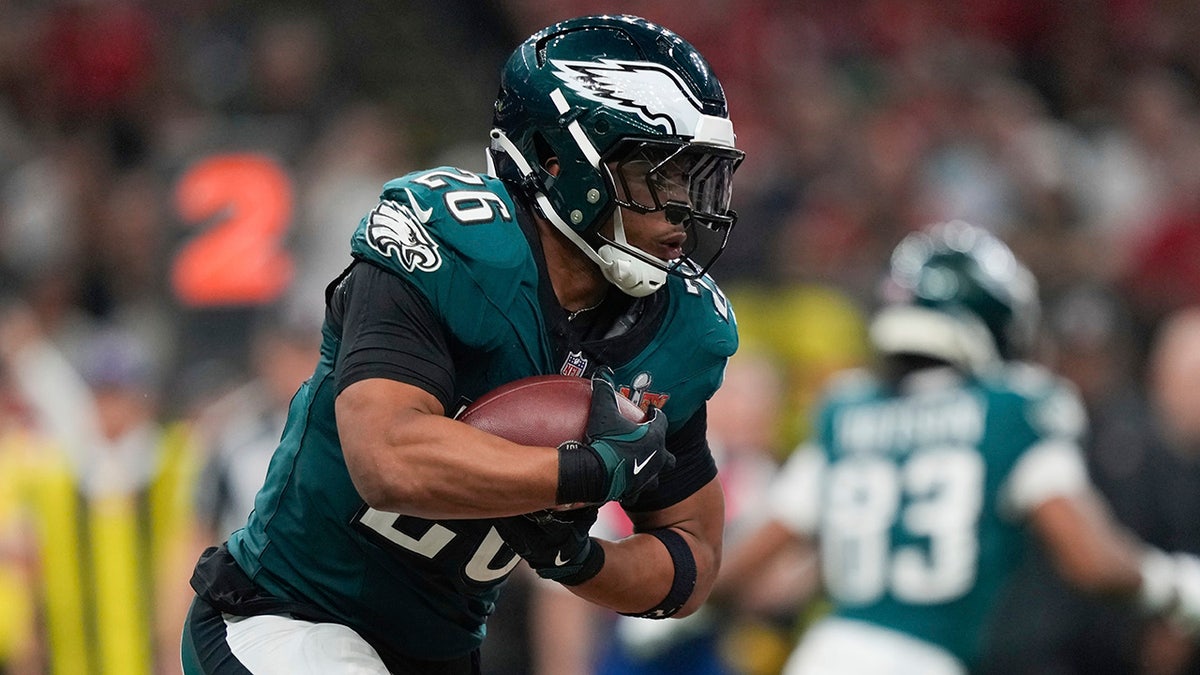
Barkley, recognizing his platform as a high-profile athlete, feels a sense of responsibility to speak out. "Surely, Barkley and other athletes are probably a bit jealous," he admitted, referencing the vast contracts seen in baseball. He also acknowledged his role as "quote-unquote, one of the faces of the league," implying a duty to advocate for fellow athletes. However, he expressed a realistic assessment of the path forward for NFL players, suggesting that achieving a similar level of guaranteed financial security and player empowerment might require more effort. "I don’t know if that’s going to happen for us. I think we’ve got a little more work to do for that. We’ve got to continue to be more vocal. We’ve got to continue to educate ourselves on it," he explained. Barkley reiterated his commitment to supporting players’ interests, stating, "I need to do that. I actually had this conversation the other day with my family. But yeah, I’m all for the players, and what the players think is great for them, I agree with it."
The looming threat of an owners’ lockout in MLB, should a new collective bargaining agreement not be reached by December 1st, underscores the gravity of the situation. The salary cap remains the central sticking point, with the two sides reportedly at a significant impasse. This divergence in priorities and perspectives highlights the deep-seated differences in how the economic structure of the sport should be managed. While owners may argue that a cap is necessary to prevent smaller market teams from being perpetually outspent, players view it as a direct attack on their earning potential and a fundamental shift away from the principles that have defined baseball’s economic model for decades.
The debate over salary caps is a complex one, with valid arguments on both sides. Proponents often cite the potential for increased competitive balance, arguing that a cap prevents teams with the largest revenue streams from dominating the league year after year. This, in theory, could lead to more parity and more exciting, unpredictable seasons, ultimately benefiting the fans. Furthermore, a cap can provide owners with greater financial predictability and control over their payrolls, potentially mitigating the risk of financial instability for individual franchises.
However, opponents, like Barkley and the MLB Players Association, emphasize the inherent value of individual talent and the risks athletes take. They argue that a salary cap artificially limits the market value of players and can lead to a situation where the most talented individuals are not adequately compensated for their contributions. The argument that players sacrifice their bodies and dedicate their lives to their sport is a powerful one, and many believe that they should be rewarded accordingly, without artificial constraints on their earning potential. The "luxury tax" system, which some leagues employ as an alternative to a hard cap, allows teams to exceed a certain payroll threshold but at a significant financial penalty. This system aims to strike a balance between financial control for owners and fair compensation for players.
Barkley’s perspective, shaped by his experiences in the NFL, offers a valuable insight into the player’s viewpoint. His willingness to speak out and align himself with the MLB players demonstrates a broader solidarity among athletes facing similar economic challenges. As the negotiations in Major League Baseball continue, the echoes of past labor disputes and the potential for future disruptions serve as a stark reminder of the ongoing power struggle between players and owners across professional sports. The outcome of these discussions will not only shape the future of baseball’s economic landscape but also serve as a significant benchmark in the broader conversation about athlete compensation and player empowerment in the modern era of professional sports. The involvement of prominent figures like Saquon Barkley amplifies the players’ message and underscores the critical importance of these negotiations for the livelihoods and careers of athletes across all major leagues.
