
 By admin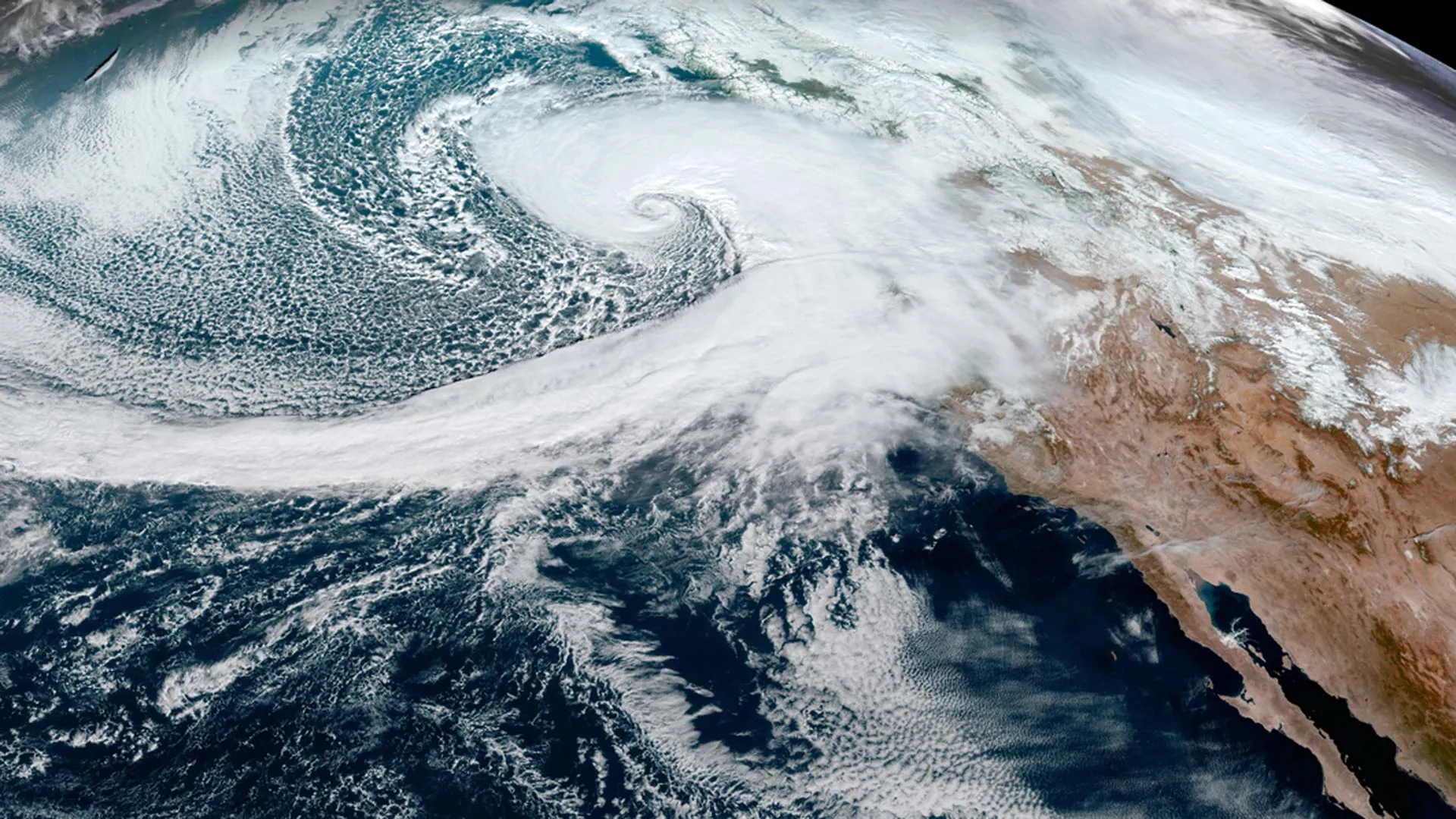
At the heart of this global climate engine is the Atlantic Meridional Overturning Circulation, or AMOC. Often described as a vast, planetary conveyor belt, the AMOC is a colossal system of ocean currents that plays an indispensable role in regulating Earth’s climate. Its primary function involves transporting warm, salty tropical water northward from the equator, primarily along the surface of the Atlantic. This northward flow of heat is instrumental in moderating the climates of regions like Western Europe, keeping them considerably milder than other areas at similar latitudes. As this warm water reaches higher latitudes, it gradually cools, becomes denser due and more saline from evaporation, and subsequently sinks to the deep ocean floor. From there, it begins its slow journey southward, completing the loop. This continuous circulation helps distribute heat around the globe, making it a critical component of the global climate system.
The scientific community has, for some time, recognized that the AMOC is slowing down. However, the precise extent to which this deceleration might influence atmospheric moisture and storm patterns outside the immediate Atlantic basin has remained largely unknown. This new research, led by Mohima Mimi, a doctoral student in climate dynamics at UCR and the paper’s lead author, delves into these complex, distant interactions. "It is well known that the AMOC is a big player in the world’s climate system, and that it is slowing down," Mimi explained. "What we didn’t know is exactly how the AMOC might impact atmospheric moisture and storms outside the Atlantic region." The study’s findings are stark: "It turns out a weakening AMOC will strengthen storms across parts of North America by the end of the century, along the California coast in particular, while reducing them over Greenland and the Arctic." This revelation paints a picture of a climate system where regional changes can trigger cascading global impacts, fundamentally altering weather patterns far from their origin.
Published in the esteemed journal Nature Communications, the study employed advanced climate modeling techniques to simulate the complex interplay between a weakening AMOC and global atmospheric dynamics. The researchers found that a reduction in the AMOC’s strength could instigate a series of climatic adjustments. Firstly, it would significantly alter ocean temperatures across various basins, not just the Atlantic. A weakened AMOC would mean less heat transport to the North Atlantic, potentially leading to regional cooling there, but also potentially affecting temperature gradients in other oceans through teleconnections. These shifts in sea surface temperatures, in turn, influence the amount of moisture the atmosphere can hold, as warmer air can hold more water vapor, and altered temperature patterns can shift atmospheric circulation. Secondly, and critically, the study projects that a weakening AMOC could strengthen high-altitude winds, specifically the jet streams, which act as crucial guides for storm tracks across the Northern Hemisphere. These powerful ribbons of air dictate the pathways and intensity of weather systems, and their alteration has profound implications for regional weather.
For California, these strengthened winds are projected to become a conduit for more intense atmospheric rivers. These long, narrow bands of concentrated water vapor originate in tropical regions and efficiently transport immense quantities of moisture toward higher latitudes. Atmospheric rivers are a geological and climatological paradox for California: they are indispensable for the state’s water supply, often accounting for 30% to 50% of its annual precipitation from just a few events. However, their increasing intensity, as predicted by the UCR study, carries a significant risk of severe flooding, widespread damage, and landslides. Mimi aptly described atmospheric rivers as a "double-edged sword" for California, noting, "They supply much of the state’s water supply, but as they become stronger, they’re likely to also bring widespread destruction." The state has already experienced the devastating consequences of increasingly powerful atmospheric rivers in recent years, oscillating between periods of extreme drought and intense deluges, a phenomenon often referred to as "precipitation whiplash." Such events strain infrastructure, endanger lives, and present immense challenges for water management and disaster preparedness.
The climate modeling also points to broader, worldwide shifts in storm patterns. Beyond California, the eastern coast of South America and regions around Antarctica are projected to experience an increase in atmospheric river activity. For South America, this could mean altered rainfall patterns crucial for agricultural regions and ecosystems like the Amazon rainforest. Around Antarctica, increased moisture delivery could impact sea ice formation, glacial dynamics, and regional weather systems, with potential implications for global sea-level rise. Conversely, the study predicts a reduction in storm frequency over Greenland and the broader Arctic region. Fewer storms would lead to significantly less snowfall, directly contributing to slower ice accumulation and potentially accelerating the overall melting of the Greenland ice sheet, which is already a major contributor to global sea-level rise. This complex redistribution of moisture and storm energy underscores the systemic nature of climate change, where distant phenomena are intimately linked.
These projected changes are rooted in a high greenhouse gas emissions scenario, typically referred to as SSP5-8.5 or a similar pathway, in which the AMOC continues its weakening trend throughout the 21st century. This scenario represents a future where human societies fail to significantly curb emissions, leading to substantial global warming. Scientists have, in fact, already observed clear signs that the AMOC is decelerating, a trend largely attributed to human-caused climate change and the resultant rise in global temperatures. Factors contributing to this weakening include the influx of freshwater from melting glaciers and ice sheets in the Arctic and Greenland, which reduces the salinity and thus the density of the surface waters, hindering their ability to sink. Additionally, surface warming in the North Atlantic also reduces water density, further impeding the overturning circulation. Climate models, including those from the Intergovernmental Panel on Climate Change (IPCC), consistently indicate that this decline is highly likely to continue, and potentially accelerate, if greenhouse gas emissions remain at their current high levels or continue to increase. Some scientists even warn of a potential "tipping point" where the AMOC could undergo an abrupt and irreversible collapse, though the timeframe for such an event remains a subject of active research and considerable debate. A full collapse, while not predicted for the near future by most models, would have catastrophic global implications, drastically altering climate patterns, marine ecosystems, and human societies worldwide.
The imperative to address the root causes of climate change becomes even more apparent in light of these findings. Greenhouse gases, the primary drivers of global warming, mainly originate from the combustion of fossil fuels such as coal, oil, and natural gas for energy, transportation, and industrial processes. Other significant anthropogenic sources include methane emissions from livestock agriculture and landfills, deforestation which reduces carbon sinks, and various industrial activities. Wei Liu, an associate professor of climate change at UCR and the paper’s senior author, emphasized the critical role of mitigation efforts. He stated that "reducing these emissions could limit their effects on the AMOC and lessen the current’s influence on future rainfall patterns." Global efforts, such as the Paris Agreement, aim to galvanize nations into setting ambitious targets for emissions reductions, transitioning to renewable energy sources, improving energy efficiency, and adopting sustainable land use practices.
Beyond mitigation, adaptation strategies are equally crucial, particularly for regions like California facing an amplified threat from atmospheric rivers. While stronger atmospheric rivers undoubtedly raise the threat of severe flooding and extensive infrastructure damage, they also present potential opportunities for enhanced water management. If communities can significantly improve forecasting capabilities, leveraging advanced satellite technology and atmospheric river observatories, and concurrently expand water storage systems—including traditional reservoirs and increasingly, managed aquifer recharge projects—they could potentially capture and store additional water from these intense events. This could help bolster water supplies during prolonged dry periods and improve resilience against future droughts, transforming a destructive force into a valuable resource through strategic planning and investment in infrastructure. However, such adaptation requires foresight, significant investment, and integrated water management policies that consider both flood control and water conservation.
The results of the UCR study serve as a potent reminder of the deep and often surprising connections within Earth’s complex climate system. A perturbation in one major ocean current, thousands of miles away in the Atlantic, can trigger a cascade of atmospheric and oceanic responses that ultimately reshape rainfall patterns and intensify extreme weather events across several continents. These changes profoundly affect vital ecosystems, critical water supplies, and the resilience of human communities globally. "This research shows that the effects of the AMOC extend far beyond the Atlantic Ocean," Mimi concluded. "Understanding these connections will help us better prepare for future changes in water resources and extreme weather." The urgency of this understanding cannot be overstated. As the planet continues to warm, the interconnectedness of its systems means that no region is truly isolated from the consequences of climate change, demanding a unified global response to both mitigate emissions and adapt to the inevitable changes already underway.
