
 By admin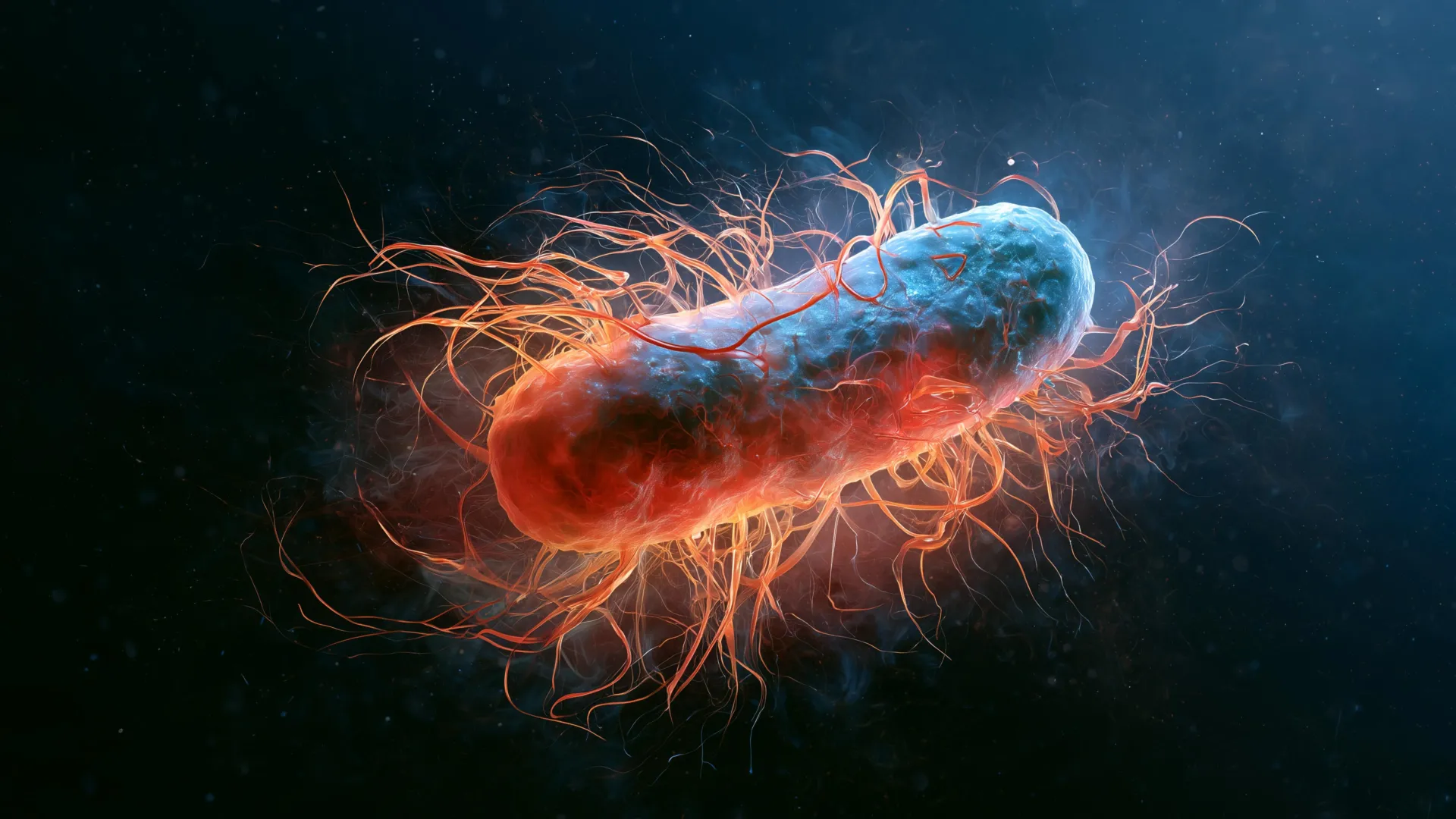
The global population is experiencing an unprecedented demographic shift, with an ever-growing proportion of individuals living into old age. While extended longevity is often celebrated, it presents a formidable challenge: aging is inextricably linked to a gradual and inevitable decline in normal physiological function, making individuals more susceptible to a myriad of chronic diseases, including neurodegenerative disorders like Alzheimer’s and Parkinson’s, cardiovascular diseases, metabolic syndromes, and various cancers. The pursuit of effective anti-aging strategies has thus become a critical area of scientific inquiry, attracting immense investment and research effort worldwide. Historically, this quest has explored diverse avenues, from pharmaceutical interventions like rapamycin and metformin, which target cellular aging pathways, to genetic manipulations aimed at enhancing longevity. However, these approaches often grapple with significant hurdles, including concerns about safety, potential side effects, and the complexities of practical clinical translation to human populations. The need for novel, safe, and effective strategies remains paramount.
Against this backdrop, the research by Prof. Xu’s team introduces a radically different and intriguing approach: leveraging the unique properties of magnetotactic bacteria (MTB). These fascinating microorganisms are prokaryotes that possess the remarkable ability to sense and orient themselves along geomagnetic field lines, a phenomenon known as magnetotaxis. Their defining characteristic is the presence of specialized intracellular structures called magnetosomes. These are membrane-bound organelles that encapsulate biomineralized magnetic crystals, primarily magnetite (Fe3O4) or greigite (Fe3S4). These magnetosomes confer the bacteria with their magnetic properties, enabling them to navigate through aquatic environments and sediments, likely in search of optimal oxygen concentrations. Beyond their ecological roles, MTBs and their magnetosomes have garnered considerable attention in biomedical research due to their inherent magnetic properties and, critically, their demonstrated good biocompatibility. Researchers have explored their potential in diverse applications, ranging from targeted drug delivery, where external magnetic fields can guide bacteria or isolated magnetosomes to specific sites like tumors, to hyperthermia cancer therapy, where magnetosomes can be heated by alternating magnetic fields to destroy cancer cells. They have also shown promise in biosensing and environmental remediation. However, despite this burgeoning interest, their potential influence on the fundamental processes of aging and longevity has remained a largely unexplored frontier, making the current study particularly significant.
To delve into this uncharted territory, the researchers selected Magnetospirillum magneticum AMB-1, a well-characterized strain of MTB, and a widely accepted model organism for aging research, Caenorhabditis elegans. The choice of C. elegans is strategic and well-justified within the scientific community. This small, free-living nematode offers numerous advantages for studying complex biological processes like aging. Its short lifespan, typically just 2-3 weeks, allows for rapid experimentation and observation of generational effects. It is easy to culture in a laboratory setting and amenable to extensive genetic manipulation. Crucially, many of its fundamental aging pathways, including the insulin/IGF-1 signaling pathway, the mechanistic target of rapamycin (mTOR) pathway, mitochondrial function, and oxidative stress responses, are remarkably conserved with those found in mammals, including humans. Its transparent body allows for direct observation of internal organs and cellular processes, and its fully sequenced genome provides a comprehensive blueprint for molecular investigations. These attributes make C. elegans an invaluable tool for identifying potential anti-aging interventions and elucidating their underlying mechanisms before progressing to more complex mammalian models.
The results of the study were nothing short of astonishing. When C. elegans worms were treated with AMB-1, they exhibited a substantially extended lifespan. Quantitatively, their average lifespan increased by a remarkable 43.39%. This is not merely an incremental extension but a profound enhancement in longevity, underscoring the potent biological activity of the bacterium. Beyond simply living longer, the treated worms also demonstrated significantly improved healthspan, a critical distinction in aging research. Specifically, the AMB-1 treatment helped preserve crucial neurological function, which typically declines with age in C. elegans, manifesting as reduced mobility and coordination. While the specific metrics for neurological function in C. elegans often include assays like thrashing rate (a measure of spontaneous movement in liquid), pharyngeal pumping (indicative of feeding behavior and neuromuscular integrity), and chemotaxis (ability to sense and move towards attractants), the study highlights a delay in the age-related deterioration of these vital functions. Furthermore, the treatment maintained intestinal integrity in older worms. The intestine plays a vital role in nutrient absorption, waste elimination, and acts as a barrier against pathogens. Age-related decline in intestinal integrity can lead to increased permeability, chronic inflammation, and susceptibility to infection, all contributing to overall frailty. The preservation of these key physiological functions suggests that AMB-1 is not just extending life, but enhancing the quality of life during the extended period, a primary goal of anti-aging interventions.
A pivotal aspect of the investigation involved determining whether the production of magnetosomes was essential for this longevity-promoting effect. The researchers meticulously compared the effects of three different bacterial strains: wild-type AMB-1 (which naturally produces magnetosomes), reversibly non-magnetotactic RNM-AMB-1, and non-magnetotactic NM-AMB-1. The RNM-AMB-1 strain, while capable of producing magnetosomes, might do so under specific conditions or in a reduced capacity, or perhaps possess the genetic machinery but its expression is modulated. In contrast, the NM-AMB-1 strain is genetically deficient in its ability to produce magnetosomes. The results unequivocally indicated that the ability to produce magnetosomes played a major, if not indispensable, role in extending lifespan. Wild-type AMB-1, with its full complement of magnetosomes, produced the strongest and most consistent longevity effect. The RNM-AMB-1 strain showed a weaker but still noticeable effect, suggesting that even a reduced or transient presence of magnetosomes contributes to the benefit. Crucially, the non-magnetotactic NM-AMB-1 strain, lacking magnetosomes altogether, failed to extend lifespan in the worms. This elegant experimental design provides compelling evidence that the magnetosomes themselves, or processes directly linked to their production, are the key mediators of the anti-aging benefits observed. While the precise mechanism by which magnetosomes exert this effect remains an area for further investigation, several hypotheses can be considered: they might directly interact with host cellular components, modulate host iron metabolism by acting as a sink for excess iron, or influence cellular redox states. It’s also possible that the physical or chemical properties of the biomineralized iron crystals within the magnetosomes play a direct role.
Further experiments delved into the molecular mechanisms through which AMB-1 produced its remarkable effects, leading to the identification of ferroptosis suppression as the central pathway. Ferroptosis is a distinct form of regulated cell death characterized by iron accumulation and subsequent lipid peroxidation, a process where reactive oxygen species (ROS) damage polyunsaturated fatty acids in cell membranes. Unlike apoptosis, which involves organized cellular dismantling, or necrosis, which is often a consequence of acute injury, ferroptosis is specifically triggered by an imbalance in iron homeostasis and overwhelming oxidative stress to lipids. Iron acts as a catalyst in the Fenton reaction, generating highly reactive hydroxyl radicals that initiate lipid peroxidation. This process is normally counteracted by the enzyme glutathione peroxidase 4 (GPX4), which reduces lipid hydroperoxides to less reactive lipid alcohols. A decline in GPX4 activity or an overwhelming surge in iron and lipid peroxidation can thus trigger ferroptosis.
Ferroptosis is increasingly recognized as a critical contributor to the pathogenesis of various age-related diseases. It has been implicated in neurodegenerative conditions like Alzheimer’s disease, Parkinson’s disease, and Huntington’s disease, where iron dysregulation and oxidative stress are prominent features. It also plays a role in cardiovascular diseases, acute kidney injury, and even certain cancers, where targeting ferroptosis can act as a tumor suppressor mechanism. Therefore, the ability to effectively suppress ferroptosis holds immense therapeutic potential for mitigating age-related decline and preventing chronic diseases.
The researchers observed that AMB-1 treatment significantly reduced iron buildup within the C. elegans worms. This is a critical observation, as iron overload is a hallmark of ferroptosis and a potent driver of oxidative damage. The magnetosomes, being iron-rich structures, might play a role in sequestering or buffering free iron, thus preventing its participation in harmful Fenton reactions. Concurrently, the bacteria lowered lipid peroxidation levels, a direct indicator of reduced oxidative damage to cellular lipids. By reducing both the iron accumulation and the subsequent lipid peroxidation, AMB-1 effectively dismantled the core components that drive ferroptosis.
Genetic analysis further solidified the link between AMB-1’s action and ferroptosis regulation. The study identified the involvement of several ferroptosis-related pathways and specific genes in AMB-1-mediated lifespan regulation. Among these were ftn-1, bli-3, and ads-1. The gene ftn-1 is likely associated with ferritin, an iron storage protein. Modulation of ftn-1 expression could impact the availability of free iron, thereby influencing ferroptosis susceptibility. bli-3 is a dual oxidase, an enzyme known to generate reactive oxygen species, and its regulation by AMB-1 could directly reduce oxidative stress. While ads-1 requires further characterization in the context of ferroptosis, its involvement suggests a broader network of cellular stress responses or lipid metabolism pathways being influenced by the bacterium. The intricate interplay of these genes underscores a sophisticated mechanism through which AMB-1 orchestrates ferroptosis suppression, leading to enhanced longevity and healthspan.
According to the researchers, these findings represent a significant leap forward, establishing a novel microbial strategy for anti-aging intervention. The identification of magnetotactic bacteria, specifically AMB-1, as a longevity-promoting agent that acts by suppressing ferroptosis, opens up an entirely new avenue for therapeutic development. This foundational evidence could profoundly impact the field of geriatric medicine, providing a strong basis for exploring broader applications of MTBs.
Looking ahead, the implications of this research are far-reaching. The immediate next steps will involve translating these promising results from the C. elegans model to more complex mammalian systems, such as mice and rats. This will necessitate rigorous testing for safety, efficacy, and long-term effects of AMB-1 administration in organisms with more sophisticated immune systems and physiological processes. Researchers will need to determine optimal dosages, delivery methods (e.g., oral administration as a probiotic, targeted delivery), and whether the benefits are sustained over a mammalian lifespan. A deeper understanding of the precise molecular interactions between the bacterial components, particularly the magnetosomes, and host cells is crucial. Is it the iron core of the magnetosome, its unique crystalline structure, the surrounding organic membrane, or specific secreted metabolites from the bacterium that mediate the effect? Furthermore, exploring whether isolated magnetosomes, or even specific compounds derived from them, could replicate the anti-aging effects without the need for live bacteria could simplify therapeutic development and reduce potential risks.
The potential for MTBs in geriatric medicine extends beyond direct lifespan extension. They could be engineered to deliver specific anti-aging compounds, act as biological modulators of host iron metabolism, or even serve as diagnostic tools for early detection of ferroptosis-related conditions. The prospect of using a biocompatible microorganism to combat age-related decline offers an exciting alternative to synthetic drugs, potentially offering a more natural and integrated approach to improving human healthspan. However, significant challenges remain, including ensuring the long-term safety of introducing magnetotactic bacteria into the human body, understanding their interaction with the existing gut microbiome, and addressing any potential immunological responses. The ethical considerations of significantly extending human lifespan also warrant careful discussion as such technologies advance.
In conclusion, the pioneering work by Professor An Xu and his team has illuminated an entirely new frontier in anti-aging research. By demonstrating that Magnetospirillum magneticum AMB-1 can extend healthy lifespan in C. elegans through the suppression of ferroptosis, they have not only provided compelling evidence for a novel microbial anti-aging strategy but have also underscored the critical role of ferroptosis in the aging process. This discovery paves the way for a new class of therapeutic agents rooted in the unique biology of magnetotactic bacteria, offering profound promise in the ongoing global effort to combat age-related diseases and enhance human health and longevity.
