
 By admin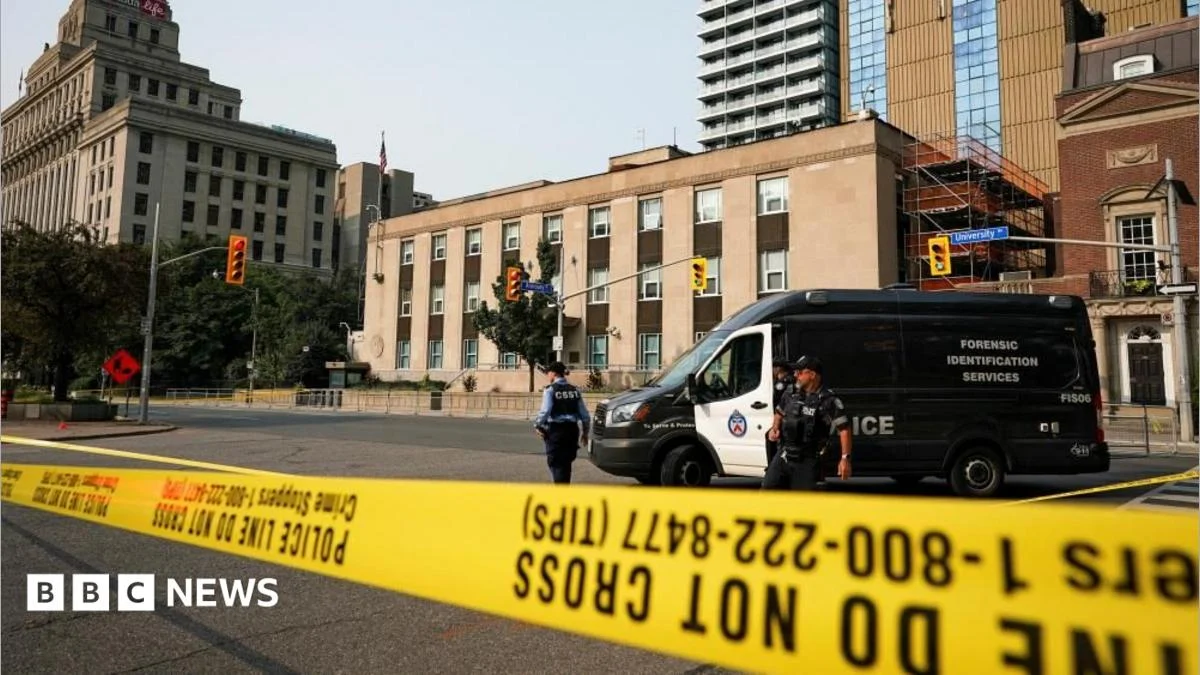
Toronto is grappling with a fresh wave of violence after the United States consulate was the target of a shooting in the early hours of Tuesday morning, prompting a multi-agency investigation involving local police, the Royal Canadian Mounted Police (RCMP), and international law enforcement partners. The brazen attack, which occurred around 4:45 AM local time (09:45 BST), has amplified existing anxieties surrounding targeted incidents in the city and has drawn strong condemnations from political leaders at all levels of government.
Superintendent Jonathan Ko of the RCMP described the incident as "another troubling incident," underscoring a pattern of escalating hostility that authorities are struggling to contain. Toronto Mayor Olivia Chow wasted no time in denouncing the attack, labeling it "brazen" and issuing a stern warning to those responsible. "I want to say to the person or persons responsible: We will get you," Chow declared, a resolute statement reflecting the urgency and determination of law enforcement to apprehend the culprits.
The shooting left behind physical evidence, with officers reporting the recovery of a single shell casing and visible damage to the building’s facade. Deputy Chief Frank Barredo of the Toronto Police Service confirmed that at least two individuals were present inside the consulate at the time of the incident. However, he reassured the public that the building’s robust security measures likely shielded those inside from hearing the gunfire. "The building is ‘very heavily fortified’," Barredo stated, indicating that the perpetrators’ efforts to cause direct harm to individuals within the consulate may have been thwarted by its defenses. The investigation is actively ongoing, and a city-wide alert has been issued, with police officers across Toronto instructed to be on the lookout for potential suspects. "We will bring the people responsible to justice," Barredo reiterated, emphasizing the commitment of the police force to achieving a resolution.
The United States consulate, in a statement posted on the social media platform X, expressed gratitude for the swift response of the Toronto police. This latest incident is not an isolated event for the US consulate in Toronto. Security has been a heightened concern since March of this year, when shots were fired outside the same building. At that time, police classified the incident as a "national security incident," though no injuries were reported. The March shooting triggered a significant law enforcement response, culminating in raids in June. Tragically, during one of these operations, 43-year-old Police Officer Marc Pinizzotto lost his life. Subsequently, several individuals, aged 18 and 19, were arrested in connection with a series of shootings, including the March attack on the consulate, which authorities believe were part of a larger gun-for-hire network.
Adding to the city’s disquiet, two Jewish-owned bakeries were also targeted over the weekend, with at least one experiencing a shooting. While police initially stated on Monday that there was no immediate link between these bakery incidents and the consulate shooting, they did not definitively rule out a potential connection. This cautious approach acknowledges the possibility of a broader, interconnected web of targeted violence.
The escalating pattern of attacks has elicited strong reactions from provincial and federal leaders. Ontario Premier Doug Ford expressed his profound displeasure, stating, "I’m totally disgusted by the shootings and vandalism that took place in Toronto over the last few days." Prime Minister Mark Carney echoed these sentiments, declaring himself "appalled" and pledging his government’s full support to law enforcement. "Law enforcement has my full support as they conduct a thorough investigation and hold those responsible to account," Carney affirmed, signaling a united front against the perpetrators.
The investigation into the consulate shooting is also being viewed through the lens of a broader international effort to combat extremist threats. In May, US officials apprehended a 32-year-old Iraqi national, Mohammad Baqer Saad Dawood al-Saadi, who was allegedly planning a series of attacks across North America and Europe. These planned attacks reportedly targeted Jewish institutions and US interests, including the US consulate in Toronto. While Toronto police have not yet confirmed whether al-Saadi is linked to the current investigation, the timing and nature of his alleged plans cast a significant shadow over the recent events. Authorities have not yet specified a motive for Tuesday’s consulate shooting, leaving a critical piece of the puzzle unanswered.
The confluence of these incidents—the consulate shooting, the attacks on Jewish businesses, and the previous national security incident at the consulate—paints a disturbing picture of escalating targeted violence in Toronto. The city, once perceived as a bastion of multicultural harmony and safety, is now confronting the grim reality of its vulnerability to extremist ideologies and organized criminal elements. The involvement of the RCMP and international partners underscores the seriousness with which these attacks are being treated, suggesting potential links to cross-border criminal networks or even international terrorist organizations.
The "gun-for-hire" network implicated in the March consulate shooting and other incidents is a particularly concerning development. The arrest of young adults in connection with these activities raises questions about radicalization pathways and the exploitation of vulnerable individuals by more experienced criminal actors. The fact that these young suspects are allegedly involved in a "string of shootings" suggests a significant level of operational capacity and a willingness to engage in extreme violence. The loss of Officer Pinizzotto during the subsequent raids is a stark reminder of the dangers faced by law enforcement officers when confronting such heavily armed and dangerous individuals.
The targeting of Jewish institutions, as evidenced by the bakery shootings, also points towards a potential rise in antisemitic motivated attacks. This echoes global trends of increased hate crimes against minority groups, a phenomenon that has become a significant concern for law enforcement and civil liberties organizations worldwide. The reluctance of police to immediately link the bakery attacks to the consulate shooting, while understandable given the need for concrete evidence, highlights the complex and potentially multifaceted nature of the threats facing Toronto. It is possible that different groups or individuals are acting independently, or conversely, that a common thread of animosity or a shared operational objective connects these disparate acts of violence.
The presence of US officials and the involvement of international law enforcement suggest that the implications of these attacks extend beyond Toronto and Canada. The potential targeting of US interests, as alleged in the case of al-Saadi, underscores the transnational dimension of modern terrorism and organized crime. The fact that an individual with alleged intentions to attack targets in both North America and Europe was apprehended underscores the need for robust intelligence sharing and coordinated efforts between allied nations.
The investigation’s current phase is characterized by meticulous evidence gathering, witness interviews, and intelligence analysis. The shell casing recovered at the scene, along with any forensic evidence from the damaged facade, will be crucial in identifying the type of firearm used and potentially linking it to previous incidents or known weapons caches. The extensive security measures at the consulate, while preventing direct harm, may have also limited the visual evidence available to investigators from within the building itself, placing a greater emphasis on external surveillance and forensic analysis.
The statements from Mayor Chow and Deputy Chief Barredo, while reassuring in their resolve, also implicitly acknowledge the significant challenge ahead. Apprehending individuals responsible for "brazen" attacks in heavily fortified locations, especially when operating within clandestine networks, requires patience, resources, and often, a degree of luck or a crucial tip-off. The city-wide alert is a standard but vital tactic, leveraging the eyes and ears of the entire police force to maximize the chances of identifying and intercepting suspects.
The renewed focus on the US consulate also raises questions about the specific motivations behind targeting diplomatic missions. Such attacks can be intended to provoke international incidents, disrupt diplomatic relations, or serve as a propaganda tool for extremist groups. The prior "national security incident" at the same location suggests that the consulate has been on the radar of hostile actors for some time, perhaps due to its symbolic importance or perceived vulnerabilities.
As the investigation unfolds, the public will undoubtedly be looking for clear answers regarding the perpetrators, their motives, and the measures being taken to prevent future attacks. The Canadian government’s commitment to supporting law enforcement, as articulated by Prime Minister Carney, will be critical in ensuring that the necessary resources are allocated to a comprehensive and effective investigation. The lessons learned from the loss of Officer Pinizzotto will also inform ongoing safety protocols for law enforcement officers engaged in high-risk operations.
In conclusion, the overnight shooting at the US consulate in Toronto is a deeply concerning development that has sent ripples of anxiety through the city and beyond. It highlights the persistent threat of targeted violence, the complex challenges faced by law enforcement in combating it, and the critical need for continued vigilance and collaboration at local, national, and international levels. The vow to bring those responsible to justice is not merely a statement of intent but a necessary commitment to restoring a sense of security and upholding the rule of law in the face of escalating hostility. The coming days and weeks will be crucial in determining the direction of this investigation and its potential to unravel a network of violence that has cast a dark shadow over Toronto.
