
 By admin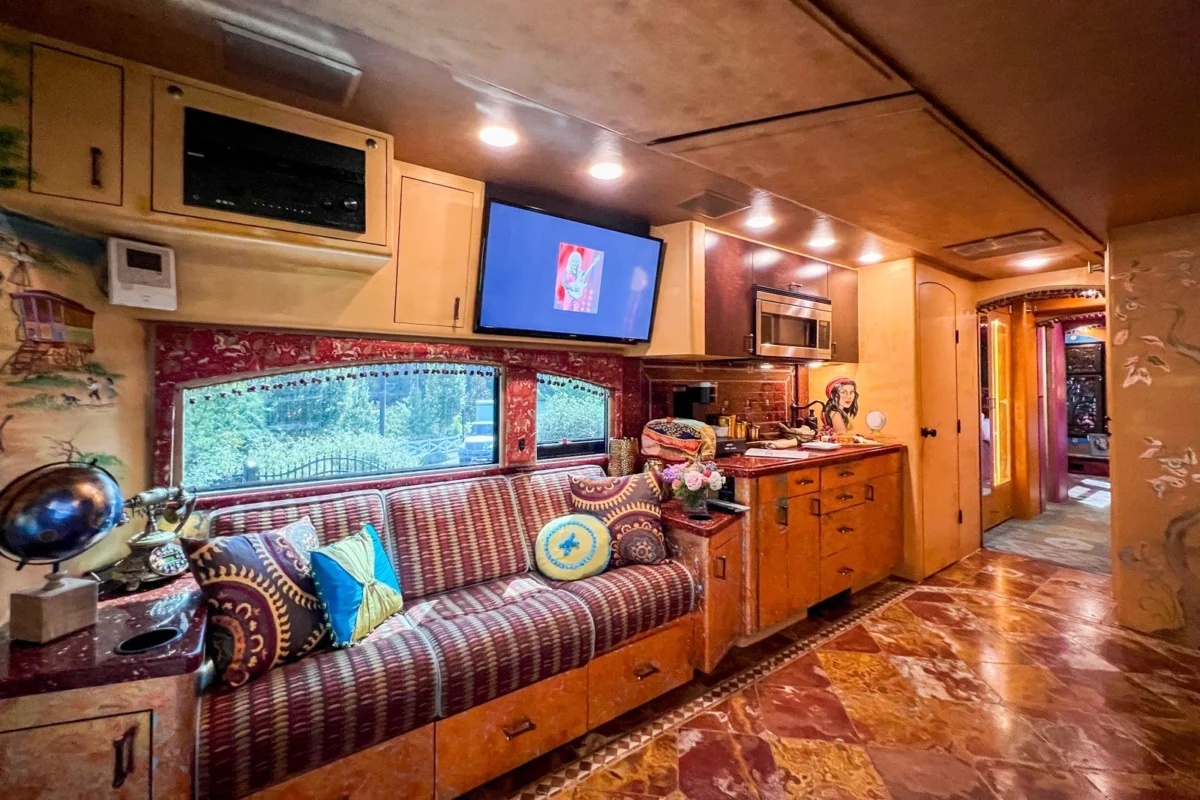
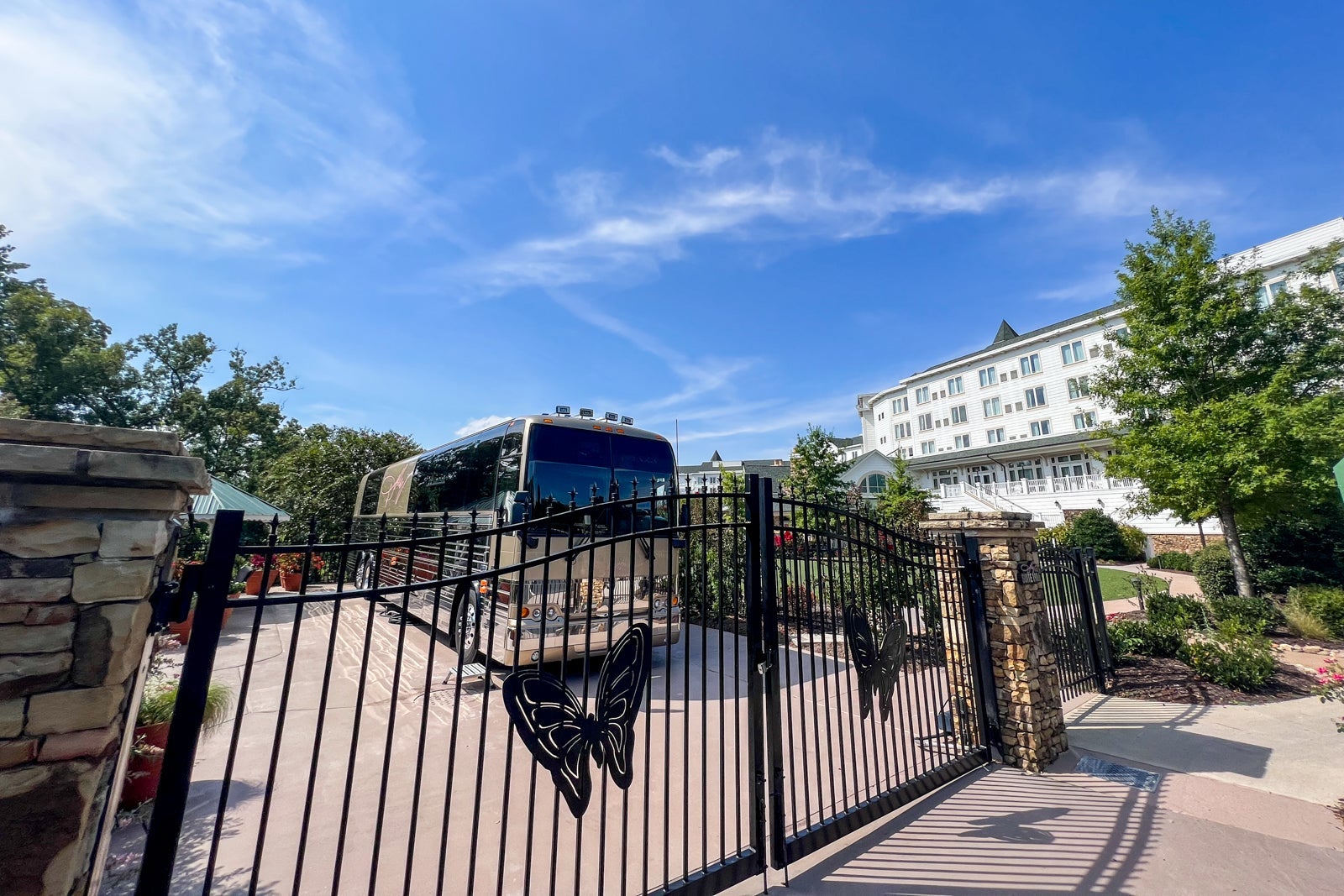
Dolly Parton is more than a country music legend; she is a global cultural phenomenon whose influence spans decades, genres, and philanthropic causes. For those who have followed the journey of the five-foot-tall powerhouse from the Great Smoky Mountains, her story is one of grit, melodic genius, and an unwavering commitment to her roots. While millions have heard her songs, few have had the opportunity to step inside the private sanctuary where those songs were born. In early September, a rare opportunity emerged to do exactly that: spend two nights aboard the "Suite 1986," Dolly Parton’s recently retired tour bus, now permanently stationed at Dollywood’s DreamMore Resort and Spa in Pigeon Forge, Tennessee.
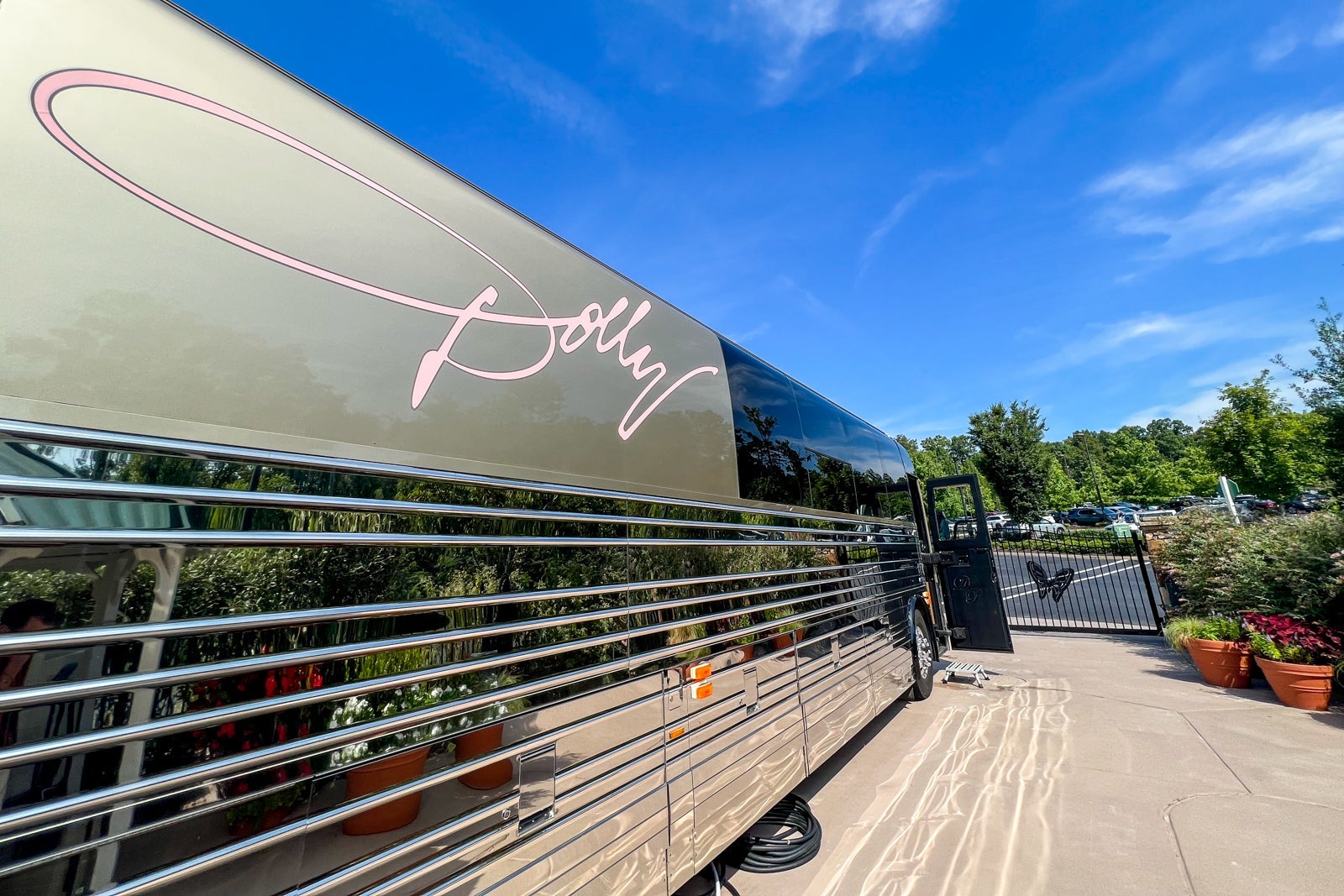
This experience is the ultimate pilgrimage for the die-hard fan. Dolly, who famously struggles with aerophobia (a fear of flying), utilized this 45-foot Prevost bus as her primary mode of transportation for 15 years. Between 2008 and 2022, the vehicle logged nearly 360,000 miles, serving as a rolling creative studio where she penned the lyrics for the "Backwoods Barbie" album and composed the score for "9 to 5 The Musical." Today, the bus has been transformed into a high-end hotel suite, offering a window into the nomadic lifestyle of one of the world’s most prolific songwriters.
The "Suite 1986" experience comes with a premium price tag of $10,000 for a two-night stay, but the cost serves a dual purpose. Beyond the luxury and proximity to Parton’s legacy, a significant portion of the proceeds is donated to the Dollywood Foundation. This foundation is the engine behind Dolly’s Imagination Library, a literacy program that provides free, high-quality books to children from birth to age five, regardless of their family’s income. By 2020, the program had distributed over 150 million books across the United States, Canada, United Kingdom, Australia, and the Republic of Ireland. Staying on the bus is not just an act of fandom; it is a contribution to a global mission of education—a mission Dolly has championed alongside other massive philanthropic efforts, such as her $1 million donation to Vanderbilt University to help fund the development of the Moderna COVID-19 vaccine.
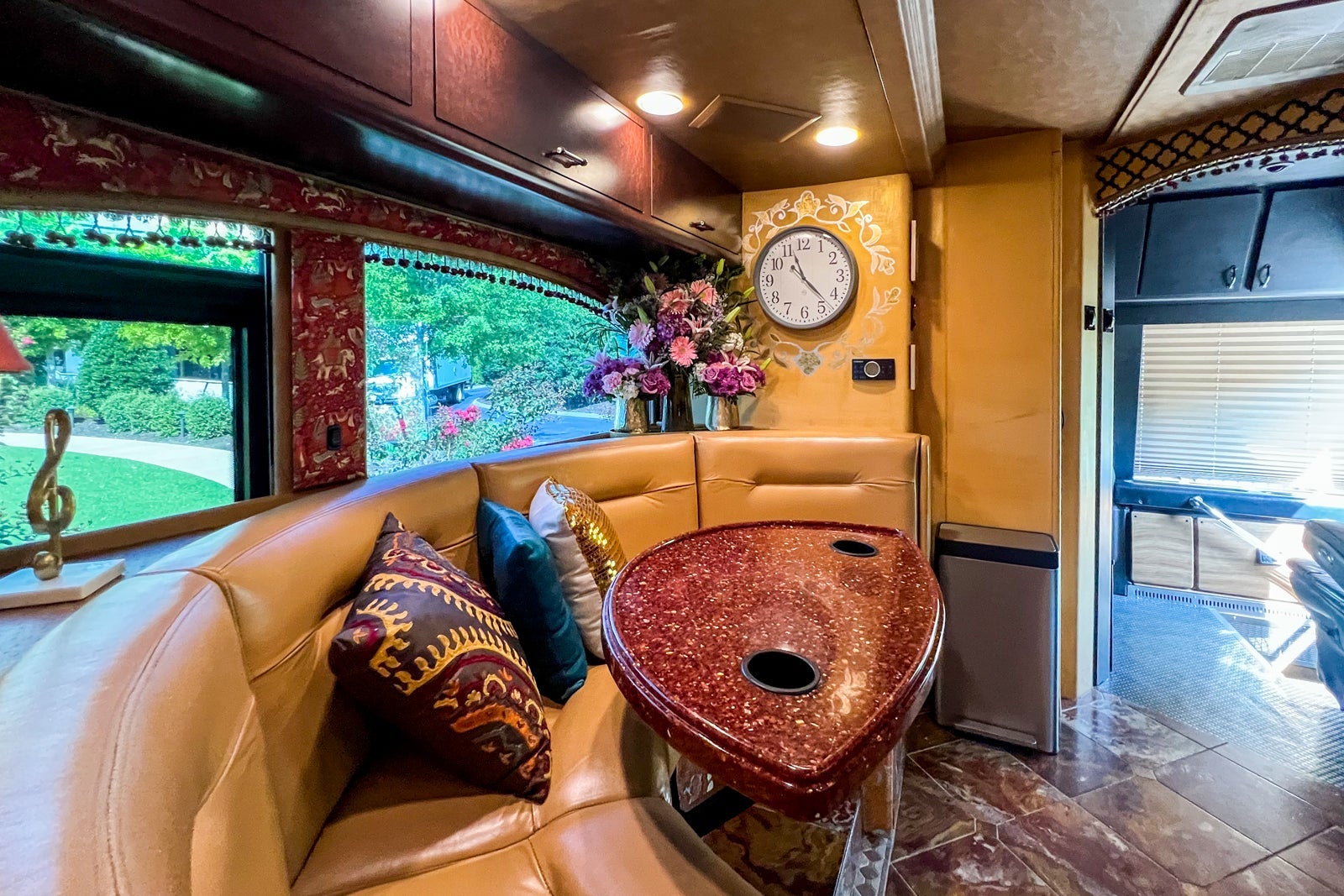
Stepping onto the bus is like entering a time capsule of "Dolly-esque" design. The interior is a 45-foot stretch of retro-homey luxury, far removed from the sterile minimalism of modern hotel suites. The driver’s seat remains in its original state, the worn leather a testament to the hundreds of thousands of miles covered by her long-time driver, Tim Dunlap. Turning into the living area, guests are greeted by a space that feels lived-in and deeply personal. This wasn’t just a vehicle; it was a home shared with her close friend and personal assistant, Judy Ogle.
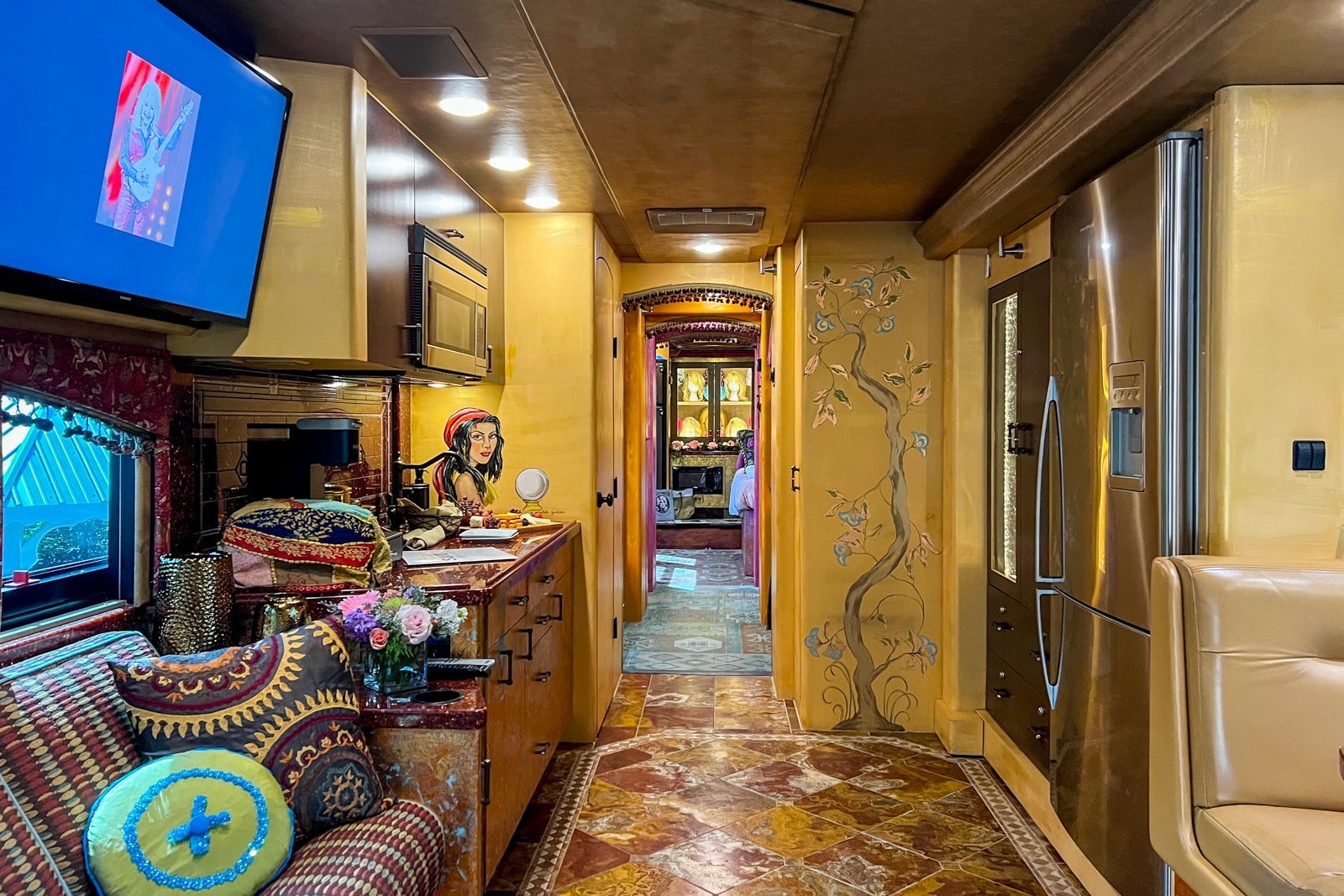
The layout is "railroad-style," featuring a front lounge with a plush couch and a dining nook where Parton reportedly enjoyed simple meals like pimento cheese sandwiches. The kitchen is surprisingly robust for a motorhome, anchored by a full-size refrigerator. Interestingly, the fridge is so large that the bus’s windshield had to be removed to install it. It remains stocked with Dolly’s favorites, including Coca-Cola and root beer. The walls are adorned with hand-painted murals by Donna Davis Carter, a close friend of Parton’s. One mural depicts the two women dancing around a campfire, adding a layer of intimate friendship to the decor.
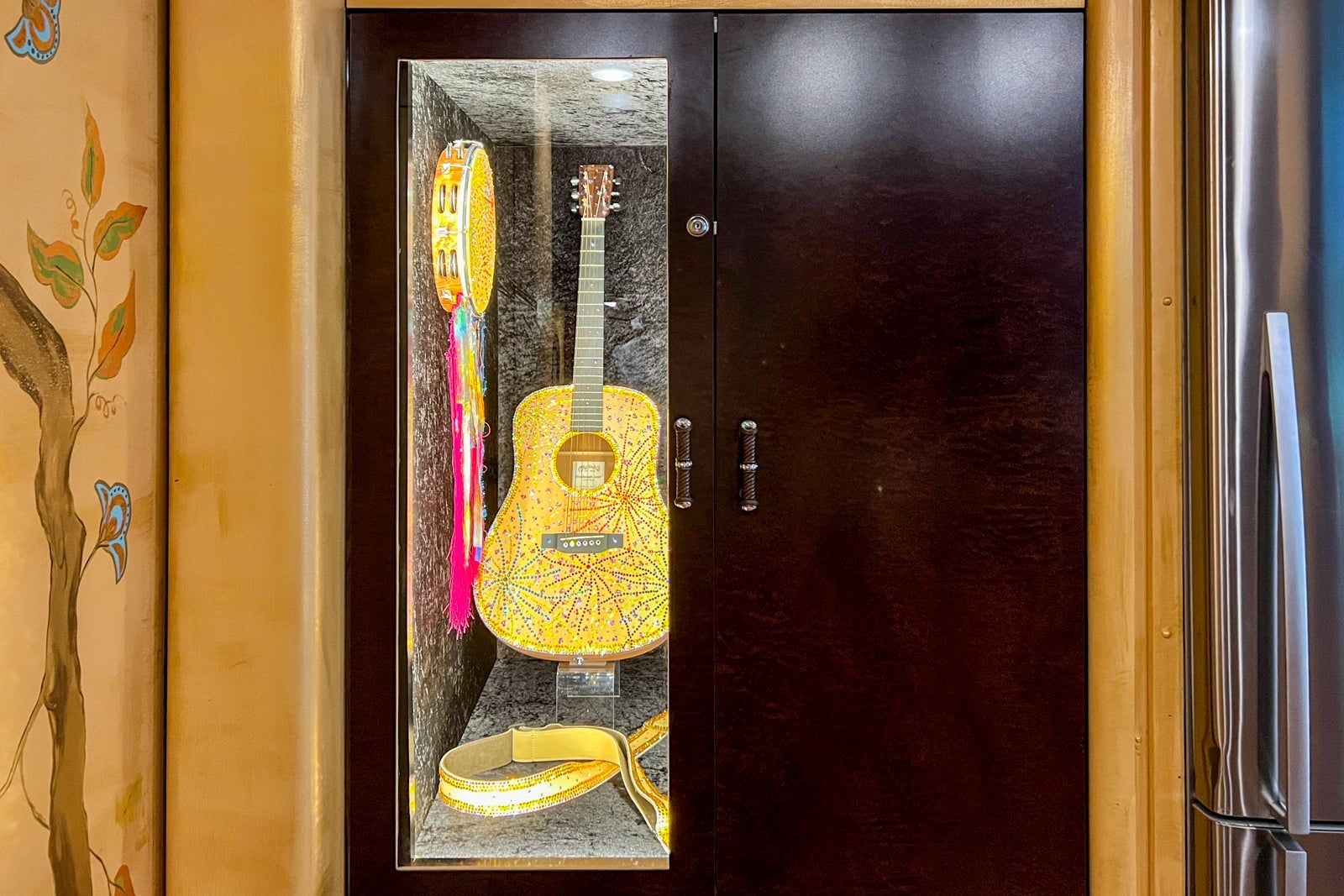
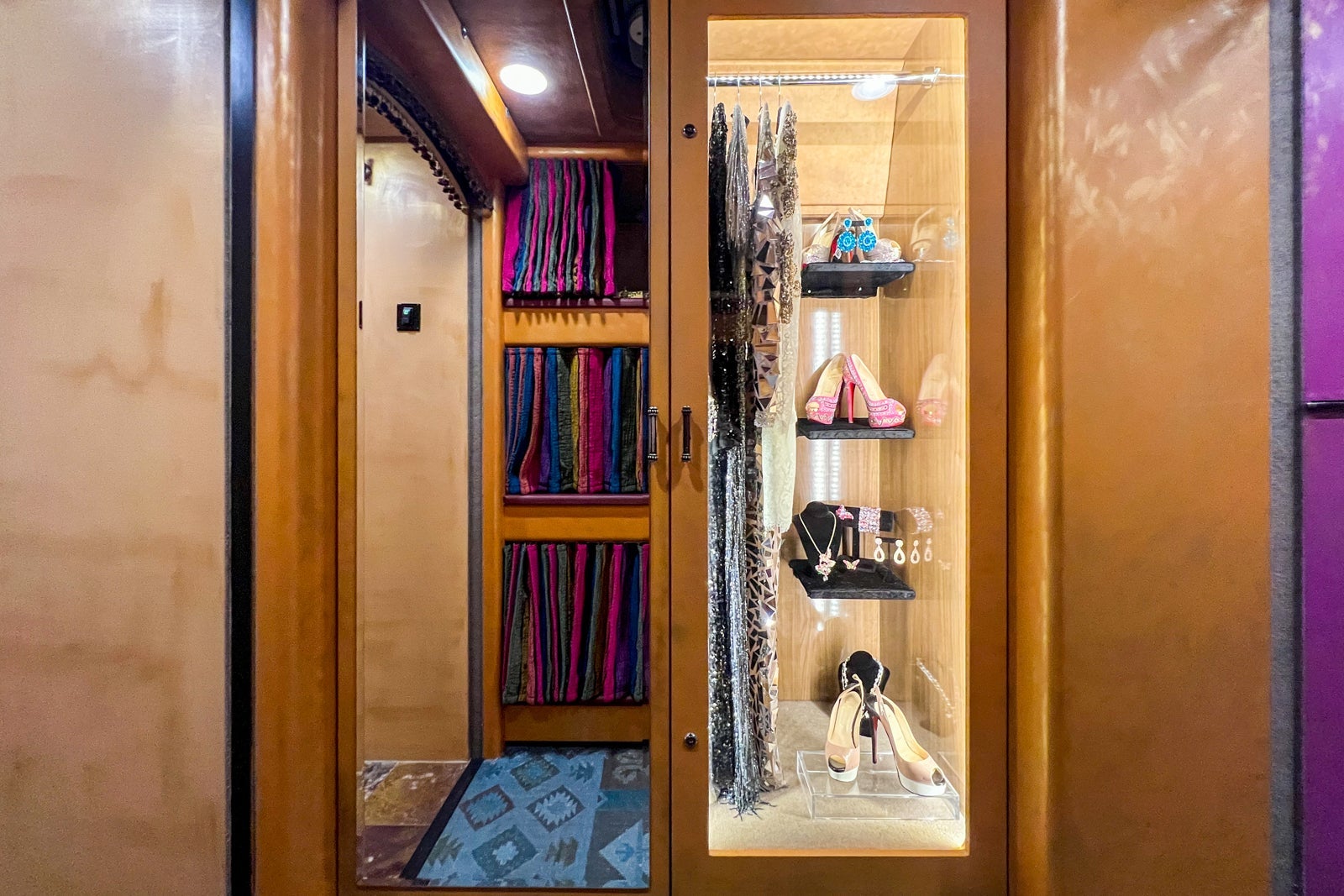
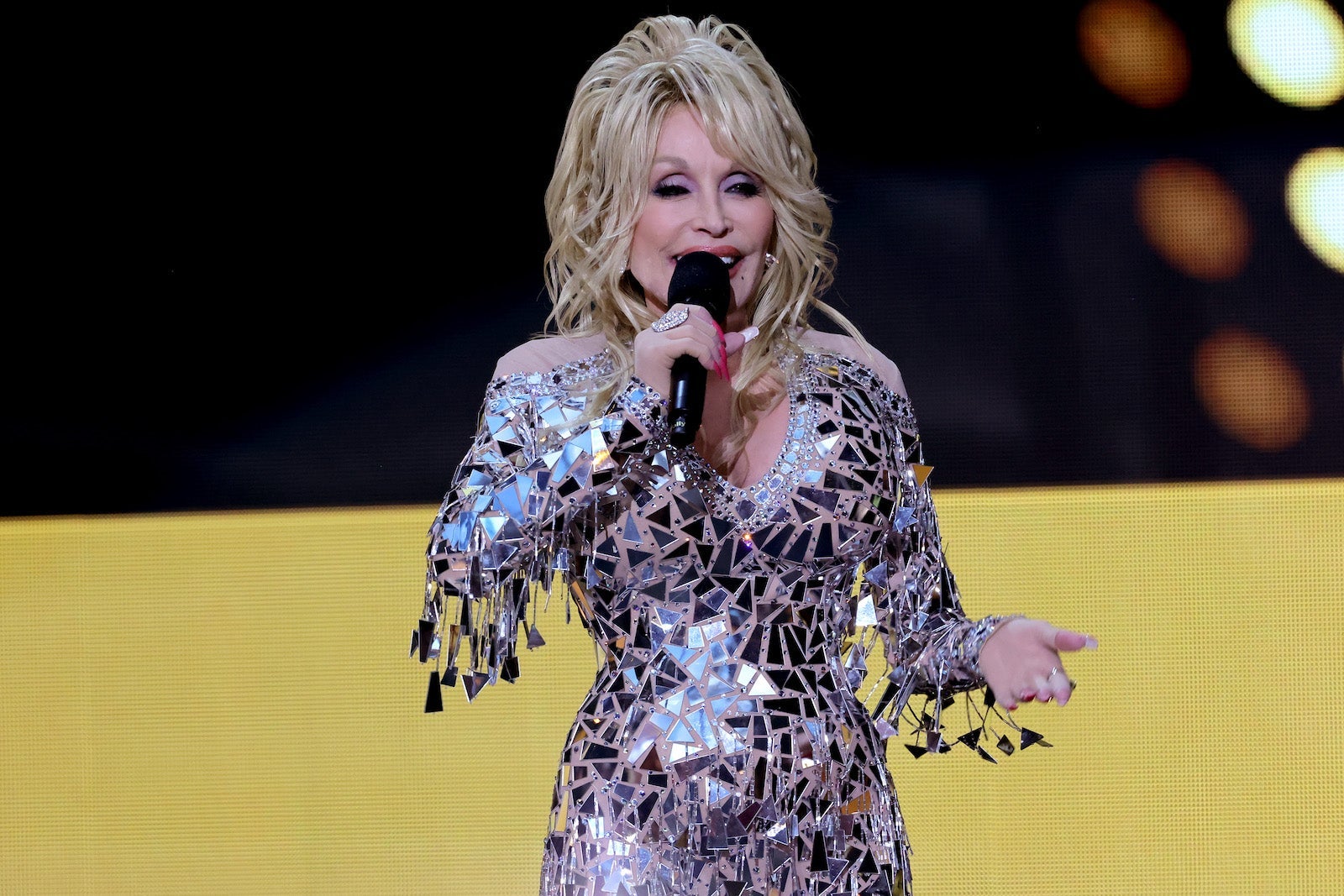
The bus is partitioned by three electronic pocket doors, creating distinct zones for privacy. The second section houses three stacked bunkbeds, originally intended for travel companions and staff. These bunks feature multicolored velvet curtains and individual in-ceiling televisions. However, in this suite conversion, the opposite wall—which would typically hold more bunks—has been turned into a museum-grade display case. Here, guests can view the rhinestone-studded guitar and hot-pink fringe-adorned tambourine used in the Netflix series "Dolly Parton’s Heartstrings." The display also showcases Parton’s iconic wardrobe, including the dress she wore while co-hosting the 57th Academy of Country Music Awards and her signature "higher-than-the-heavens" Louboutin heels.
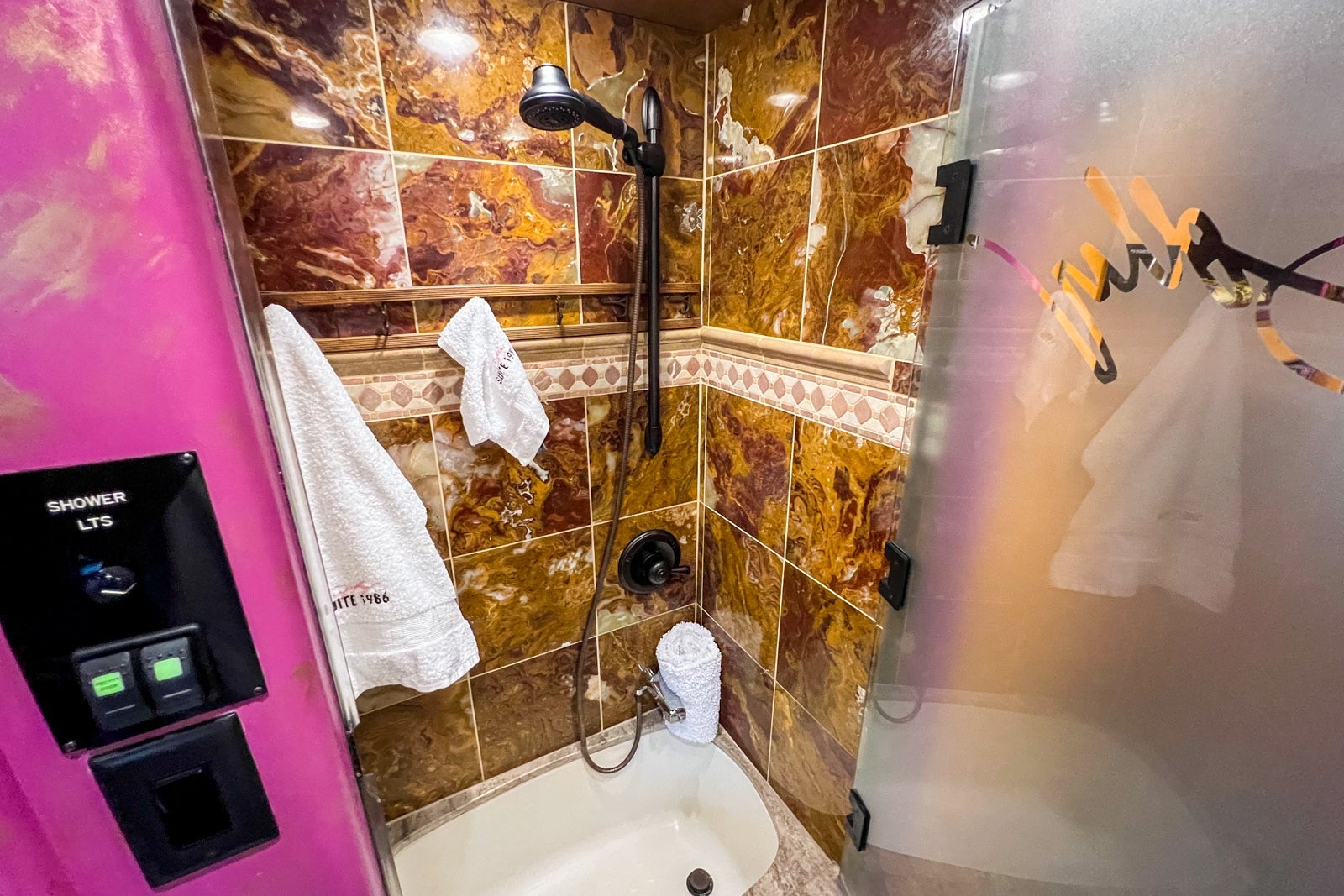
Further back lies the most sacred part of the bus: Dolly’s private bedroom and bathroom. The bathroom, while compact, features golden candle sconces, orange velvet curtains, and a deep, 2.5-foot bathtub—a rare luxury for a tour bus. The bedroom itself is an explosion of textures and colors: fuchsia, magenta, turquoise, and gold. The room feels like a physical manifestation of her "Coat of Many Colors," a carefully curated mix of fabrics that reflect her journey from a two-room cabin with no electricity to the pinnacle of Nashville stardom. A second display case in the bedroom holds a collection of her famous blonde wigs. Parton’s humor regarding her appearance is legendary; when once asked how long it took to do her hair, she famously quipped, "I don’t know, I’m never there!"
The experience is heightened by the culinary offerings included in the stay. Guests are treated to a multi-course dinner prepared by Dollywood’s executive chef, Mark Galvin. Far from basic "bus food," the meal is a fine-dining experience served on the bus pad or at the dining table inside. Courses might include grilled shrimp skewers with pineapple-onion salsa, burrata salad with crispy bacon, and a perfectly seared steak with asparagus. For dessert, the chef often prepares Parton’s personal favorite: banana pudding, alongside pralines and crème brûlée. This level of service emphasizes the "suite" aspect of the stay, blending the grit of the road with the hospitality of a five-star resort.
Staying at the DreamMore Resort also provides practical perks for exploring the broader "Dollyverse." Guests receive TimeSaver wristbands, which allow them to bypass lines for eight rides at the Dollywood theme park. The park itself is a masterclass in regional tourism, utilizing the natural topography of the Smoky Mountains to create world-class roller coasters like the Lightning Rod and the Wild Eagle. For those looking for more kitsch, the "Dolly’s Stampede" dinner show in Pigeon Forge offers trick horse riding and a four-course meal eaten entirely with one’s hands, embodying the fun, accessible spirit that Parton has cultivated in her business ventures.
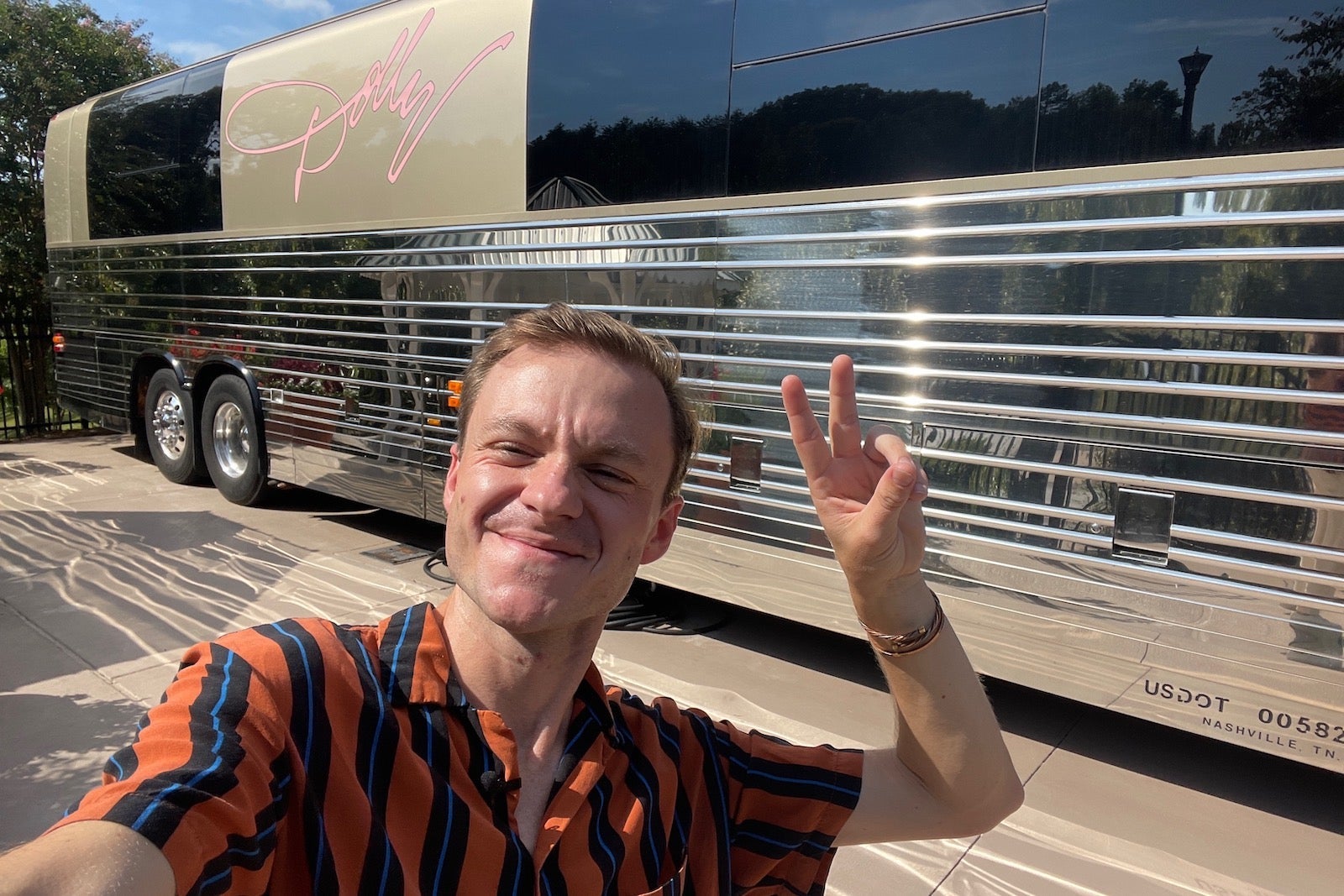
From a hospitality perspective, the "Suite 1986" represents a growing trend in "legacy tourism," where fans seek immersive, high-touch experiences that go beyond mere observation. It is a form of storytelling through architecture and interior design. For the writer, a graduate of Belmont University’s songwriting program and a former tour guide at the Grand Ole Opry, the stay felt like the closing of a circle. Having spent years sharing the history of the Opry dressing rooms where Parton performed, the chance to sleep in her actual bed was a profound connection to the labor and life of a songwriter.
Ultimately, the tour bus experience reveals the paradox of Dolly Parton: she is an untouchable superstar who remains incredibly accessible. The bus is a workspace where "9 to 5" was crafted, yet it is also a sanctuary where she sought refuge from the "zoo-like" atmosphere that follows her everywhere. Her decision to open this private space to the public—while using the funds to put books in the hands of children—is perhaps the most "Dolly" move of all. It is a reminder that while the rhinestones and wigs are the brand, the heart of the operation is rooted in kindness, creativity, and a deep love for the people of East Tennessee. As the quiet hum of the stationary bus lulls guests to sleep, it is easy to feel the creative energy that once traveled 360,000 miles across the heart of America, turning a "Tennessee Mountain Home" into a global legend.
