
 By Isnaini Azizah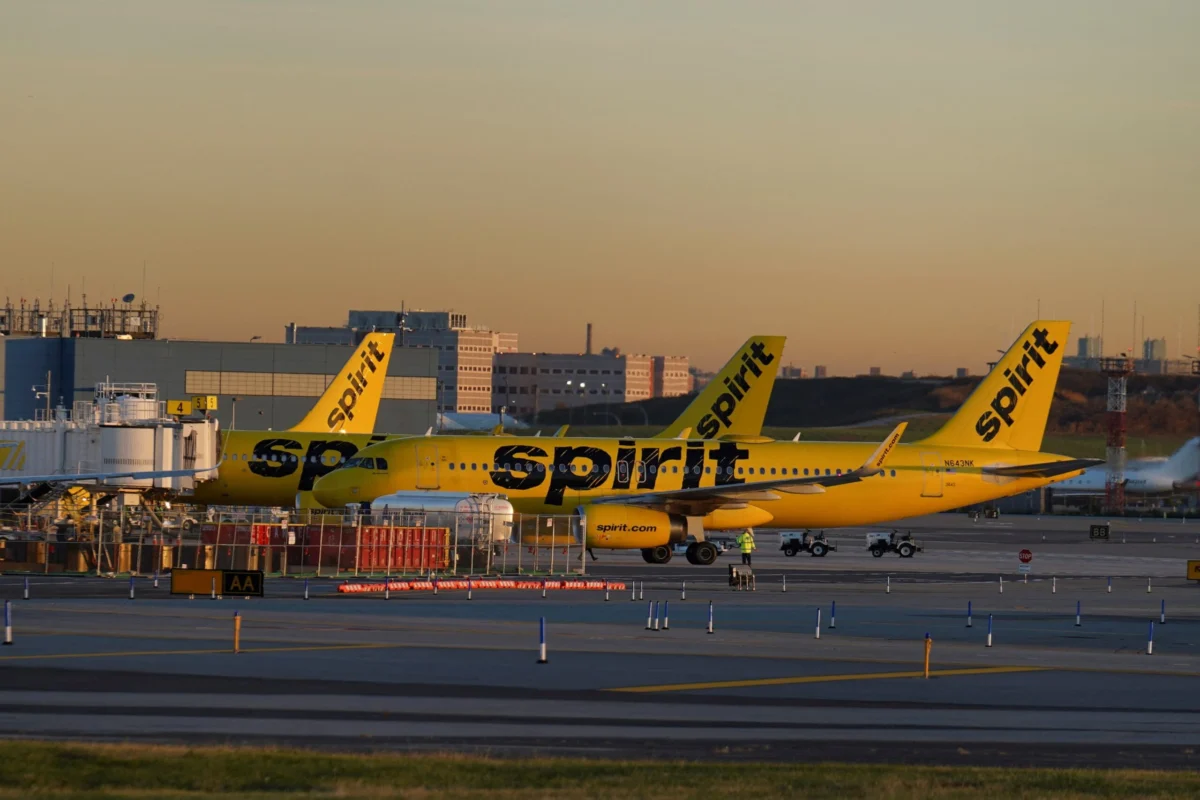
The once-formidable pioneer of the ultra-low-cost carrier model in the United States, Spirit Airlines, is reportedly on the verge of a total operational cessation, with sources familiar with the matter indicating that a liquidation filing could occur as early as this week. This dire development follows a tumultuous period for the Florida-based airline, which has struggled to navigate a relentless cycle of financial instability, operational hurdles, and a rapidly shifting aviation landscape that has left the "yellow bus of the skies" without a viable path forward. The potential collapse comes despite desperate attempts to restructure under bankruptcy protection and a series of strategic pivots intended to win over a more affluent class of travelers.
The current crisis has been exacerbated by a perfect storm of macroeconomic factors, most notably a significant spike in global jet fuel prices. In the wake of escalating geopolitical tensions in the Middle East, fuel—which typically represents an airline’s largest variable expense after labor—has surged to levels that the fragile carrier can no longer absorb. For a company like Spirit, which operates on razor-thin margins and relies on high-volume, low-fare bookings, the inability to hedge against or pass these costs onto consumers has proved fatal. The airline’s precarious position was further weakened by its recent history; Spirit has been attempting to claw its way out of its second Chapter 11 bankruptcy filing in less than a year, a rare and exhausting "Chapter 22" scenario that has depleted its cash reserves and eroded investor confidence.
Spirit’s decline is a stark departure from its pre-pandemic performance. For years, the airline enjoyed steady profitability and industry-leading margins, built on a model of "unbundled" fares where passengers paid a base price for a seat and extra for everything from carry-on bags to bottles of water. This model revolutionized the industry, forcing legacy carriers to introduce "Basic Economy" tiers to compete. However, the post-pandemic era brought a fundamental shift in consumer behavior. As travel resumed, the "revenge travel" phenomenon favored premium experiences. Travelers, flush with accumulated savings and loyalty points, increasingly opted for the comfort and reliability of major carriers like Delta, United, and American Airlines. This shift left Spirit and its ultra-low-cost peers struggling to fill seats even as they slashed prices to unsustainable levels.
The airline’s operational woes were compounded by a massive technical failure involving its fleet. Starting in 2023, a significant portion of Spirit’s Airbus A320neo aircraft was grounded due to a mandatory recall of Pratt & Whitney Geared Turbofan (GTF) engines. The recall, necessitated by a rare metal powder defect that could cause engine components to crack, left dozens of Spirit’s newest and most fuel-efficient planes sitting idle on the tarmac. While Spirit reached a compensation agreement with Pratt & Whitney, the financial restitution failed to cover the massive opportunity cost of lost routes and the increased expense of flying older, less efficient aircraft during a period of high fuel prices. At its peak, the engine crisis effectively sidelined nearly 20% of Spirit’s capacity, a blow from which the carrier never fully recovered.
Perhaps the most significant turning point in Spirit’s downward trajectory was the collapse of its planned $3.8 billion acquisition by JetBlue Airways. The merger, which Spirit executives viewed as a necessary lifeline to achieve scale and compete with the "Big Four" carriers, was blocked in early 2024 by a federal judge. The Department of Justice successfully argued that the merger would be anticompetitive, claiming it would eliminate the "Spirit Effect"—a phenomenon where Spirit’s entry into a market forced all other airlines to lower their fares. The ruling was intended to protect budget-conscious travelers, but in practice, it left Spirit to fend for itself in a market where it lacked the resources to survive independently. Critics of the ruling now point to the potential liquidation as a "be careful what you wish for" scenario; if Spirit disappears, the very low-cost seats the government sought to protect will vanish entirely.
Financial disclosures from the past year highlight the depth of the carrier’s distress. In a court filing from December 2024, Spirit had optimistically forecast a net profit of $252 million for the 2025 fiscal year. However, reality failed to match these projections. By August 2025, the company reported a staggering loss of nearly $257 million in the brief window between March 13—when it initially exited its first bankruptcy—and the end of June. This rapid burn of capital necessitated a return to bankruptcy court less than a month later. Despite receiving lifeline financing and making deep cuts to its network, the airline’s cash flow remained negative as it struggled with an oversupply of domestic seats in the U.S. market, which kept airfares artificially low even as operating costs soared.
In a last-ditch effort to save the company, Spirit attempted to move away from its "no-frills" roots. In late 2024 and early 2025, the airline introduced "Go Big" and "Go Comfy" packages, which bundled baggage, snacks, and even Wi-Fi into the ticket price. They also expanded their "Big Front Seat" offering to mimic a domestic first-class experience. The goal was to attract higher-spending customers who had migrated to legacy carriers. While the move was praised by some industry analysts as a necessary evolution, it may have been too little, too late. Rebranding an airline known for its "bare fare" philosophy takes years and significant marketing capital—resources Spirit simply did not have.
The human cost of the potential liquidation is also immense. In recent months, pilot and flight attendant unions had made significant concessions, including wage freezes and work-rule changes, in a desperate bid to keep the airline afloat. The news of a potential liquidation this week is a devastating blow to thousands of employees who had hoped their sacrifices would provide the runway needed for a successful reorganization. If Spirit liquidates, it would represent the largest failure of a U.S. airline since the industry consolidations of the early 2010s.
The broader implications for the U.S. travel market are significant. Spirit has long served as a price floor for the industry. Its presence in major hubs like Fort Lauderdale, Las Vegas, and Orlando forced competitors to keep their prices in check. Industry experts warn that a Spirit liquidation could lead to an immediate rise in airfares on dozens of routes where Spirit was the primary low-cost alternative. Furthermore, the liquidation would trigger a scramble for Spirit’s valuable assets, including its takeoff and landing slots at capacity-constrained airports like New York’s LaGuardia and Newark Liberty International. While competitors like Frontier, Southwest, or even JetBlue might look to acquire these assets, the sudden exit of a major player will undoubtedly leave a void in the "ultra-budget" segment of the market.
As the industry awaits an official announcement, the situation remains fluid. While Spirit has officially stated that it does not "comment on market rumors and speculation," the lack of a firm denial has only fueled the belief that the end is near. The airline had previously hoped to exit its current bankruptcy by this spring, focusing on high-demand travel periods and pruning its least profitable routes. However, with the busy spring break season concluding and the summer travel peak still weeks away, the airline appears to have run out of both time and money.
If the liquidation proceeds, it will mark the end of an era for American aviation. Spirit Airlines, for all its criticisms regarding customer service and "hidden" fees, democratized air travel for millions of Americans who previously could not afford to fly. Its potential disappearance serves as a sobering reminder of the volatility of the airline industry, where a combination of high debt, technical failures, and geopolitical shocks can topple even the most disruptive players. For now, passengers with upcoming Spirit flights are left in a state of uncertainty, watching the headlines as the carrier’s leadership and creditors decide whether the yellow planes will take to the skies one last time or remain grounded forever.
