
 By admin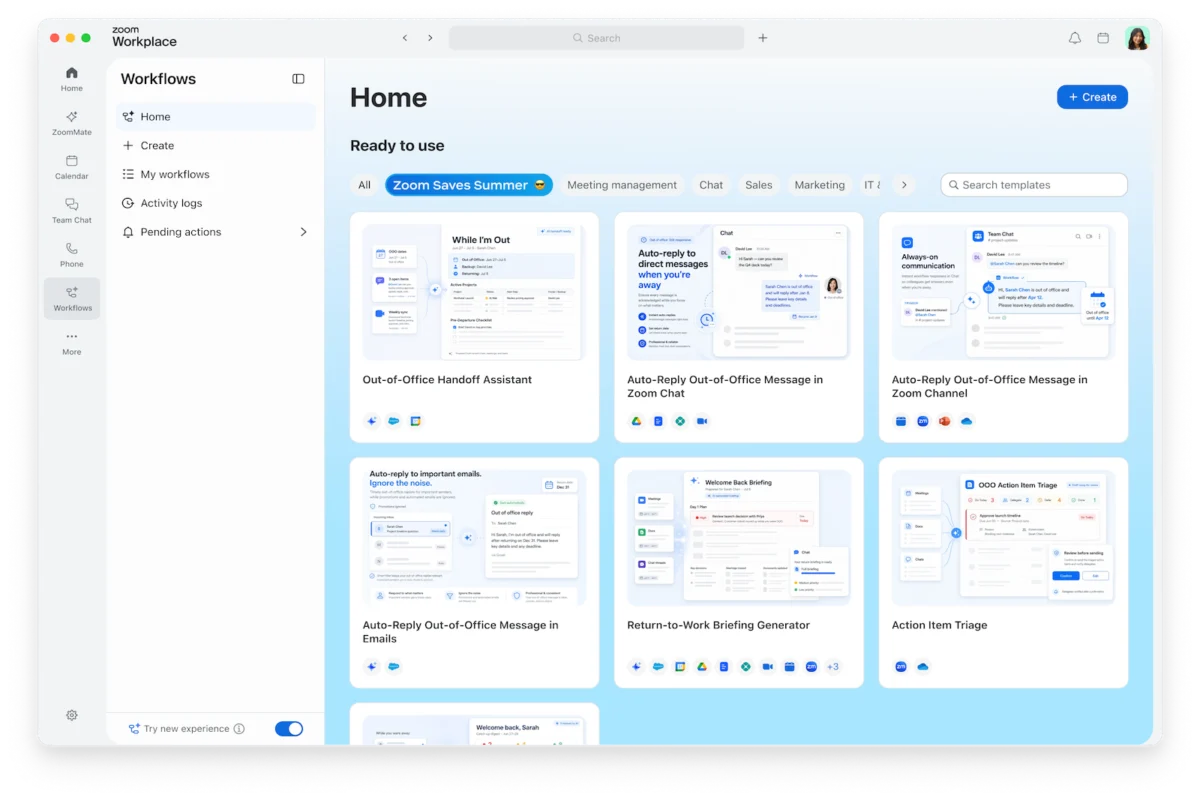
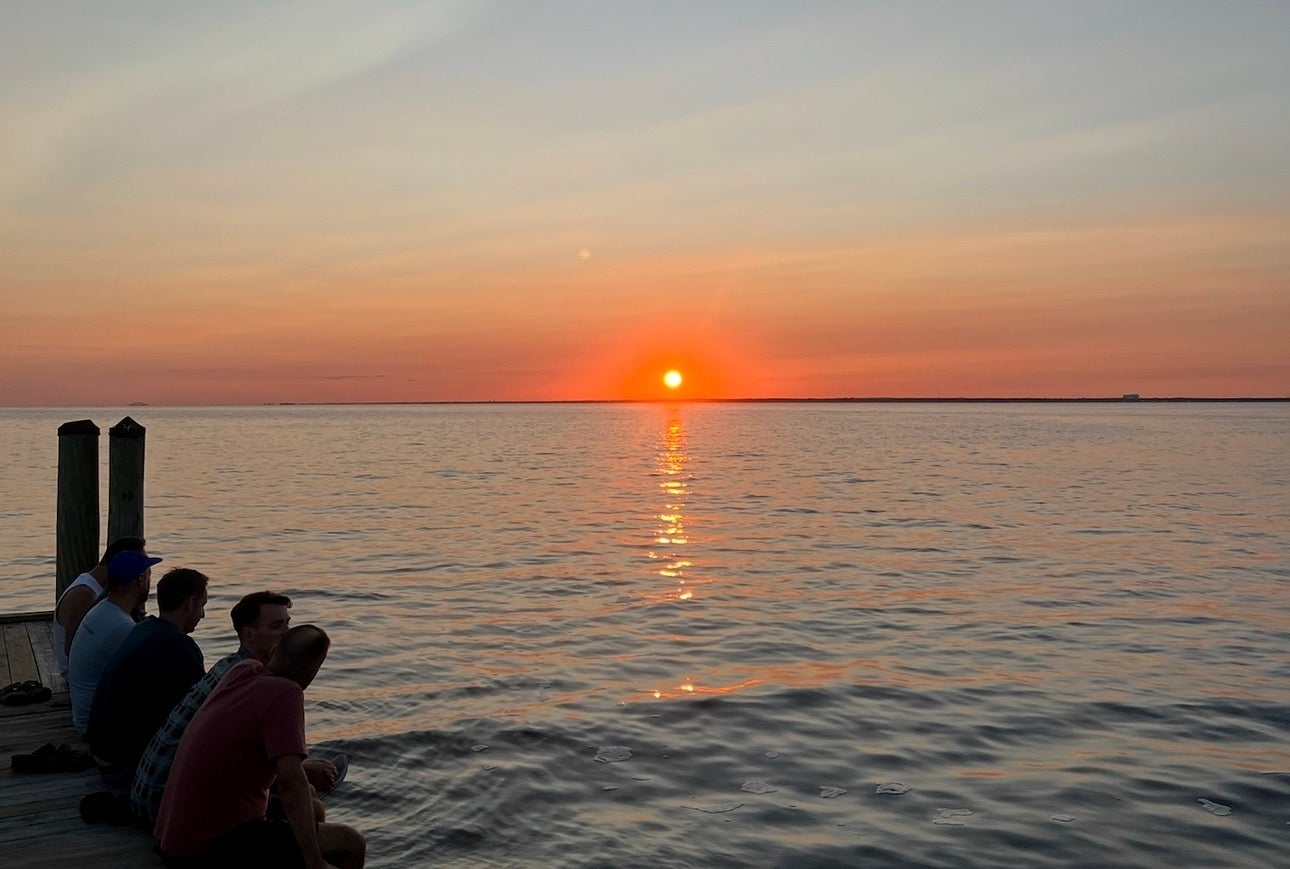
For many professionals, the annual summer pilgrimage to a coastal sanctuary like Fire Island represents more than just a break from the office; it is a vital ritual of restoration and social reconnection. On this narrow strip of land off the coast of Long Island, the cadence of life shifts from the frantic ticking of a digital clock to the rhythmic arrival of the ferry and the gradual movement of the sun across the Atlantic. For a specific group of close friends, this week-long tradition is the cornerstone of their year, a time defined by the refreshing simplicity of bouncing between the beach and the pool, shared meals prepared in a rotating kitchen schedule, and the comforting repetition of stories told a thousand times before. In theory, it is the ultimate opportunity to reconnect without the pervasive distractions of everyday life, yet for the modern knowledge worker, the physical departure from the office rarely signals a mental one.
The psychological phenomenon known as "vacation dread" or the "Monday morning cloud" has become an endemic feature of the 21st-century workplace. Even amidst the serenity of a poolside afternoon, a significant portion of the brain remains tethered to the desk, obsessing over the inevitable backlog of tasks awaiting one’s return. This mental intrusion often begins with benign curiosity—wondering how a specific client meeting progressed or if a project milestone was reached—but quickly escalates into a paralyzing visualization of accumulating emails, Slack messages, and meeting recaps. This internal narrative transforms a period of intended relaxation into a state of high-functioning anxiety, where the shadow of the coming Monday looms larger than the present enjoyment of the holiday.
This year, the quest to reclaim the sanctity of time off led to an experiment with ZoomMate, Zoom’s sophisticated AI-driven "teammate." By utilizing a specific feature known as the Return-to-Work Briefing, the goal was to bridge the gap between the necessity of staying informed and the desire to be fully present. The underlying problem with taking time off in the modern era is not a lack of capability among colleagues; it is the sheer density of information flow. In partnership-heavy roles, where projects are fluid and priorities shift with every client feedback loop, the fear of missing a critical pivot can be overwhelming. This creates a destructive cycle: a worker checks one "quick" message to ease their mind, only to find a complex thread requiring context, which then triggers a cascade of reminders and mental to-dos. Before the first sunscreen application of the day, the individual’s cognitive load is back at the office, regardless of their physical location.
The statistics supporting this trend are stark and reveal a deep-seated crisis in workplace culture. According to Zoom’s OOO (Out of Office) Index, approximately 60% of knowledge workers admit to checking or responding to work-related messages at least a few times during their paid time off. Even more concerning is that one-third of the workforce checks in at least once a day. This "digital tethering" rarely achieves its intended goal of making the return easier. In fact, the OOO Index suggests that nearly 90% of workers require a full day or more to feel caught up after returning, with over half reporting that it takes at least three days to regain their professional footing. The irony is palpable: by attempting to stay "in the loop" while on vacation, workers often lose the very benefits of the break without actually gaining a comprehensive understanding of what they missed. They end up previewing notifications poolside, only to lose track of those same reminders by the time they sit back down at their desks.
ZoomMate enters this landscape not as a replacement for human agency, but as a sophisticated filter designed to organize the "noise" of the modern enterprise. As an AI teammate, ZoomMate is engineered to surface high-value information, execute routine tasks, and distill sprawling workplace conversations into actionable takeaways. For a professional heading to Fire Island, the appeal was not in having AI take over their responsibilities, but in its ability to synthesize the week’s developments. While the user was offline, the gears of the corporate machine continued to turn: decisions were finalized, action items were distributed, and project timelines evolved. ZoomMate acted as a silent observer, pulling these disparate threads together so the human worker wouldn’t feel the compulsive need to monitor them in real-time.
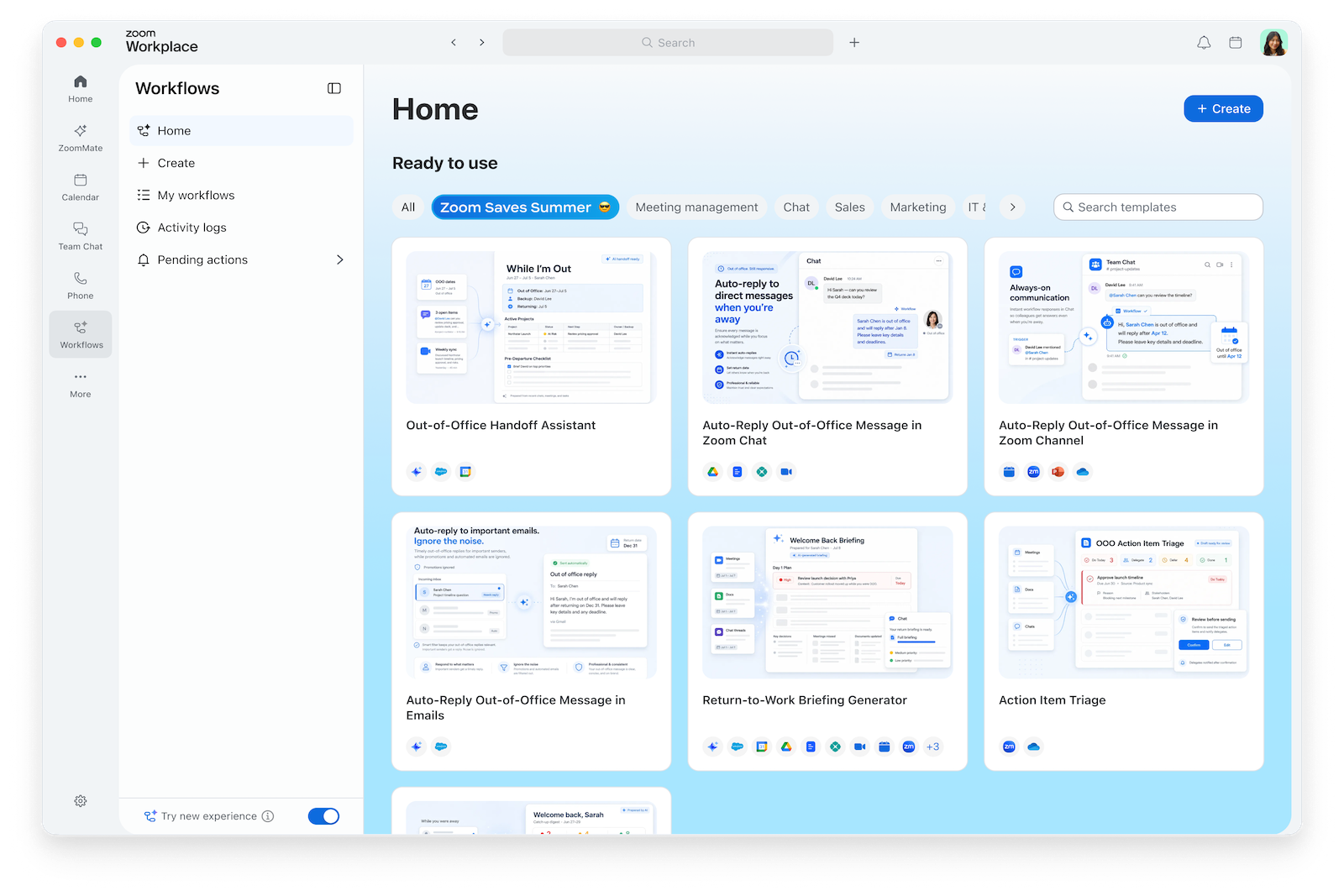
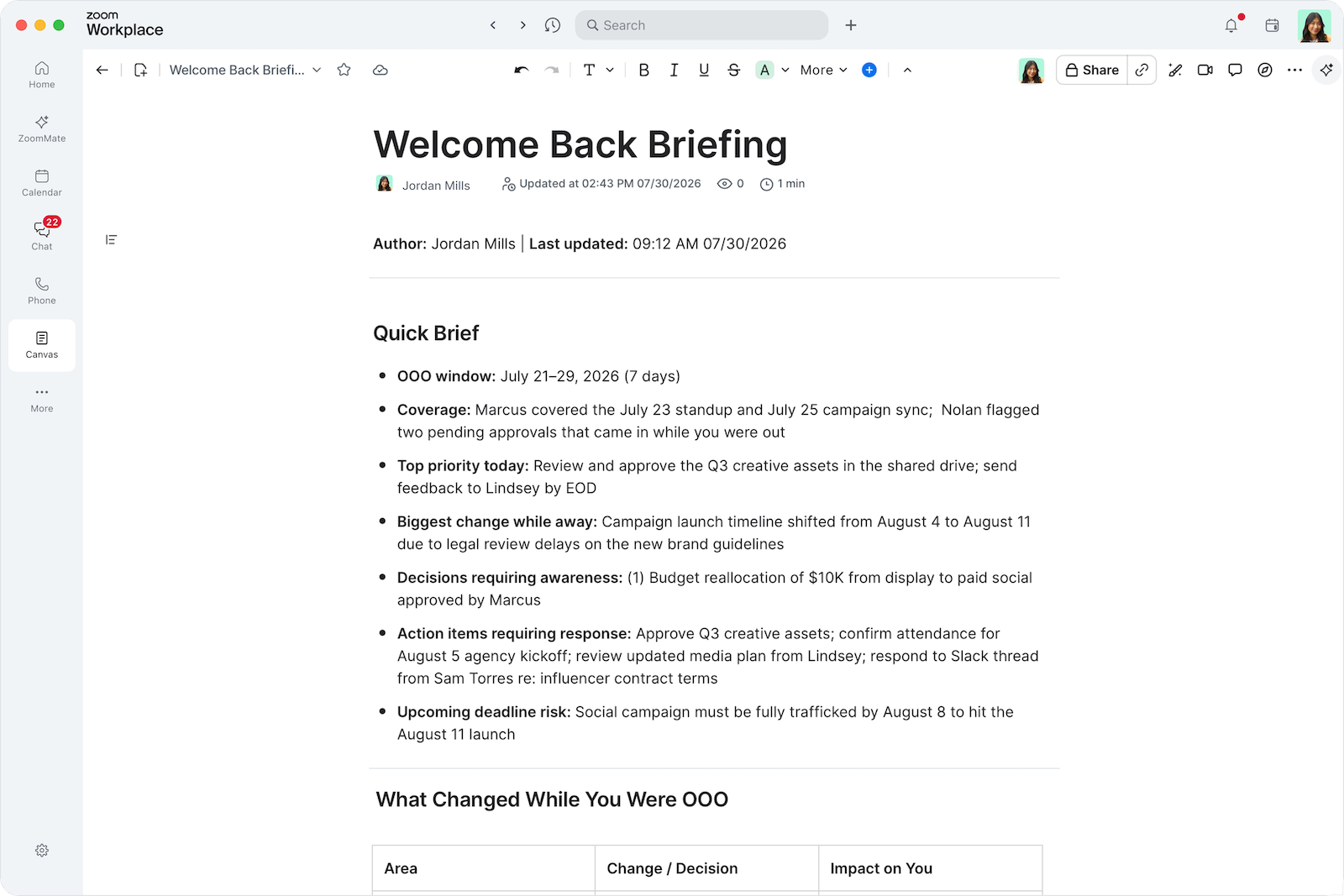
The cornerstone of this experience was the Return-to-Work Briefing workflow. The setup process is remarkably intuitive, requiring only the input of the specific dates of absence. From that point, the AI begins a continuous process of curation. It monitors meetings held in the user’s absence, identifies key decisions, flags assigned action items, and surfaces critical documents or chat threads that changed the project’s trajectory. Most importantly, it analyzes these inputs to generate a prioritized "Day 1 Plan." This shift in perspective is revolutionary; it moves the worker from a defensive posture of "catching up" to a proactive posture of "moving forward."
During the week on Fire Island, the impact of this technological buffer was immediate. The psychological "permission" to be present allowed for mornings by the pool and dinners with friends to be untainted by the mental drafting of to-do lists. The temptation to check the phone was replaced by the confidence that a structured, intelligent summary was being prepared for Monday morning. While no one can completely erase the professional sense of responsibility, the presence of a reliable AI intermediary significantly lowered the "activation energy" required to disconnect.
The true validation of this approach occurred during the transition back to the urban environment. Typically, the first morning back from vacation is a chaotic exercise in digital archaeology. Most professionals begin by opening a dozen tabs—Outlook, Asana, Slack, Jira—and attempting to reconstruct the history of the previous week. This process is cognitively exhausting; scanning meeting titles and working backward through long message threads often leads to "analysis paralysis," where so much time is spent figuring out where to start that the actual work is delayed by hours.
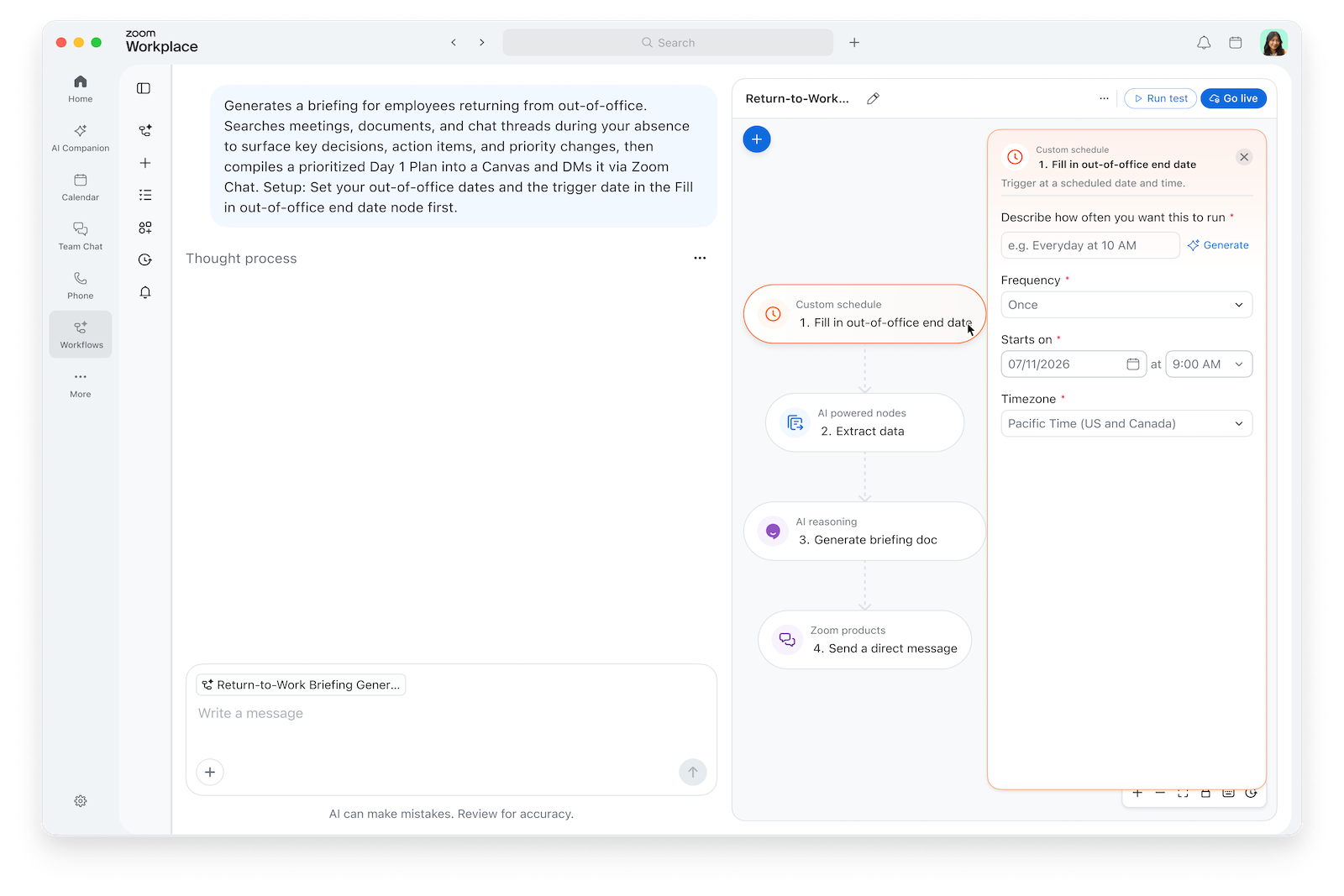
With the ZoomMate Return-to-Work Briefing, the re-entry was surgical rather than scattered. Instead of a barrage of unread notifications, the user was greeted with a synthesized view of the most impactful changes. The AI didn’t just list what happened; it categorized the information by urgency and relevance. It identified which meetings required a review of the transcript and which could be summarized in a few bullet points. By providing a prioritized Day 1 Plan, ZoomMate effectively eliminated the "re-entry tax" that usually follows a period of PTO. It allowed the professional to return to peak productivity in hours rather than days, maintaining the mental clarity gained during the vacation.
Beyond the specific context of a week-long holiday, the implications for ZoomMate’s utility extend into the daily rhythm of the modern workweek. The challenges of collaboration are often rooted in the fragmentation of information. A creative direction might be decided in a Zoom call, refined in a Slack thread, and then documented in a shared file. ZoomMate’s ability to search across these platforms and turn discussions into useful outputs—such as presentations or action plans—addresses the chronic "meeting-heavy day" fatigue. Rather than spending the evening piecing together notes from a six-hour marathon of calls, a worker can use AI to organize the information and identify the next steps instantly.
This technology is equally relevant for shorter absences, such as long weekends, family obligations, or even the simple act of taking a lunch break. In a global economy where projects move across time zones and schedules, the fear of missing a critical update is constant. Having a tool that can "brief" a worker on the last three hours of activity makes the act of closing the laptop significantly less intimidating. It fosters a culture where "stepping away" is no longer synonymous with "falling behind."
In the final analysis, the value of a productivity tool is measured not just by how much more work it allows a person to do, but by how much more life it allows them to live. Travel delays, group dynamics, and the logistical hurdles of a trip to Fire Island will always provide a baseline of stress, but work should not be the primary obstacle to rest. By leveraging AI to handle the logistical burden of information management, professionals can finally reclaim the "space" that vacations are intended to provide. ZoomMate represents a shift in the relationship between humans and their digital tools—moving away from a state of constant, reactive connectivity toward a future of intentional, synthesized presence. For those who have long feared the "Monday morning cloud," the emergence of the AI teammate offers a clear horizon, proving that with the right technology, one can truly be away while the work stays exactly where it belongs.
