
 By Rifan Muazin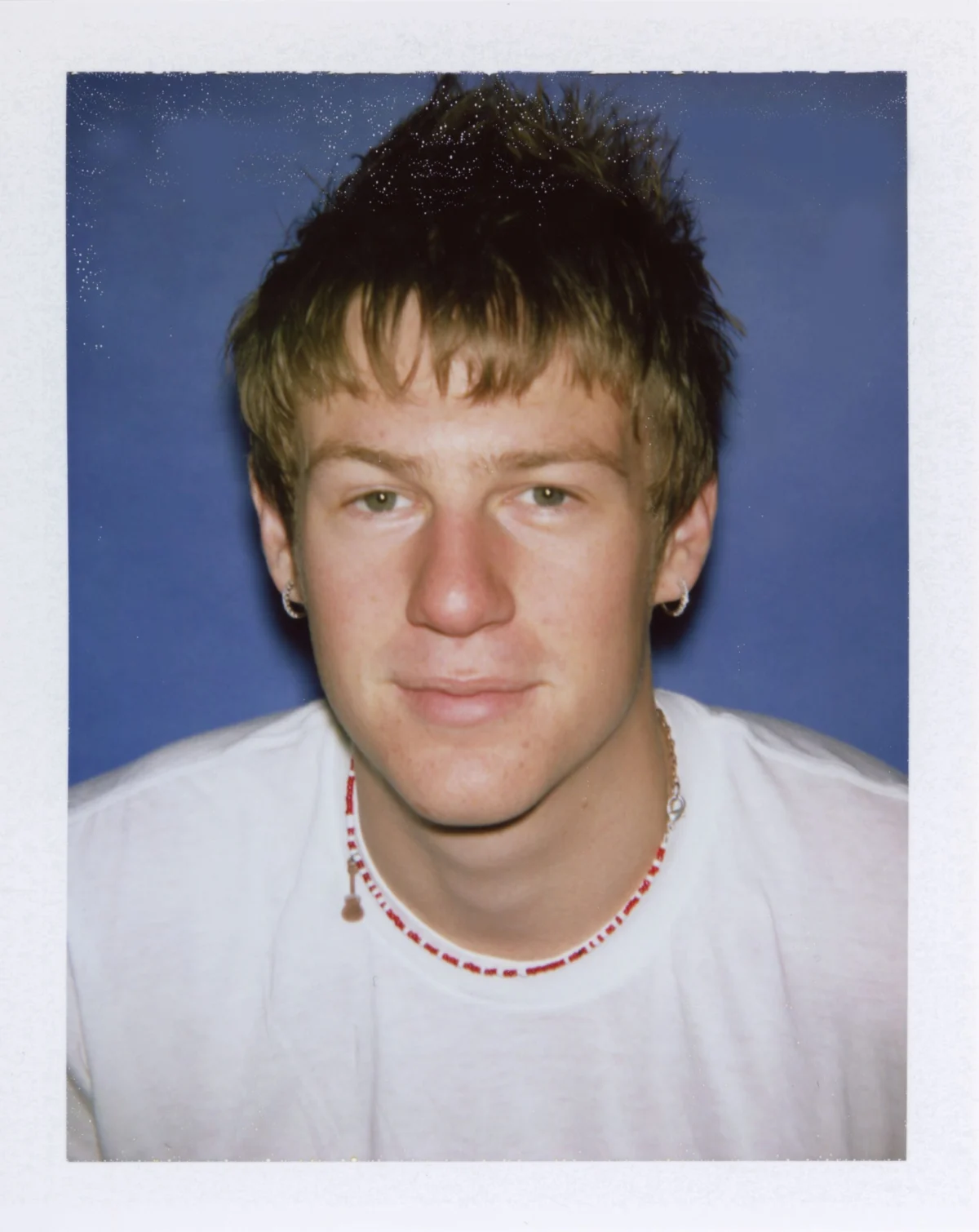
At first glance, Malcolm Todd appears to be an artist who has mastered the art of the accidental. His aesthetic is defined by a curated dishevelment that suggests he has just emerged from a deep sleep, perhaps after a long night of recording lo-fi melodies in a dimly lit studio. Whether he is performing on the global stage of The Tonight Show Starring Jimmy Fallon or serving as the face of a high-profile Gap campaign, Todd’s visual identity remains remarkably consistent: he is frequently topless, effortlessly cool, and crowned with a hairstyle that looks as though it has never seen a comb. However, this "just rolled out of bed" appearance is far from a happy accident. It is the result of a precise, technical collaboration between the 22-year-old musician and his longtime barber, Yuhei Nerome, known professionally as Nero. Together, they have crafted a look that bridges the gap between 1960s London mod culture and the modern "bedroom pop" movement, creating a signature style that has captured the attention of fans and fashion critics alike.
Malcolm Todd’s rise in the music industry has been characterized by a sonic blend of groovy basslines, dreamy synths, and a relaxed, indie-pop sensibility. As the brother of pop darling Audrey Hobert, Todd has navigated his ascent with a keen understanding of the importance of branding in the digital age. In a landscape where an artist’s visual "vibe" is often as influential as their discography, Todd’s hair has become a central pillar of his public persona. His journey toward his current signature look involved a series of experimental phases, ranging from the stark minimalism of a buzzcut to the shaggier, more chaotic lengths of a modern mullet. Ultimately, he settled on what Nero describes as a "short layer, textured haircut"—a modern iteration of the Britpop-style mod cut that famously defined the look of bands like Oasis and Blur in the 1990s, and The Beatles decades prior.
The technical execution of Todd’s haircut is designed specifically to accommodate his desire for low-maintenance style. According to Nero, who has been working with the artist for over a year, the goal was to create a shape that looks intentional the moment Todd wakes up. By utilizing short, choppy layers and a significant amount of internal texture, Nero ensures that the hair has natural movement and volume without the need for heavy styling. "It’s a short layer, textured haircut," Nero explained in a recent interview. "So basically, when he just wakes up, he looks great. It’s got a nice texture to it because it’s a little bit spikier." This "spikiness" isn’t the rigid, gel-heavy look of the early 2000s, but rather a soft, pliable texture that allows the hair to fall naturally while maintaining a distinct silhouette.
The cultural impact of this haircut has been significant, particularly among Gen Z audiences who frequent platforms like Reddit and TikTok. On Reddit, dedicated grooming and fashion communities have seen a surge in users seeking advice on how to replicate "the Malcolm Todd look." The demand for information became so high that Todd himself took to TikTok Live earlier this year to provide his followers with a 360-degree view of his head, essentially providing a blueprint for barbers worldwide. This level of transparency and engagement with his fanbase has solidified the haircut as a trend, rather than just a personal preference. It fits perfectly into the "cute-boy" aesthetic that currently dominates indie music circles—a look that prioritizes a soft, approachable masculinity over more traditional, rigid grooming standards.
Todd’s embrace of this specific style was heavily influenced by his admiration for British street style. During a conversation with GQ regarding his inaugural Gap campaign, Todd noted that his current hair length feels like his "natural state," inspired by the "cute" British guys he observed in media and fashion. "I don’t think my hair’s supposed to be long," he remarked. "I don’t feel like my hair’s obviously supposed to be completely bald." This middle-ground approach—neither too long nor too short—mirrors the "mod" philosophy, which historically used hair as a symbol of rebellion against both the conservative buzzcuts of the military and the extreme lengths of the hippie movement.

The partnership between Todd and Nero began when Todd was still sporting a buzzcut. At the time, the maintenance was simple: Nero merely shaped the hairline to keep it clean. However, as Todd’s career began to accelerate and his musical identity shifted toward a more "bedroom indie" sound, he expressed a desire to grow his hair out. This transition required a strategic plan to avoid the "awkward phase" of hair growth. Nero’s solution was the mod cut, which utilizes a messy fringe pushed forward to frame the face. To achieve the final look, Nero uses a dry texture hair paste—a product he is currently developing for his own upcoming haircare brand, slated for release in December. This paste is designed to provide hold without the shine, maintaining the "dry" look that is essential to the bedhead aesthetic. The hair is "zhuzhed" to add volume and then allowed to fall wherever it may land, ensuring that no two days look exactly the same, yet the overall vibe remains consistent.
This commitment to an "unfinished" look was a focal point of Todd’s recent Gap campaign. In an era where many brands opt for highly polished, airbrushed imagery, Gap’s decision to feature Todd in various states of "stylish disarray" signals a shift toward authenticity. The campaign captures Todd in his element—often shirtless, displaying his torso, and with his hair looking purposefully unkempt. This aligns with Gap’s historical legacy of partnering with musicians who embody a certain effortless American (or in this case, British-inspired) cool. By allowing Todd’s natural hair texture to take center stage, the campaign taps into the "Indie Sleaze" revival—a trend that celebrates the messy, hedonistic, and unpolished aesthetics of the late 2000s and early 2010s.
Beyond the aesthetics, the success of Todd’s look speaks to a broader trend in men’s grooming: the decline of the high-maintenance fade in favor of longer, more versatile styles. For years, the "barber shop" look—characterized by sharp fades and perfectly sculpted pompadours—was the dominant trend for men. However, as work-from-home culture and a general move toward "relaxed" fashion took hold, many men began seeking styles that required less daily intervention. Todd’s Britpop mod cut is the logical conclusion of this shift. It is a haircut that works with the hair’s natural cowlicks and growth patterns rather than against them.
Nero’s role in this cannot be understated. As a barber, his ability to translate a musician’s vibe into a technical haircut is what makes him a sought-after professional in the industry. The upcoming launch of his own haircare line is a testament to the influence he has garnered through his work with Todd and other high-profile clients. The dry texture paste used on Todd is the centerpiece of this line, designed to give users the ability to replicate the "Malcolm Todd texture" at home. It addresses a specific gap in the market for products that provide structure without the "greasy" look of traditional waxes or pomades.
As Malcolm Todd continues to tour and release new music, his hair remains a focal point of his brand identity. It serves as a visual shorthand for his music: it is groovy, a little bit messy, and deeply personal. Whether he is performing to thousands of fans or appearing in global fashion advertisements, the message is clear: the most stylish look is the one that looks like you didn’t try at all. Through his collaboration with Nero, Todd has not only found a hairstyle that suits his face shape and hair type but has also helped define the visual language of a new generation of indie artists. The intentional bedhead is no longer just a sign of a late night; it is a carefully crafted statement of artistic identity, proving that in the world of modern pop, sometimes the best thing you can do is look like you just woke up.
