
 By admin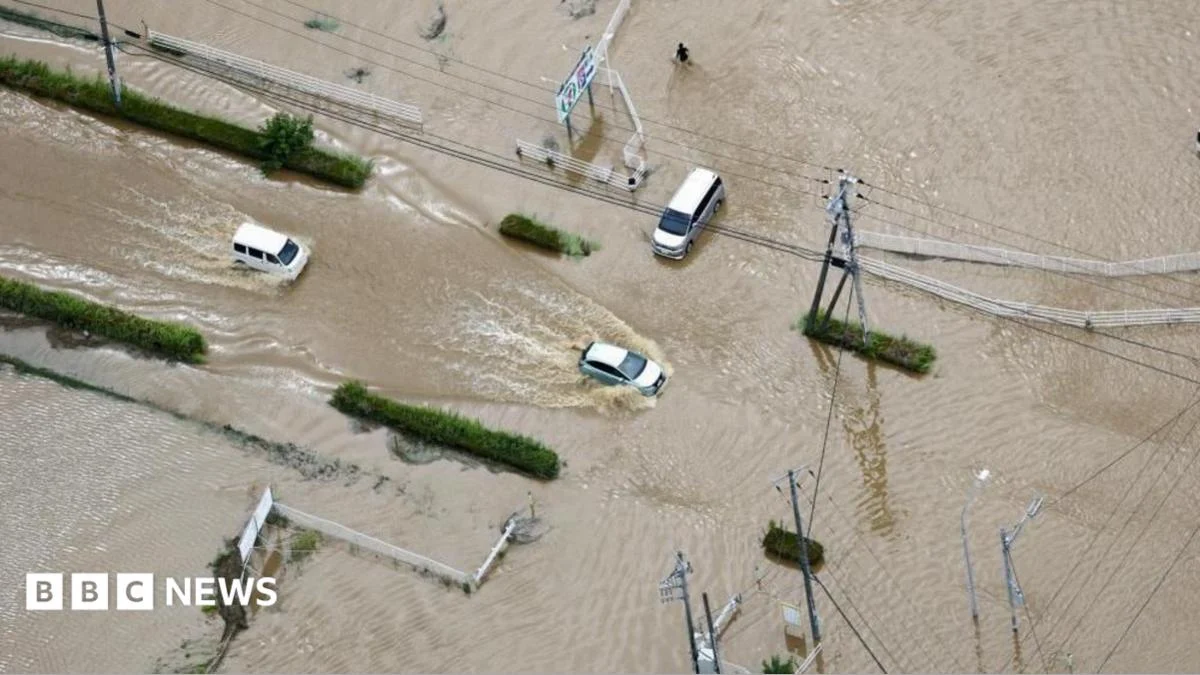
Japan’s Meteorological Agency (JMA) has declared the recent torrential downpour that has inundated large swathes of the country, particularly the Chiba Prefecture, an "extremely unusual situation," even by Japan’s historically volatile weather standards. The agency attributes the catastrophic event to a potent confluence of atmospheric factors: warm, humid air flowing into the nation’s eastern regions, colliding with a mass of cold air aloft. This dramatic temperature differential created an environment of extreme atmospheric instability, unleashing a torrent of rain that has shattered rainfall records and brought a vital economic hub to a standstill. The deluge, which began intensifying on Thursday afternoon, is forecast to persist through late Friday, exacerbating the already dire humanitarian and infrastructural crisis.
Governor Toshihito Kumagai of Chiba Prefecture, a region situated immediately adjacent to the bustling capital of Tokyo, articulated the unprecedented nature of the disaster in stark terms. Addressing reporters on Friday morning, he stated, "I have responded to many disasters in the past, but I have never experienced a case like this." His words underscore the sheer scale and ferocity of the rainfall, which has overwhelmed the region’s typically robust disaster preparedness mechanisms. Chiba Prefecture alone has registered over 100 millimeters of rainfall per hour since Thursday afternoon, a figure that authorities have described as approximately three times the average rainfall for the entire month of August. More alarmingly, this rate of precipitation represents the highest volume ever recorded in Japan’s meteorological history, a grim testament to the escalating impacts of climate change on extreme weather events.
The immediate priority for Governor Kumagai and his administration remains the preservation of life. He affirmed, "Authorities would prioritise saving lives and persist with rescue efforts," a commitment that is being tested by the widespread destruction and ongoing hazards. The human toll of this unprecedented event is already tragically evident. Among the confirmed fatalities is a woman who tragically lost her life after her car was submerged on a flooded road. Two other individuals collapsed on streets inundated by the rising waters and later succumbed to their injuries, highlighting the immediate dangers posed by the flash floods. The JMA’s earlier characterization of the situation as an "unprecedented level of heavy rain" has proven to be a chilling understatement of the reality on the ground.
The infrastructural consequences of this relentless downpour have been profound, leading to widespread disruption across transportation networks. Several critical rail services remained suspended on Friday morning, severing vital commuter and freight links. Major highways have also been shut down, further isolating affected areas and hindering rescue and relief operations. The sheer volume of water has triggered dangerous landslides, compounding the damage and creating new threats for already vulnerable communities. Power outages have plunged numerous households into darkness, adding to the hardship and anxiety of residents. In response to the escalating danger, more than 100,000 households were issued evacuation orders on Thursday, a testament to the government’s recognition of the imminent risks.
Despite the widespread chaos, airport operations at Narita, a major international gateway, were scheduled to operate normally on Friday, according to a spokesperson. Flag carrier Japan Airlines indicated that while some flight delays were possible, outright cancellations were not anticipated. This relative normalcy at the airport, however, belied the significant disruption experienced by travelers elsewhere. Passengers found themselves stranded at metro stations, with public transport systems overwhelmed or rendered inoperable by the flooding. The Chiba Prefectural Government building became an impromptu shelter for approximately 1,800 individuals who were forced to spend the night there, seeking refuge from the escalating disaster.
The personal accounts from those caught in the deluge paint a vivid picture of the suddenness and severity of the crisis. A woman in Ichikawa City, Chiba Prefecture, shared her experience with NHK, stating, "The rain ‘happened all of a sudden so it was a complete surprise.’" Her concern extended beyond the immediate danger, as she added, "The power is out so I’m worried whether I can open my business in the next couple of days." This sentiment reflects the broader economic anxieties gripping the region, as businesses face prolonged closures and potential damage to property and inventory. The disruption to daily life and economic activity is expected to be substantial and long-lasting.
The extreme weather event in Japan is not an isolated incident, but rather part of a broader pattern of climatic volatility impacting the wider East Asian region. In the Philippines, authorities have again been compelled to shut down schools and government offices across most of the country’s north, citing the persistent threat of floods. This mirrors the precarious situation faced by communities in Japan, underscoring the interconnectedness of regional weather systems and the shared vulnerability to extreme climate phenomena.
This period has been marked by a series of powerful storms churning across the region. Earlier in the week, Japan, the Philippines, and China were simultaneously battered by back-to-back typhoons: Dolphin, Chan-Hom, and Peilou. Typhoon Dolphin, in particular, brought significant rainfall to Japan’s Okinawa island, resulting in power outages for tens of thousands of buildings, widespread tree damage, and numerous flight cancellations. The ferocity of these storms highlights a concerning trend of increased storm intensity and frequency.
The impact of these storms extended beyond Japan. Over the preceding weekend, Chinese authorities undertook a massive evacuation effort, moving more than a million people from their homes as Typhoon Dolphin, the strongest typhoon to make landfall in China this year, struck the country’s eastern coast. The sheer scale of this evacuation underscores the devastating potential of these weather systems and the critical importance of early warning systems and robust disaster response plans.
The confluence of these extreme weather events, from the record-breaking rainfall in Chiba to the powerful typhoons impacting the Philippines and China, serves as a stark warning of the escalating challenges posed by climate change. Scientists have long predicted an increase in the frequency and intensity of extreme weather events, and the current situation in East Asia appears to be a grim validation of these projections. The atmospheric conditions that led to the Chiba deluge – the collision of warm, humid air with cold air aloft – are consistent with a warming planet, which can supercharge storm systems and lead to more unpredictable and destructive weather patterns.
The economic implications of such widespread and severe weather events are substantial. Beyond the immediate costs of rescue, relief, and infrastructure repair, there are long-term impacts on agriculture, tourism, and supply chains. The disruption to transportation networks alone can have ripple effects across national and international economies. For Japan, a nation heavily reliant on international trade and a sophisticated manufacturing sector, such prolonged disruptions pose a significant threat to its economic stability.
Furthermore, the psychological toll on communities repeatedly subjected to natural disasters cannot be underestimated. The anxiety and stress of living under constant threat, coupled with the trauma of displacement and loss, can have profound and lasting effects on mental well-being. The resilience of communities like those in Chiba will be tested in the coming weeks and months as they grapple with the aftermath of this unprecedented deluge.
As the immediate crisis unfolds, the focus will undoubtedly shift towards long-term recovery and adaptation strategies. This will likely involve significant investment in reinforcing infrastructure, improving early warning systems, and developing more resilient urban planning to mitigate the impacts of future extreme weather events. The lessons learned from this catastrophic event in Chiba will be crucial in shaping these strategies, not only for Japan but for other regions susceptible to similar climate-related disasters. The interconnectedness of the global climate system means that extreme weather events in one region can have far-reaching consequences, emphasizing the urgent need for global cooperation in addressing the root causes of climate change and building a more sustainable and resilient future. The unprecedented rainfall in Chiba serves as a powerful and somber reminder of the growing urgency of this global challenge.
